EP300 Modulates MCM8 Transcription and Augments the Malignant Phenotype of Hepatitis B Virus–Positive Hepatocellular Carcinoma Cells
Fang Xue, Tian‐Feng Sun

TL;DR
This study shows that EP300 increases MCM8 levels in hepatitis B-related liver cancer cells, promoting their aggressive behavior.
Contribution
The study reveals a novel mechanism where EP300 modulates MCM8 transcription to enhance the malignancy of HBV-positive hepatocellular carcinoma cells.
Findings
EP300 silencing reduces HBV-positive HCC cell proliferation, migration, and resistance to apoptosis.
MCM8 is upregulated by EP300 and contributes to the malignant phenotype of HBV-positive HCC cells.
Restoring MCM8 expression rescues the malignant properties of HBV-positive HCC cells after EP300 silencing.
Abstract
Chronic infection with the hepatitis B virus (HBV) remains one of the primary drivers of the development of hepatocellular carcinoma (HCC), a highly aggressive malignancy with a grim prognosis. This study focused on the role of E1A‐binding protein p300 (EP300) in the malignant phenotype of HBV‐positive HCC cells and its functional mechanism. Increased EP300 expression was detected in HBV‐positive tumor tissues and cells compared to their control counterparts. Silencing EP300 reduced tumorigenic activity, proliferation, viability, migration, invasion, and resistance to apoptosis of HBV‐positive cells and reduced the concentrations of HBV infection markers HBsAg and HBeAg. These effects were achieved, at least in part, through downregulation of minichromosome maintenance 8 homologous recombination repair factor (MCM8). MCM8 was identified as a target of EP300 and mediated by acetylation…
Genes, proteins, chemicals, diseases, species, mutations and cell lines named across the full text — each resolved to its canonical identifier and authoritative record.
Click any figure to enlarge with its caption.
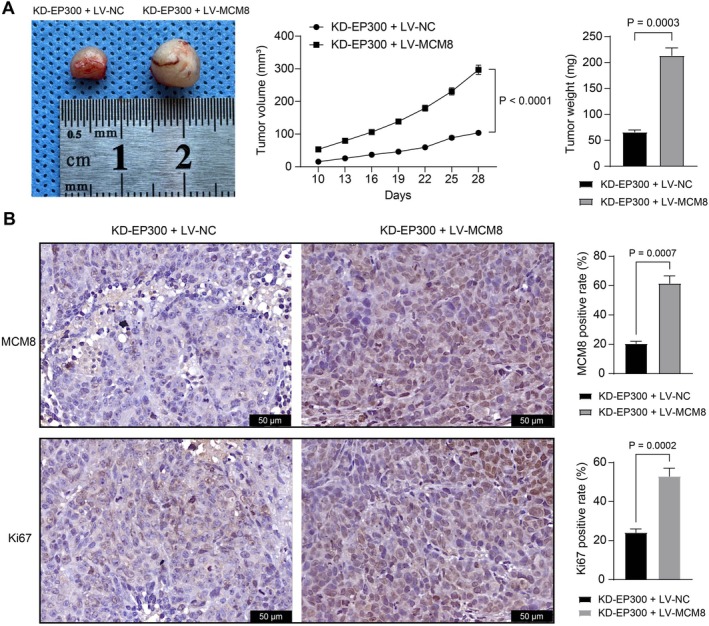 Figure 1
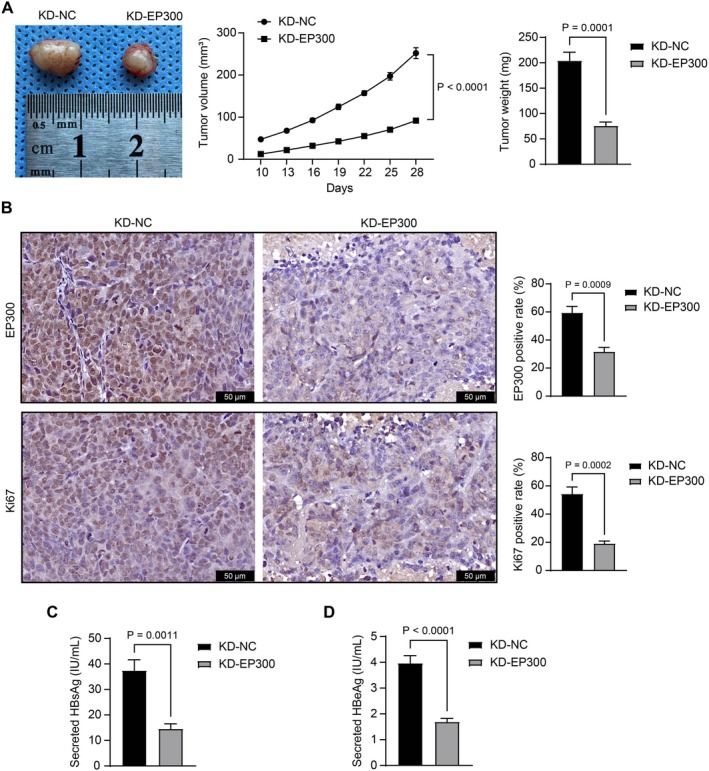 Figure 2
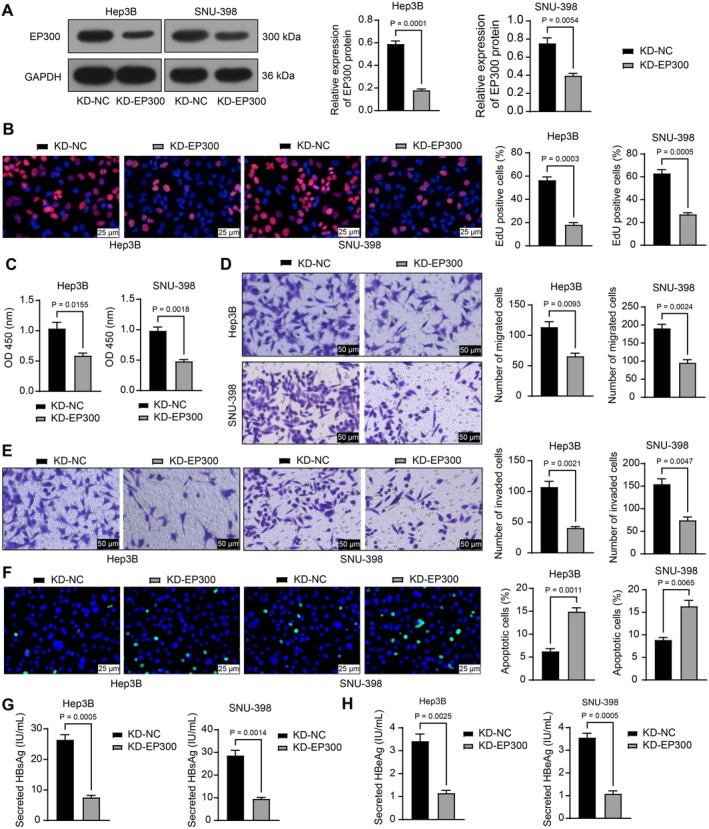 Figure 3
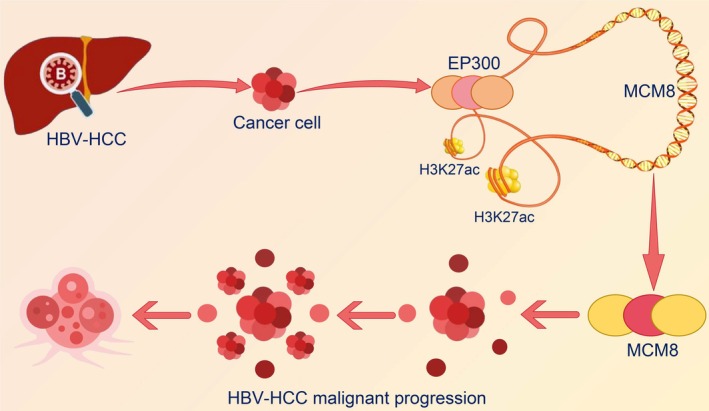 Figure 4
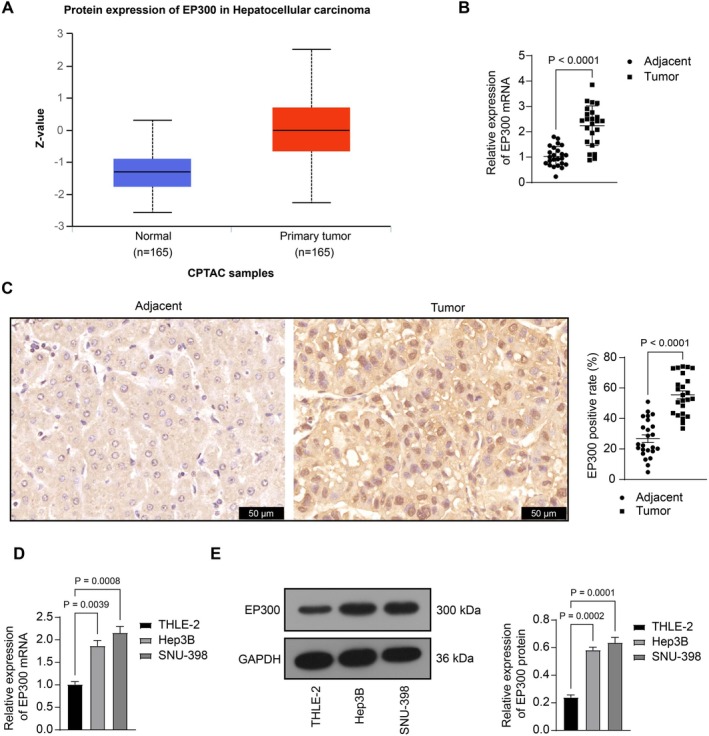 Figure 5
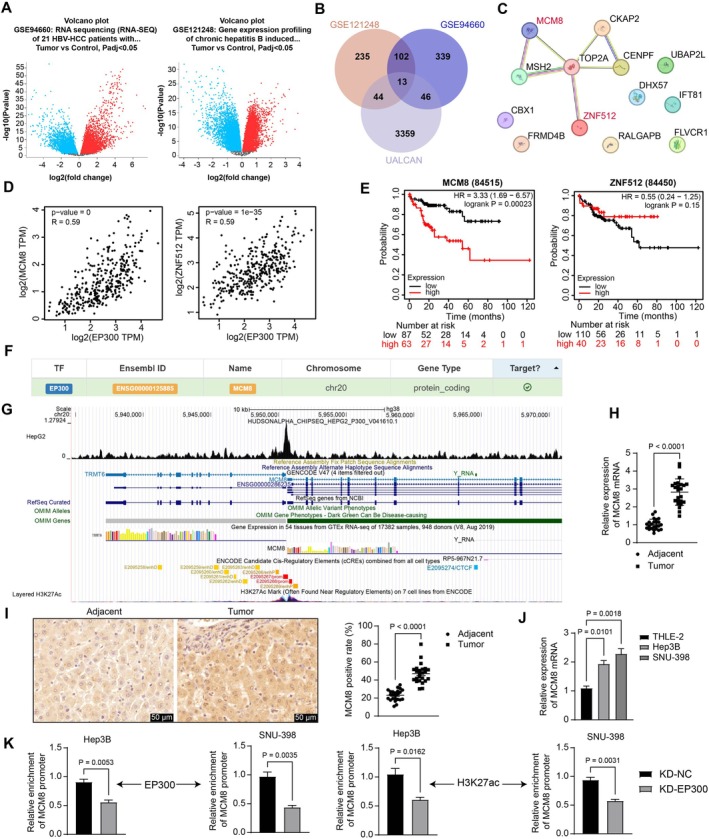 Figure 6
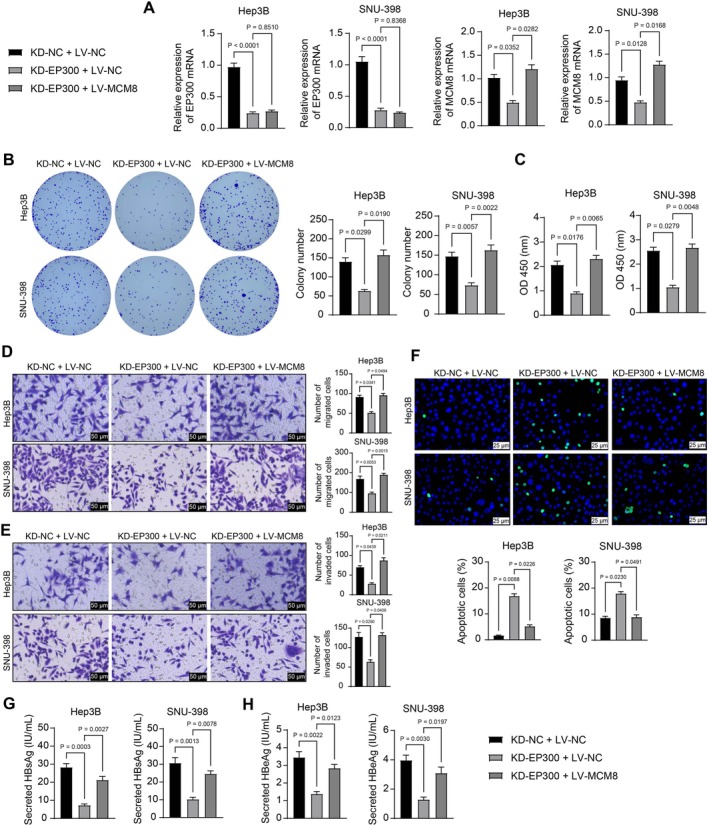 Figure 7
Peer Reviews
No public reviews on file for this paper yet. If you reviewed it on a platform where reviews are public (OpenReview, ICLR, NeurIPS, ICML), you can paste yours below so the community can read it here.
Videos
No videos yet. Explain this paper in a talk, walkthrough, or lecture? Add one.
Taxonomy
TopicsMicroRNA in disease regulation · DNA Repair Mechanisms · RNA modifications and cancer