Melatonin as a potential adjuvant to mitigate depakine‑induced testicular damage in rats through its biological features
Maggie E. Amer, Mohamed A. Dardoor, Azza I. Othman, Mohamed A. El-Missiry

TL;DR
Melatonin helps reduce testicular damage caused by the epilepsy drug Depakine in rats by reducing oxidative stress and inflammation.
Contribution
This study demonstrates melatonin's protective role against Depakine-induced testicular toxicity through its antioxidant and anti-inflammatory effects.
Findings
Melatonin improved testosterone levels and sperm quality in rats treated with Depakine.
The combination of melatonin and Depakine reduced oxidative stress and inflammation in testicular tissue.
Melatonin restored normal testicular structure and hematological parameters to levels similar to the control group.
Abstract
Depakine (valproic acid) is an antiepileptic medication that is commonly used as a first-line treatment for a variety of seizures in both adults and children. However, it can result in testicular toxicity by increasing oxidative stress inflammation. Melatonin (MLT) has antioxidant, anti-inflammatory, and anti-apoptotic potential. Therefore, the present study investigated the impact of MLT on depakine-induced testicular damage in rats. Four groups of male Wistar rats were formed, each of 5 animals: Group 1 was the control group; Group 2 was the MLT-treated group, receiving 20 mg MLT/kg BW; Group 3 was the depakine group, receiving 45 mg/kg; and Group 4 was the MLT + depakine treatment group, which received MLT and depakine for 14 days. Drug treatments were by gavage and daily. Coadministration of MLT and depakine significantly (P < 0.001) improved the levels of testosterone and the…
Genes, proteins, chemicals, diseases, species, mutations and cell lines named across the full text — each resolved to its canonical identifier and authoritative record.
Click any figure to enlarge with its caption.
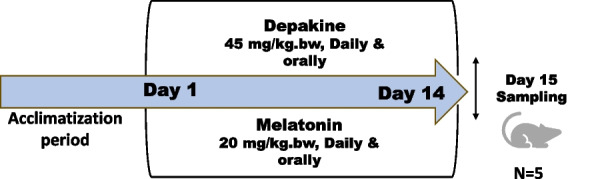 Figure 1
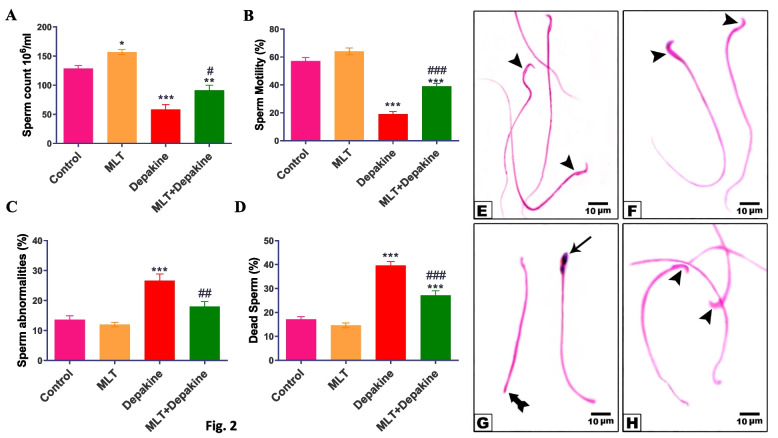 Figure 2
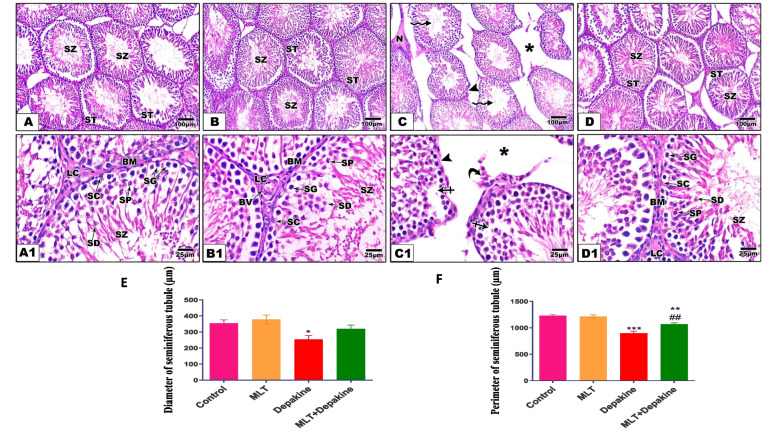 Figure 3
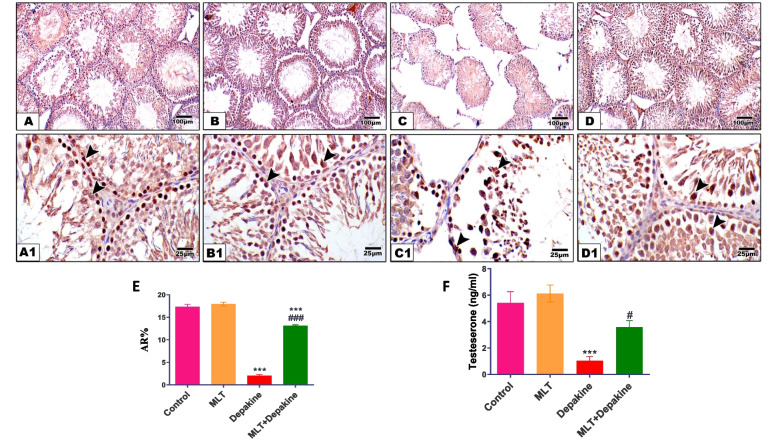 Figure 4
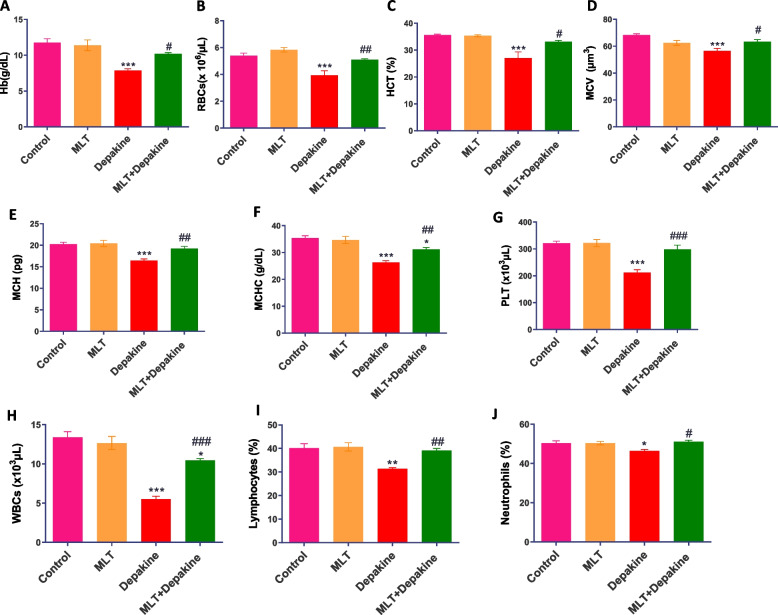 Figure 5
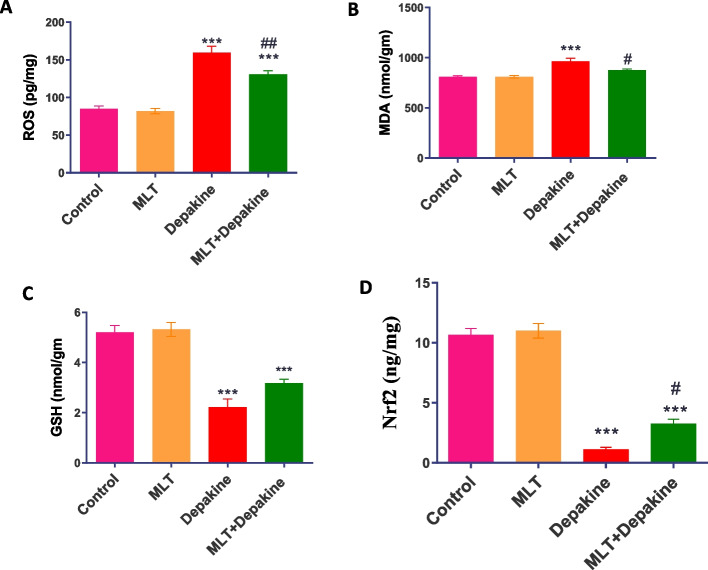 Figure 6
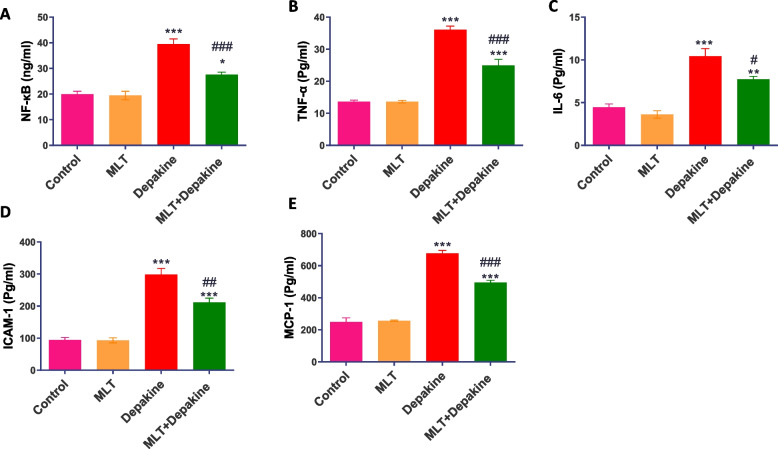 Figure 7
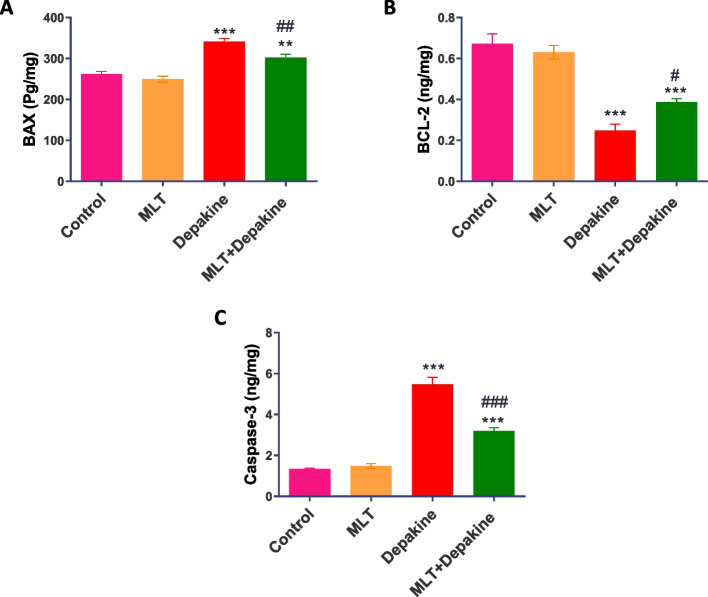 Figure 8
Peer Reviews
No public reviews on file for this paper yet. If you reviewed it on a platform where reviews are public (OpenReview, ICLR, NeurIPS, ICML), you can paste yours below so the community can read it here.
Videos
No videos yet. Explain this paper in a talk, walkthrough, or lecture? Add one.
Taxonomy
TopicsPharmacological Effects and Toxicity Studies · Sperm and Testicular Function · Urinary Bladder and Prostate Research