Neurally adjusted ventilatory assisted ventilation compared to pressure support during post-operative weaning of hepatic patients undergoing major abdominal surgeries: a randomized control trial
Eman Sayed Ibrahim, Hatem A. Attalah, Essam A. Eid, Rasha F. Elshoney, Amany A. Sultan

TL;DR
This study found that NAVA ventilation improves patient-ventilator synchronization and reduces mechanical ventilation time compared to PSV in post-operative hepatic patients.
Contribution
The study provides novel evidence that NAVA is superior to PSV in reducing asynchrony and improving outcomes in hepatic surgery patients.
Findings
NAVA had a significantly lower asynchrony index compared to PSV.
NAVA improved oxygenation and reduced the duration of mechanical ventilation.
Fewer NAVA patients required post-extubation CPAP and had lower sedation doses.
Abstract
Patient-ventilator asynchrony (PVA) is a discrepancy between the patient’s demands and the ventilator. Pressure support ventilation (PSV) is the most popular mode of partial ventilation. Neurally adjusted ventilatory assist (NAVA) tailors the level of assistance to the diaphragm’s electromyographic activity. We aimed to evaluate the PVA during NAVA versus PSV in hepatic patients undergoing Whipple operation. This study was a prospective, randomized, controlled double-blind trial. 120 adult Child-Pugh A and B hepatic patients of both sexes aged 18 to 65 years, undergoing Whipple operation, completed the study. We excluded severely debilitated patients and contraindications to the placement of the NAVA probe. 60 patients in the PSV (group) received PSV weaning mode, and 60 in the NAVA (group) received NAVA weaning mode. Outcome measures were asynchrony index, duration of mechanical…
Genes, proteins, chemicals, diseases, species, mutations and cell lines named across the full text — each resolved to its canonical identifier and authoritative record.
Click any figure to enlarge with its caption.
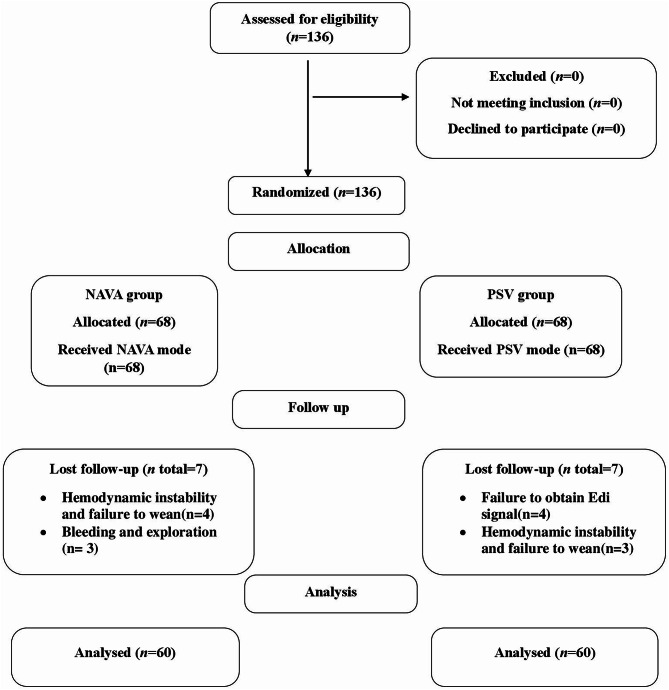 Figure 1
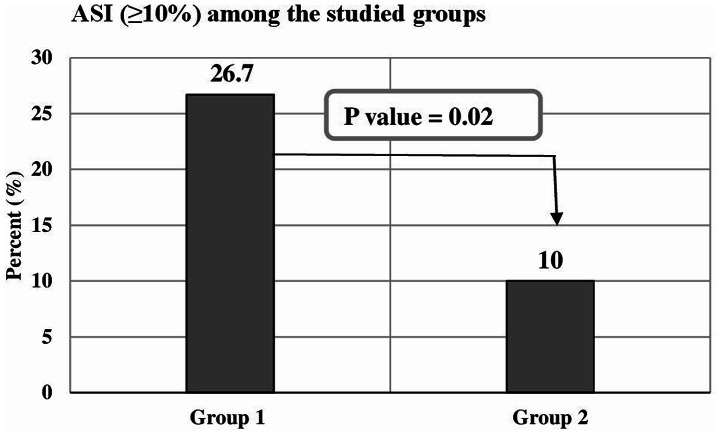 Figure 2
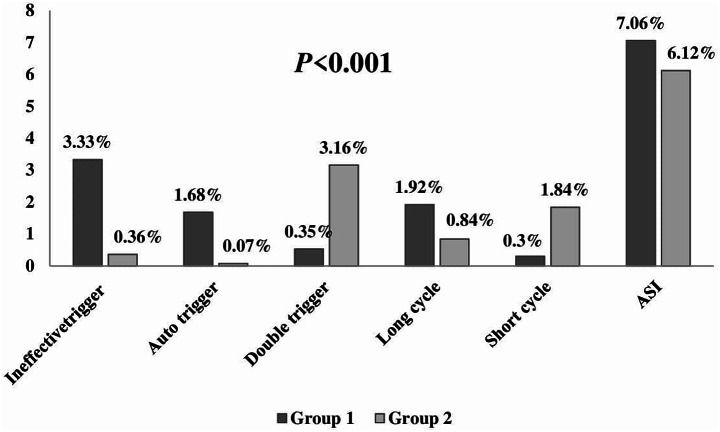 Figure 3
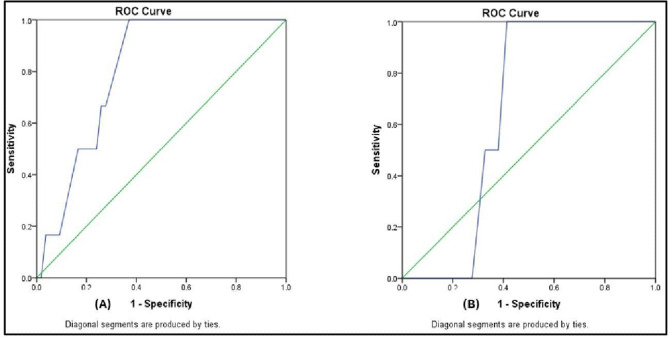 Figure 4
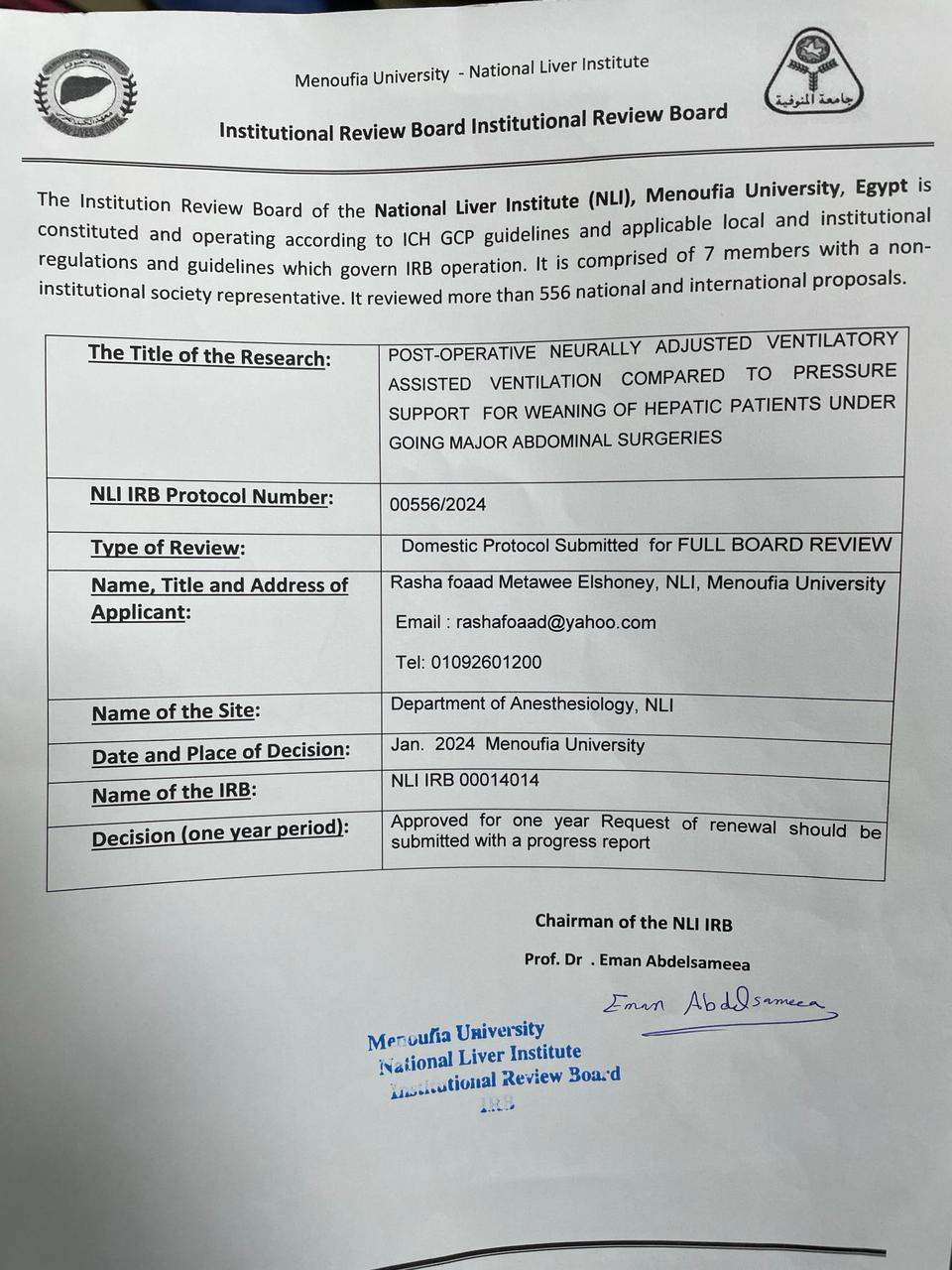 Figure 5
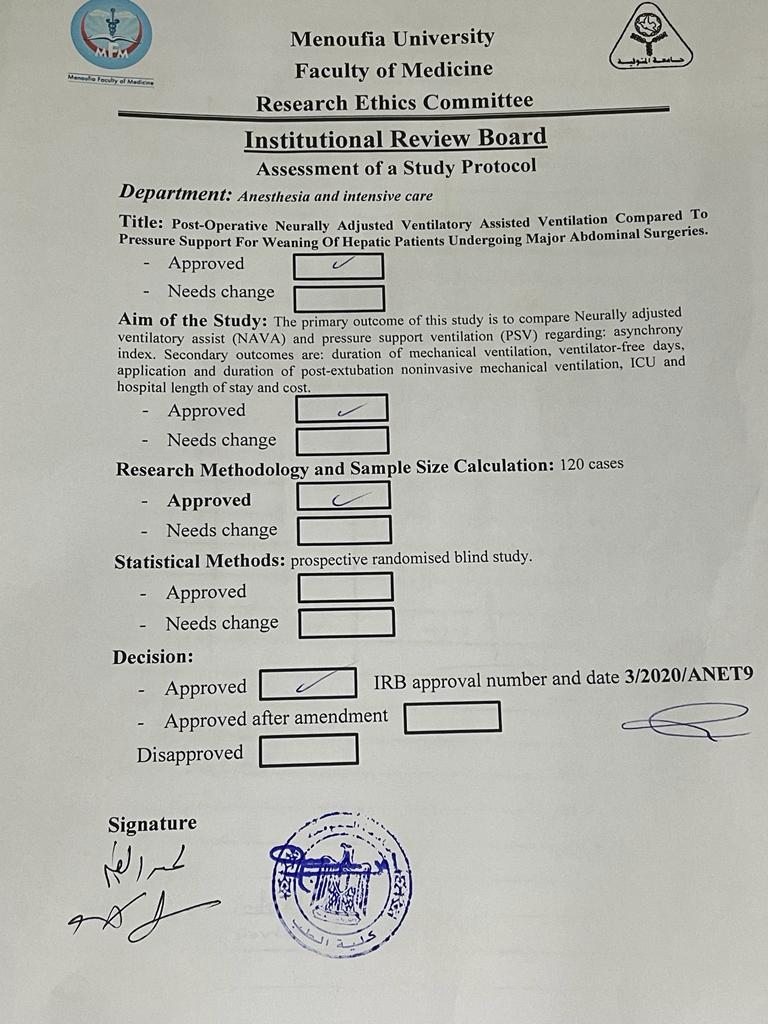 Figure 6
Peer Reviews
No public reviews on file for this paper yet. If you reviewed it on a platform where reviews are public (OpenReview, ICLR, NeurIPS, ICML), you can paste yours below so the community can read it here.
Videos
No videos yet. Explain this paper in a talk, walkthrough, or lecture? Add one.
Taxonomy
TopicsRespiratory Support and Mechanisms · Intensive Care Unit Cognitive Disorders · Family and Patient Care in Intensive Care Units