The human testis-specific protein Y-linked (TSPY) is a male-specific cancer-testis antigen capable of eliciting significant immune responses and elimination of positive tumor cells in hepatocellular carcinoma
Tatsuo Kido, Yun-Fai Chris Lau

TL;DR
The TSPY protein, found in testes and liver cancer, triggers strong immune responses early on but may later help cancer grow, making it a potential target for male-specific liver cancer treatments.
Contribution
TSPY is identified as a male-specific cancer-testis antigen that elicits immune responses and is a candidate for immunotherapies in hepatocellular carcinoma.
Findings
TSPY expression in a mouse model of HCC initially suppresses tumor growth but later promotes oncogenic progression.
TSPY elicits significant immune and inflammatory responses, leading to the elimination of positive tumor cells at early stages.
TSPY peptides form complexes with MHC-I molecules, triggering cytotoxic T cell responses and tumor cell killing.
Abstract
The testis-specific protein Y-linked (TSPY) is a male-specific cancer-testis antigen specifically expressed in germ cells of the testis under normal conditions and various cancers, particularly in hepatocellular carcinoma (HCC), under oncogenic conditions. It binds to cyclin B and exacerbates the cyclin B-CDK1 phosphorylation of factors important for mitotic/meiotic divisions. To determine if such TSPY proliferative actions could contribute to various male-biases in liver cancer, TSPY transgene was expressed in an oncogene-induced preclinical mouse model of HCC, using the hydrodynamic tail vein injection strategy. The results showed that TSPY expression suppressed tumor cell growth at early stage but could evolve to resume oncogenic progression at late stage in this mouse model. Transcriptome and bioinformatic analyses demonstrated that significant immune and inflammatory responses were…
Genes, proteins, chemicals, diseases, species, mutations and cell lines named across the full text — each resolved to its canonical identifier and authoritative record.
Click any figure to enlarge with its caption.
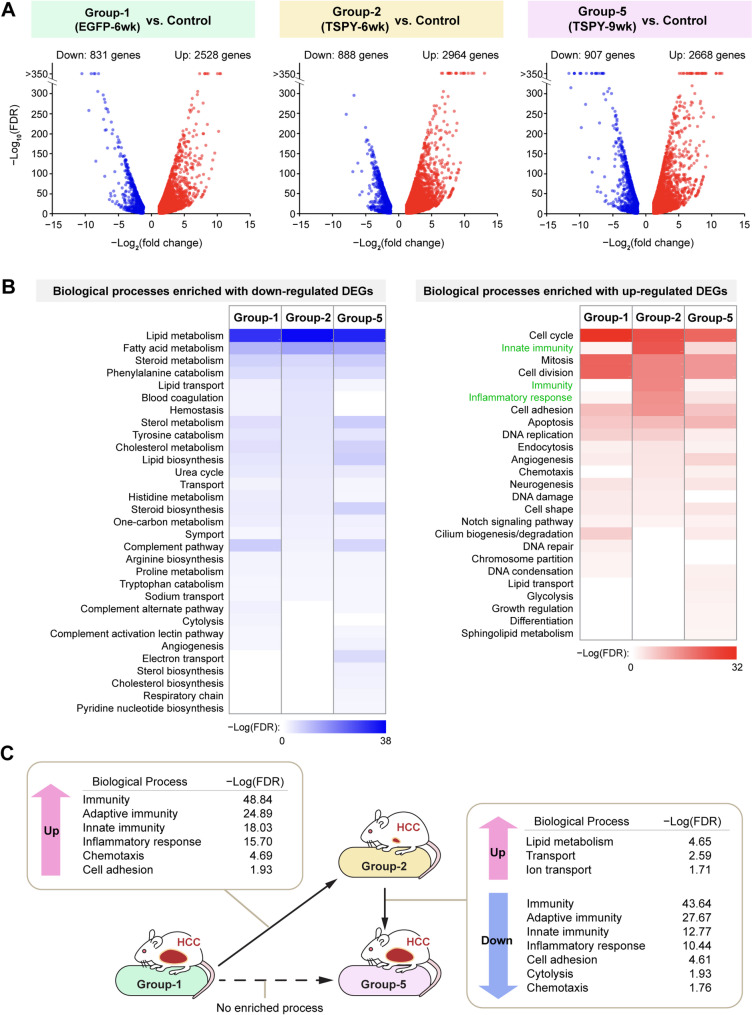 Figure 1
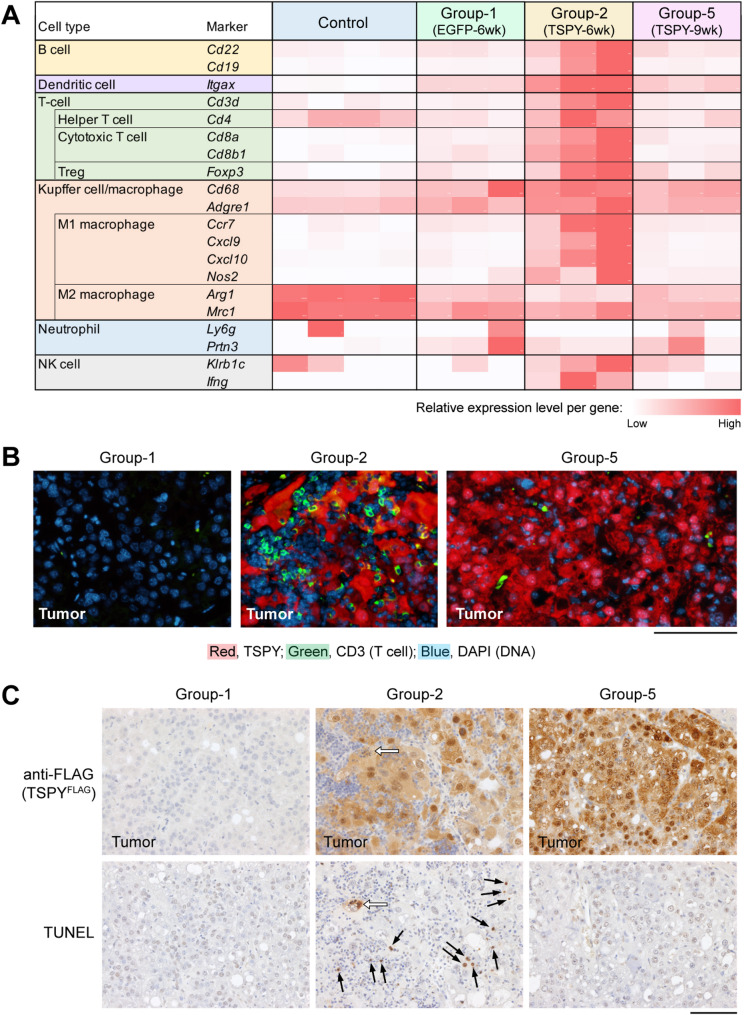 Figure 2
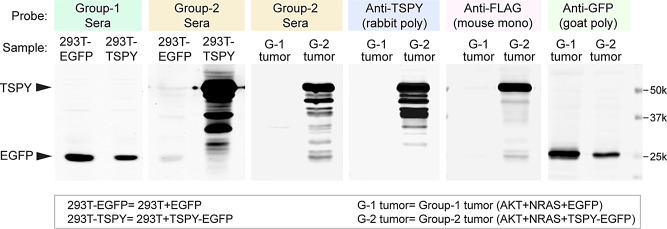 Figure 3
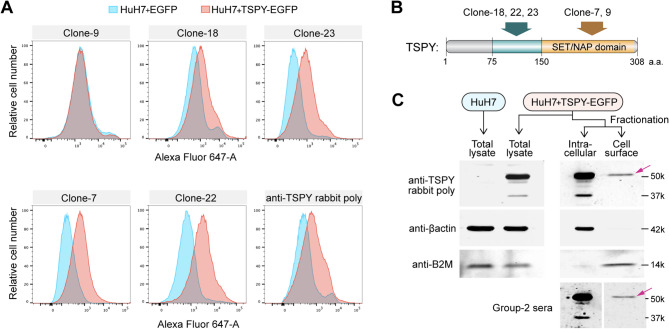 Figure 4
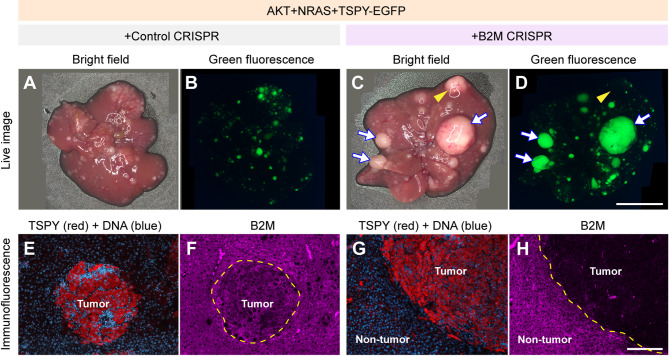 Figure 5
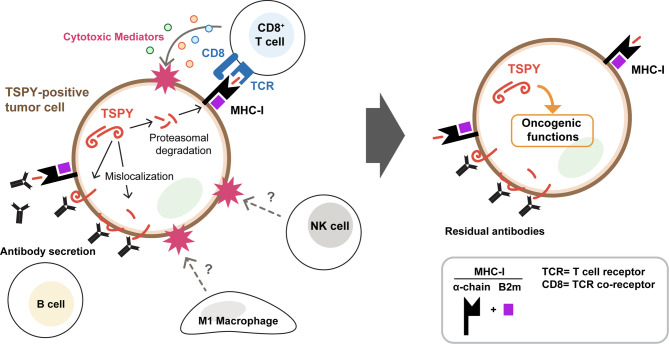 Figure 6
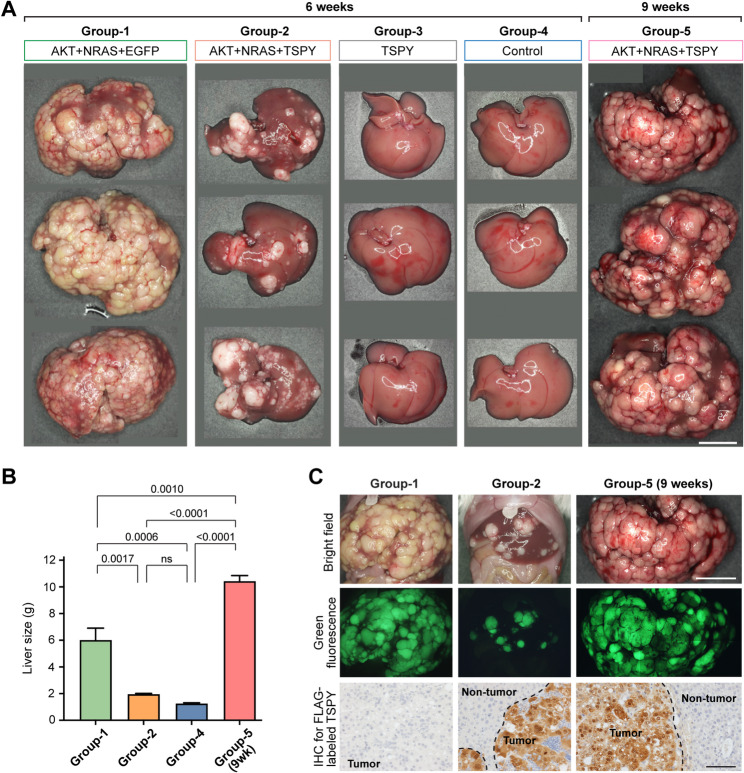 Figure 7
Peer Reviews
No public reviews on file for this paper yet. If you reviewed it on a platform where reviews are public (OpenReview, ICLR, NeurIPS, ICML), you can paste yours below so the community can read it here.
Videos
No videos yet. Explain this paper in a talk, walkthrough, or lecture? Add one.
Taxonomy
TopicsImmunotherapy and Immune Responses · RNA Interference and Gene Delivery · Glycosylation and Glycoproteins Research