Integrated transcriptome analysis and combinatorial machine learning to construct a homeostatic model of acetylation for ccRCC and validate the key gene GCNT4
Baohua Zhu, Ziyang Mo, Yi Bao, Xinxin Gan, Linhui Wang

TL;DR
This study uses transcriptome data and machine learning to build a model of acetylation in kidney cancer and identifies GCNT4 as a key gene linked to better patient outcomes.
Contribution
A novel acetylation homeostasis model for ccRCC is constructed using integrated transcriptome analysis and combinatorial machine learning, validating GCNT4 as a key gene.
Findings
84 acetylation-regulated genes were identified, with significant expression differences between tumor and normal tissues.
The LASSO + RSF model accurately predicted patient prognosis, with high-risk patients showing worse survival.
GCNT4 overexpression inhibited cancer cell proliferation and migration, possibly by regulating O-GlcNAc modification levels.
Abstract
Clear cell renal cell carcinoma (ccRCC) is one of the most common malignant tumors of the urinary system. Protein acetylation plays a key role in regulating cellular processes and cancer signaling pathways. This study explores the potential biological mechanisms of ccRCC from the perspective of acetylation. This study obtained RNA-seq data and clinical information of ccRCC from TCGA and ICGC, and single-cell RNA sequencing datasets from the GEO database. Ten machine learning algorithms and their 101 combinations were used to analyze the prognostic significance of acetylation-related differentially expressed genes (DEGs) and to construct a prognostic risk model. GSEA was used to analyze the enrichment of different signaling pathways in high-risk and low-risk groups, and the correlation between immune infiltration and risk scores was assessed. Finally, the function of the key gene GCNT4…
Genes, proteins, chemicals, diseases, species, mutations and cell lines named across the full text — each resolved to its canonical identifier and authoritative record.
Click any figure to enlarge with its caption.
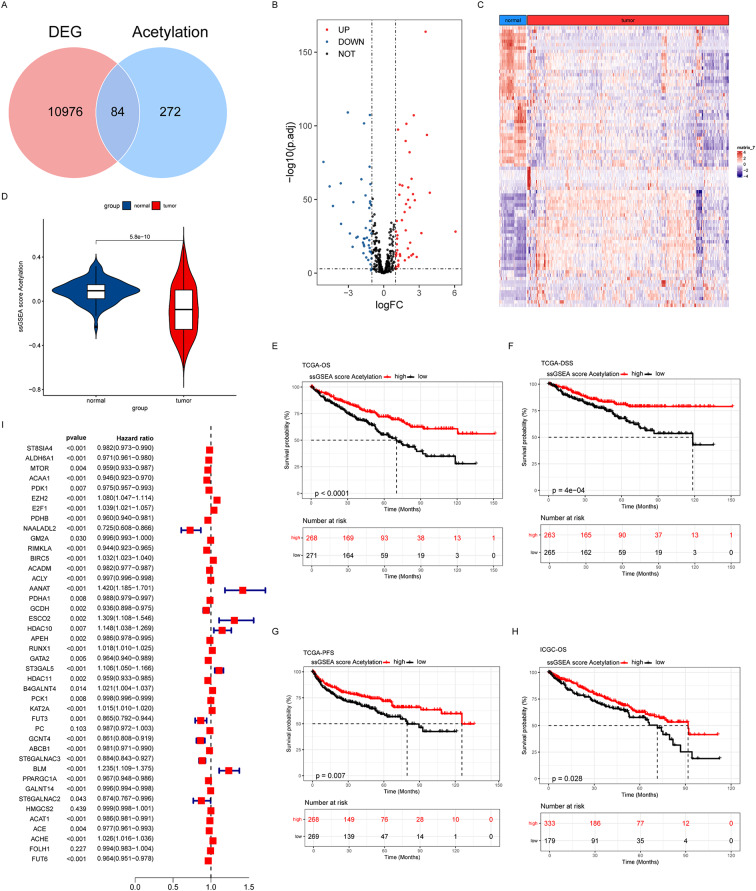 Figure 1
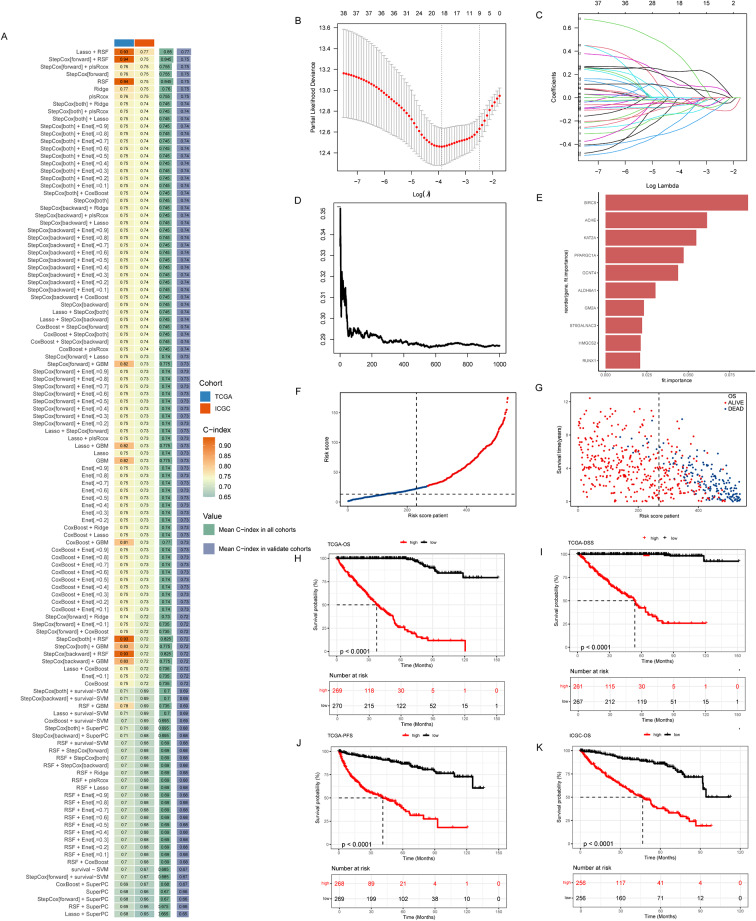 Figure 2
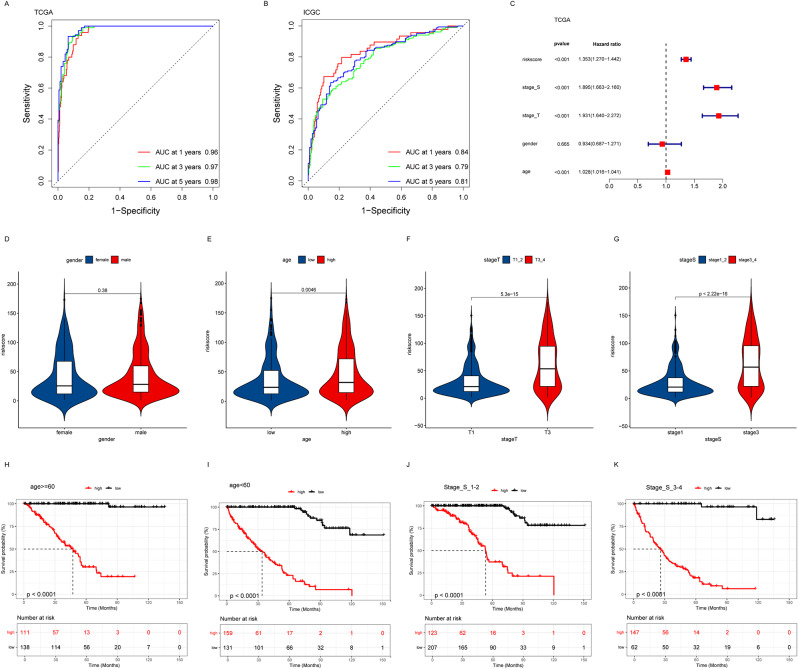 Figure 3
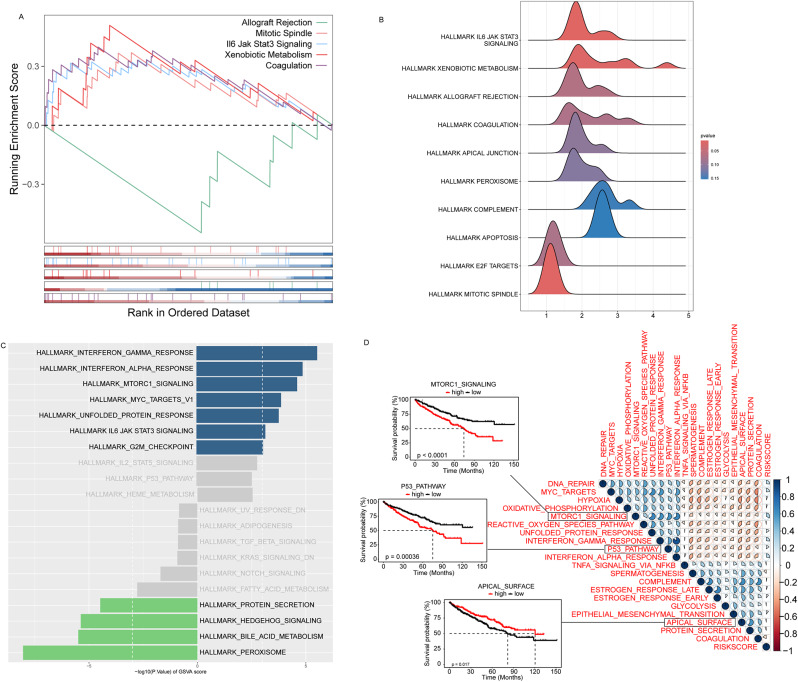 Figure 4
 Figure 5
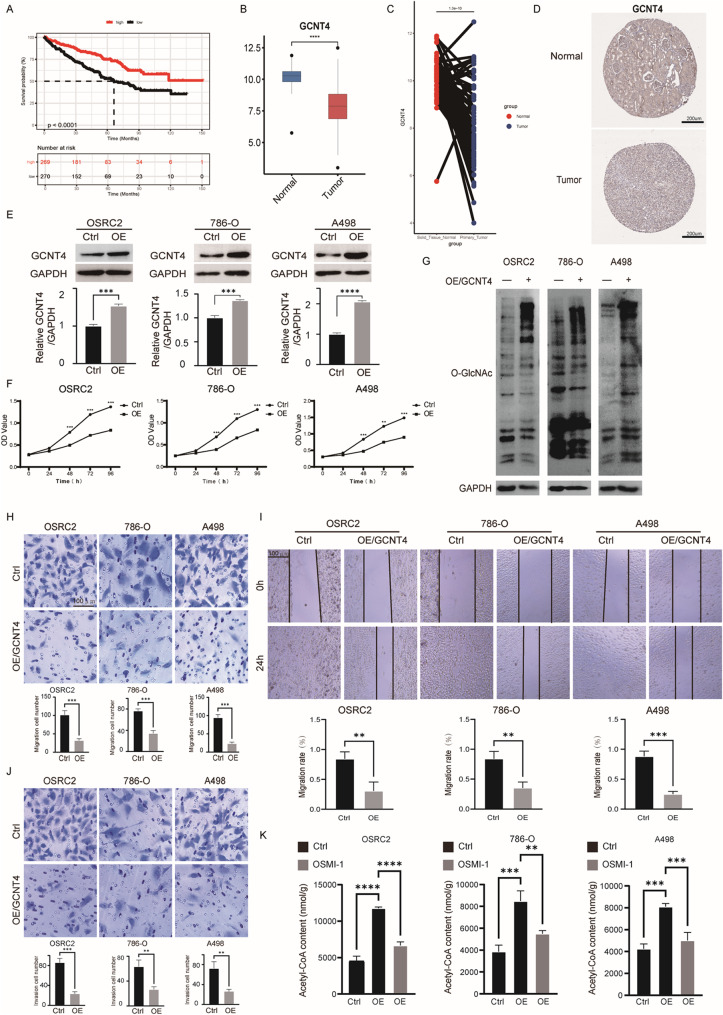 Figure 6
 Figure 7
Peer Reviews
No public reviews on file for this paper yet. If you reviewed it on a platform where reviews are public (OpenReview, ICLR, NeurIPS, ICML), you can paste yours below so the community can read it here.
Videos
No videos yet. Explain this paper in a talk, walkthrough, or lecture? Add one.
Taxonomy
TopicsFerroptosis and cancer prognosis · RNA modifications and cancer · Cancer, Lipids, and Metabolism