Leucine‐Rich Repeat‐Containing G Protein‐Coupled Receptor 6 Ameliorates Pressure Overload‐Induced Cardiac Hypertrophy by Regulating Cardiomyocyte Metabolic Reprogramming
Mengmeng Zhao, Jianfang Liu, Shanshan Peng, Zihui Zheng, Siqi Liu, Jun Wan, Yao Xu, Menglong Wang

TL;DR
This study shows that Lgr6 helps reduce heart enlargement caused by pressure overload by regulating heart cell metabolism.
Contribution
The study reveals a novel mechanism by which Lgr6 regulates cardiac hypertrophy through the USP4-PPARα pathway.
Findings
Lgr6 deficiency worsens, while overexpression reduces, pressure-induced heart enlargement.
Lgr6 activates the cGMP/PKG/CREB1 pathway to regulate USP4 and PPARα expression.
Targeting Lgr6 may offer a new therapeutic approach for pathological cardiac hypertrophy.
Abstract
Metabolic reprogramming is a pivotal mechanism in the pathogenesis of pathological cardiac hypertrophy. Leucine‐rich repeat‐containing G protein‐coupled receptor 6 (Lgr6) has emerged as a significant player in cardiovascular diseases. In this study, the potential of Lgr6 to counteract pressure overload (PO)‐induced cardiac hypertrophy is investigated, and the underlying mechanisms involved are elucidated. Transverse aortic constriction (TAC) is induced to establish an in vivo cardiac hypertrophy model. Adeno‐associated virus 9 and adenovirus vectors are utilized to knock down and overexpress Lgr6 in cardiomyocytes, respectively. The effects of Lgr6 and its downstream molecules are subsequently determined using RNA sequencing and chromatin immunoprecipitation. Significant downregulation of Lgr6 expression is observed in the heart after TAC and in cardiomyocytes treated with…
Genes, proteins, chemicals, diseases, species, mutations and cell lines named across the full text — each resolved to its canonical identifier and authoritative record.
Click any figure to enlarge with its caption.
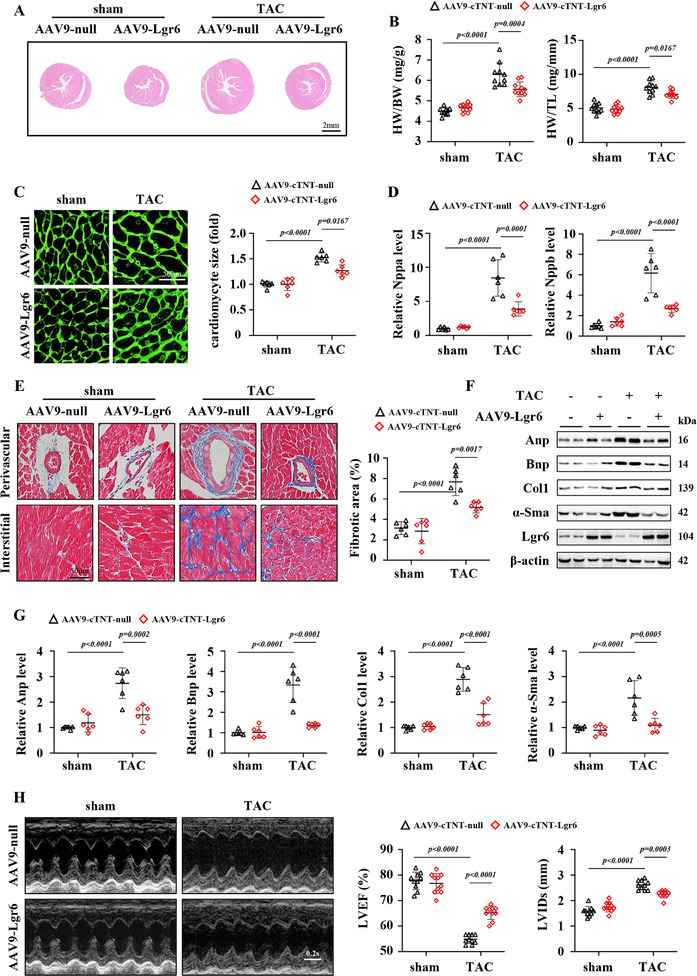 Figure 1
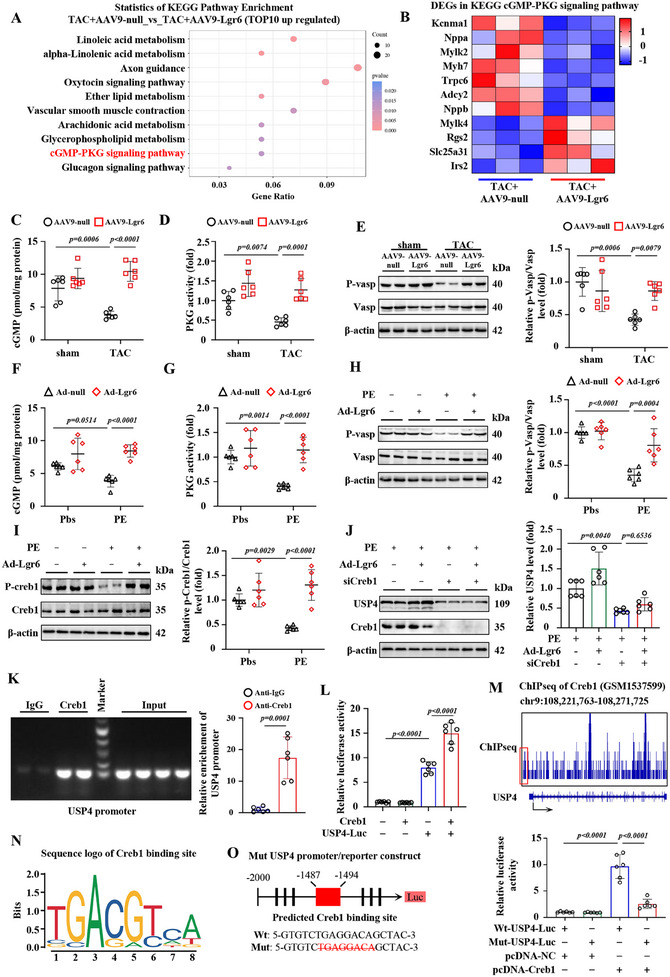 Figure 2
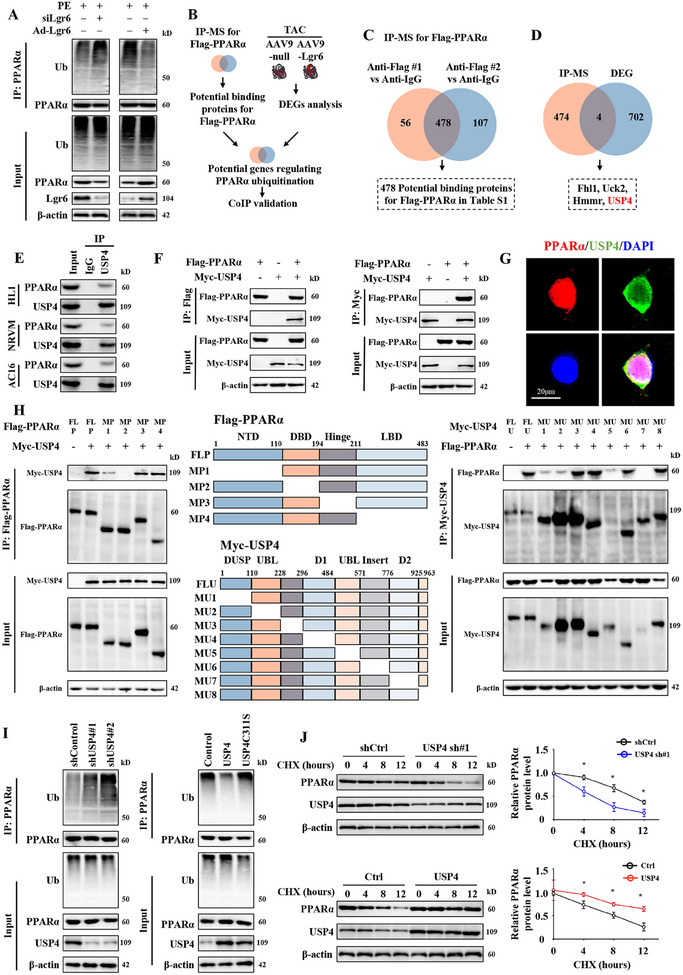 Figure 3
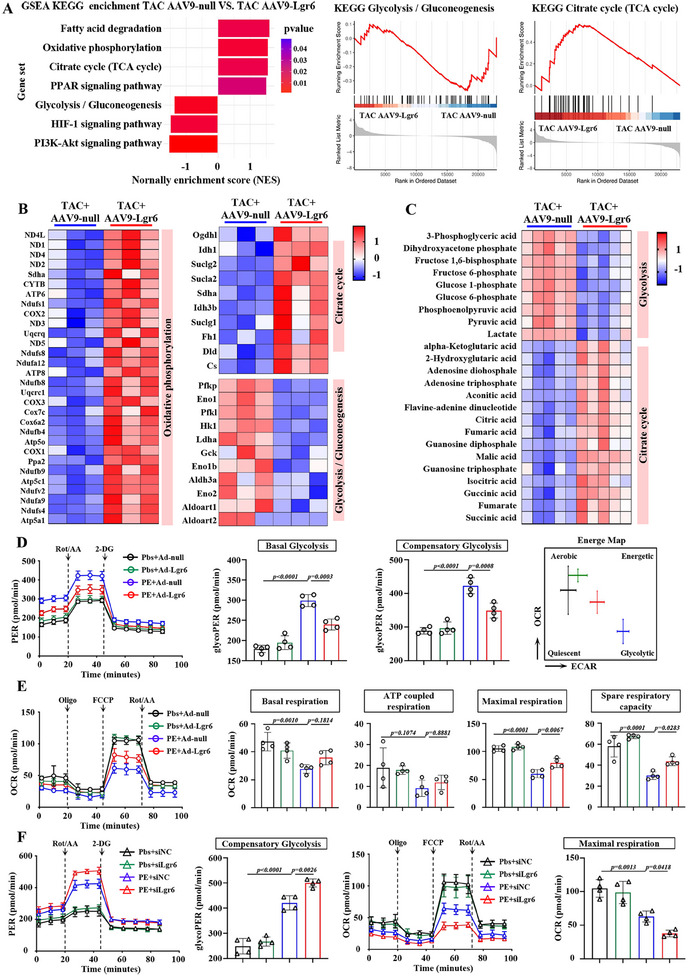 Figure 4
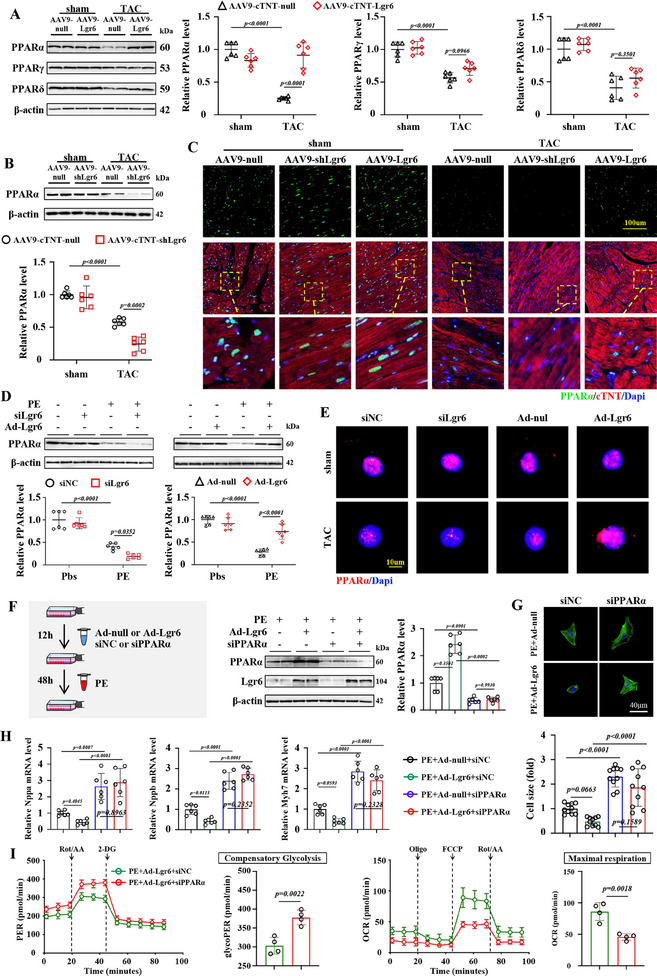 Figure 5
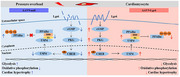 Figure 6
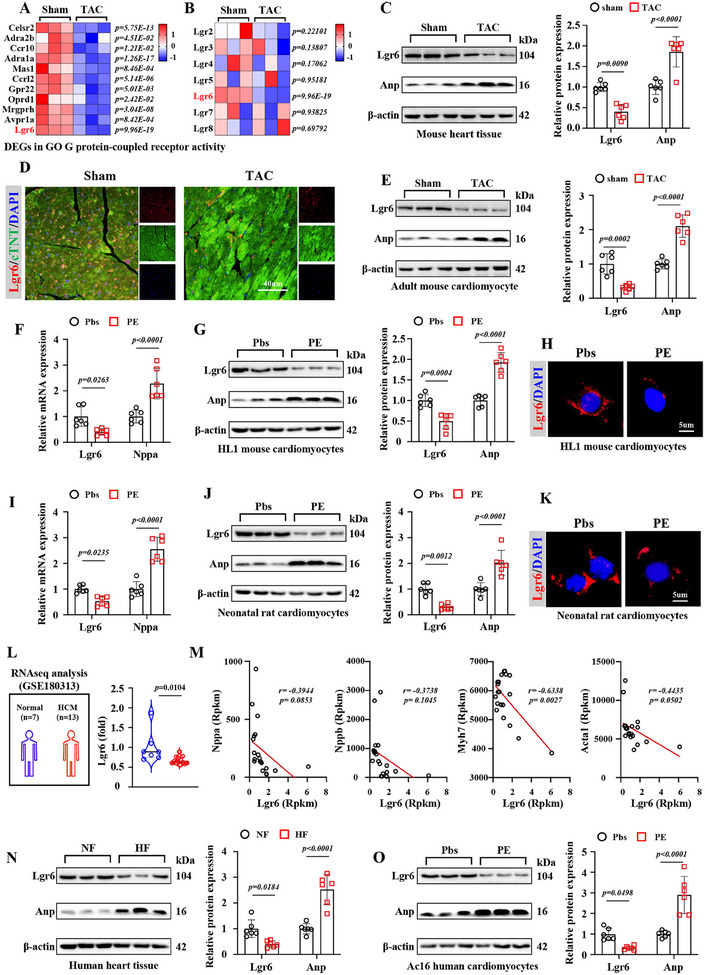 Figure 7
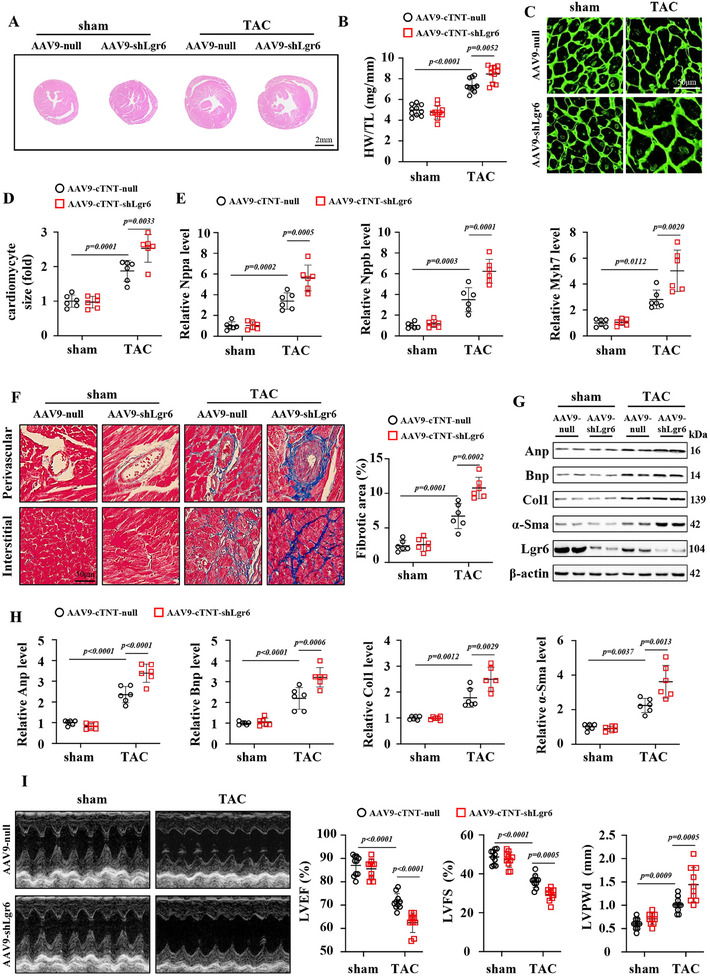 Figure 8
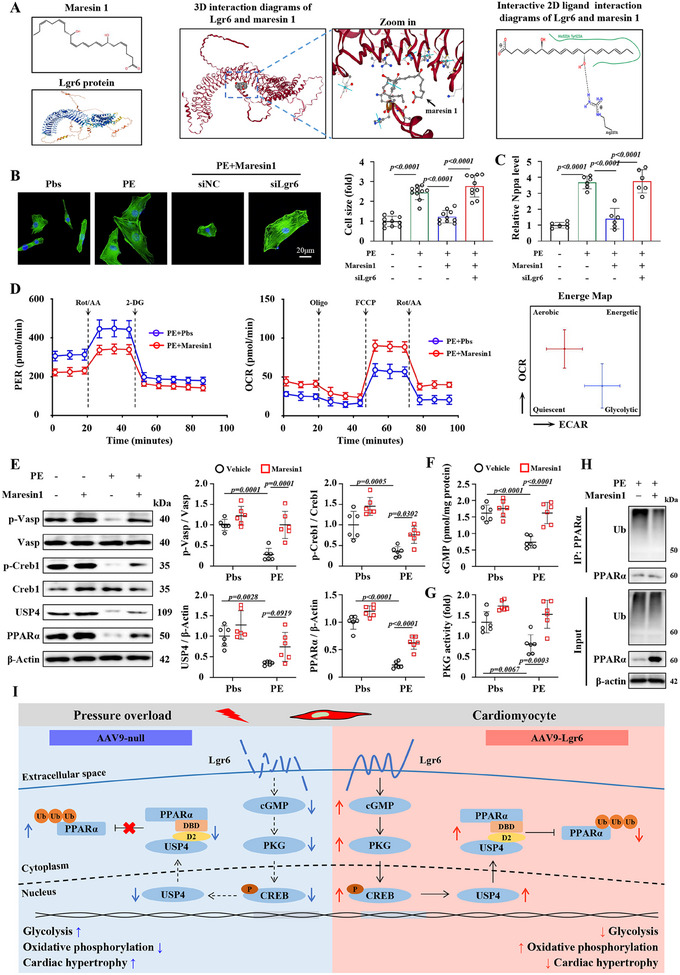 Figure 9
Peer Reviews
No public reviews on file for this paper yet. If you reviewed it on a platform where reviews are public (OpenReview, ICLR, NeurIPS, ICML), you can paste yours below so the community can read it here.
Videos
No videos yet. Explain this paper in a talk, walkthrough, or lecture? Add one.
Taxonomy
TopicsReceptor Mechanisms and Signaling · Fuel Cells and Related Materials · Signaling Pathways in Disease