Identification of robust and abundant reference transcripts for EV mRNA cargo normalization
Antje M. Zickler, Radosław Grochowski, André Görgens, Erik Bäcklin, Maximilian Kordes, J.-Matthias Löhr, Joel Z. Nordin, Samir EL Andaloussi, Daniel W. Hagey

TL;DR
This study identifies five mRNA transcripts that can be used as reliable reference genes for normalizing mRNA levels in extracellular vesicles, helping standardize EV research.
Contribution
The study identifies five consistently abundant and stable reference transcripts across diverse EV sources for normalization in EV mRNA analysis.
Findings
Eleven shared transcripts were identified among the top 50 most abundant in EVs from twelve cell sources.
Five transcripts (TMSB4X, ACTB, GAPDH, VIM, and FTL) were validated as stable reference genes using RT-qPCR and sequencing.
The reference transcripts were confirmed to associate with EVs and showed applicability in biomarker studies across multiple biofluids.
Abstract
Extracellular vesicles (EVs) have been investigated intensively because of their potential as biomarkers of disease and their versatility as bioengineered therapeutic nanoparticles. EVs carry diverse biomolecular cargo, but absolute quantification has been challenging due to a lack of established molecular standards. Reliable identification of these has proven difficult owing to a scarcity of standardized global data sets spanning the heterogeneity of EV subtypes and cell sources. To identify reference messenger RNA (mRNA) transcripts, we analyze oligo-dT primed RNA-sequencing data from EVs originating from twelve different cell sources isolated using differential centrifugation followed by ultrafiltration. We identify 11 transcripts that are shared amongst the 50 most abundant in EVs from all of these cell sources. Following RT-PCR and deeper sequencing analysis, five transcripts…
Genes, proteins, chemicals, diseases, species, mutations and cell lines named across the full text — each resolved to its canonical identifier and authoritative record.
Click any figure to enlarge with its caption.
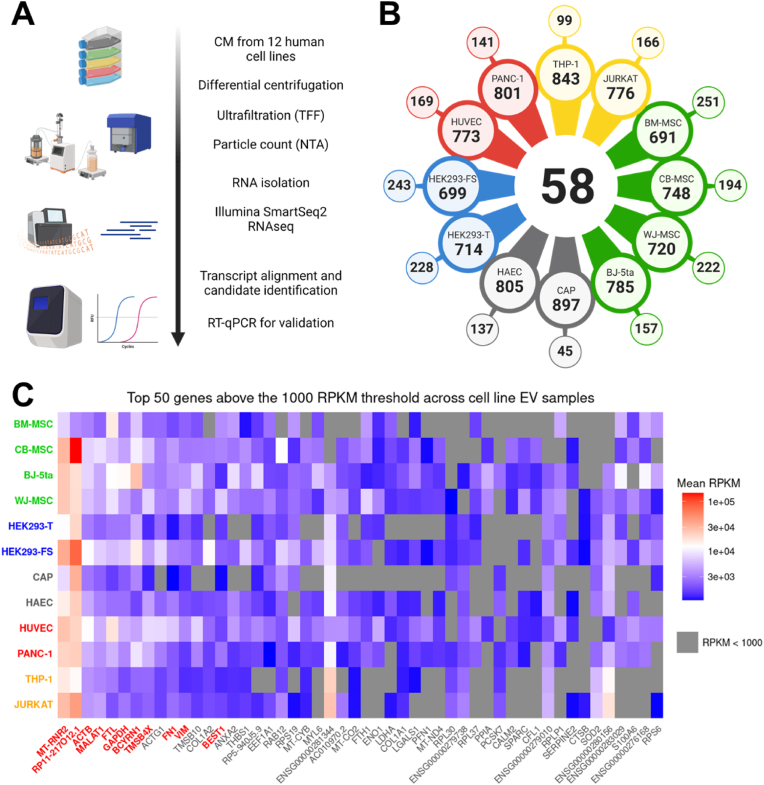 Figure 1
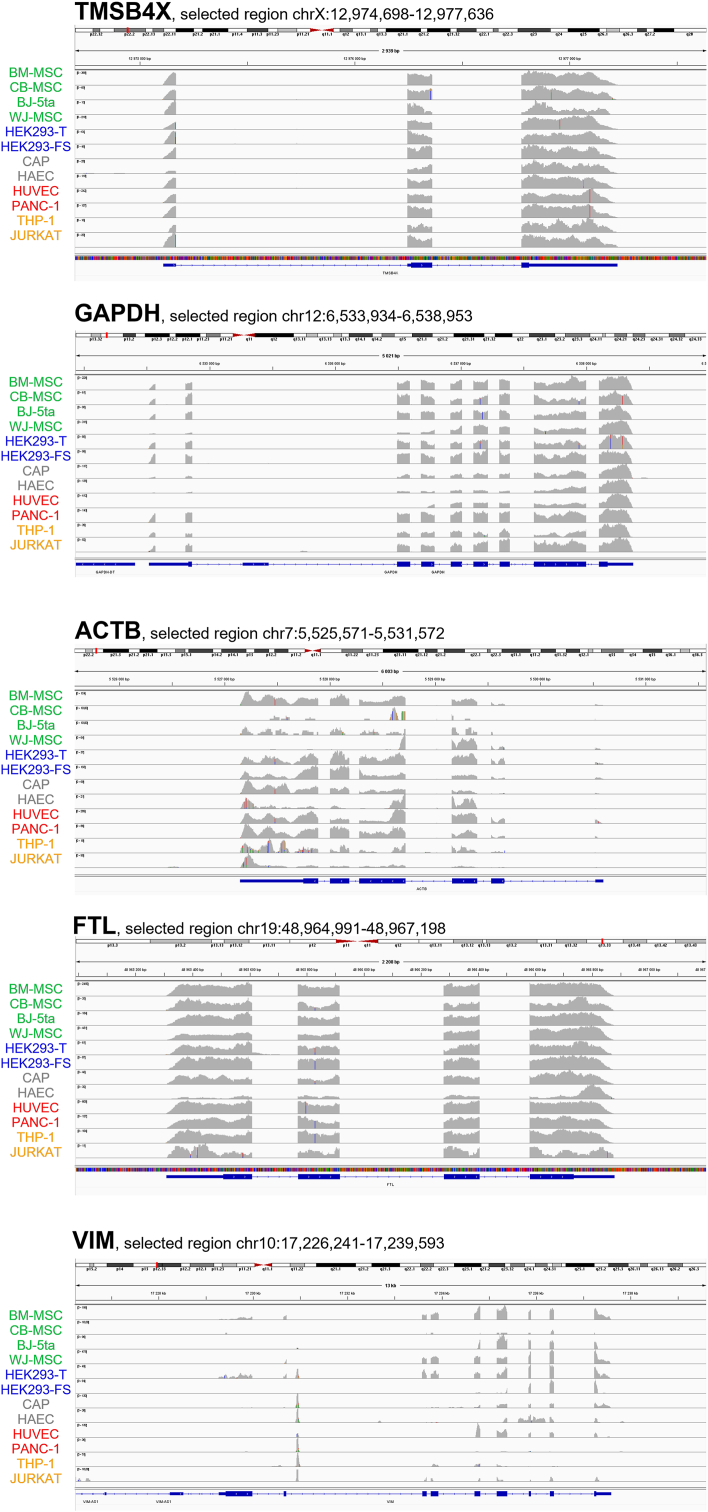 Figure 2
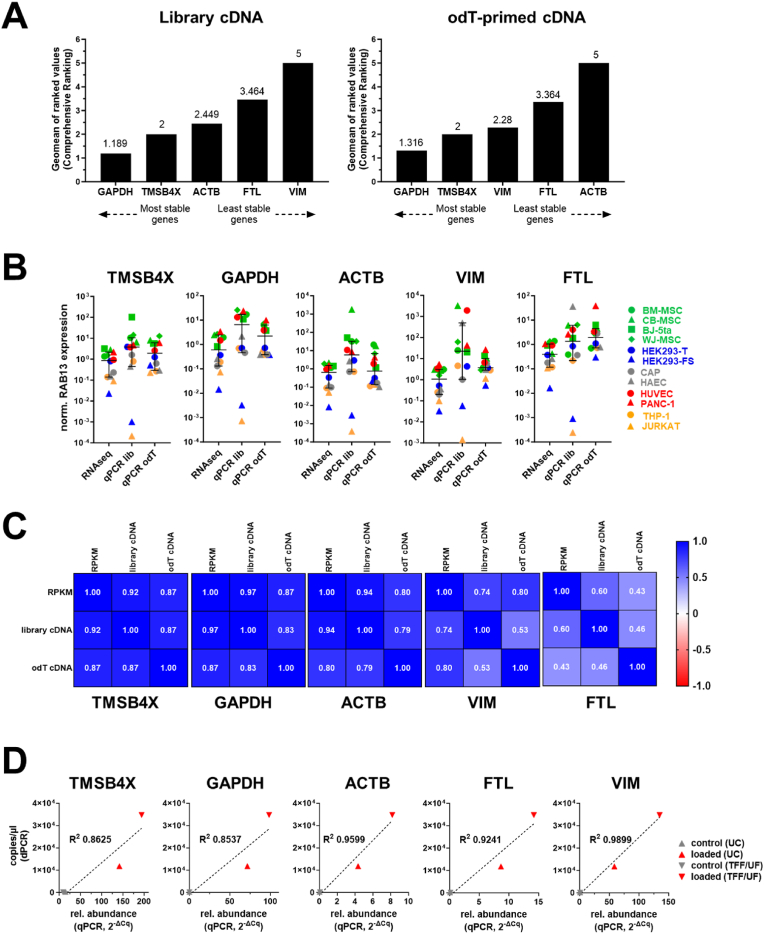 Figure 3
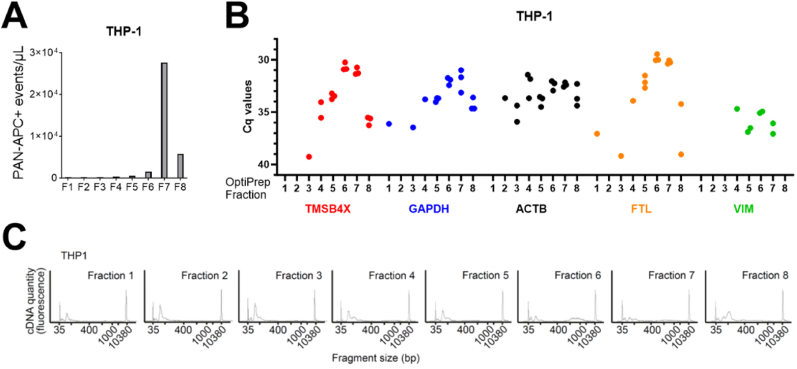 Figure 4
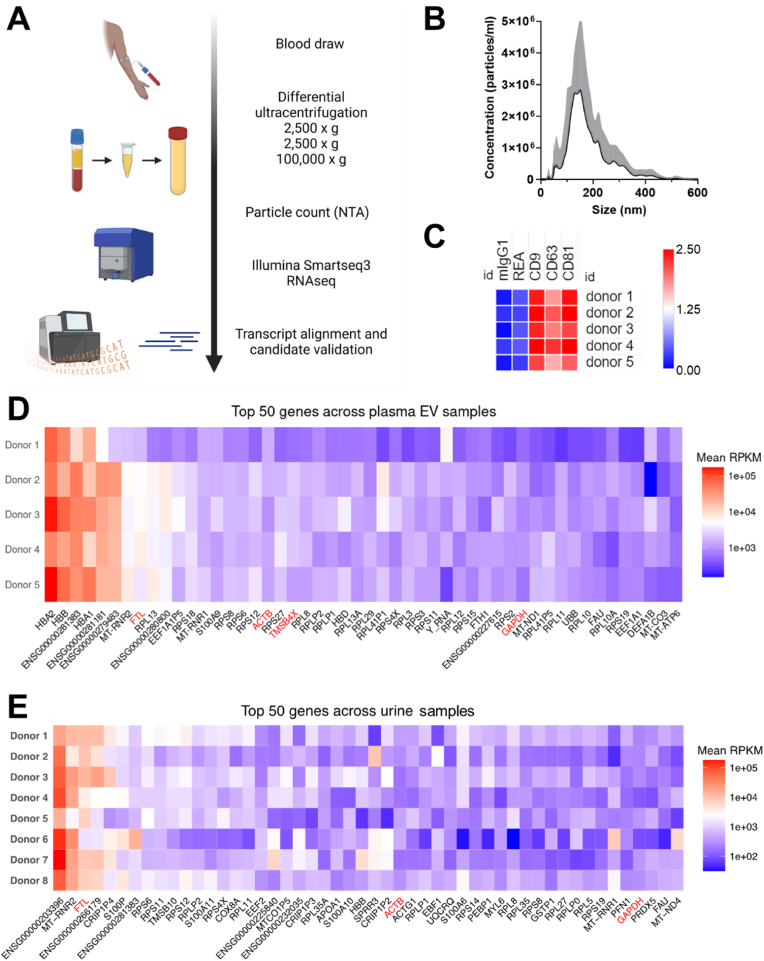 Figure 5
Peer Reviews
No public reviews on file for this paper yet. If you reviewed it on a platform where reviews are public (OpenReview, ICLR, NeurIPS, ICML), you can paste yours below so the community can read it here.
Videos
No videos yet. Explain this paper in a talk, walkthrough, or lecture? Add one.
Taxonomy
TopicsMolecular Biology Techniques and Applications · RNA modifications and cancer · RNA Research and Splicing