A Colorimetric Approach for Detecting a Selected Fecal Cortisol Metabolite as a Stress Biomarker in Atlantic Salmon
Ernestine Fanjara, Reidar Arneberg, Olav M. Kvalheim, Yanran Cao, Grete K. F. H. Aas, Vera Kristinova, Asgeir Sæbø, Anne Stene

TL;DR
This study develops a quick and affordable colorimetric test to detect a stress-related cortisol metabolite in Atlantic salmon feces for on-site aquaculture use.
Contribution
A novel colorimetric UV–vis spectrophotometric assay for detecting fecal tetrahydrocortisone in Atlantic salmon is developed and optimized.
Findings
Baseline levels of 5β-THE in nonstressed salmon feces were consistently low (average 533.81 ± 66.7 ng/g).
The developed colorimetric assay showed excellent linearity (R² = 0.997) and detection limits around 400 ng/mL.
5β-THE concentrations in raw fecal samples exceeded the detection threshold, suggesting feasibility for on-site stress assessment.
Abstract
Atlantic salmon (Salmo salar) is a key aquaculture species in Norway, where maintaining optimal welfare and minimizing stress are crucial for sustainable production. Cortisol and its metabolites are widely recognized as reliable biomarkers for fish stress assessment. Although traditional cortisol measurement methods are effective, they typically require complex, labor-intensive laboratory procedures, limiting their feasibility for on-site aquaculture use. Conversely, colorimetry-based ultraviolet–visible (UV–vis) spectrophotometry presents a rapid and cost-effective alternative, yet its application for monitoring stress in fish remains underexplored. Therefore, this study aimed to develop a simple, rapid, and cost-effective colorimetric assay for detecting fecal tetrahydrocortisone (5β-THE), the predominant cortisol metabolite in Atlantic salmon feces, following the establishment of its…
Genes, proteins, chemicals, diseases, species, mutations and cell lines named across the full text — each resolved to its canonical identifier and authoritative record.
Click any figure to enlarge with its caption.
 Figure 1
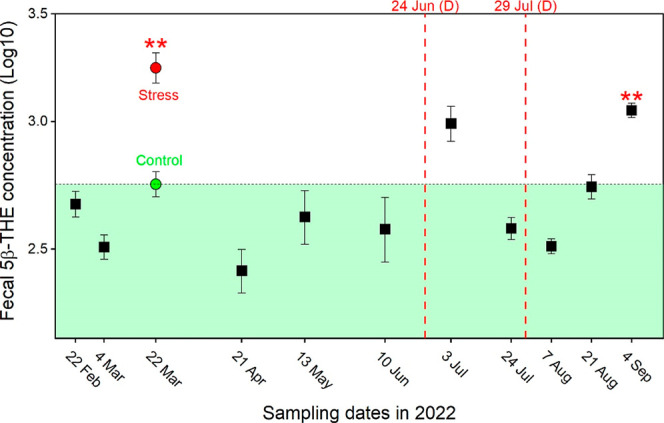 Figure 2
 Figure 3
 Figure 4
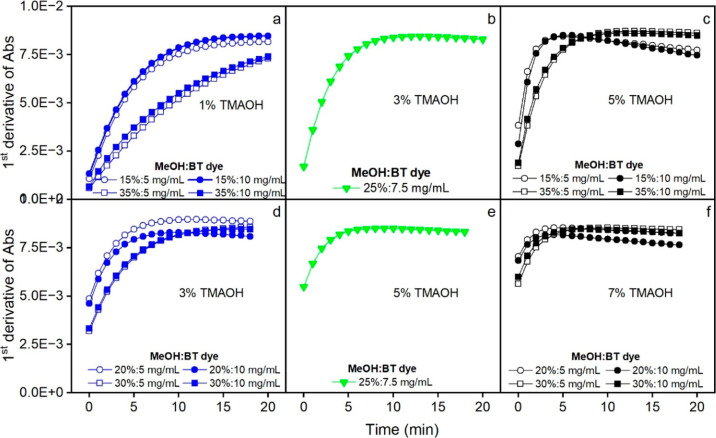 Figure 5
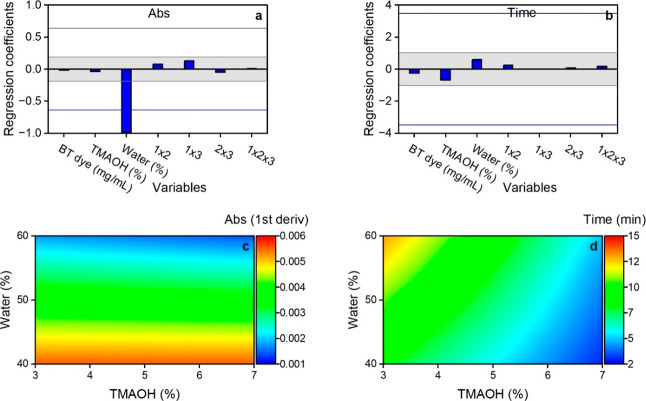 Figure 6
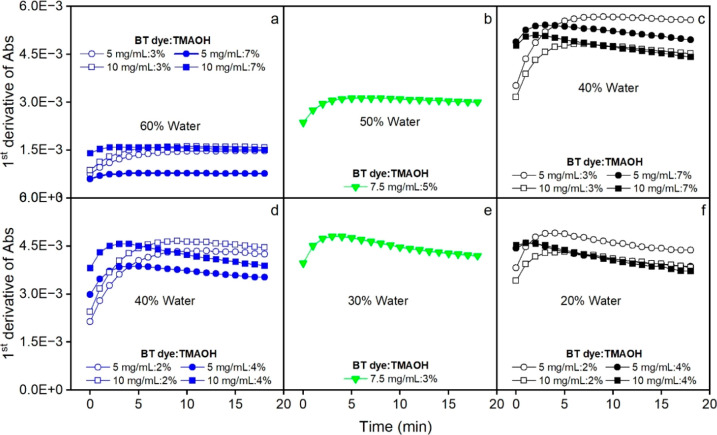 Figure 7
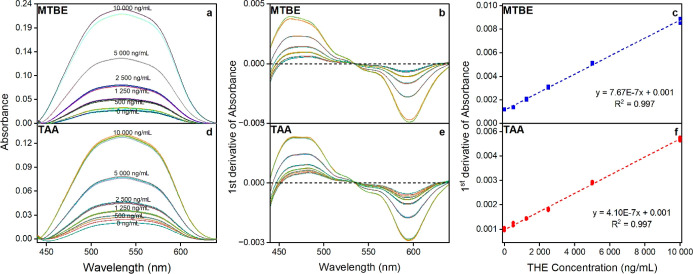 Figure 8
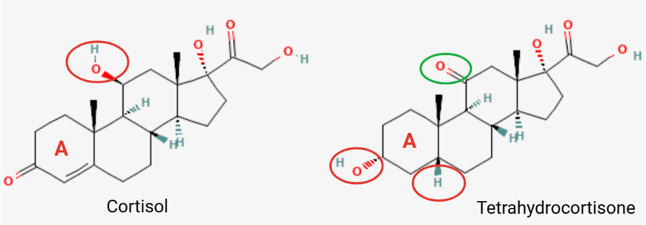 Figure 9
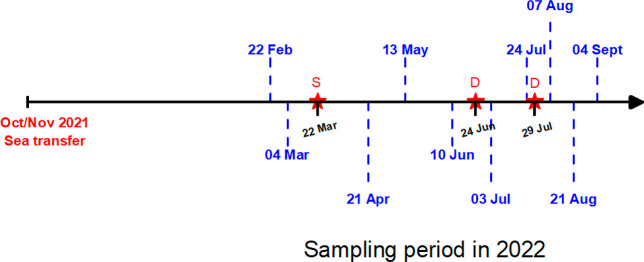 Figure 10
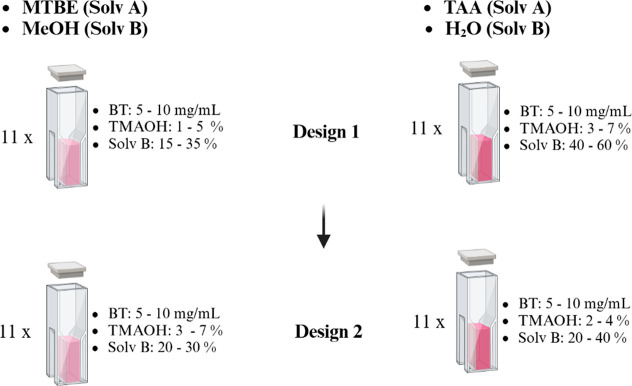 Figure 11
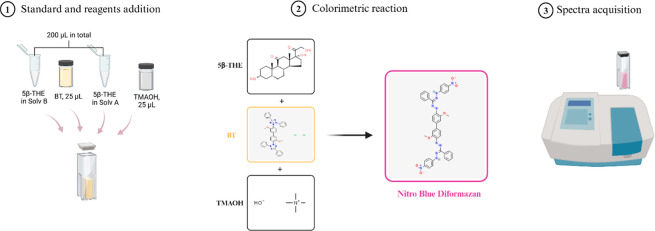 Figure 12
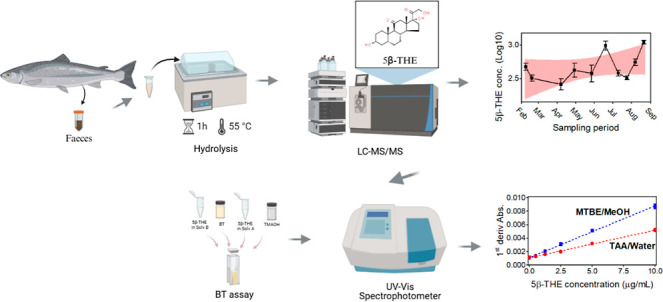 Figure 13
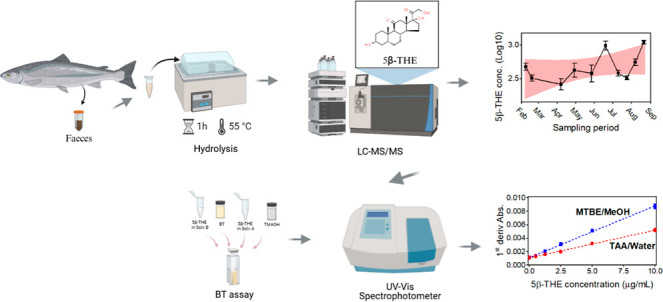 Figure 14
Peer Reviews
No public reviews on file for this paper yet. If you reviewed it on a platform where reviews are public (OpenReview, ICLR, NeurIPS, ICML), you can paste yours below so the community can read it here.
Videos
No videos yet. Explain this paper in a talk, walkthrough, or lecture? Add one.
Taxonomy
TopicsAquaculture disease management and microbiota · Aquaculture Nutrition and Growth · Physiological and biochemical adaptations