Respiratory Distress: An Escape Room Simulation Case for Pediatric Care Providers
Karen Dermer, Sean O'Connor, Thomas Marchhart, Caitlin Keane-Bisconti, Rahul S Panesar

TL;DR
This paper introduces an escape room simulation to teach pediatric resuscitation skills, showing it improves learning and engagement.
Contribution
The novel use of escape room simulations to teach pediatric BLS and PALS concepts has not been previously explored in depth.
Findings
Escape room simulations improved participants' medical knowledge and communication skills.
Participants found the simulation more engaging than traditional mock codes.
The simulation provided a supportive and valuable learning environment.
Abstract
Escape room simulation has been proven to be an effective educational tool in adult medicine, but research on its use in pediatrics is lacking. Both escape room simulation and pediatric resuscitation require effective communication and critical thinking. Merging these two concepts can provide a novel way to teach trainees. We designed an escape room case to teach concepts of basic life support (BLS) and pediatric advanced life support (PALS) using a common pediatric presentation of respiratory distress leading to respiratory failure. Learners were required to use the skills and concepts from BLS and PALS as well as hospital resources to solve puzzles in the escape room. These puzzles were reflective of the team’s ability to recognize and treat the patient’s condition. In order to successfully escape the room, all puzzles needed to be solved in a timely manner. Learners were then…
Genes, proteins, chemicals, diseases, species, mutations and cell lines named across the full text — each resolved to its canonical identifier and authoritative record.
Click any figure to enlarge with its caption.
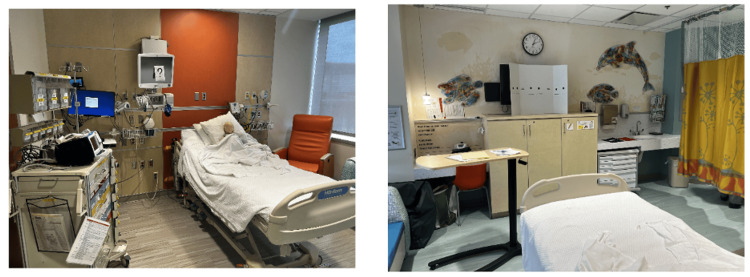 Figure 1
 Figure 2
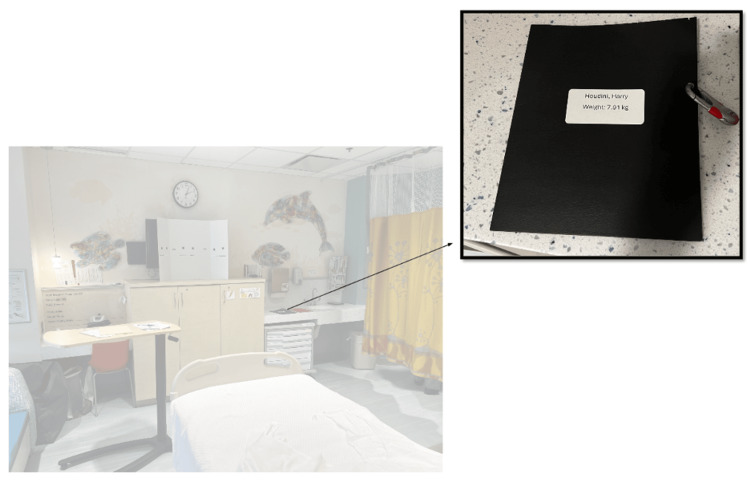 Figure 3
 Figure 4
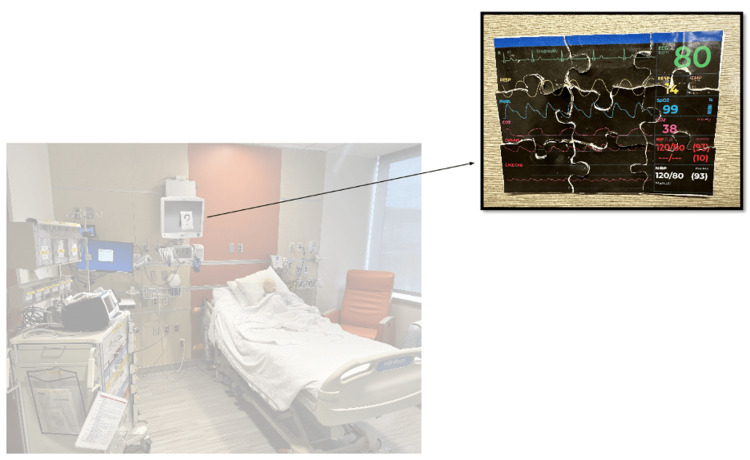 Figure 5
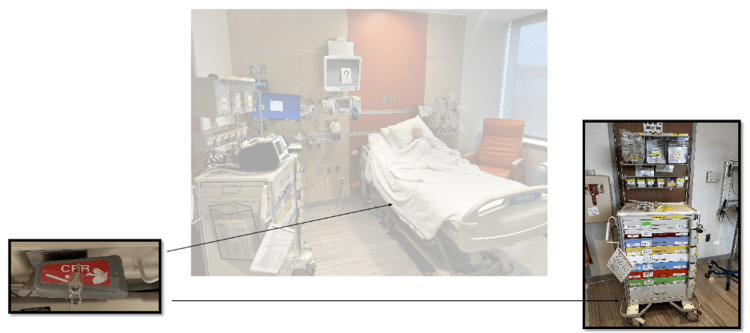 Figure 6
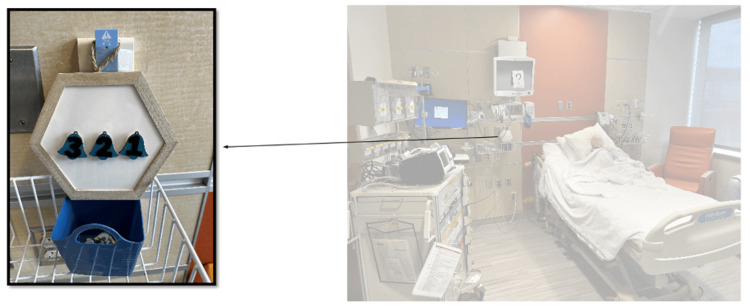 Figure 7
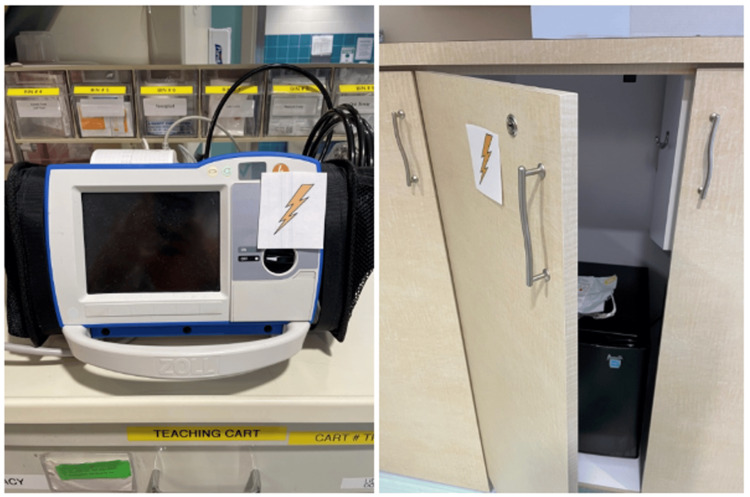 Figure 8
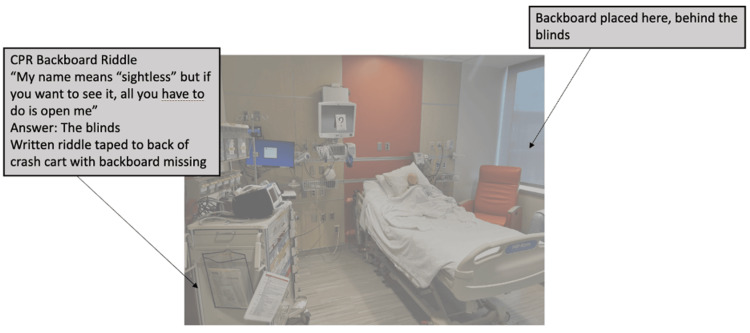 Figure 9
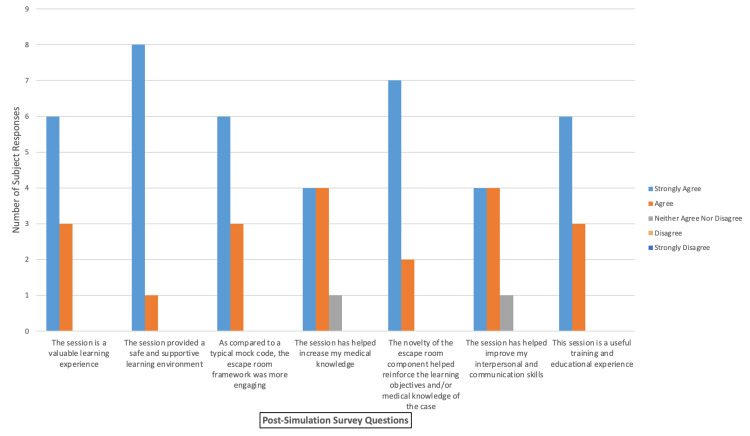 Figure 10
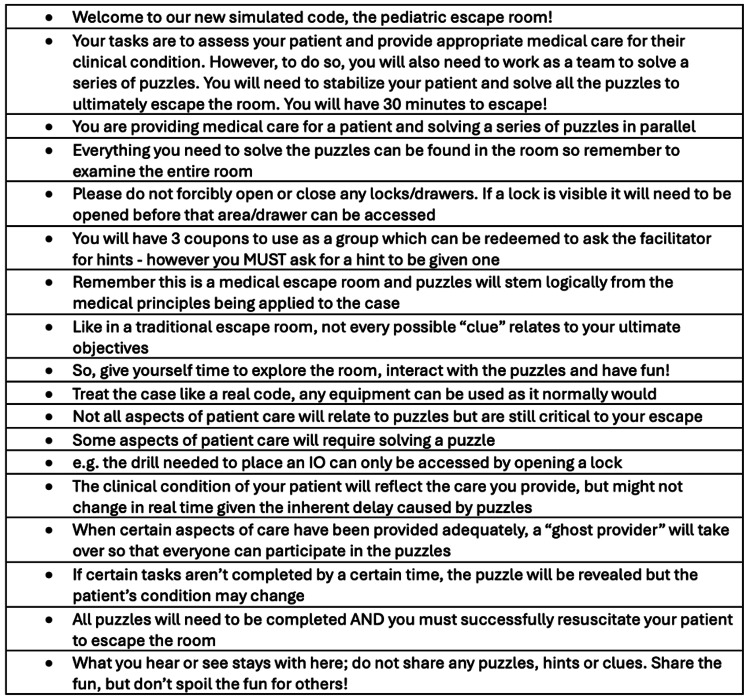 Figure 11
Peer Reviews
No public reviews on file for this paper yet. If you reviewed it on a platform where reviews are public (OpenReview, ICLR, NeurIPS, ICML), you can paste yours below so the community can read it here.
Videos
No videos yet. Explain this paper in a talk, walkthrough, or lecture? Add one.
Taxonomy
TopicsCardiac Arrest and Resuscitation · Simulation-Based Education in Healthcare · Family and Patient Care in Intensive Care Units