Qishiwei Zhenzhu Pills Protect Against Cerebral Ischemia via the P53/Cytochrome C/Apoptotic Protease Activating Factor 1‐Mediated Mitochondrial Apoptosis Pathway
Yinglian Song, Guili Song, Lame Lizhen, Yan Liang, Mengtian Han, Yichu Yang, Qiaoqiao Feng, Yi Li, Jingwen Zhang, Min Xu, Yongzhong Zeweng, Miao Jiang, Zhang Wang

TL;DR
Qishiwei Zhenzhu Pills protect against brain injury from lack of blood flow by reducing harmful cell death pathways.
Contribution
Identified active ingredients and their mechanism in QSWZZP for cerebral ischemia treatment.
Findings
QSWZZP reduced cerebral infarction and neurobehavioral issues in rats via mitochondrial apoptosis pathway modulation.
Arjunic acid, cholic acid, and phyllaemblic acid were identified as key active components.
QSWZZP components were distributed in blood, brain, liver, and kidney tissues.
Abstract
Qishiwei Zhenzhu pills (QSWZZP, Tibetan name: ) originated from Ershiwuwei Zhenzhu mother pills in the eighth century AD and are currently included in the Chinese Pharmacopoeia (2020). QSWZZP calm the mind, activate the medians, regulate qi, and harmonize the blood. QSWZZP have significant therapeutic effects in cerebral ischemia. However, QSWZZP's complex and diverse multi‐herb chemical composition has presented challenges in identifying their active ingredients, which have hitherto remained unclarified. Therefore, the present study focusses on the identification of QSWZZP's active ingredients and their therapeutic mechanisms. To analyze the distribution of QSWZZP's components in the blood and tissues for the treatment of cerebral ischemia, to identify the biomarkers after drug intervention, and to explore the mechanism of action of QSWZZP in terms of the mitochondrial apoptosis…
Genes, proteins, chemicals, diseases, species, mutations and cell lines named across the full text — each resolved to its canonical identifier and authoritative record.
Click any figure to enlarge with its caption.
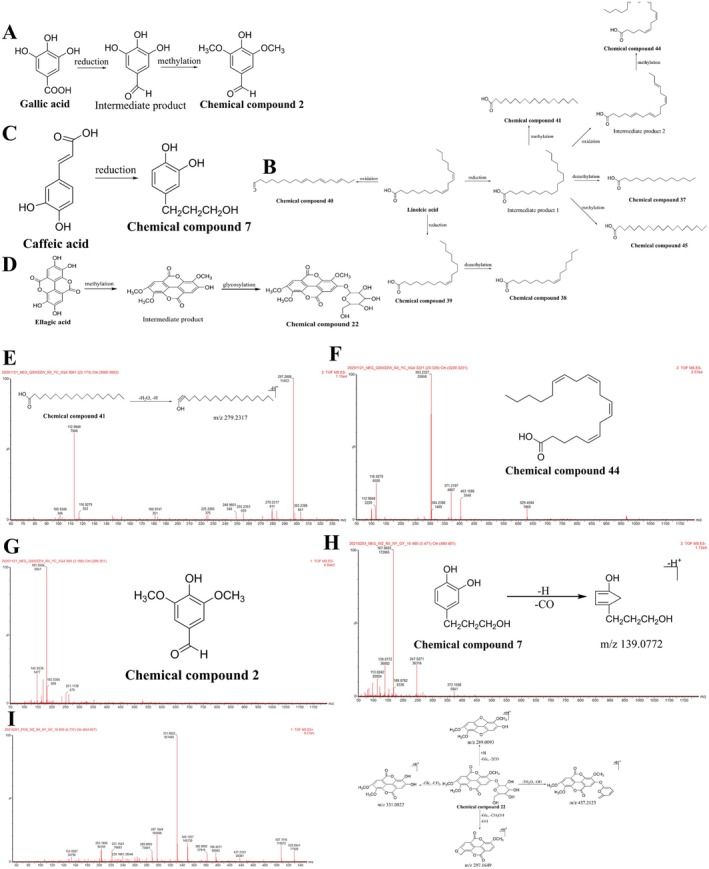 Figure 1
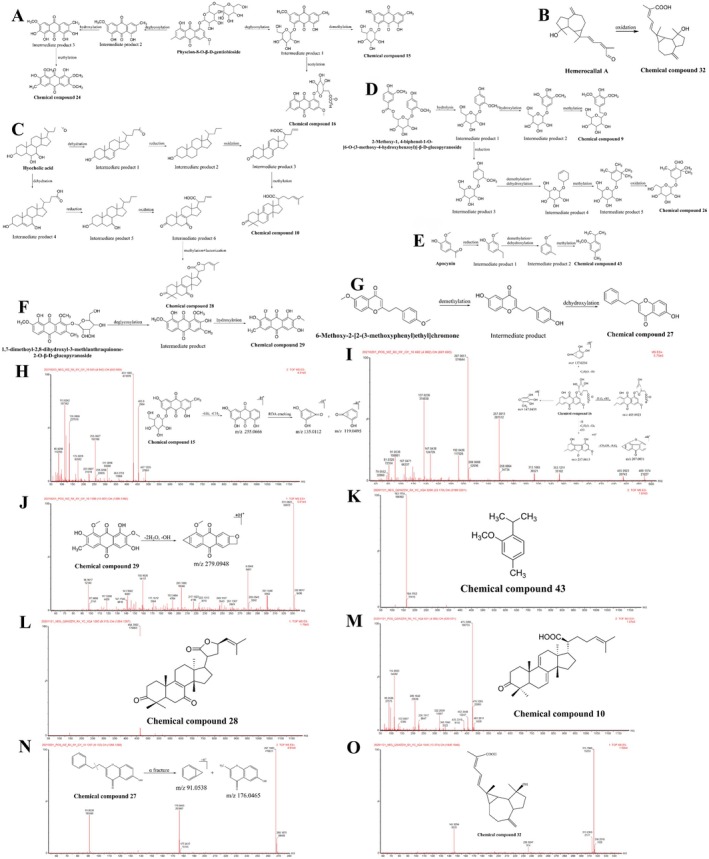 Figure 2
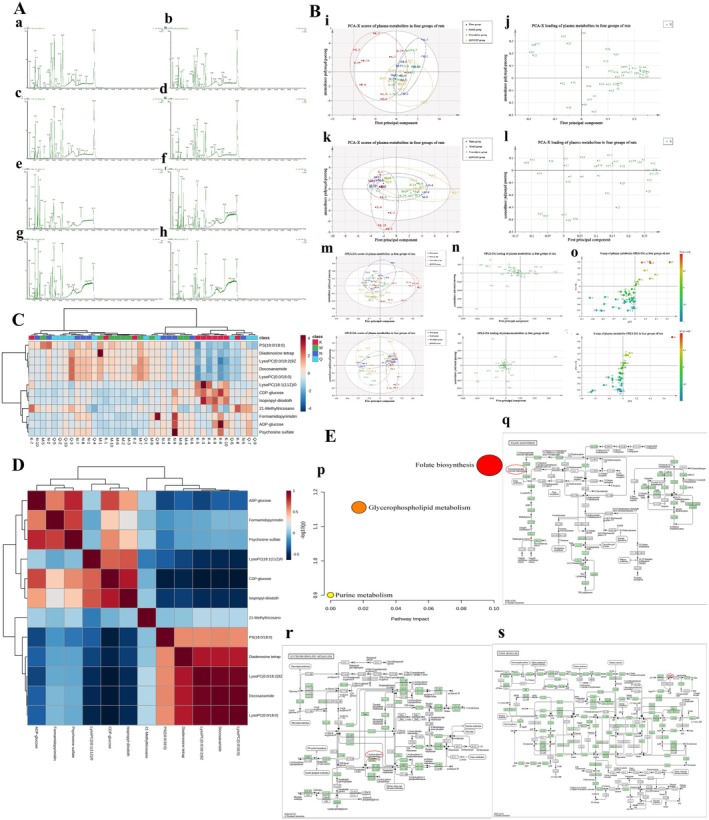 Figure 3
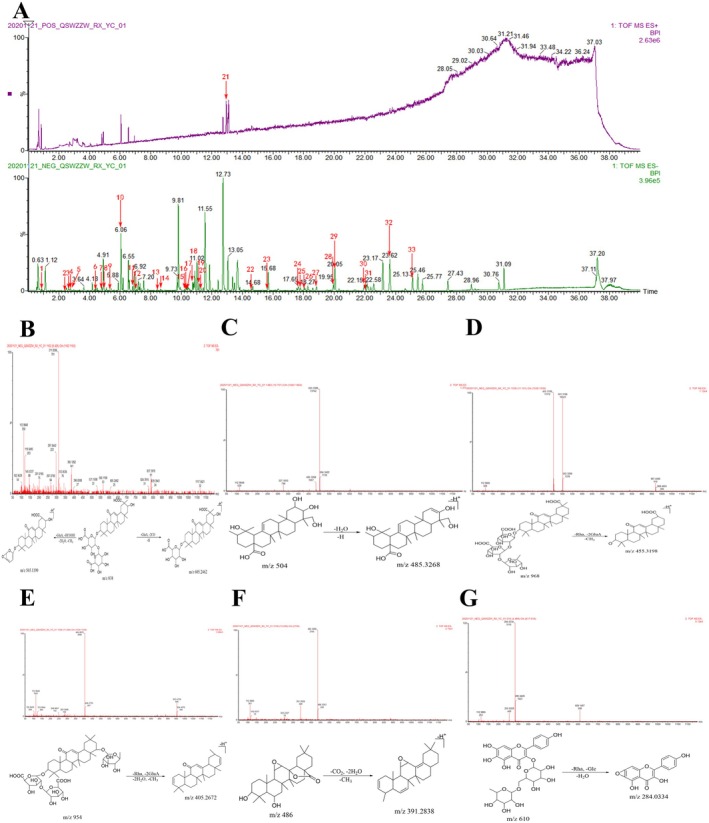 Figure 4
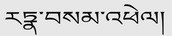 Figure 5
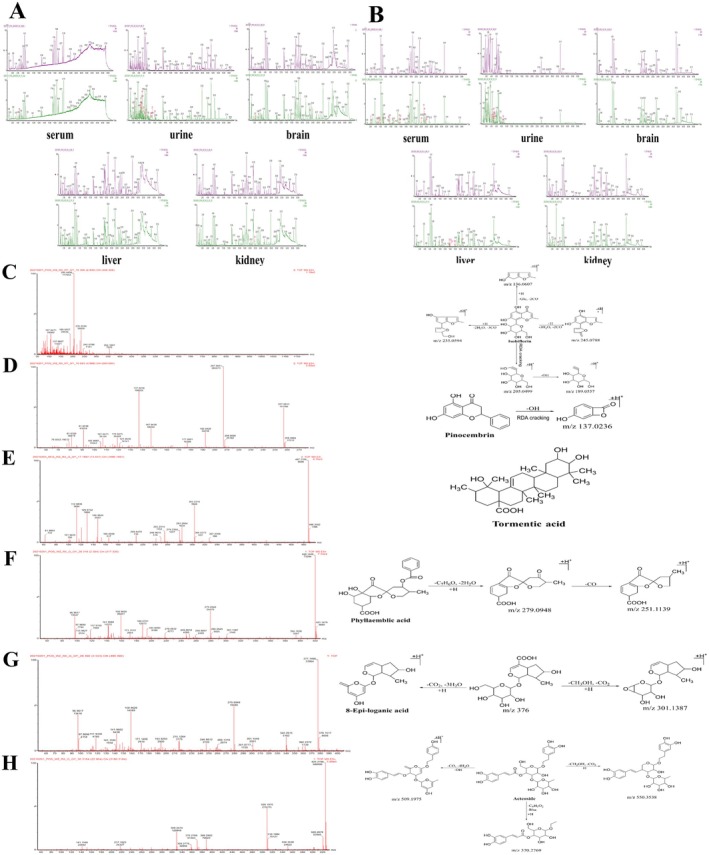 Figure 6
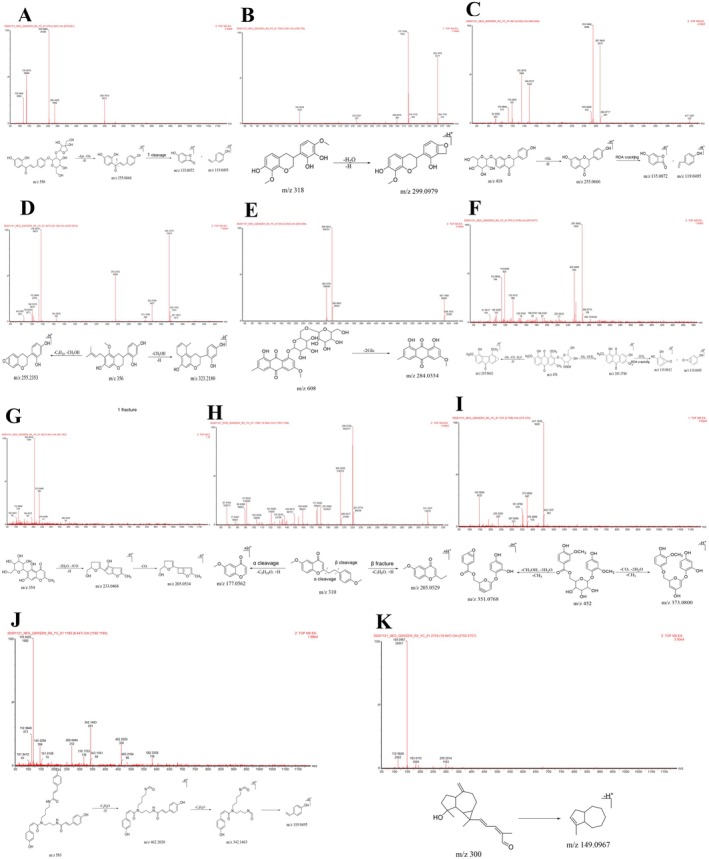 Figure 7
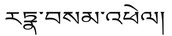 Figure 8
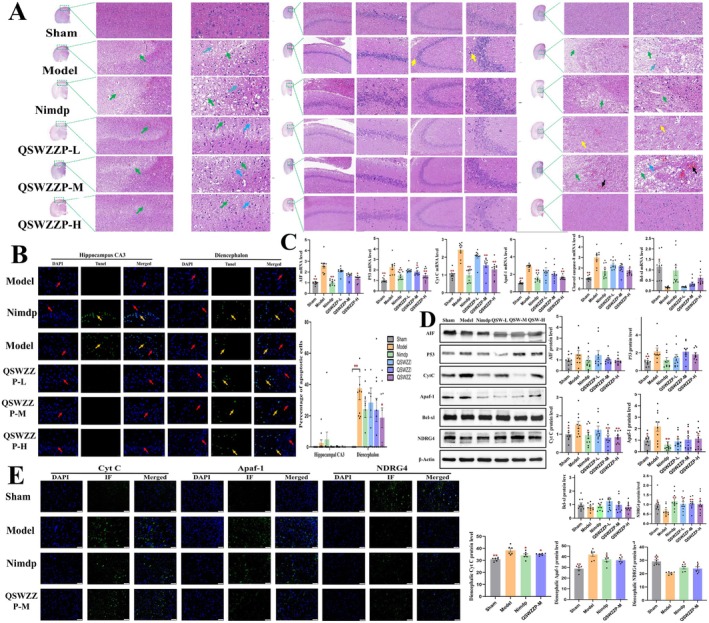 Figure 9
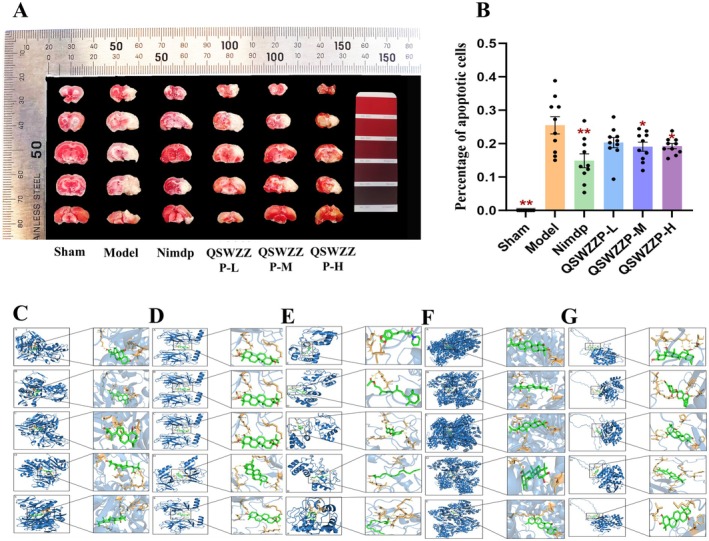 Figure 10
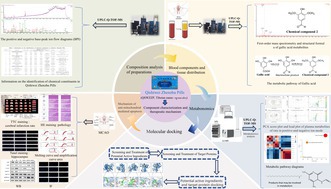 Figure 11
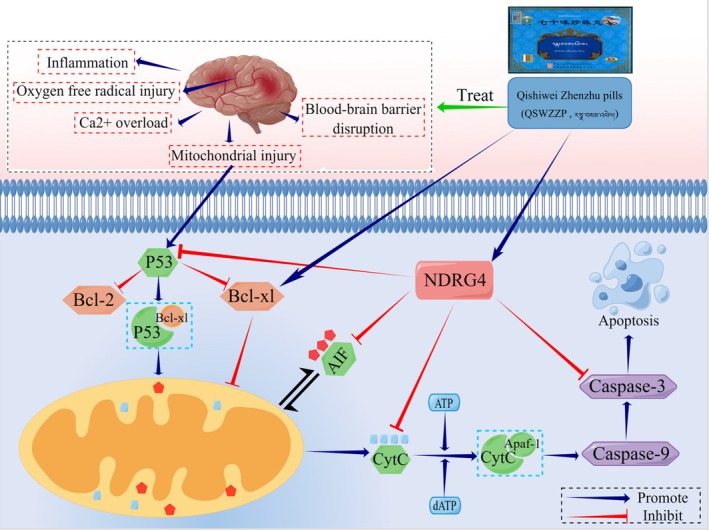 Figure 12
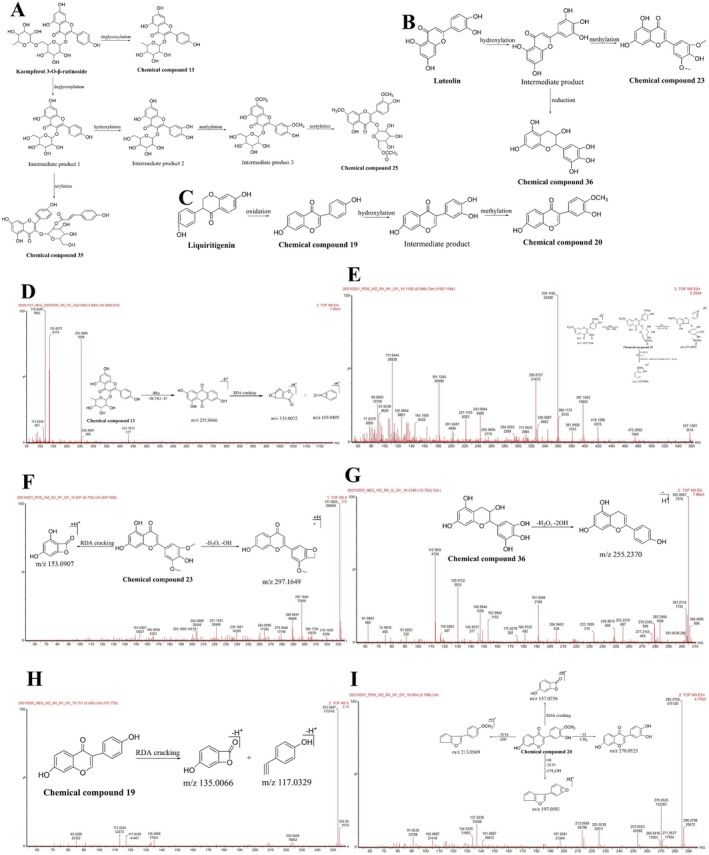 Figure 13
Peer Reviews
No public reviews on file for this paper yet. If you reviewed it on a platform where reviews are public (OpenReview, ICLR, NeurIPS, ICML), you can paste yours below so the community can read it here.
Videos
No videos yet. Explain this paper in a talk, walkthrough, or lecture? Add one.
Taxonomy
TopicsTraditional Chinese Medicine Analysis · Alzheimer's disease research and treatments · Computational Drug Discovery Methods