Evaluation of the antibacterial activity, surface microhardness, and color change of glass ionomer cement containing green synthesized Ag@MoS2 nanocomposite after thermal aging
Semiha Ekrikaya, Ozcan Karatas, Ebubekir Yilmaz, Nilay Ildiz, Seyma Dadi, Derya Gamze Sahin, Melih Ucar, Ismail Ocsoy

TL;DR
This study tests how adding green-synthesized silver and Ag@MoS2 nanoparticles to dental cement affects its antibacterial properties, hardness, and color after heat exposure.
Contribution
The study introduces green-synthesized Ag@MoS2 nanocomposites as an effective antibacterial additive for glass ionomer cement without compromising material properties.
Findings
Ag@MoS2 nanocomposites showed the highest antibacterial efficacy against S. mutans.
Nanoparticle addition did not significantly affect microhardness or color of the cement.
Thermal aging did not reduce the antibacterial or physical properties of the modified cements.
Abstract
The aim of our study is to compare the antibacterial activity, surface microhardness, and color change of glass ionomer cement (GIC) with the addition of green-synthesized silver nanoparticles (Ag NP) and silver molybdenum disulfide (Ag@MoS2) nanocomposites (NC) after thermal aging conditions. Our study consisted of five groups (n = 7): only GIC (control); GIC + Green-synthesized Ag NP; GIC + Green-synthesized Ag@MoS2 NC; GIC + Chemically synthesized Ag NP, and GIC + Chemically synthesized Ag@MoS2 NC. The nanoparticles were synthesized, characterized using the required protocols, and added to the liquid part of the GIC. Disk-shaped samples with a diameter of 10 mm and a thickness of 2 mm were prepared with the nanoparticle-mixed GIC and used to determine the S. mutans live/dead assay analysis, MTT metabolic activity test, agar disk diffusion test, lactic acid production, and CFUs…
Genes, proteins, chemicals, diseases, species, mutations and cell lines named across the full text — each resolved to its canonical identifier and authoritative record.
Click any figure to enlarge with its caption.
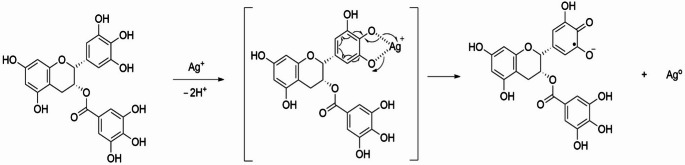 Figure 1
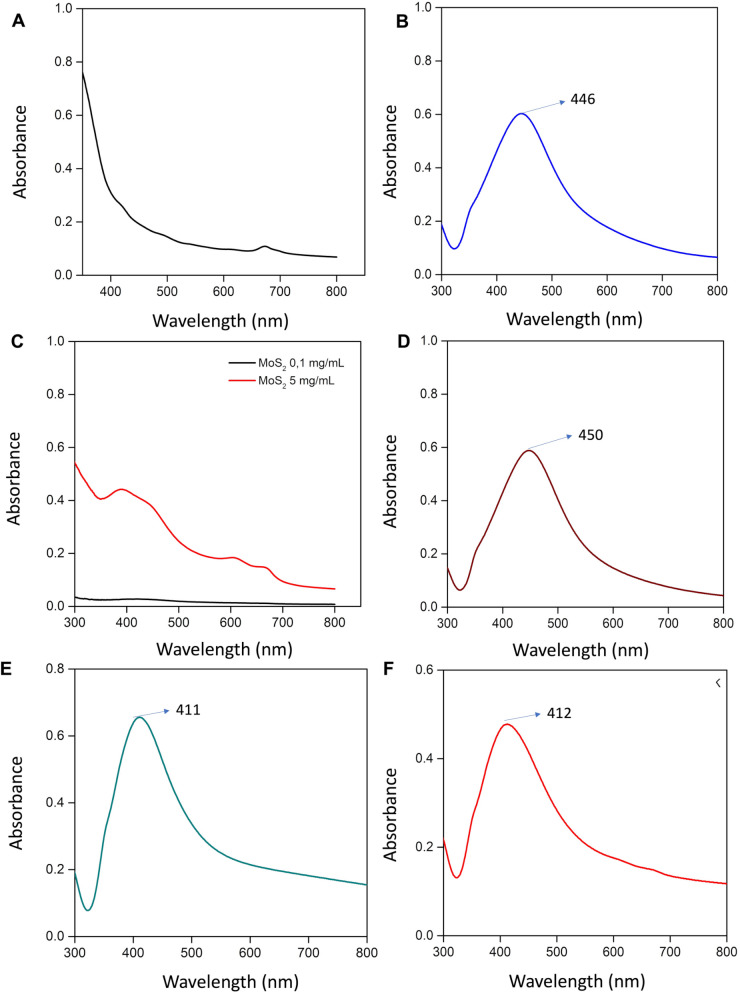 Figure 2
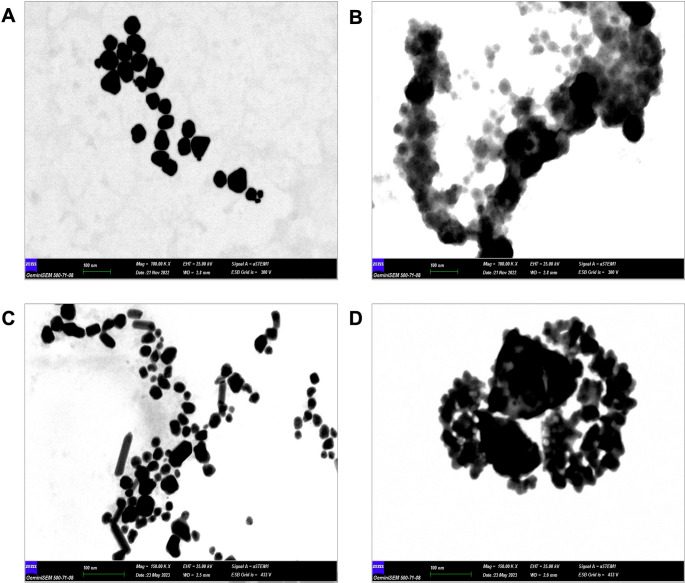 Figure 3
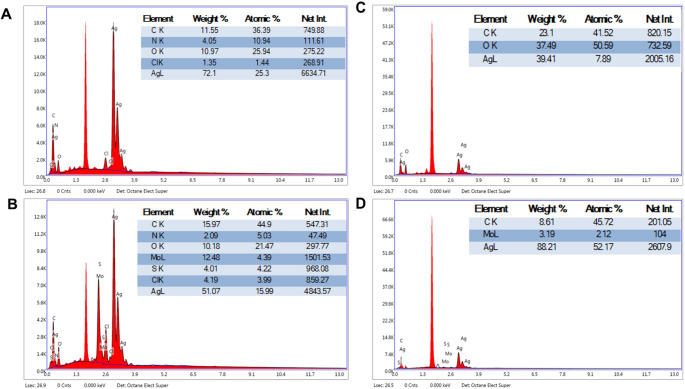 Figure 4
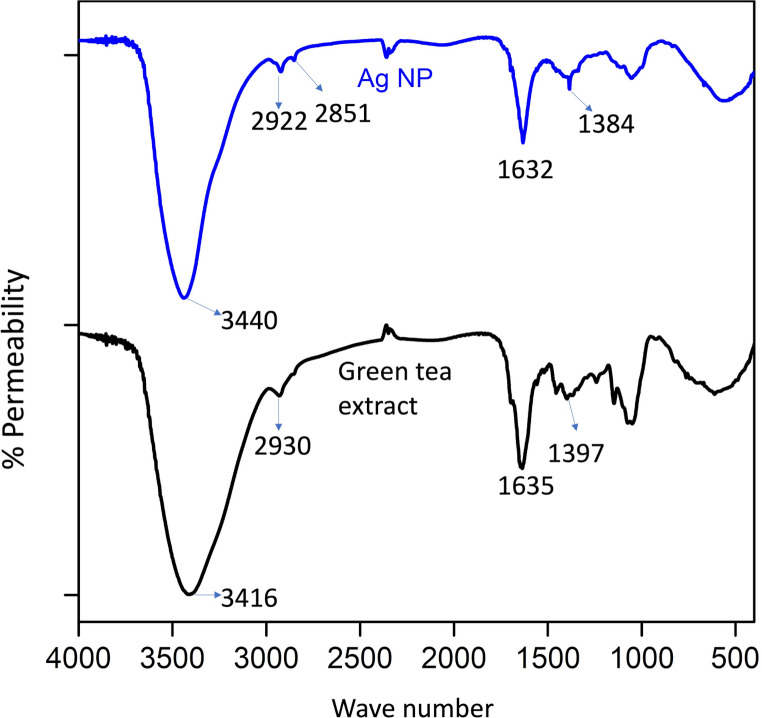 Figure 5
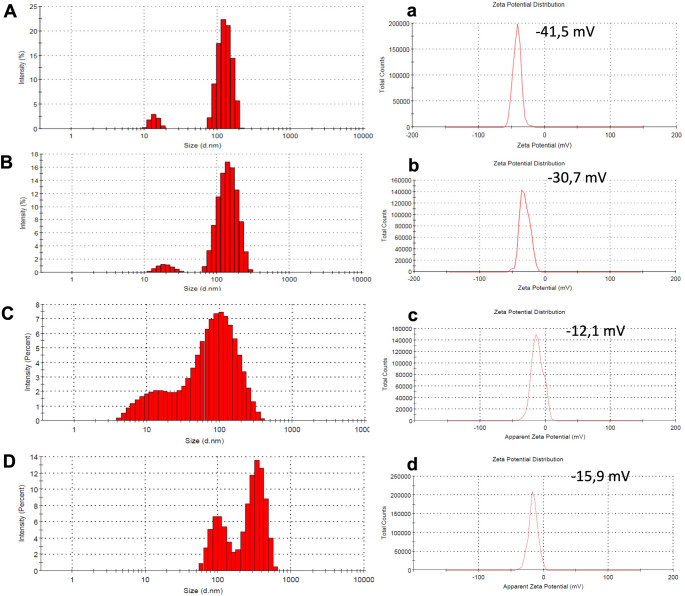 Figure 6
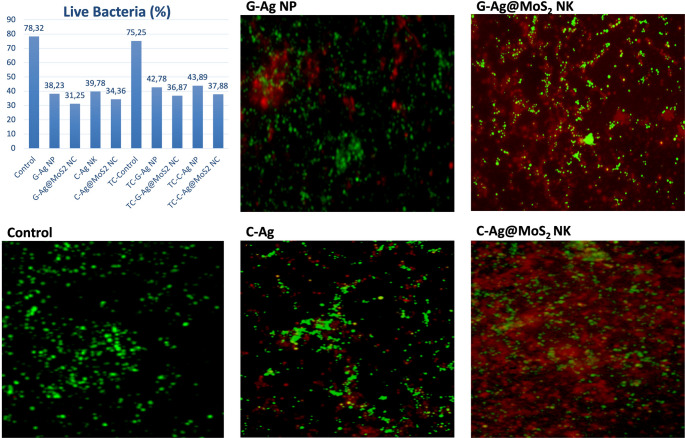 Figure 7
Peer Reviews
No public reviews on file for this paper yet. If you reviewed it on a platform where reviews are public (OpenReview, ICLR, NeurIPS, ICML), you can paste yours below so the community can read it here.
Videos
No videos yet. Explain this paper in a talk, walkthrough, or lecture? Add one.
Taxonomy
TopicsDental materials and restorations · Bone Tissue Engineering Materials · Facial Trauma and Fracture Management