Two natural products from the seeds of Citrus reticulata Blanco (Rutaceae) inhibit estrogen biosynthesis by regulating the PI3K-aromatase pathway
Xing Yang, Xi Chen, Chunqiao Shi, Qian Zhang, Qian Liu, Chunyan Zhou, Fawu Dong, Jinsong Su, Deming Liu, Yi Zhang

TL;DR
This study identifies two compounds in Citrus reticulata seeds that inhibit estrogen production, potentially offering new ways to prevent hormone-related cancers.
Contribution
The study identifies two natural compounds from Citrus reticulata seeds that inhibit estrogen biosynthesis via the PI3K-aromatase pathway.
Findings
Callyspongidipeptide A and Hesperetin 7-O-β-D-glucopyranoside significantly inhibit estrogen biosynthesis in KGN cells.
These compounds regulate aromatase expression through the PI3K/AKT pathway.
Network pharmacology suggests SCR influences breast cancer development via phosphorylation-related processes.
Abstract
The seeds of Citrus reticulata Blanco (Rutaceae) (SCR), a traditional Chinese medicine derived from Citrus, is known for its diverse bioactivities, including potential anti-breast cancer effects, but the mechanism of action remains unclear. This study aims to elucidate the active ingredients of SCR and their mechanisms of action on estrogen biosynthesis. A comprehensive phytochemical analysis, employing various chromatographic techniques, led to the isolation of 26 compounds from SCR. The effects of these compounds on estrogen biosynthesis were evaluated in human ovarian granulosa-like KGN cells, which play a crucial role in the progression of hormone-dependent breast cancers. Network pharmacology analysis revealed that SCR may influence breast cancer development by modulating phosphorylation-related biological processes and the PI3K/AKT pathway. Among the isolated compounds,…
Genes, proteins, chemicals, diseases, species, mutations and cell lines named across the full text — each resolved to its canonical identifier and authoritative record.
Click any figure to enlarge with its caption.
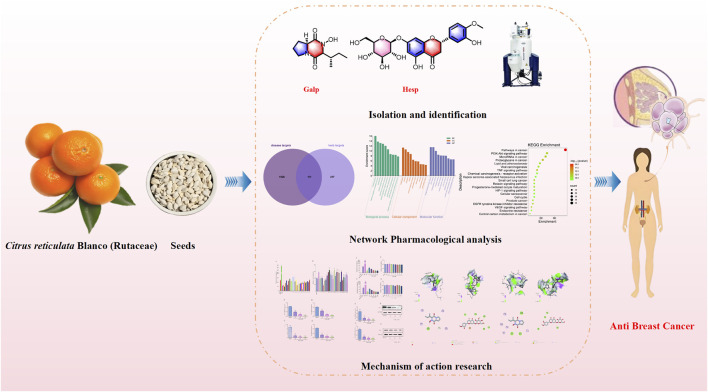 Figure 1
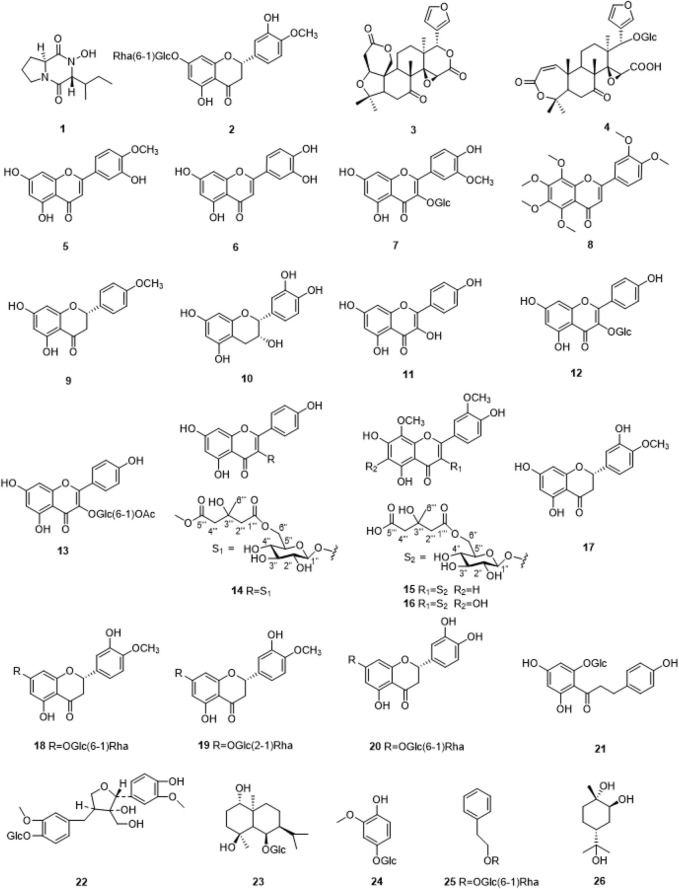 Figure 2
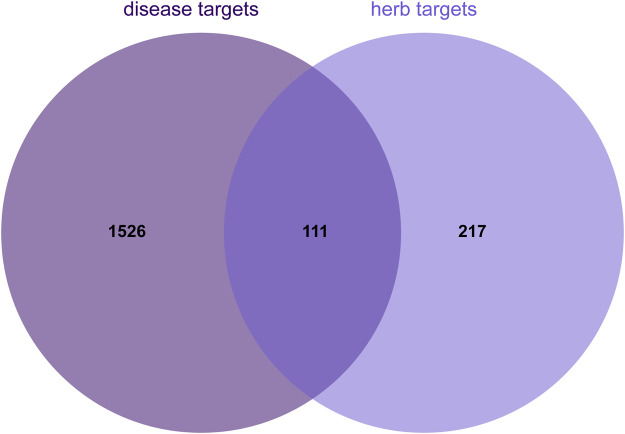 Figure 3
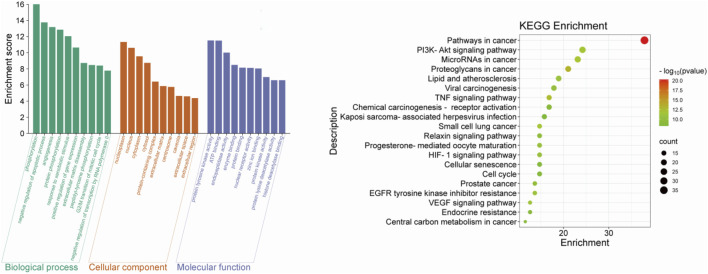 Figure 4
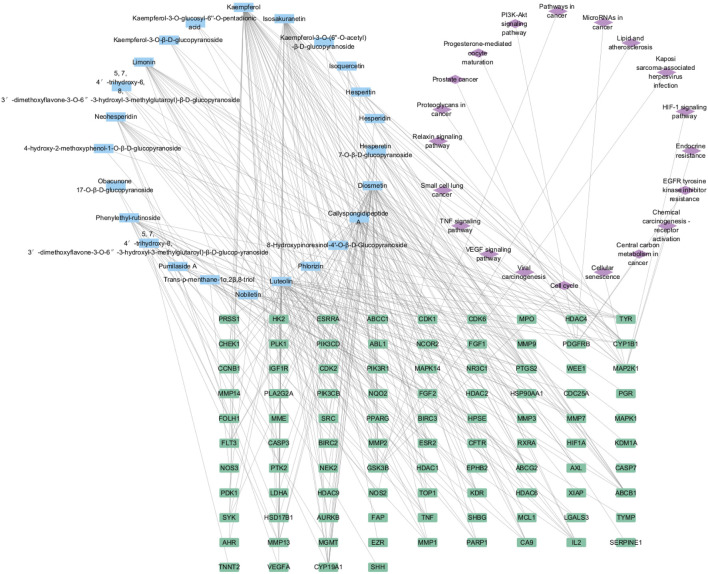 Figure 5
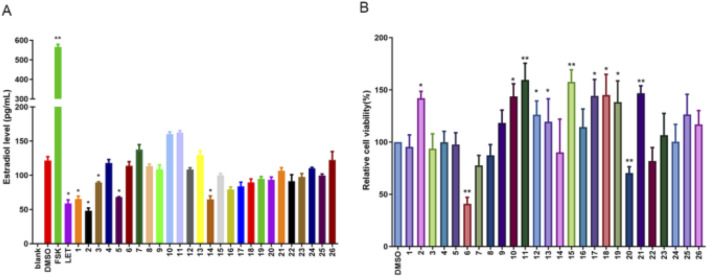 Figure 6
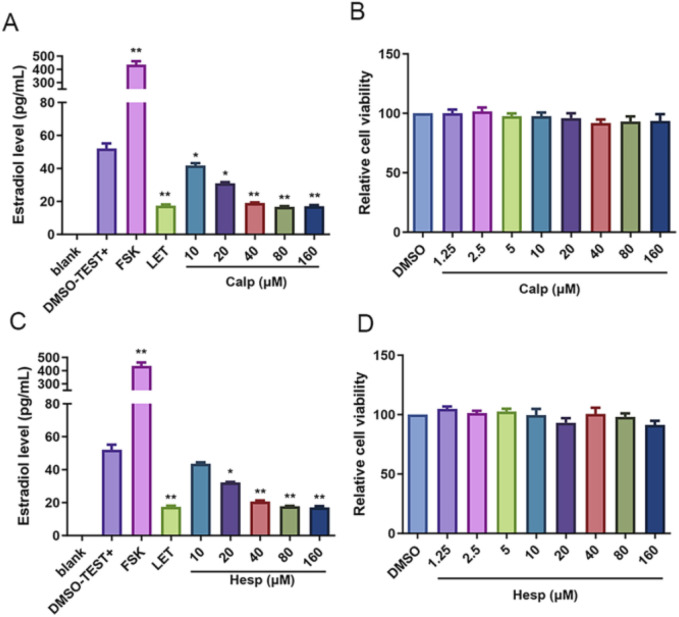 Figure 7
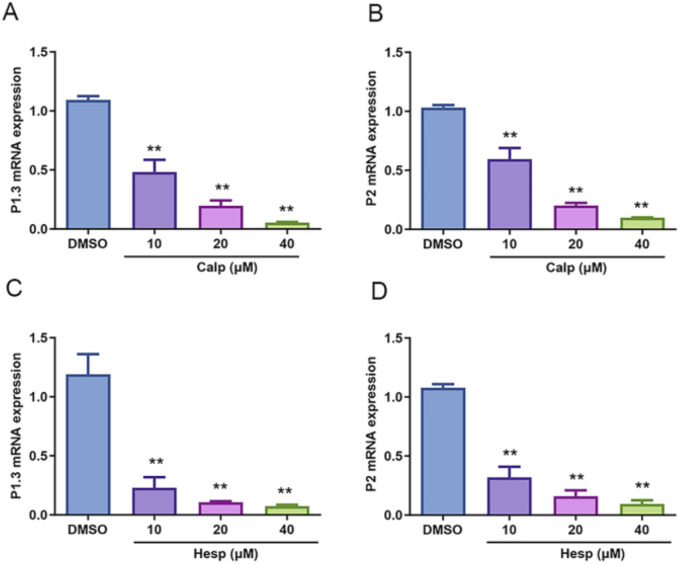 Figure 8
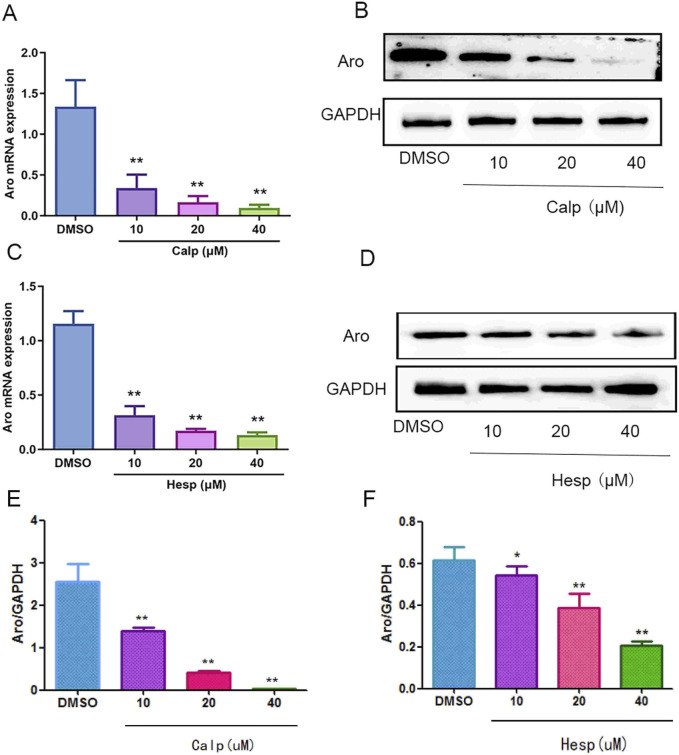 Figure 9
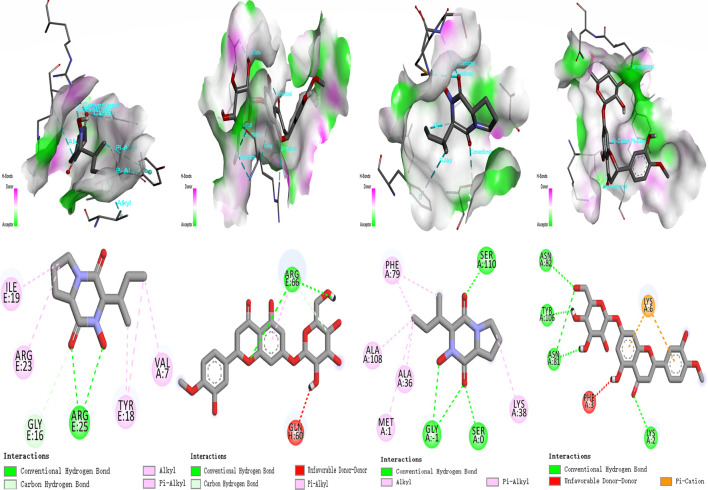 Figure 10
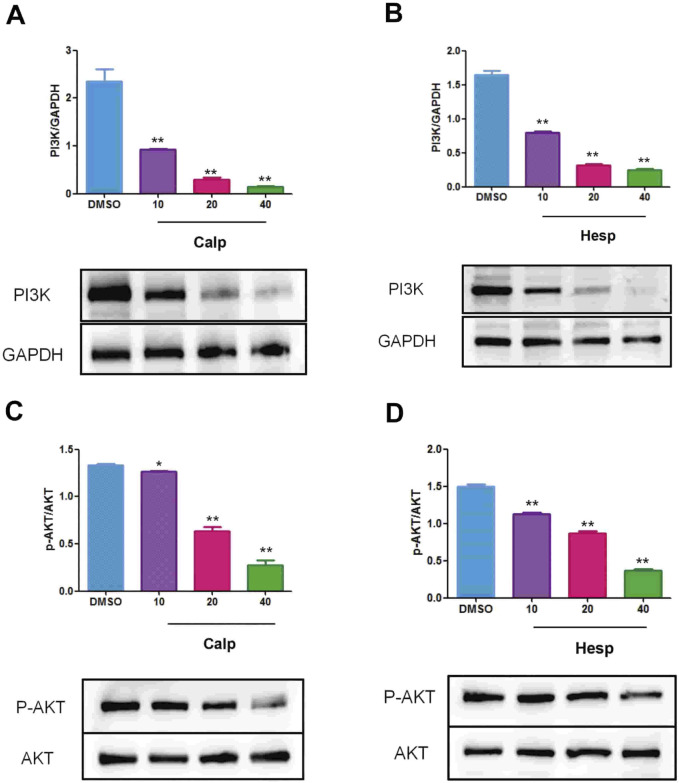 Figure 11
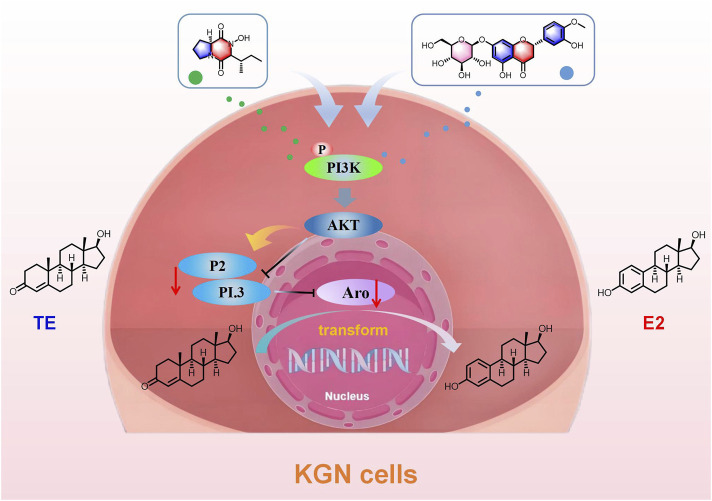 Figure 12
Peer Reviews
No public reviews on file for this paper yet. If you reviewed it on a platform where reviews are public (OpenReview, ICLR, NeurIPS, ICML), you can paste yours below so the community can read it here.
Videos
No videos yet. Explain this paper in a talk, walkthrough, or lecture? Add one.
Taxonomy
TopicsGarlic and Onion Studies · Genomics, phytochemicals, and oxidative stress · Phytochemical compounds biological activities