Combining polyesters of citric and azelaic acids to obtain potential topical application biomaterials with antimicrobial activity
Aleksandra Bandzerewicz, Anna Herman, Ewa Dutkowska, Klara Niebuda, Paweł Ruśkowski, Agnieszka Gadomska-Gajadhur

TL;DR
Researchers developed flexible, antimicrobial polymer films using citric and azelaic acid polyesters that show strong biocidal effects, especially against Pseudomonas aeruginosa.
Contribution
The novelty lies in creating cross-linked polyester films with tunable flexibility and potent antimicrobial activity for potential medical use.
Findings
Lower cross-linking temperatures produced more flexible and uniform polymer films.
Polycitrate-based films achieved 100% biocidal effect against Pseudomonas aeruginosa within 24 hours.
The antimicrobial activity of the films is pH-dependent.
Abstract
Biomaterials with antimicrobial properties are a key research area due to the increasing threat of infections and the growing resistance of microorganisms to existing antibiotics. The aim of the study was to produce thermally cross-linked polymer films based on poly(1,5-pentanediol azelate) and poly(1,4-butanediol citrate) with antimicrobial activity for medical applications. Well-formed, cross-linked, flexible materials differing in appearance depending on the conditions of the cross-linking process were obtained. In general, a lower cross-linking temperature was found to promote less brittle and more flexible films with greater structure uniformity. The polymer films had hydrophilic surfaces (water contact angle 40°–60°). All polymer films maintained integrity after immersion in PBS buffer. Most likely, the lower hydrophilicity of the polyazelate phase limited their degradation. A…
Genes, proteins, chemicals, diseases, species, mutations and cell lines named across the full text — each resolved to its canonical identifier and authoritative record.
Click any figure to enlarge with its caption.
 Figure 1
 Figure 2
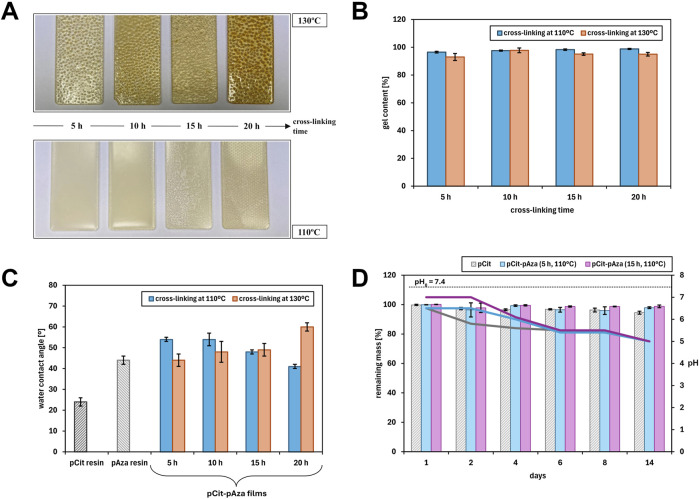 Figure 3
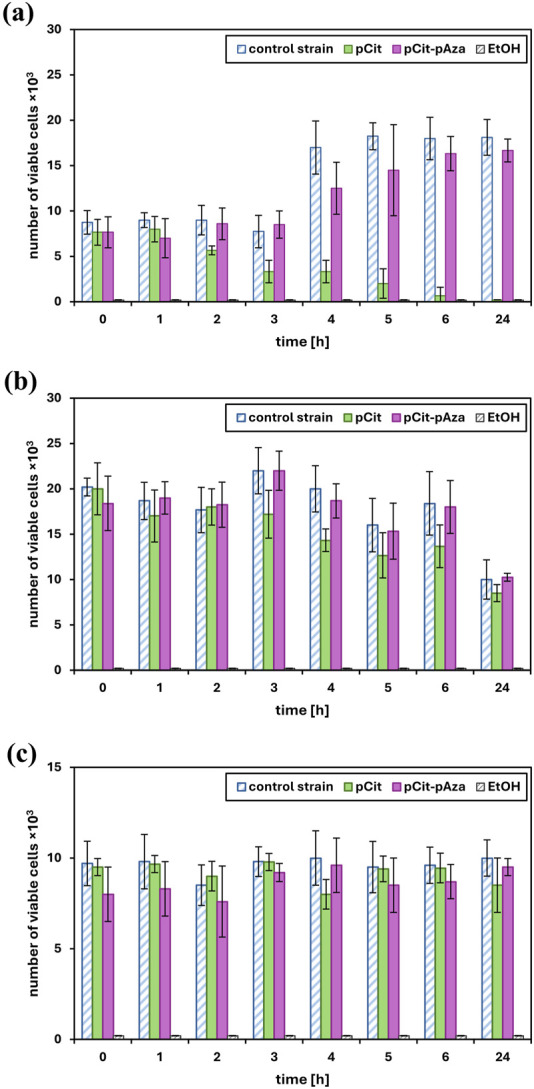 Figure 4
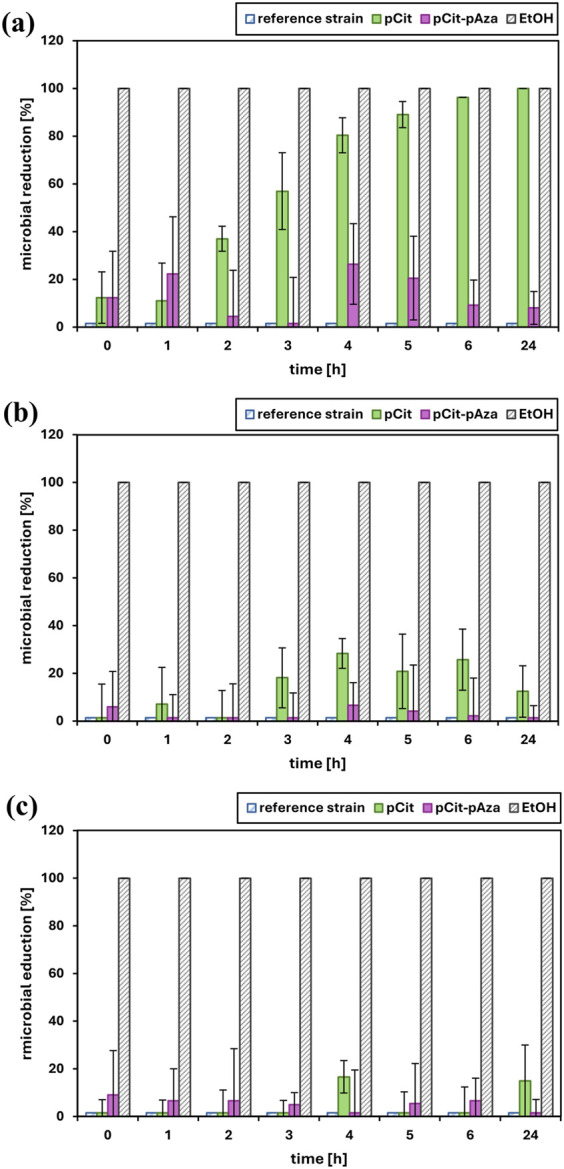 Figure 5
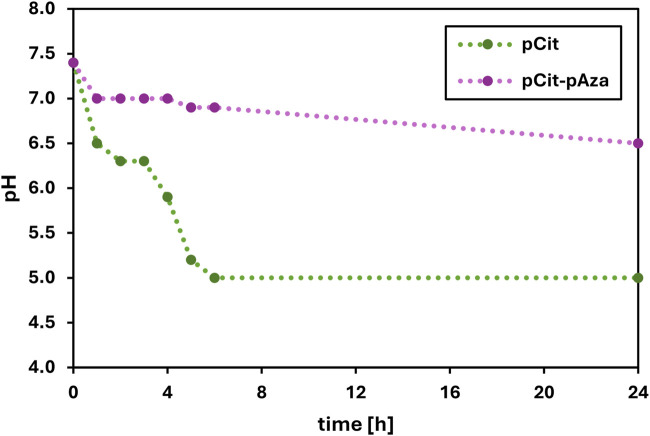 Figure 6
Peer Reviews
No public reviews on file for this paper yet. If you reviewed it on a platform where reviews are public (OpenReview, ICLR, NeurIPS, ICML), you can paste yours below so the community can read it here.
Videos
No videos yet. Explain this paper in a talk, walkthrough, or lecture? Add one.
Taxonomy
TopicsAntimicrobial agents and applications · Essential Oils and Antimicrobial Activity · Bee Products Chemical Analysis