Dual tolerance to soil drought and excess moisture stresses in cowpea genetic resources assessed using multiple indicators
Kohtaro Iseki, Olajumoke Olaleye

TL;DR
This study identifies cowpea varieties that can tolerate both drought and excess moisture, highlighting the potential of wild ancestors for improving climate resilience in agriculture.
Contribution
The study introduces a method using multiple indicators to identify cowpea accessions with dual tolerance to drought and excess moisture.
Findings
Ten cowpea accessions, mostly wild ancestors, showed dual tolerance to drought and excess moisture.
Root morphological plasticity was identified as a key factor enabling dual stress tolerance.
Using multiple indices revealed distinct physiological responses to different stress conditions.
Abstract
Climate change poses significant challenges to agriculture, particularly for upland crops in vulnerable regions. Cowpeas (Vigna unguiculata), a vital protein source in the dry savannah of West Africa, face production constraints due to yield variability from inconsistent rainfall patterns. Projections indicate an increase in extreme rainfall events, exacerbating excess moisture stress and complicating cultivation. This study evaluated the dual tolerance of cowpeas to both drought and excessive moisture by examining 99 genetic accessions, including both cultivated varieties and wild ancestors. A total of 99 cowpea accessions, comprising 54 cultivated accessions (Vigna unguiculata [L.] Walp.) and 45 wild ancestor accessions, were analyzed. Combinations of multiple indices with large genotypic variation—such as chlorophyll fluorescence, SPAD readings, and shoot biomass—were used to assess…
Genes, proteins, chemicals, diseases, species, mutations and cell lines named across the full text — each resolved to its canonical identifier and authoritative record.
Click any figure to enlarge with its caption.
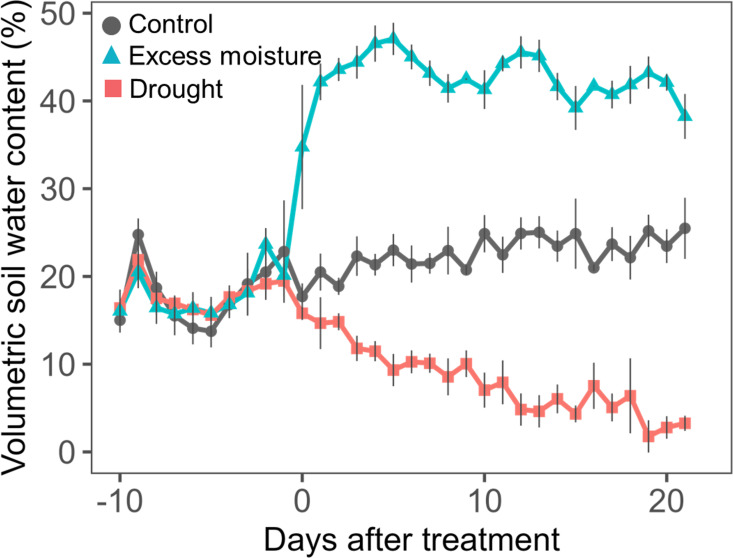 Figure 1
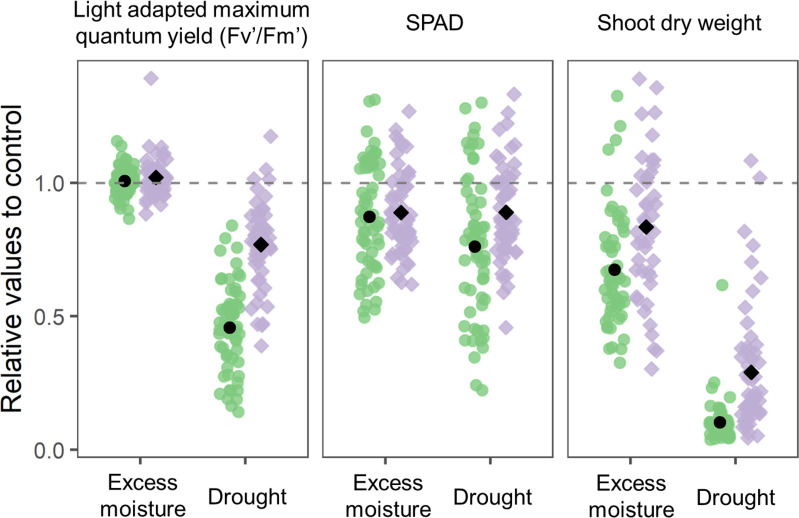 Figure 2
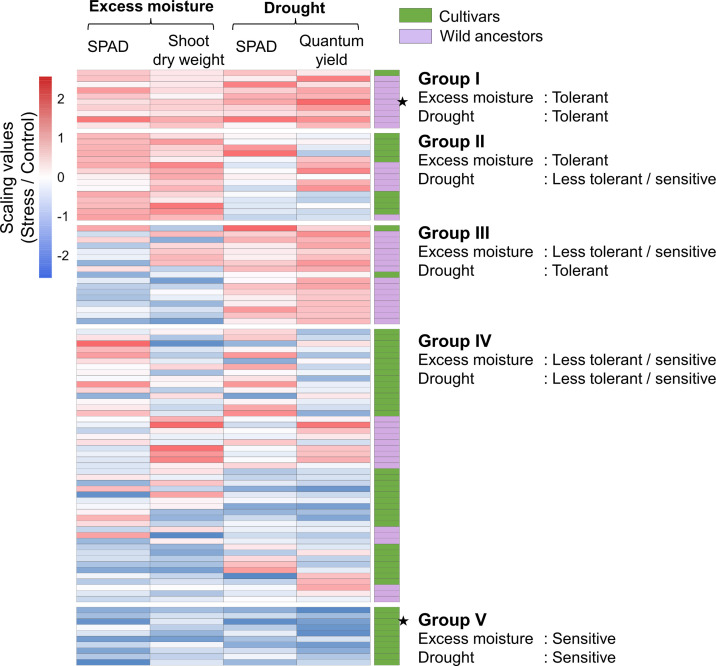 Figure 3
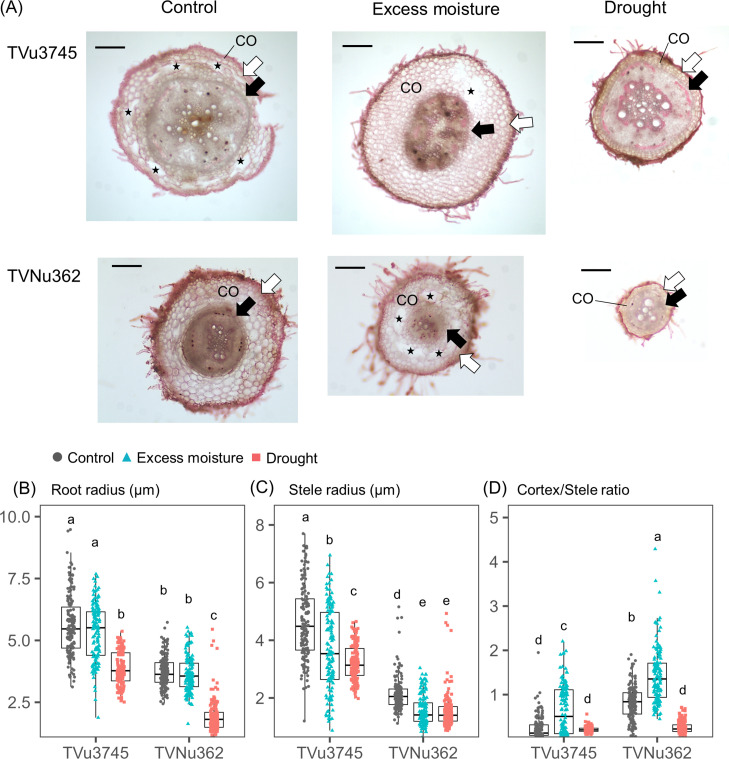 Figure 4
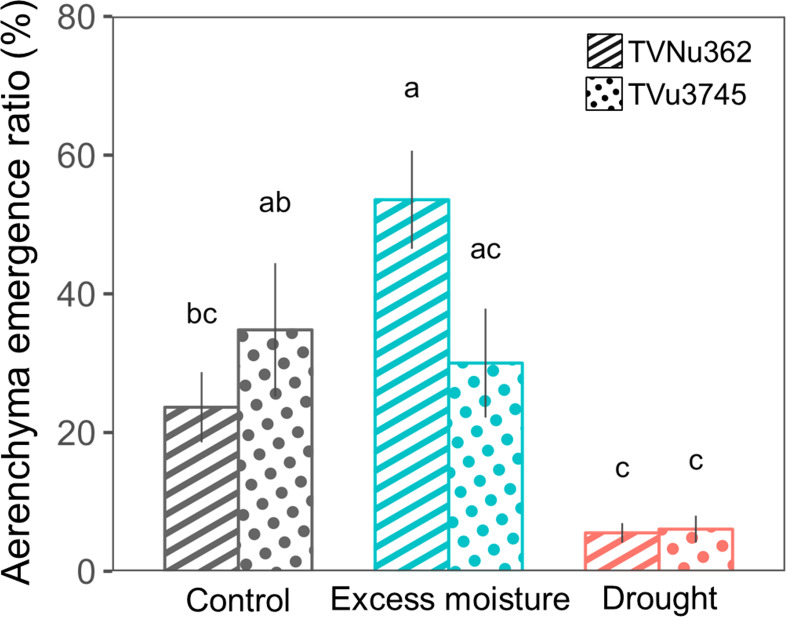 Figure 5
Peer Reviews
No public reviews on file for this paper yet. If you reviewed it on a platform where reviews are public (OpenReview, ICLR, NeurIPS, ICML), you can paste yours below so the community can read it here.
Videos
No videos yet. Explain this paper in a talk, walkthrough, or lecture? Add one.
Taxonomy
TopicsAgricultural pest management studies · Genetic and Environmental Crop Studies · Genetics and Plant Breeding