In silico molecular studies of Phosphinogold(I) thiocarbohydrate complexes: insights into multi-target anticancer mechanisms
Alkhair Adam Khalil Mohamed, Isaac Asiamah, Ghazi Elamin, James Darkwa, Christian K. Adokoh

TL;DR
This study uses computer simulations to explore how new gold-based compounds might work against cancer by targeting multiple proteins, with one compound showing strong potential.
Contribution
The study introduces novel phosphinogold(I) thiocarbohydrate complexes and evaluates their multi-target anticancer mechanisms using in silico methods.
Findings
Complex 9 showed the strongest binding affinity against AKT2 and PARP-1, suggesting it as a potential PARP-1 inhibitor.
Binuclear complexes exhibited higher affinities for DNMT1 and HDM2 compared to mononuclear ones.
Acetylation reduced binding affinity but increased cellular activity, highlighting the need to balance lipophilicity and binding strength.
Abstract
This study employed in silico methods to investigate the anticancer potential and mechanisms of twenty novel phosphinogold(I) thiocarbohydrate complexes. Molecular docking and Prime MM-GBSA screening of seventeen cancer-related protein targets, including Human Double Minute 2 protein (HDM2), DNA methyltransferase-1 (DNMT1), Protein Kinase B (AKT2), and Poly (ADP-ribose) polymerase 1 (PARP-1), were conducted. Molecular dynamics simulations were performed for complex 9. Virtual screening revealed strong binding affinities for several complexes, often surpassing native ligands. All the complexes except 16, 18, and 19 exhibited strong binding affinity with one or two cancer protein targets compared to native ligands. Complex 9 emerged as the best candidate, demonstrating promising binding affinity particularly against AKT2 (–82.40 kcal/mol) and PARP-1 (–75.7 kcal/mol). Molecular dynamics…
Genes, proteins, chemicals, diseases, species, mutations and cell lines named across the full text — each resolved to its canonical identifier and authoritative record.
Click any figure to enlarge with its caption.
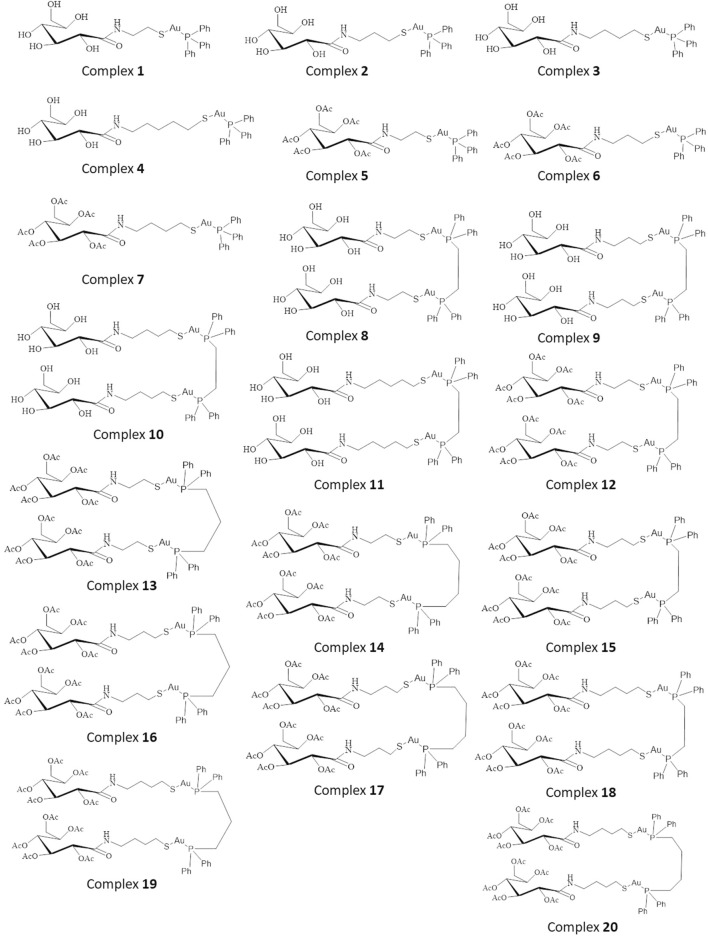 Figure 1
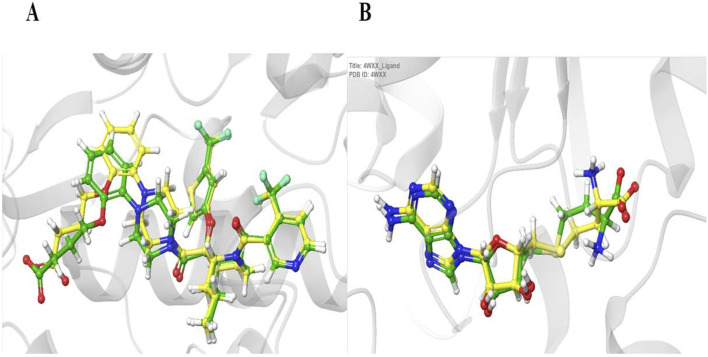 Figure 2
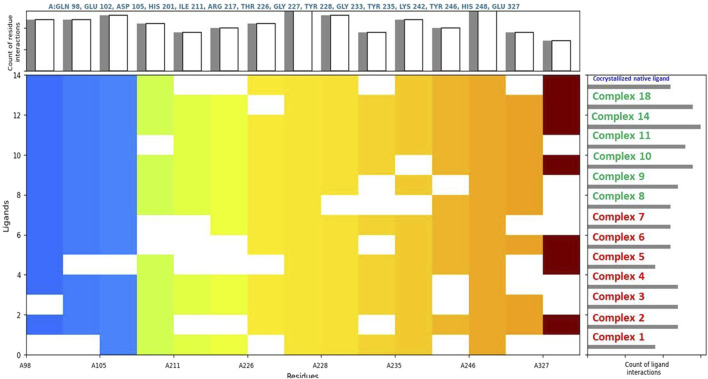 Figure 3
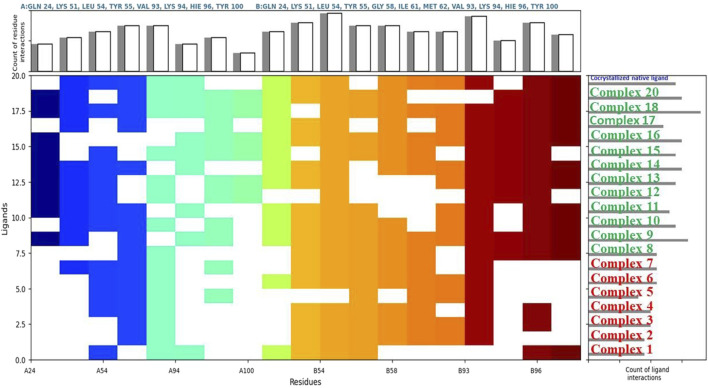 Figure 4
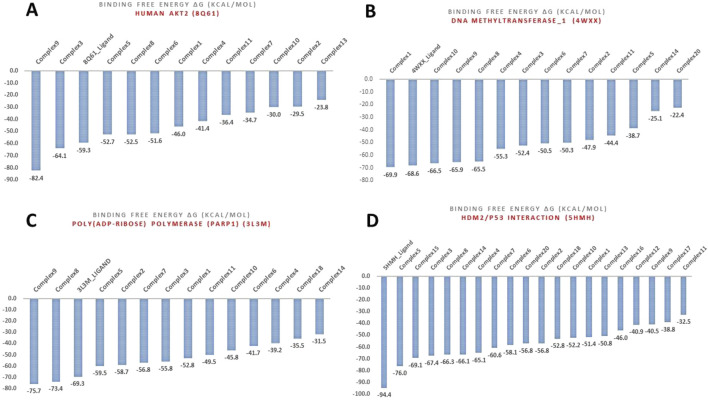 Figure 5
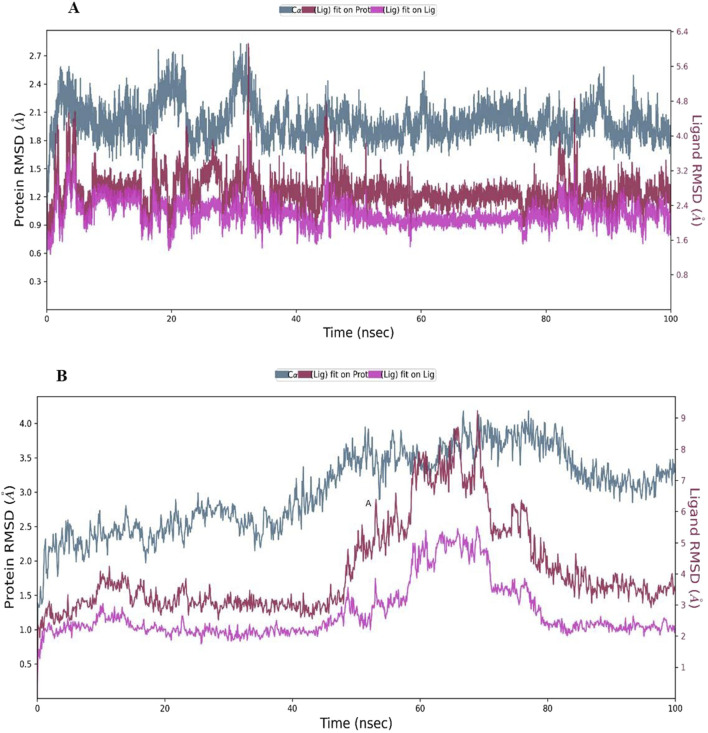 Figure 6
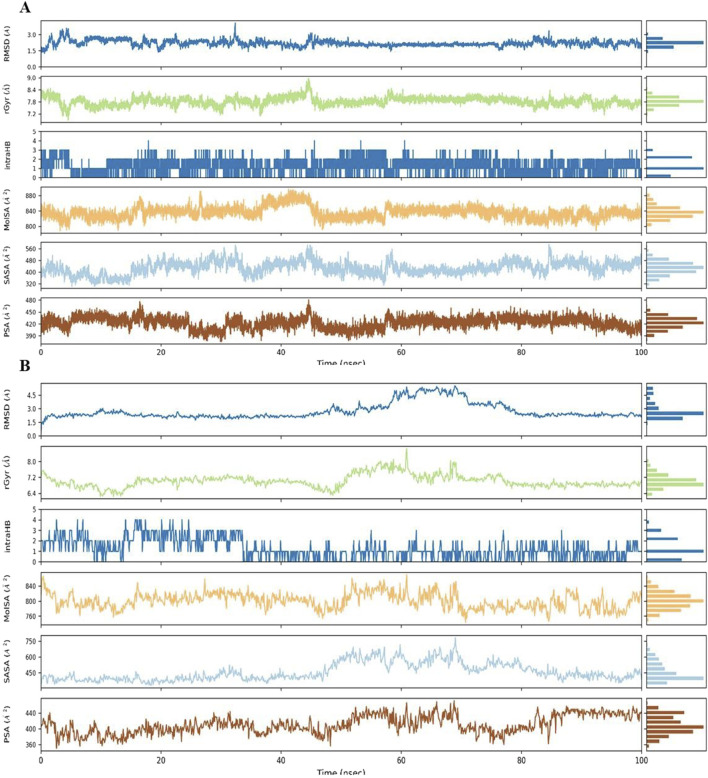 Figure 7
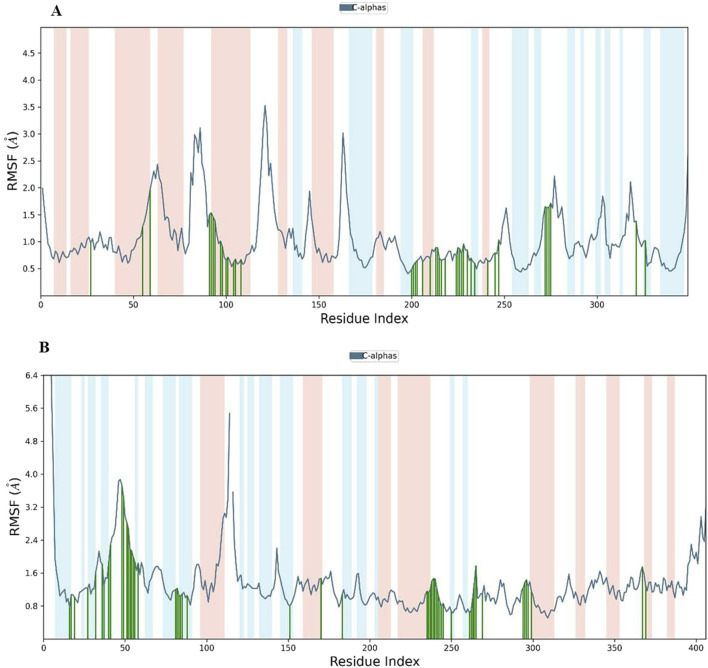 Figure 8
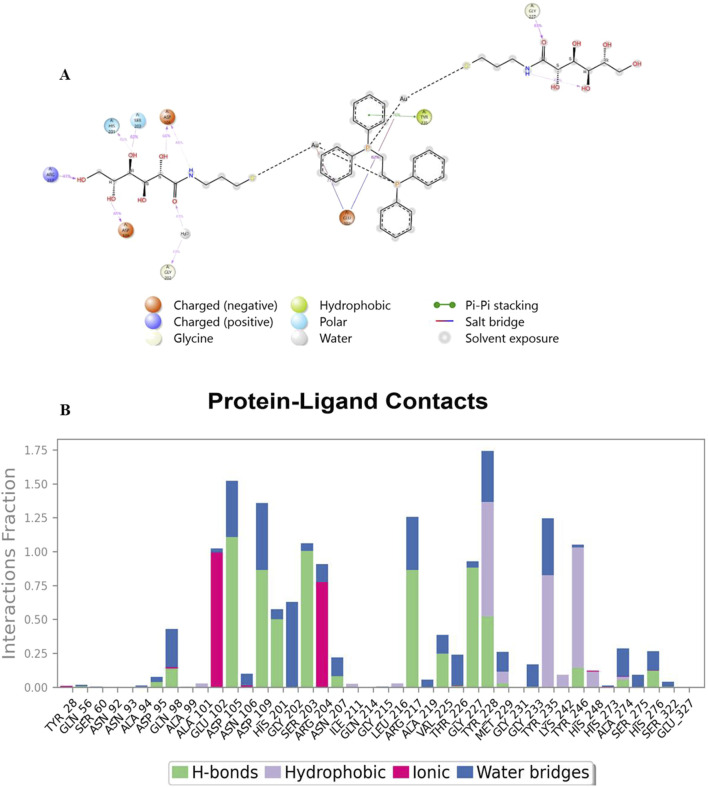 Figure 9
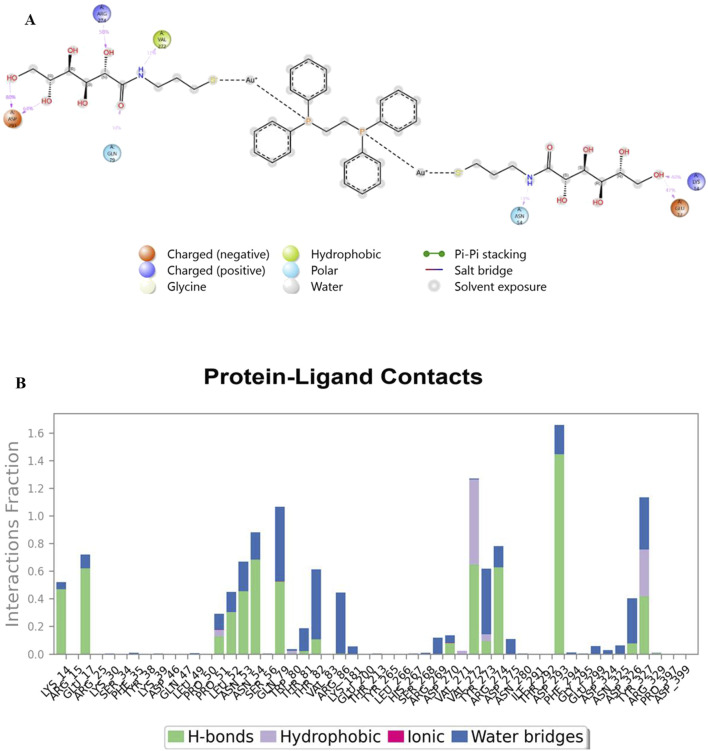 Figure 10
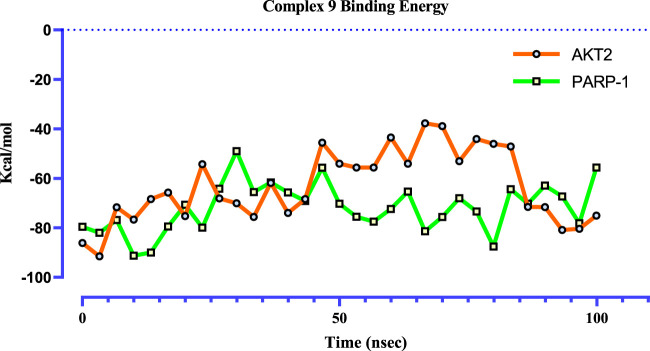 Figure 11
Peer Reviews
No public reviews on file for this paper yet. If you reviewed it on a platform where reviews are public (OpenReview, ICLR, NeurIPS, ICML), you can paste yours below so the community can read it here.
Videos
No videos yet. Explain this paper in a talk, walkthrough, or lecture? Add one.
Taxonomy
TopicsMicrotubule and mitosis dynamics · Metal complexes synthesis and properties · Magnetism in coordination complexes