Multiparameter flow cytometry enables immune profiling and IFN pathway analysis in human minor salivary glands
Eiko Yamada, Kalie Dominick, Rachel J. Kulchar, Joseph Twohig, Zohreh Khavandgar, Margaret Beach, Eileen Pelayo, Alan Baer, Paola Perez, Blake M. Warner

TL;DR
This study develops a flow cytometry protocol to analyze immune and epithelial cells in human salivary glands, revealing interferon pathway activity in Sjögren's Disease.
Contribution
A novel flow cytometry protocol for immune profiling and interferon pathway analysis in human minor salivary glands is developed and validated.
Findings
Optimized dissociation and permeabilization protocols preserved key cell surface markers in minor salivary glands.
The protocol identified immune cell populations and epithelial cells via cytokeratin-18 staining.
Interferon pathway activity was differentially detected in Sjögren's Disease versus healthy gland cells.
Abstract
We aimed to achieve direct quantitative measurement of activated and therapeutically actionable pathways (e.g., Type-I interferon) in target organs of autoimmune disease using flow cytometry of human salivary glands. Sjögren's Disease (SjD) is a systemic autoimmune disorder characterized by lymphocytic inflammation and dysfunction of the lacrimal and salivary glands. Minor salivary glands are routinely biopsied and are used for the histopathological diagnosis of SjD. In this study, we optimized the dissociation, permeabilization, antibody panel, and analytical parameters to characterize both the immune and epithelial cells in the glands, and the activation status of a specified pathway by measuring intracellular phosphorylated proteins. Fresh human MSG biopsies were dissociated into single-cell suspensions and permeabilized under optimized conditions. MSG suspensions were stained for…
Genes, proteins, chemicals, diseases, species, mutations and cell lines named across the full text — each resolved to its canonical identifier and authoritative record.
Click any figure to enlarge with its caption.
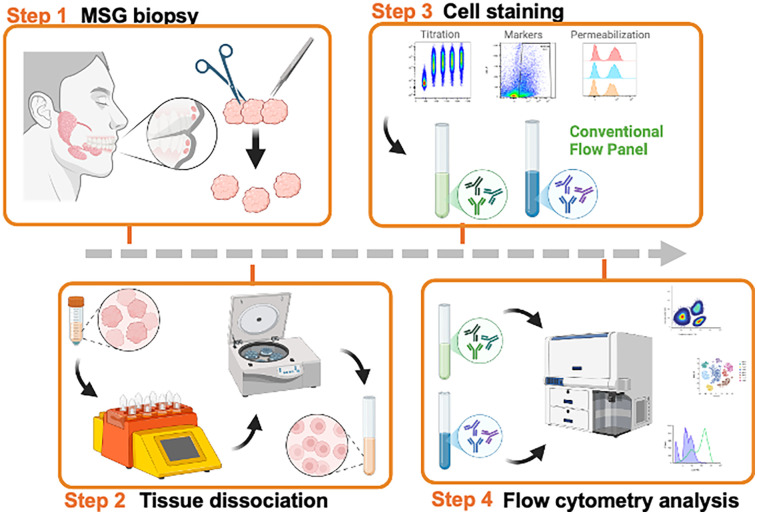 Figure 1
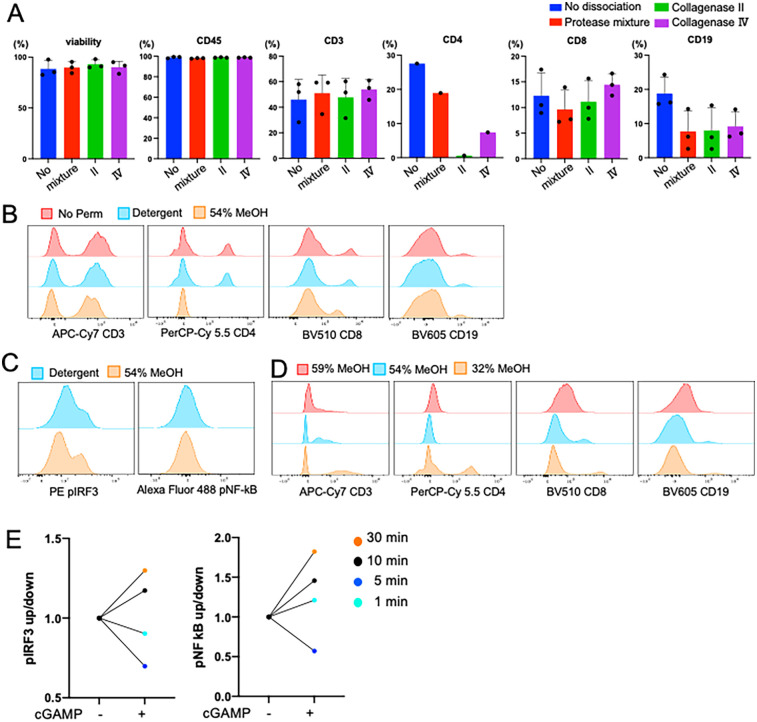 Figure 2
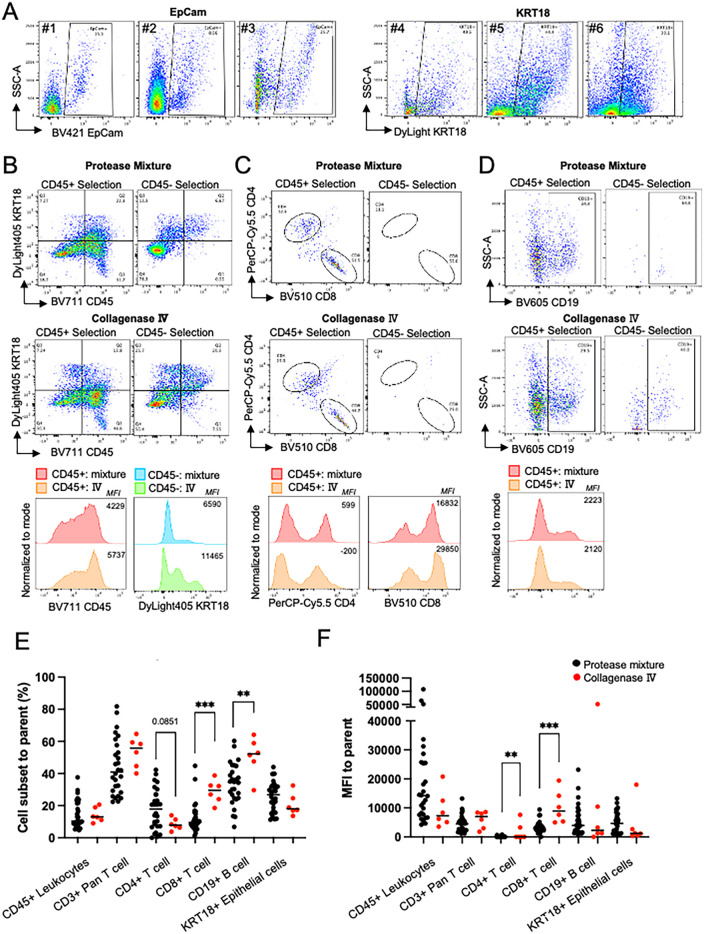 Figure 3
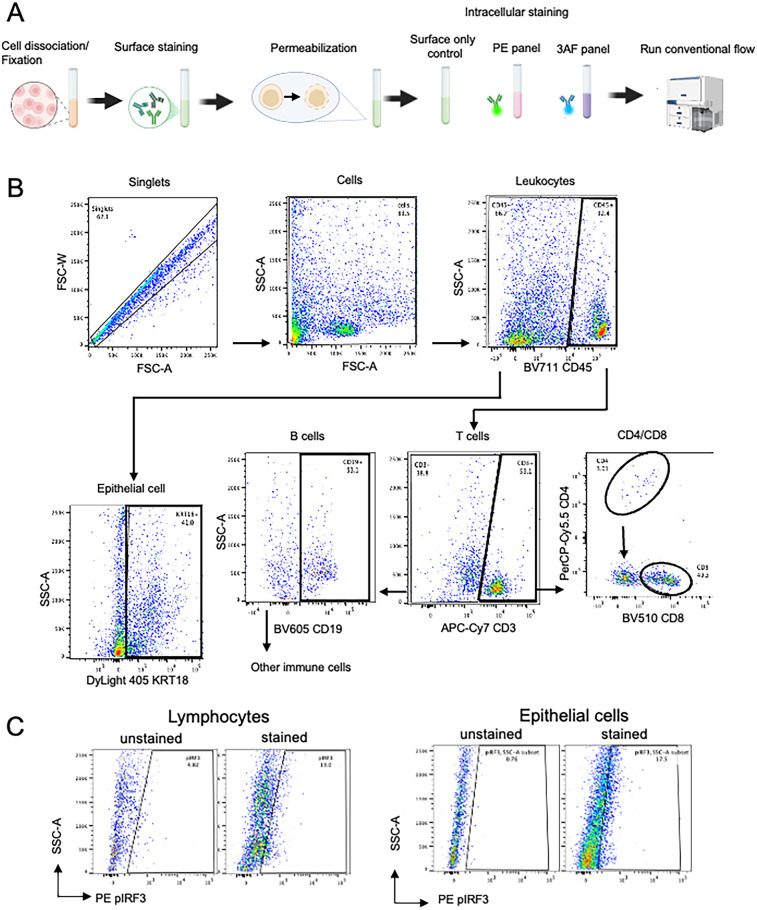 Figure 4
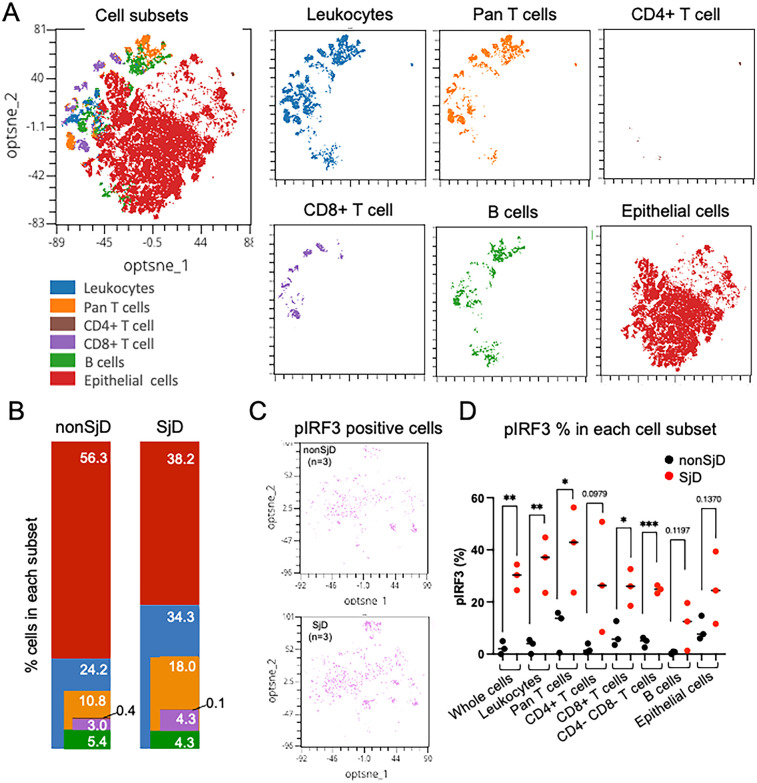 Figure 5
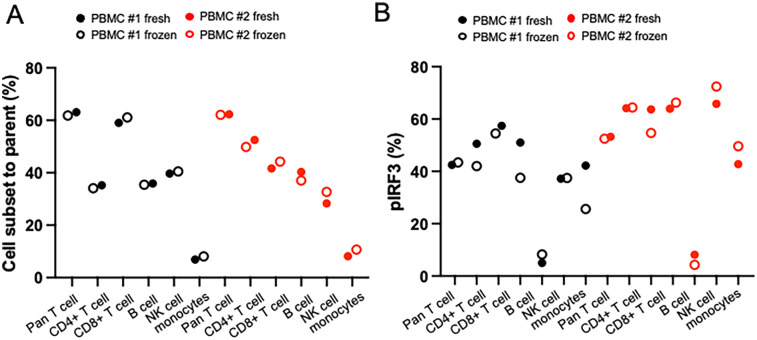 Figure 6
Peer Reviews
No public reviews on file for this paper yet. If you reviewed it on a platform where reviews are public (OpenReview, ICLR, NeurIPS, ICML), you can paste yours below so the community can read it here.
Videos
No videos yet. Explain this paper in a talk, walkthrough, or lecture? Add one.
Taxonomy
TopicsSalivary Gland Disorders and Functions · Salivary Gland Tumors Diagnosis and Treatment · Glycosylation and Glycoproteins Research