Establishment of a new approach for quality evaluation of Pseudobulbus Cremastrae seu Pleiones (Shancigu) based on multicomponent analysis and anti-liver cancer pharmacological effects
Yuxin Cao, Zhuangzhuang Hao, Mengmeng Liu, Jingwen Xue, Yuqing Wang, Tingyue Jiang, Ge Zhang, Wenxin Fan, ChunGuo Wang, Jinli Shi

TL;DR
This study develops a new method to evaluate the quality of Shancigu, a traditional Chinese medicine, by analyzing its active components and anti-liver cancer effects.
Contribution
A novel quality evaluation method for Shancigu integrating multicomponent analysis and pharmacological effects is established.
Findings
Eleven key anti-liver cancer components in Shancigu were identified and validated.
Quality evaluation showed no significant difference between the two commercial specifications of Shancigu.
Shancigu from Guizhou and Yunnan (Bingqiuzi) and Guizhou and Sichuan (Maocigu) showed better quality.
Abstract
Pseudobulbus Cremastrae seu Pleiones (Shancigu), a traditional Chinese medicine (TCM), has been extensively used in clinical practice for the treatment of various tumors, particularly liver cancer. Shancigu is classified into two commercial specifications—“Maocigu” and “Bingqiuzi”—which exhibit significant differences in appearance, chemical composition, and price, posing challenges for the quality control of medicinal materials. The aim of this study was to clarify the quality evaluation indicators based on the anti-liver cancer active components in Shancigu and to establish a reliable quality evaluation method to preliminarily assess the quality of Shancigu from different commercial specifications and production areas. Twenty-six batches of Shancigu samples were collected. High-performance liquid chromatography (HPLC) was used to establish fingerprint spectra. In vitro anti-liver…
Genes, proteins, chemicals, diseases, species, mutations and cell lines named across the full text — each resolved to its canonical identifier and authoritative record.
Click any figure to enlarge with its caption.
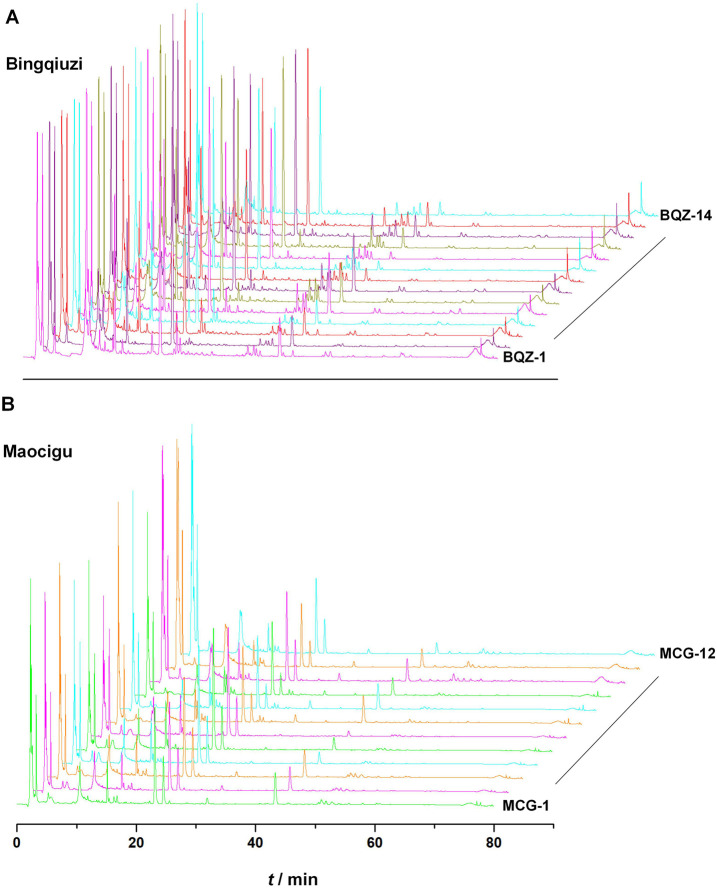 Figure 1
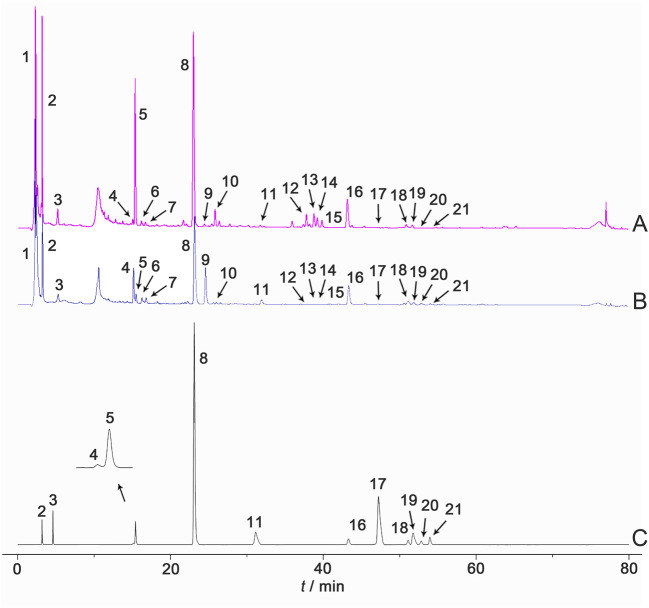 Figure 2
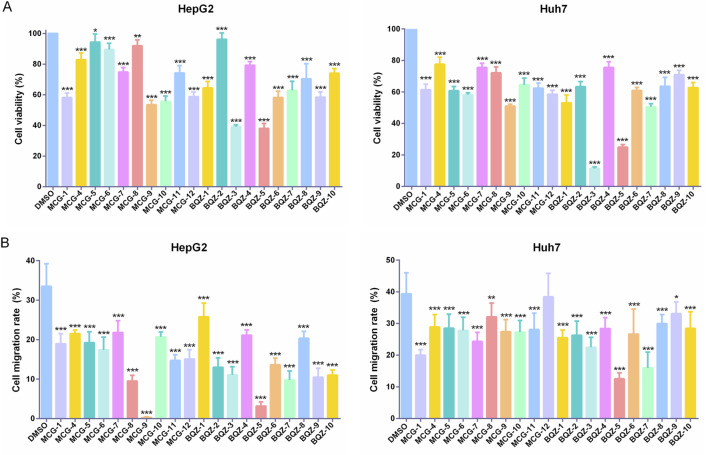 Figure 3
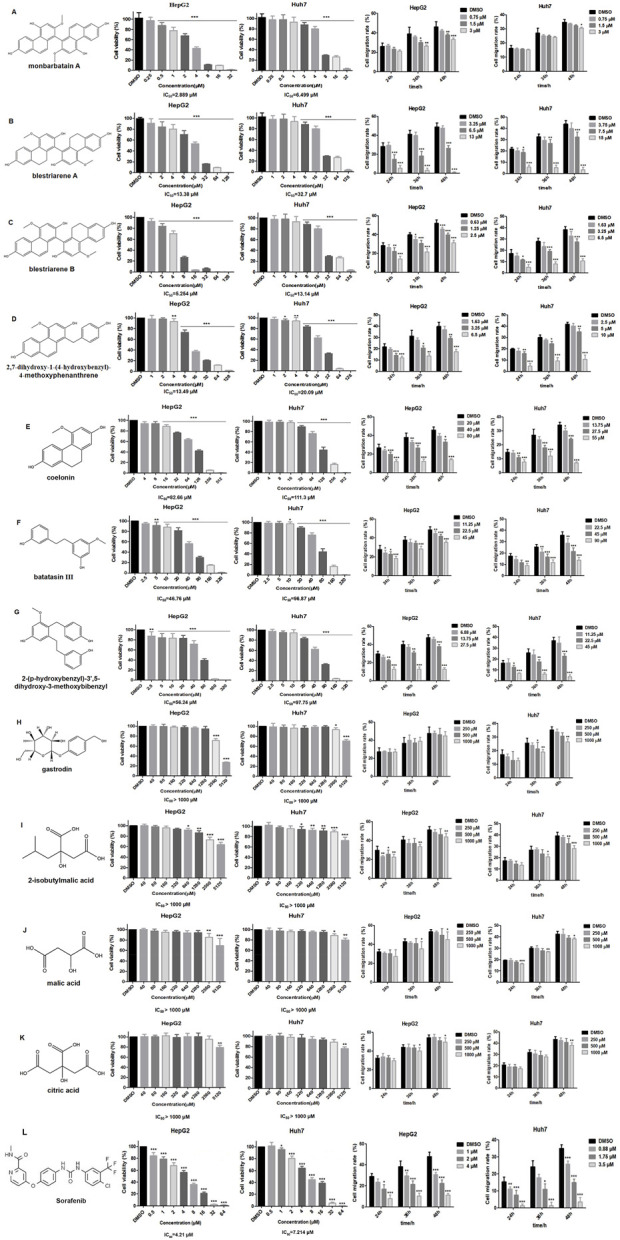 Figure 4
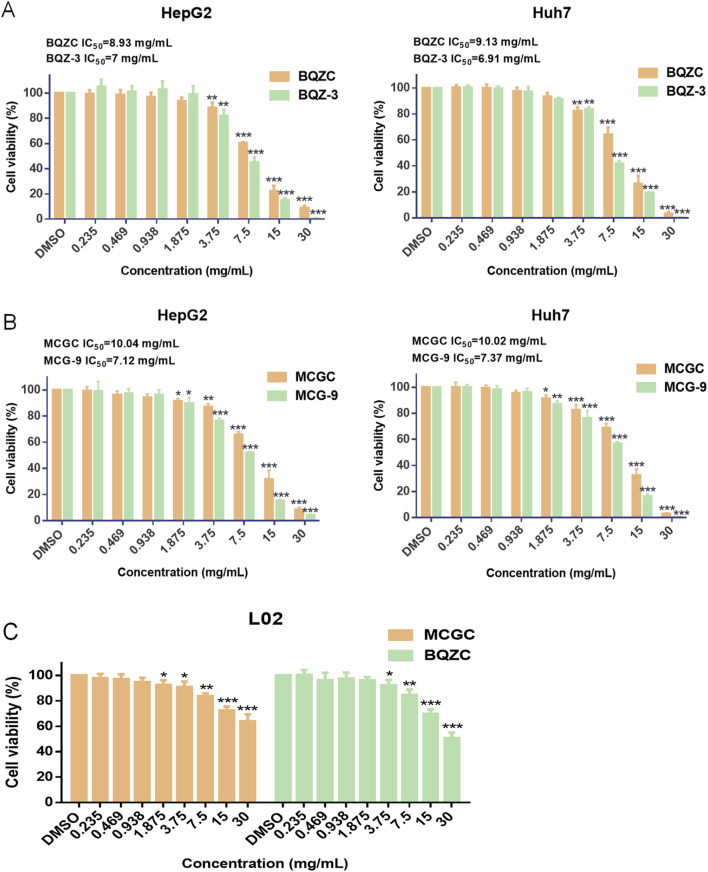 Figure 5
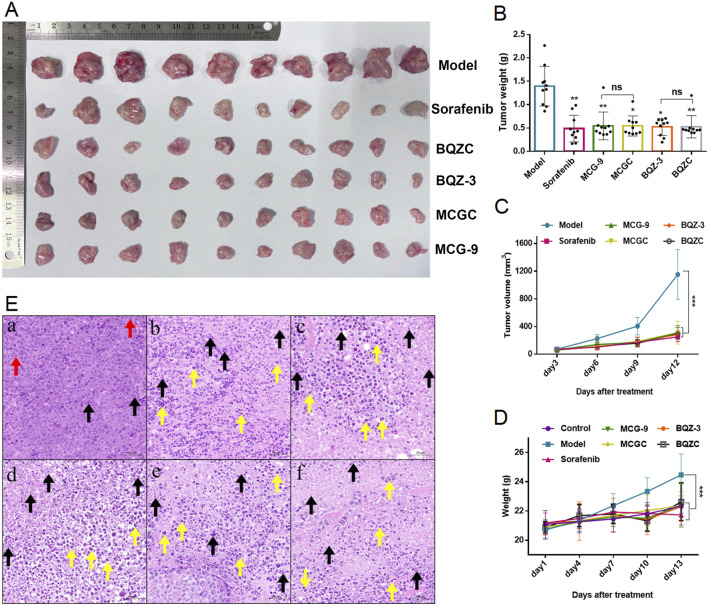 Figure 6
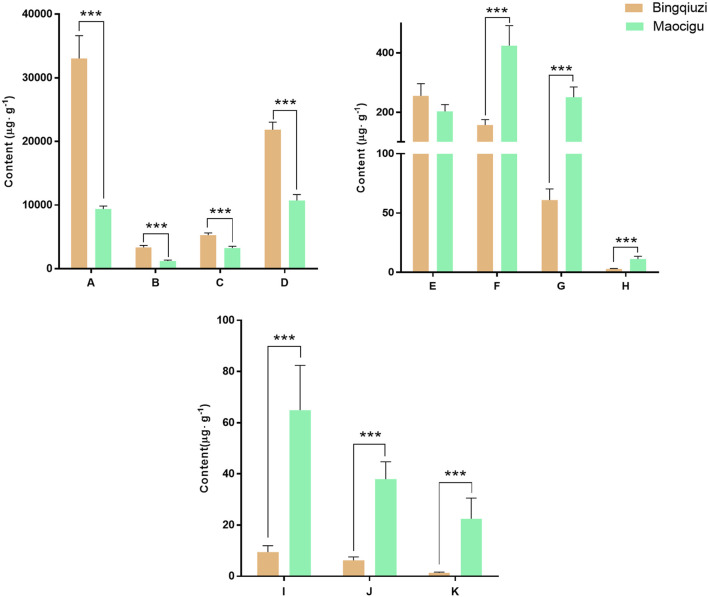 Figure 7
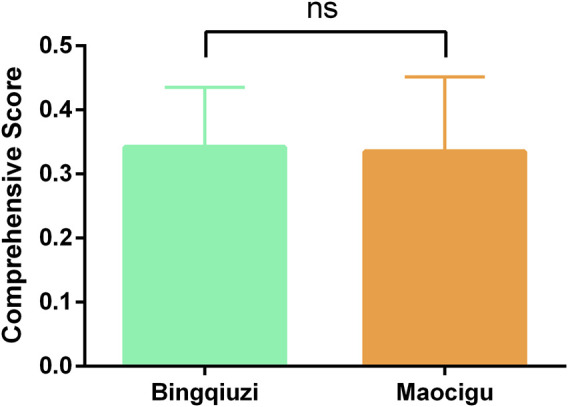 Figure 8
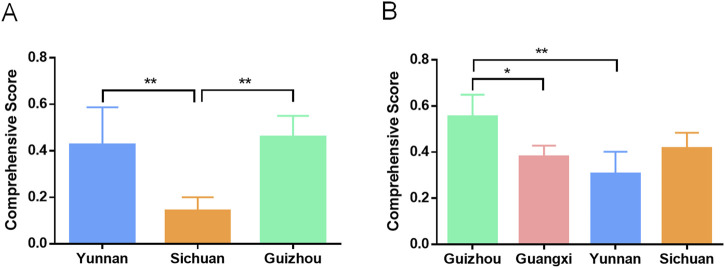 Figure 9
Peer Reviews
No public reviews on file for this paper yet. If you reviewed it on a platform where reviews are public (OpenReview, ICLR, NeurIPS, ICML), you can paste yours below so the community can read it here.
Videos
No videos yet. Explain this paper in a talk, walkthrough, or lecture? Add one.
Taxonomy
TopicsPhytochemistry and Biological Activities · Biological and pharmacological studies of plants · Essential Oils and Antimicrobial Activity