Electrophysiological indices of reward anticipation as ADHD risk and prognostic biomarkers
Nóra Bunford, Kristóf Ágrez, György Hámori, Júlia Koller, Attila Pulay, Zsófia Nemoda, János M. Réthelyi

TL;DR
This study explores how brain activity related to anticipating rewards can predict ADHD risk and future alcohol misuse in adolescents.
Contribution
The study identifies ERP measures of reward anticipation as potential ADHD risk and prognostic biomarkers.
Findings
Higher ADHD genetic risk scores correlate with reduced brain activity during reward anticipation.
Lower brain activity during reward anticipation predicts increased alcohol consumption in at-risk adolescents.
These associations remained significant after adjusting for behavioral performance variables.
Abstract
The attention-deficit/hyperactivity disorder (ADHD) clinical phenotype has limitations for deciphering ADHD etiology and predicting prognosis. Although relative to the clinical phenotype, intermediate phenotypes may have better explanatory and prognostic power, the extent to which ADHD intermediate phenotypes are associated with ADHD risk and prognosis is unknown. The aim of this study was to evaluate evidence for event-related potential (ERP) measures of reward anticipation as ADHD risk and prognostic biomarkers. We examined, whether (1) in a sample of adolescents (N = 304; Mage = 15.78 years, SD = 1.08; 39.5% female), accounting for the effects of age, sex, ADHD severity and depression, ERPs are associated with ADHD polygenic risk scores (PRSs) (ADHD risk) and (2) in a sample of adolescents at-risk for ADHD (n = 99; Mage = 15.78 years, SD = 1.08; 39.5% female), accounting for the…
Genes, proteins, chemicals, diseases, species, mutations and cell lines named across the full text — each resolved to its canonical identifier and authoritative record.
Click any figure to enlarge with its caption.
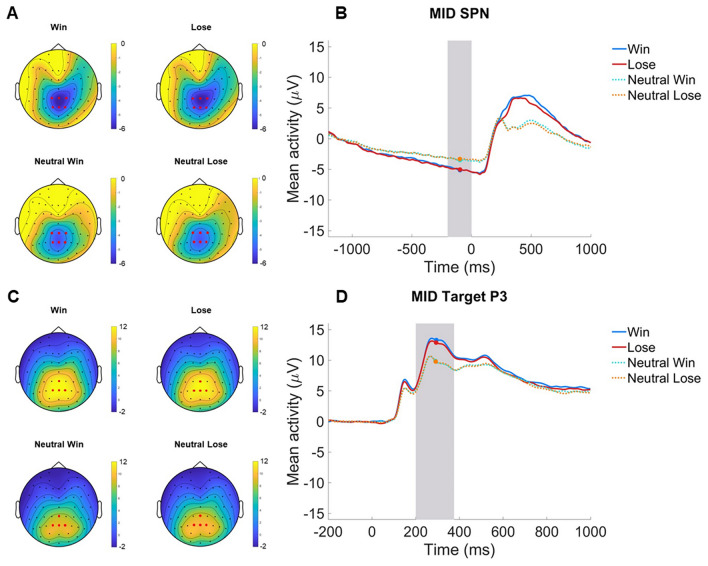 Figure 1
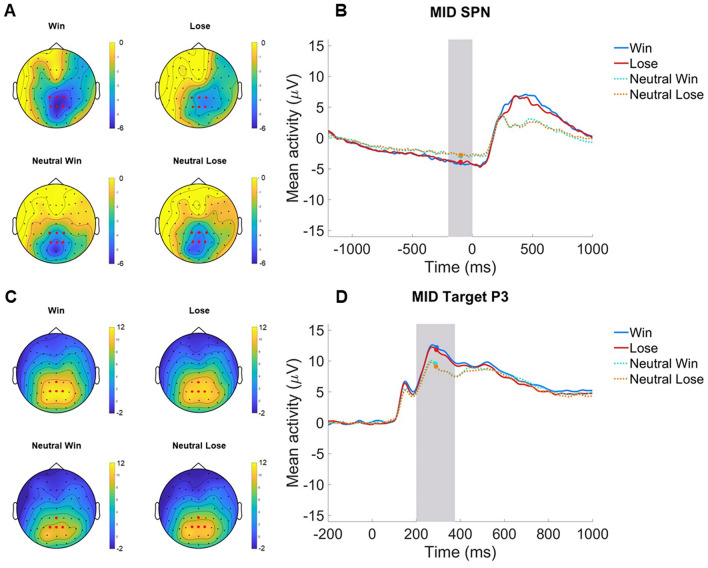 Figure 2
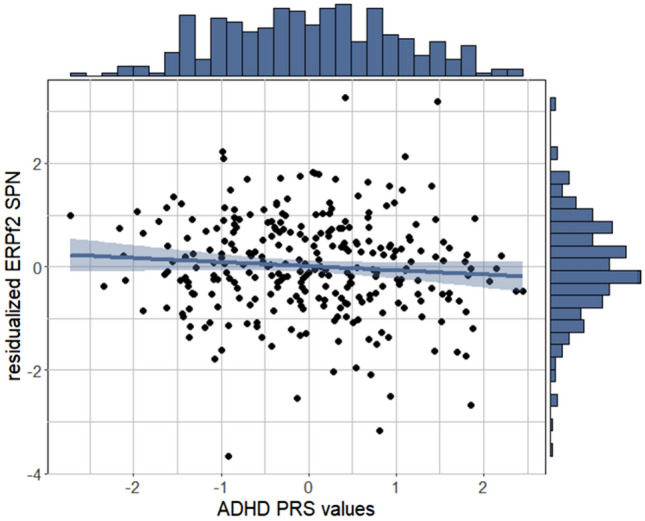 Figure 3
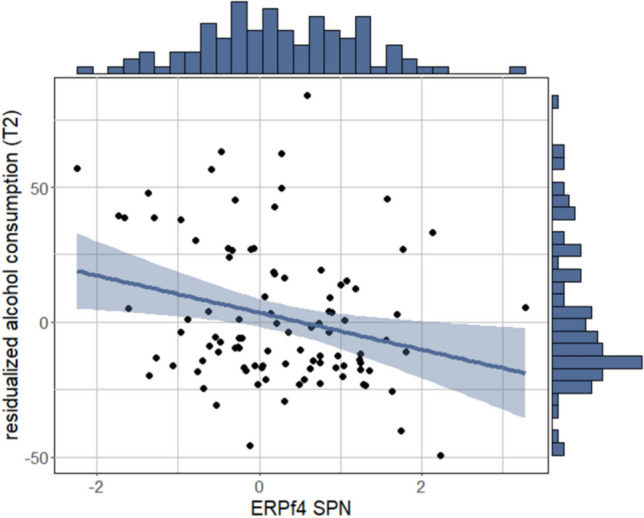 Figure 4
Peer Reviews
No public reviews on file for this paper yet. If you reviewed it on a platform where reviews are public (OpenReview, ICLR, NeurIPS, ICML), you can paste yours below so the community can read it here.
Videos
No videos yet. Explain this paper in a talk, walkthrough, or lecture? Add one.
Taxonomy
TopicsAttention Deficit Hyperactivity Disorder · Neural and Behavioral Psychology Studies · Heart Rate Variability and Autonomic Control