Guanidinylation of the cold shock protein YB‐1: Molecular basis, structural changes and Notch‐3 receptor binding
Anna Leitz, Batuhan Kav, Xiyang Liu, Hebah Fatafta, Vera Jankowski, Bastian Aggeler, Yingying Gao, Ina Verena Martin, Kristian Vogt, Rafael Kramann, Tammo Ostendorf, Thomas Rauen, Birgit Strodel, Ute Raffetseder

TL;DR
This study explores how a modification called guanidinylation affects the structure and function of the YB-1 protein and its interaction with the Notch-3 receptor.
Contribution
The study reveals molecular mechanisms of YB-1 guanidinylation and identifies a new high-affinity binding site on the Notch-3 receptor.
Findings
Guanidinylation of YB-1 reduces β-sheet formation and increases solvent exposure of its cold shock domain.
YB-1 and its guanidinylated form bind similarly to Notch-3 receptor domains.
YB-1 displaces the canonical ligand Jagged by binding to a new site on Notch-3.
Abstract
Posttranslational modifications of Y‐box binding protein (YB)‐1 are the prerequisite for its very different protein functions. Here, we investigate the underlying molecular mechanisms of YB‐1 guanidinylation and link increased serum urea levels as well as the activity of glycine amidinotransferase (GATM) with guanidinylation. Computer simulations show changes in stability and conformation of the YB‐1 protein induced by these modifications. In particular, the secondary structure of the doubly guanidinylated YB‐1 (YB‐1‐2G) shows a reduced tendency to form β‐sheets, and the modified cold shock domain is more exposed to the solvent. Protein–protein docking techniques in conjunction with molecular dynamics simulations confirm the binding between YB‐1 and its receptor Notch‐3 at EGF domains 17–24 but show no significant differences in the binding behavior of YB‐1 and YB‐1‐2G. This is…
Genes, proteins, chemicals, diseases, species, mutations and cell lines named across the full text — each resolved to its canonical identifier and authoritative record.
Click any figure to enlarge with its caption.
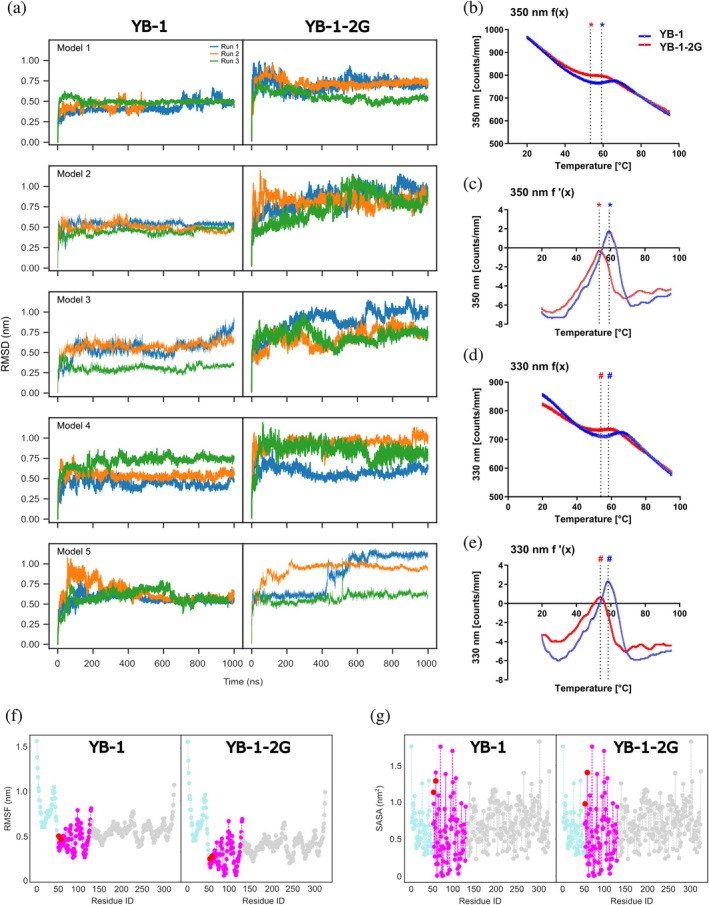 Figure 1
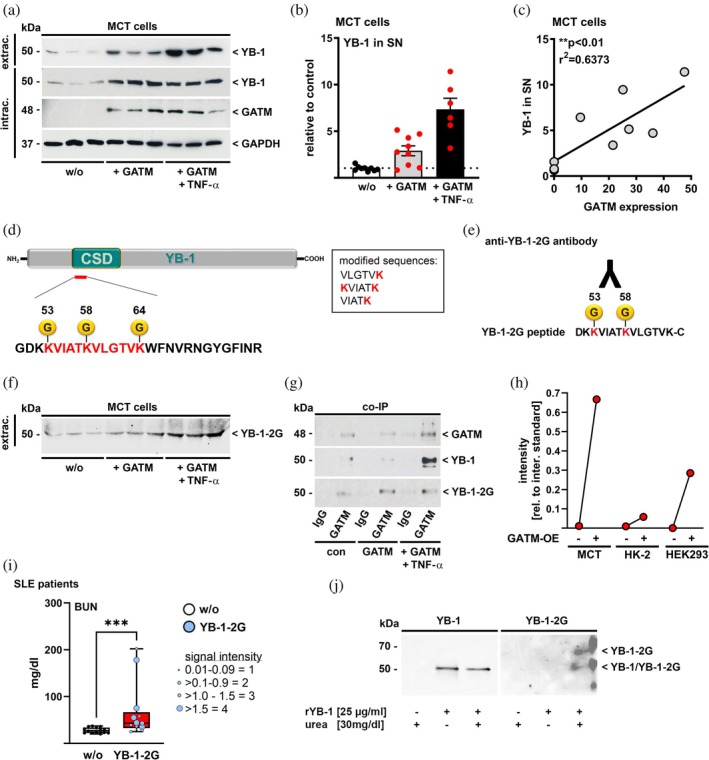 Figure 2
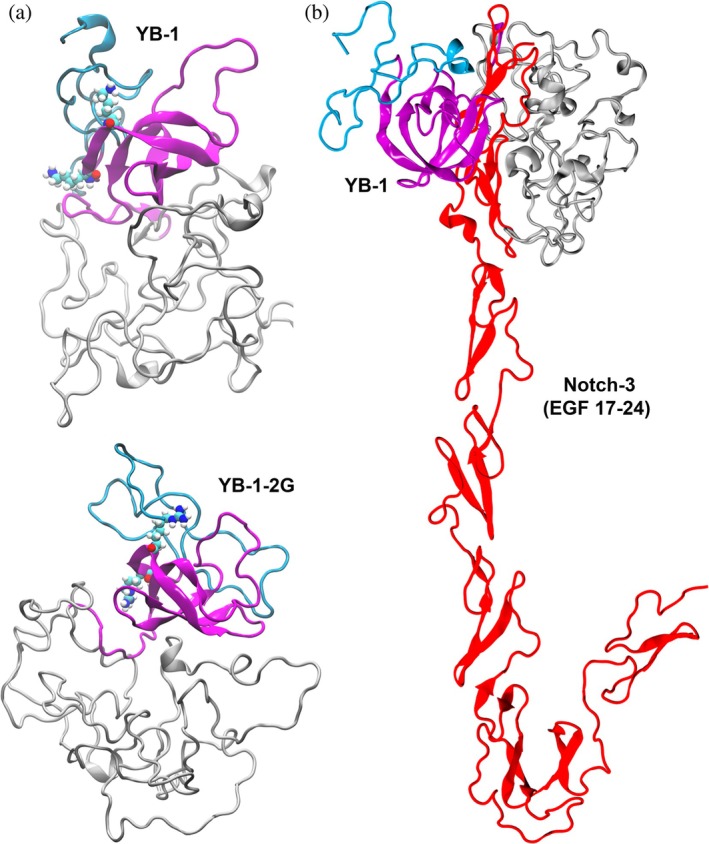 Figure 3
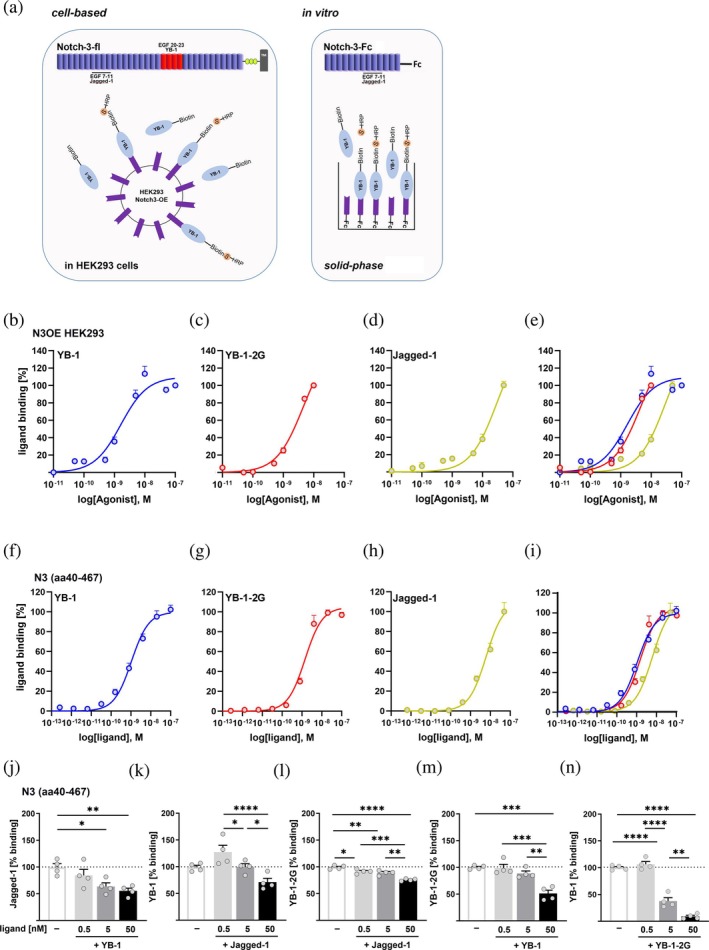 Figure 4
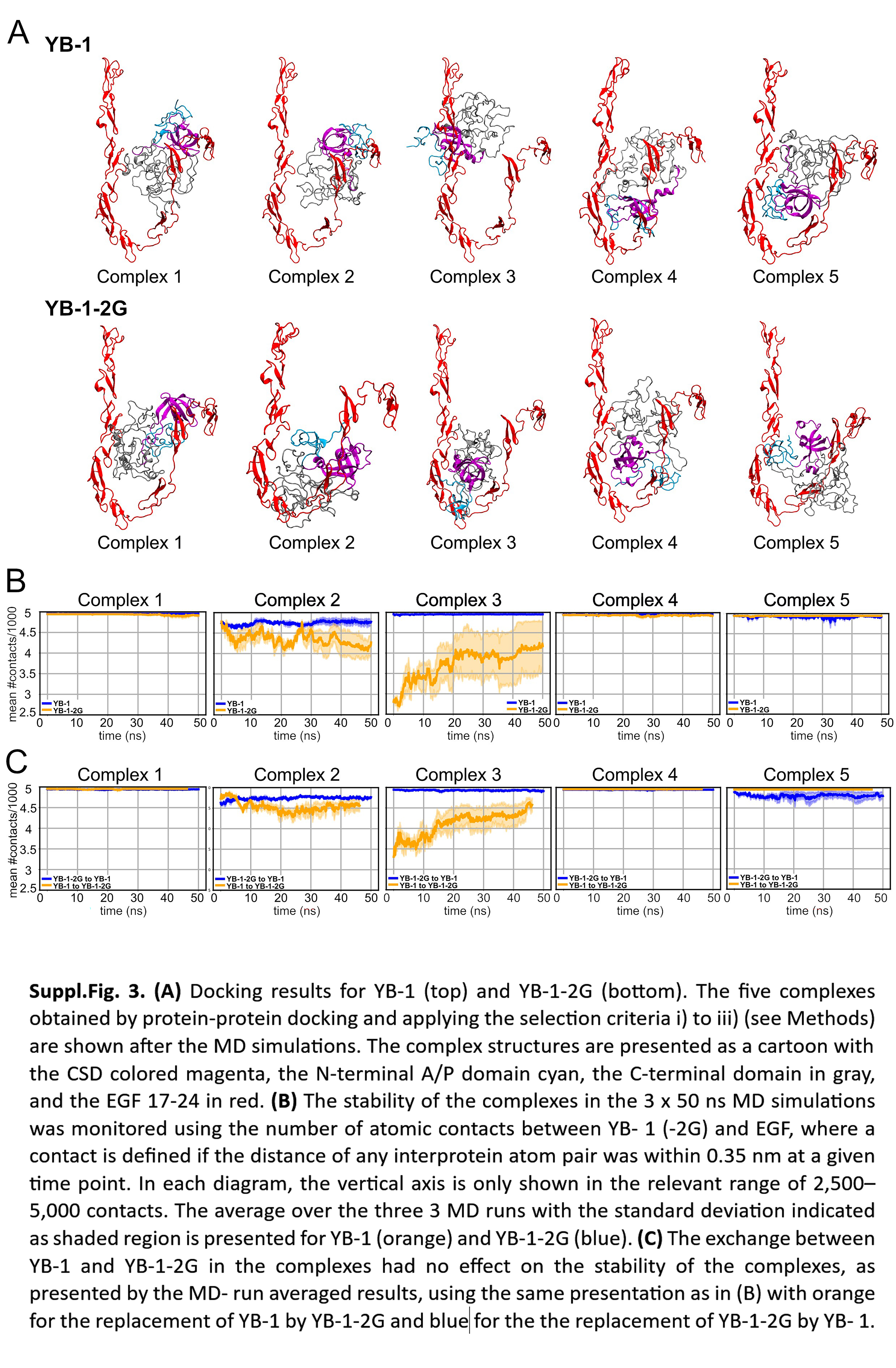 Figure 5
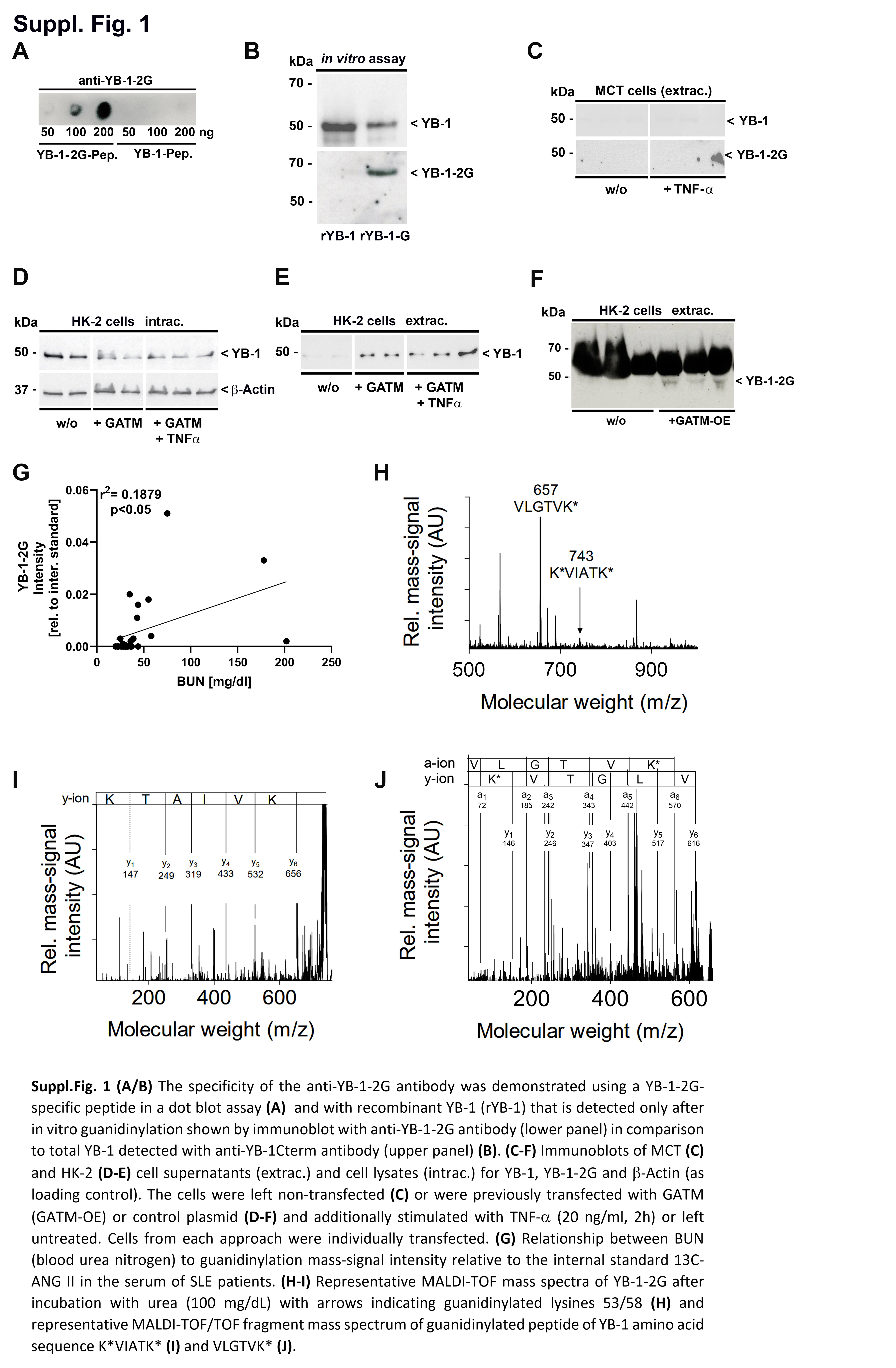 Figure 6
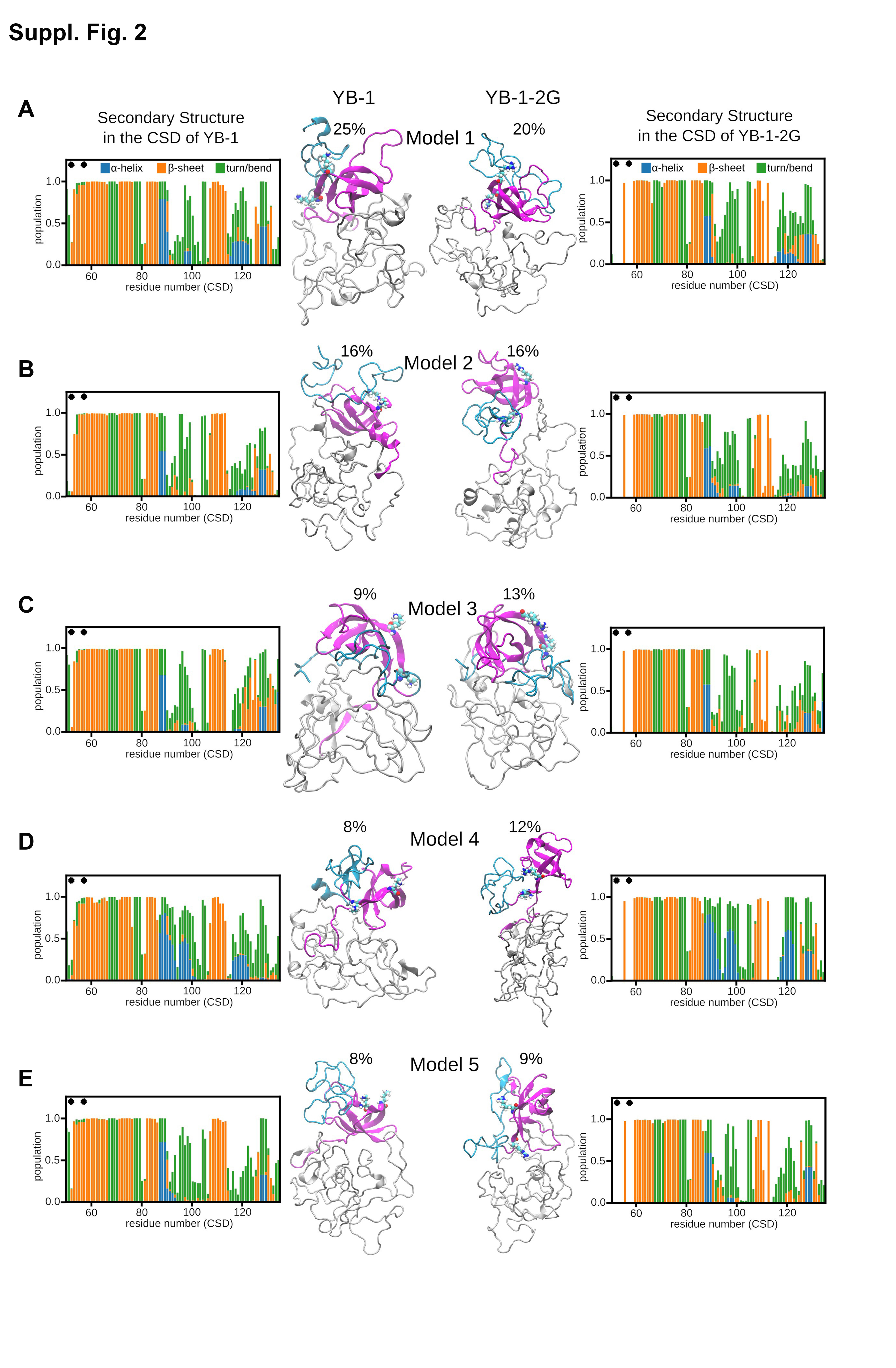 Figure 7
Peer Reviews
No public reviews on file for this paper yet. If you reviewed it on a platform where reviews are public (OpenReview, ICLR, NeurIPS, ICML), you can paste yours below so the community can read it here.
Videos
No videos yet. Explain this paper in a talk, walkthrough, or lecture? Add one.
Taxonomy
TopicsProtein Structure and Dynamics · Heat shock proteins research · Mass Spectrometry Techniques and Applications