Consensus Sequences for Gag and Pol Introduced into HIV-1 Clade B Laboratory Strains Differentially Influence the Impact of Point Mutations Associated with Immune Escape and with Drug Resistance on Viral Replicative Capacity
Sven Breitschwerdt, Benedikt Grandel, Benedikt Asbach, Franziska Winter, Todd Allen, Ralf Wagner, Bernd Salzberger, Arne Schneidewind

TL;DR
This study shows that the genetic background of HIV-1 affects how mutations from immune escape and drug resistance influence viral replication.
Contribution
The study demonstrates that the viral backbone significantly impacts the replicative fitness of HIV-1 variants with immune escape or drug resistance mutations.
Findings
Viral variants with consensus sequences replicate in vitro but at lower rates than NL4-3.
The R264K mutation dramatically reduces infection rates in both NL4-3 and consensus backbones.
Some drug resistance mutations increase infection rates on consensus backbones but reduce them on NL4-3.
Abstract
Viral evasion from effective human immunodeficiency virus type 1 (HIV-1)-specific CD8+ T-cell responses and from antiretroviral therapy through viral sequence variation is frequently accompanied by a loss in viral fitness. The impact of sequence variations on replication capacity in vitro was mostly studied by introducing single mutations into a specific clonal strain such as NL4-3. How the specific viral backbone itself impacts replicative fitness remains elusive. To test for a potential effect of the viral backbone, we constructed HIV-1 clade B clones with consensus sequences for gag and/or pol and evaluated the infectivity of viral variants harboring well-defined cytotoxic T-lymphocyte (CTL) escape mutations or drug resistance mutations within this backbone or the clonal NL4-3 strain. Viral variants with consensus sequences were replication-competent in vitro, although at lower rates…
Genes, proteins, chemicals, diseases, species, mutations and cell lines named across the full text — each resolved to its canonical identifier and authoritative record.
Click any figure to enlarge with its caption.
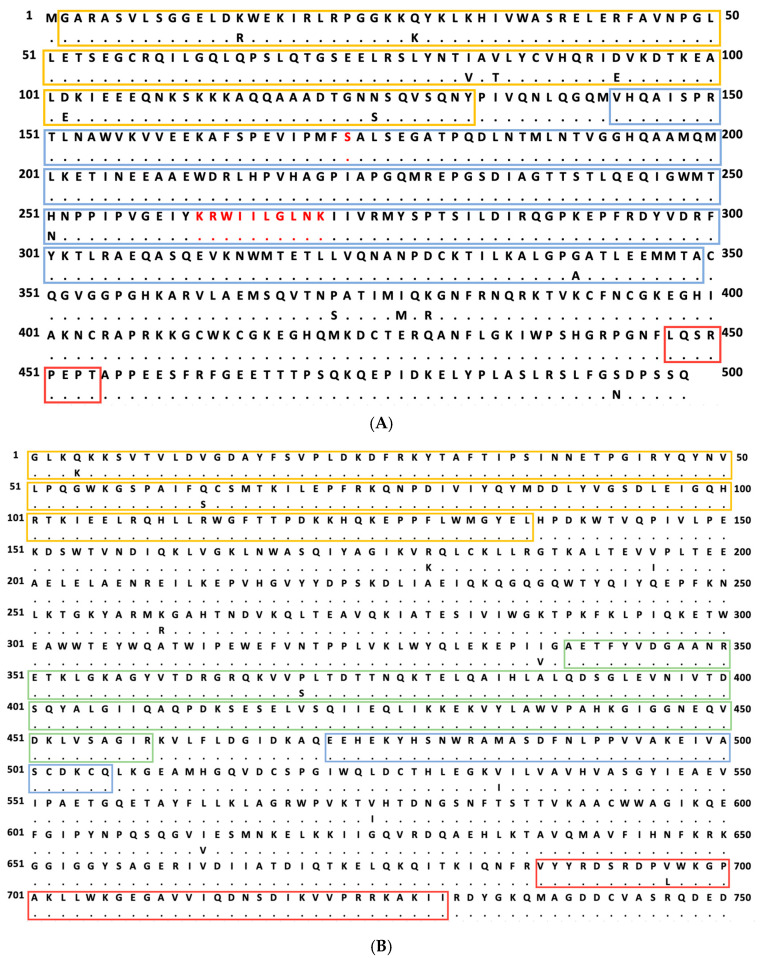 Figure 1
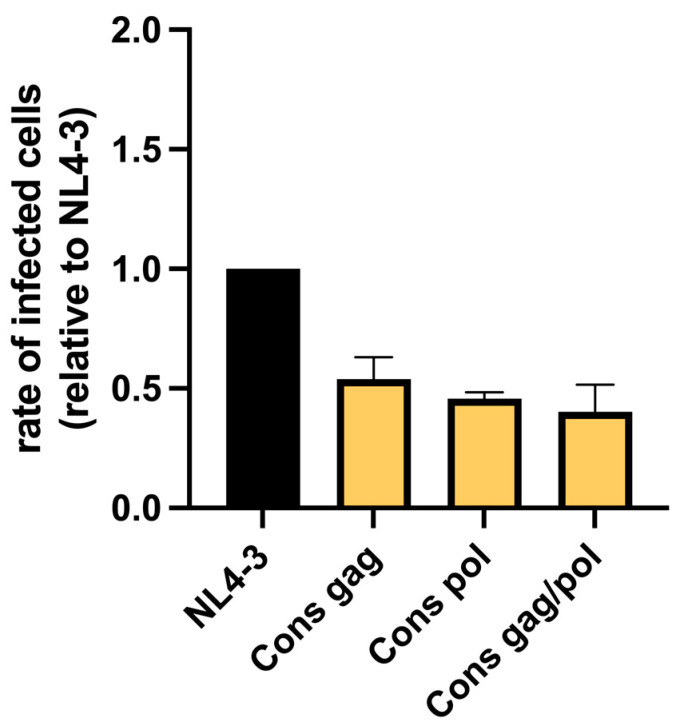 Figure 2
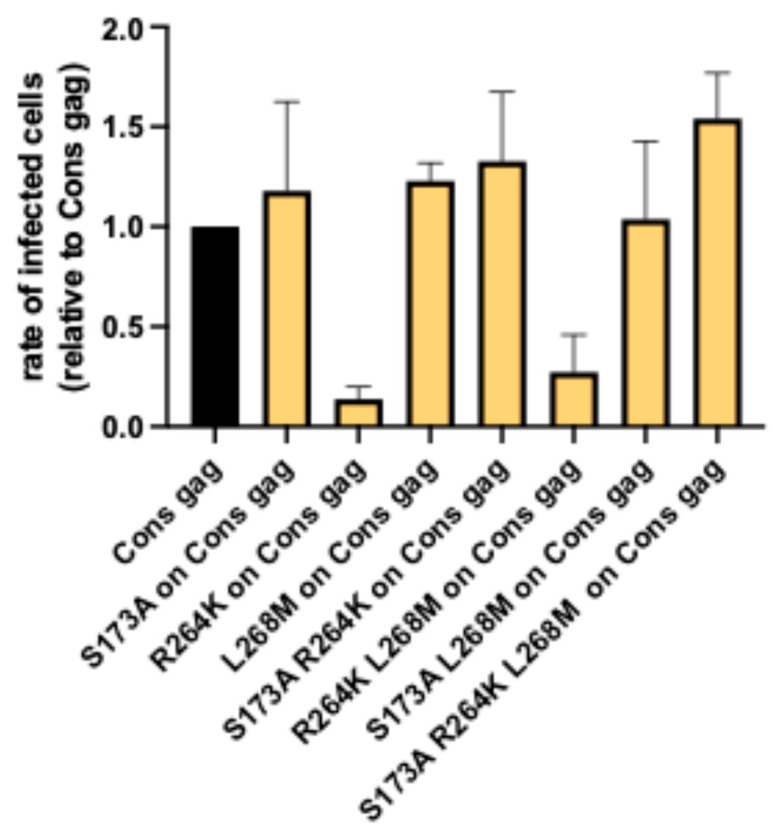 Figure 3
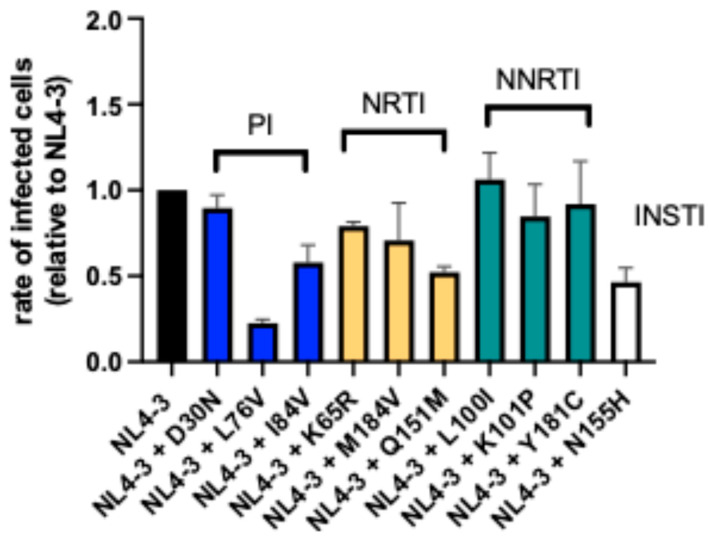 Figure 4
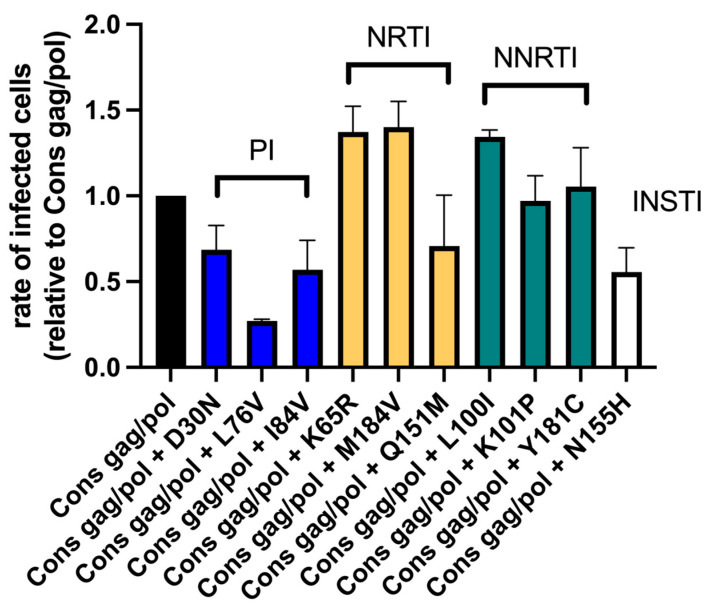 Figure 5
Peer Reviews
No public reviews on file for this paper yet. If you reviewed it on a platform where reviews are public (OpenReview, ICLR, NeurIPS, ICML), you can paste yours below so the community can read it here.
Videos
No videos yet. Explain this paper in a talk, walkthrough, or lecture? Add one.
Taxonomy
TopicsHIV Research and Treatment · HIV/AIDS drug development and treatment · HIV/AIDS Research and Interventions