A High-Throughput and Robust Relative Potency Assay Measuring Human Cytomegalovirus Infection in Epithelial Cells for Vaccine Development
Nicole M. Smiddy, Nisarg Patel, Matthew C. Troutman, Kristine M. Kearns, Zachary P. Davis, Christopher S. Adams, Carl Hofmann, Donald J. Warakomski, Harrison Davis, Daniel Spatafore, Adam Kristopeit, Pete DePhillips, John W. Loughney

TL;DR
A new high-throughput assay called IRVE was developed to measure HCMV vaccine potency in epithelial cells, supporting vaccine development efforts.
Contribution
The IRVE assay introduces a high-throughput, automated method for measuring HCMV vaccine potency in epithelial cells.
Findings
The IRVE assay effectively detects changes in HCMV vaccine potency under various process and formulation conditions.
Key parameters like cell density and infection time were optimized for the IRVE assay.
The IRVE assay was validated against historical HCMV potency assays like plaque and IEE.
Abstract
Background/Objectives: A preventative vaccine against human cytomegalovirus (HCMV) infection and disease remains an unmet medical need. Several attenuated virus and antigen-based HCMV vaccine candidates have been proposed; however, development challenges have limited their progression through the clinical pipeline. Method: A high-throughput and robust relative potency assay, Imaging of Relative Viral Expression (IRVE), was developed and applied to measure the infection of a live-attenuated HCMV vaccine candidate in ARPE-19 epithelial cells. The IRVE assay measures HCMV infection by immunostaining Immediate Early 1 (IE1) protein and enumeration of IE1-positive, infected cells against total cells. Increased throughput was accomplished using 384-well plate automation on a custom-designed integrated robotic system. Results: The IRVE assay effectively measures relative potency changes in an…
Genes, proteins, chemicals, diseases, species, mutations and cell lines named across the full text — each resolved to its canonical identifier and authoritative record.
Click any figure to enlarge with its caption.
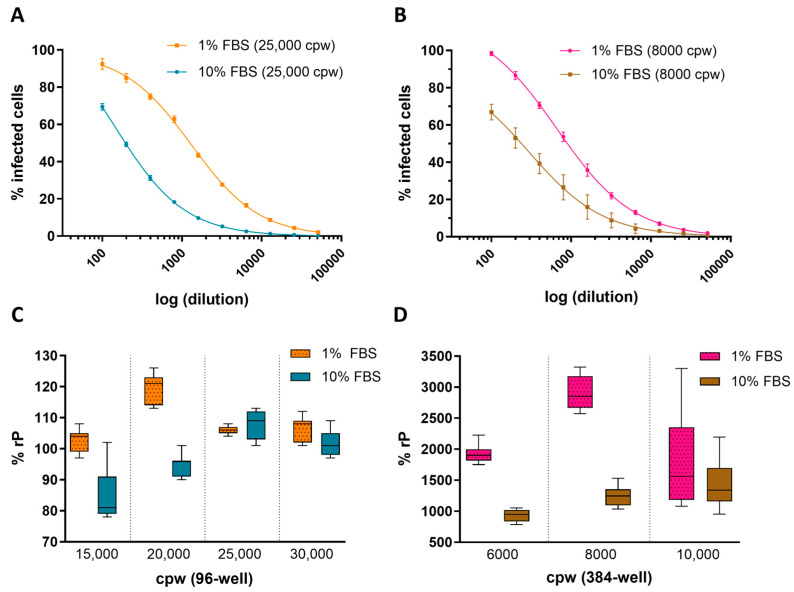 Figure 1
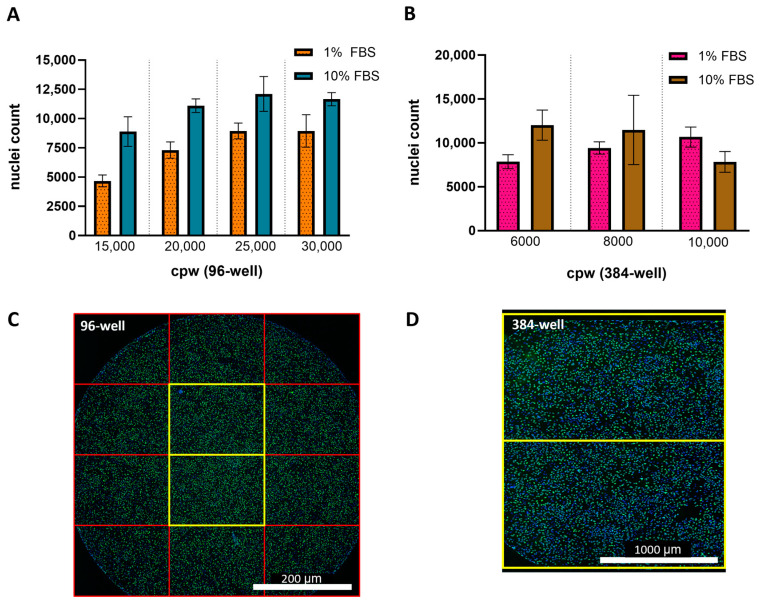 Figure 2
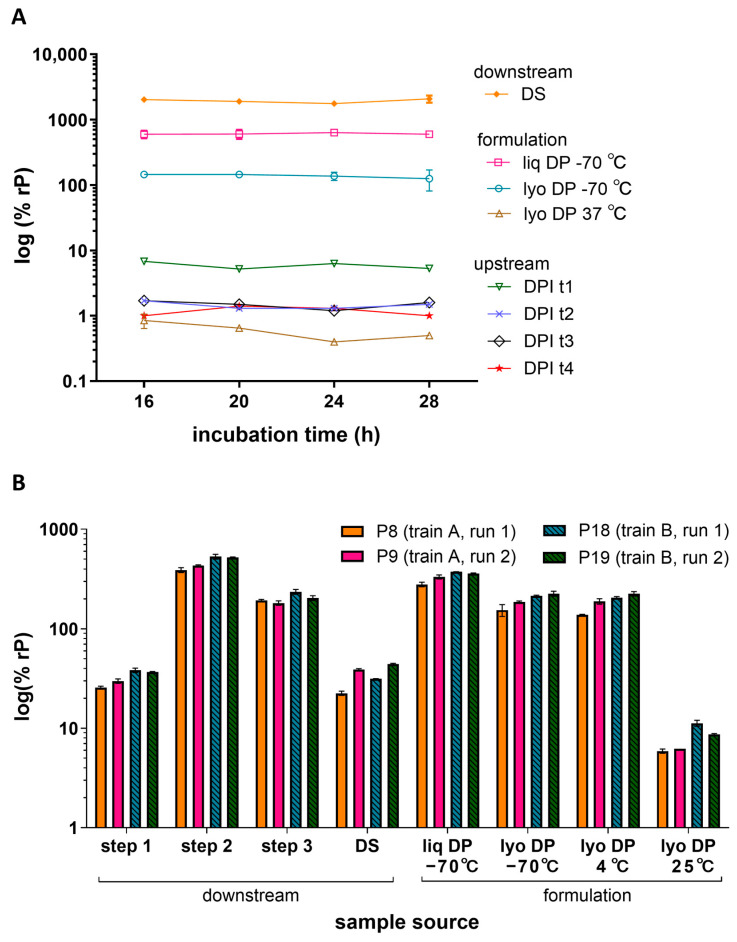 Figure 3
 Figure 4
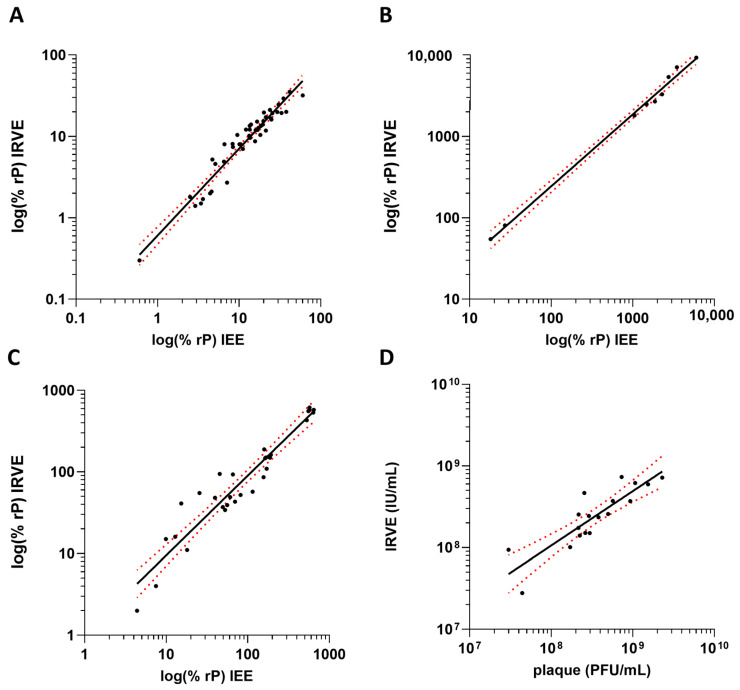 Figure 5
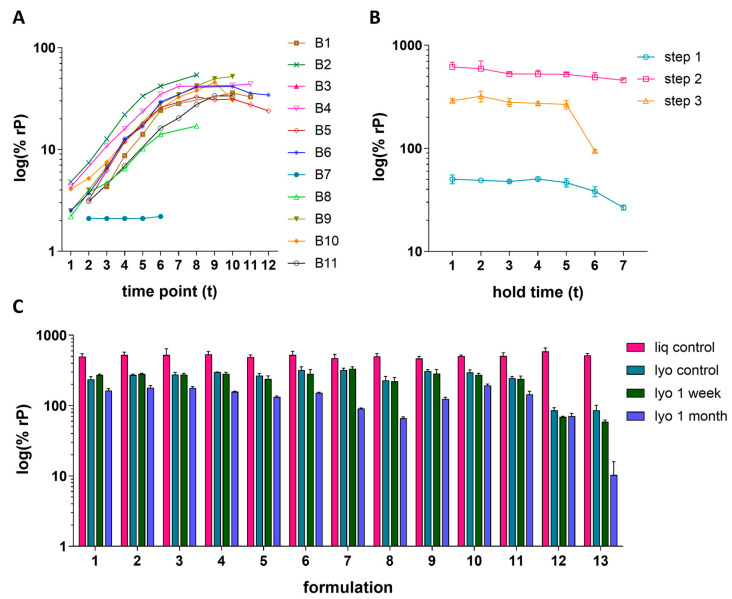 Figure 6
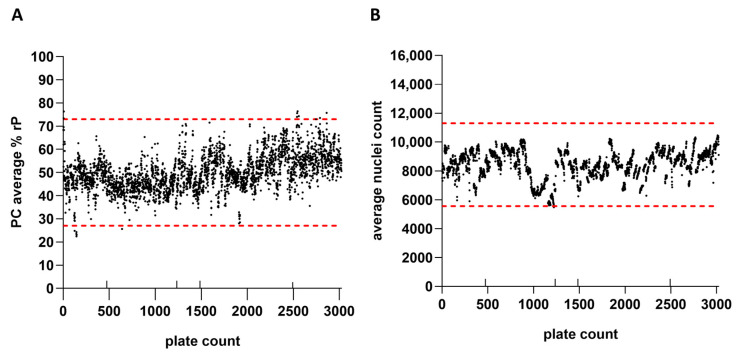 Figure 7
Peer Reviews
No public reviews on file for this paper yet. If you reviewed it on a platform where reviews are public (OpenReview, ICLR, NeurIPS, ICML), you can paste yours below so the community can read it here.
Videos
No videos yet. Explain this paper in a talk, walkthrough, or lecture? Add one.
Taxonomy
TopicsCytomegalovirus and herpesvirus research · Herpesvirus Infections and Treatments · Advanced biosensing and bioanalysis techniques