Cyranose® 320 eNose Effectively Differentiates Pre- and Post-Challenge Respiratory Samples in an Induced Bovine Respiratory Disease Model
Conrad S. Schelkopf, Leslie F. Weaver, Michael D. Apley, Roman M. Pogranichniy, Lance W. Noll, Jianfa Bai, Raghavendra G. Amachawadi, Brian V. Lubbers

TL;DR
A handheld electronic nose can accurately detect pneumonia in cattle using nasal swabs, offering a promising tool for early diagnosis and improved animal care.
Contribution
The study demonstrates the effectiveness of the Cyranose® 320 eNose in differentiating pre- and post-challenge respiratory samples in a bovine pneumonia model.
Findings
The eNose accurately classified pre-challenge nasal swab samples with 93.5% accuracy.
Post-challenge classification accuracy was 97.8% for nasal swabs but dropped to 72.5% for expired air samples.
Nasal swabs were identified as the optimal sample type for eNose use due to higher accuracy and ease of collection.
Abstract
Diagnostic tools that can accurately detect pneumonia in cattle on-farm and provide early, consistent, and easy-to-interpret results are sparse. This study tested a handheld electronic nose (eNose) to determine its capability in accurately diagnosing cattle experimentally infected with a common virus and bacteria of cattle pneumonia. Additionally, multiple sampling methods were tested to determine the optimum sample type for use on the eNose. When samples collected from animals are tested on the eNose, the device provides a single result related to the pneumonia status of the animal, making implementation on-farm straightforward for the device operator. Results showed that the eNose was able to accurately classify animals based on their pneumonia status. Nasal swab samples were the ideal sample type for use on the eNose due to better accuracy and ease of use. The eNose’s ability to…
Genes, proteins, chemicals, diseases, species, mutations and cell lines named across the full text — each resolved to its canonical identifier and authoritative record.
Click any figure to enlarge with its caption.
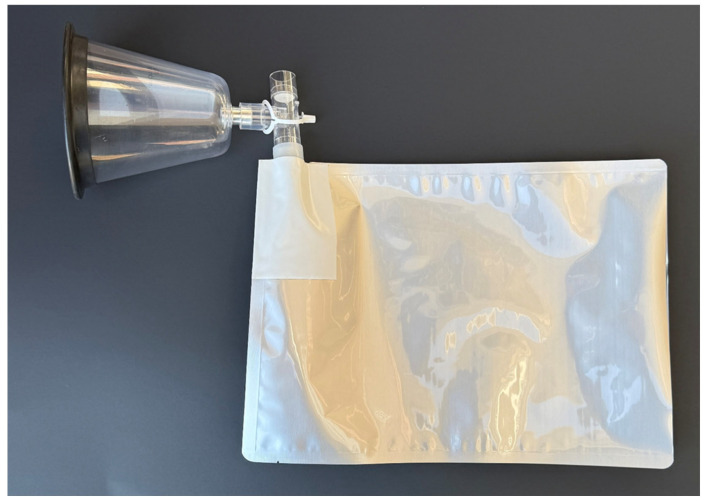 Figure 1
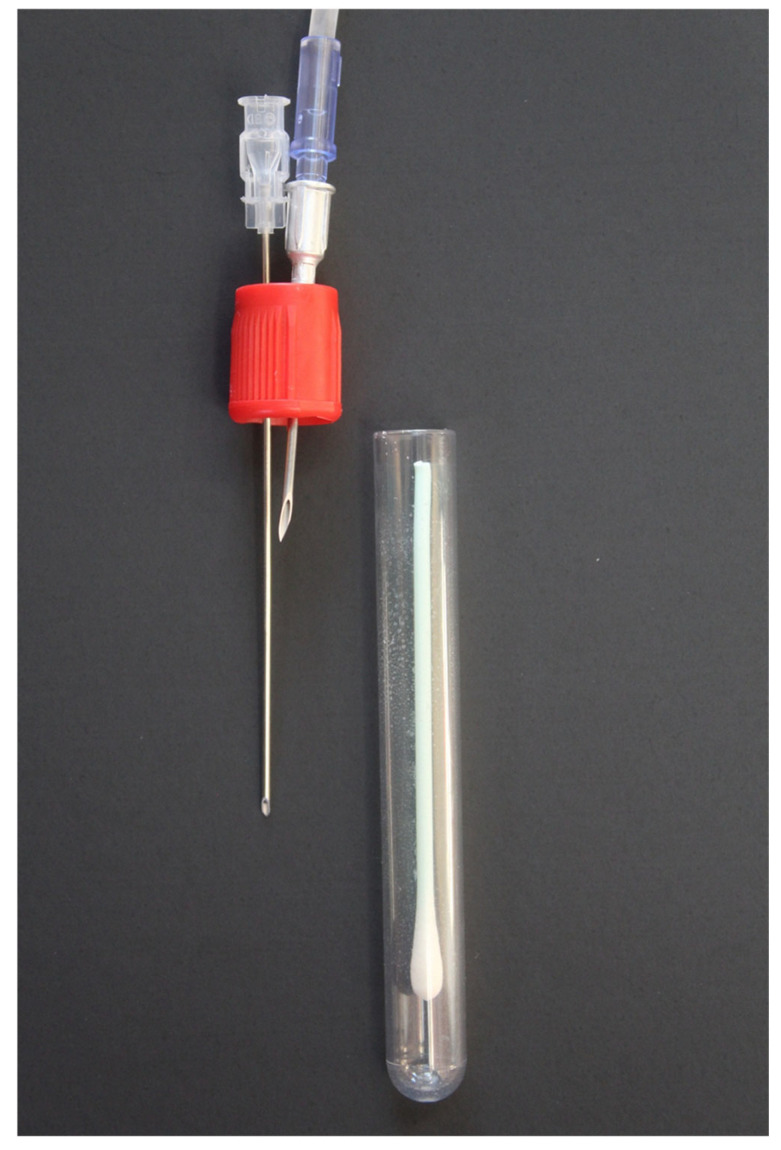 Figure 2
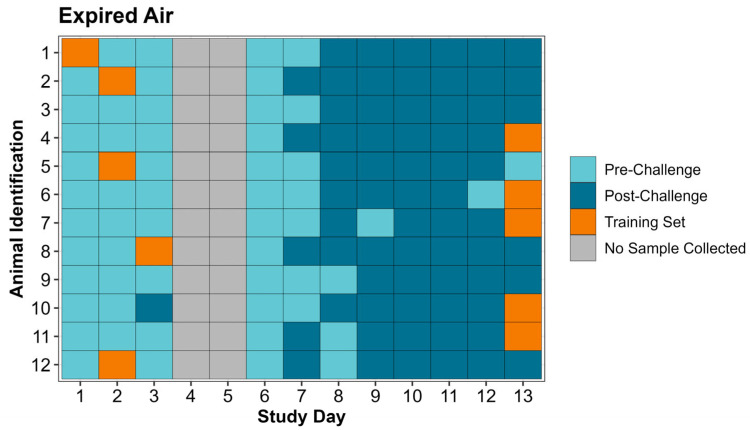 Figure 3
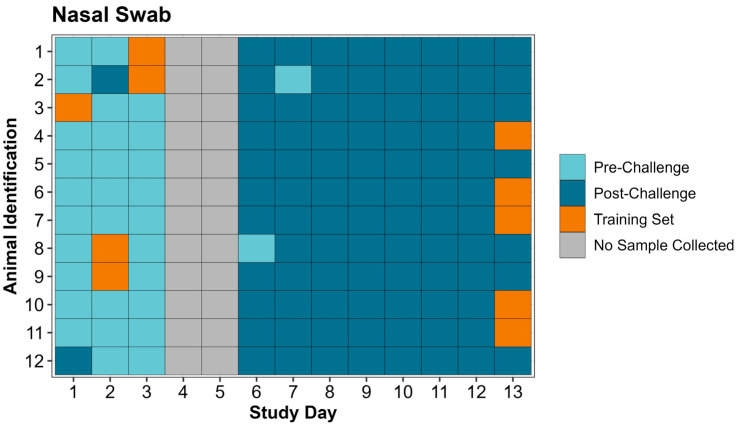 Figure 4
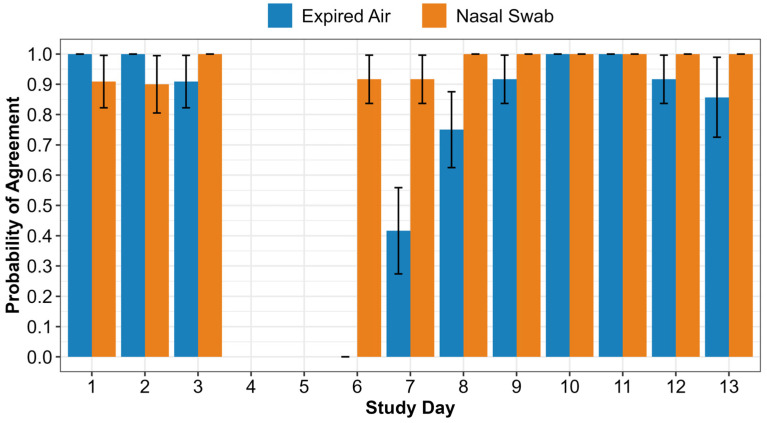 Figure 5
Peer Reviews
No public reviews on file for this paper yet. If you reviewed it on a platform where reviews are public (OpenReview, ICLR, NeurIPS, ICML), you can paste yours below so the community can read it here.
Videos
No videos yet. Explain this paper in a talk, walkthrough, or lecture? Add one.
Taxonomy
TopicsMicrobial infections and disease research · Respiratory viral infections research · Animal Disease Management and Epidemiology