Analysis of Potential Genes, Acute Phase Proteins and Hormonal Profiles Associated with Methicillin-Resistant Staphylococcus aureus (MRSA) Isolation from Pneumonic Sheep
Hanan M. Alharbi, Eman A. Noaman, Ahmed El-Sayed, Mohamed T. Ragab, Amani Hafez, Attia Eissa, Ahmed Ateya, Khairiah M. Alwutayd, Manal A. Babaker, Asmaa Darwish

TL;DR
This study examines genes, proteins, and hormones in sheep with pneumonia caused by MRSA, revealing differences that could help understand and manage the infection.
Contribution
The study identifies specific gene expression patterns and biochemical markers associated with MRSA in pneumonic sheep.
Findings
MRSA isolates showed complete resistance to amoxicillin, cloxacillin, and erythromycin but remained susceptible to vancomycin.
Genes like TLR2, CLEC4E, PTX3, CXCL8, and IL15RA were upregulated in pneumonic sheep, while SOCS3 was downregulated.
Pneumonic sheep had elevated acute phase proteins, cortisol, and growth hormone, with reduced insulin, T3, and T4 levels.
Abstract
Staphylococcus aureus is a significant bacterial pathogen responsible for a wide range of infections in both humans and animals. In this study, 100 pneumonic sheep and 100 clinically healthy sheep were examined to assess biochemical parameters and gene expression profiles. The findings revealed notable differences in gene expression, nucleotide sequences, and biochemical markers between healthy and pneumonic animals. Additionally, MRSA isolates displayed complete resistance to amoxicillin, cloxacillin, and erythromycin, along with high resistance to penicillin and tetracycline. However, all MRSA isolates remained fully susceptible to vancomycin. The observed alterations in molecular and biochemical marker profiles may contribute to the pathogenesis and clinical manifestations of pneumonia in sheep. Staphylococcus aureus is a significant bacterial pathogen responsible for a wide range…
Genes, proteins, chemicals, diseases, species, mutations and cell lines named across the full text — each resolved to its canonical identifier and authoritative record.
Click any figure to enlarge with its caption.
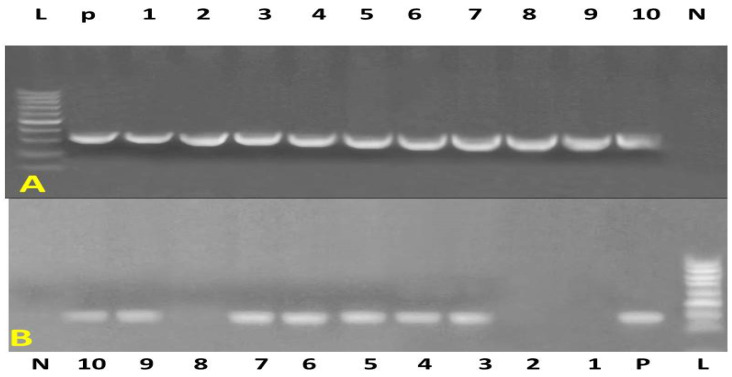 Figure 1
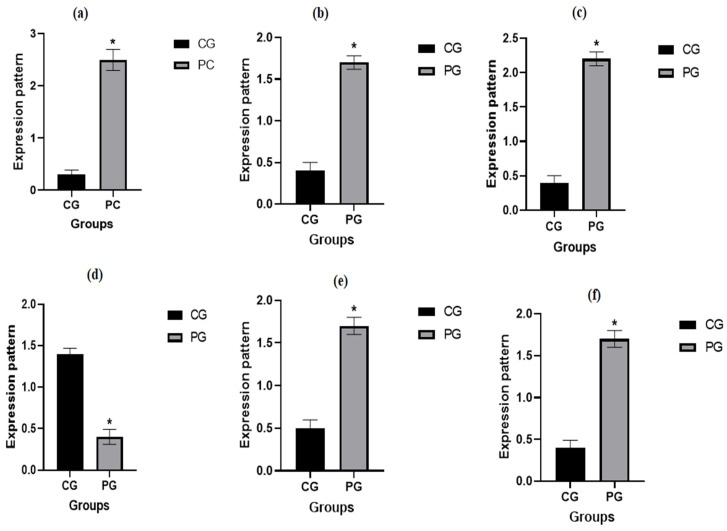 Figure 2
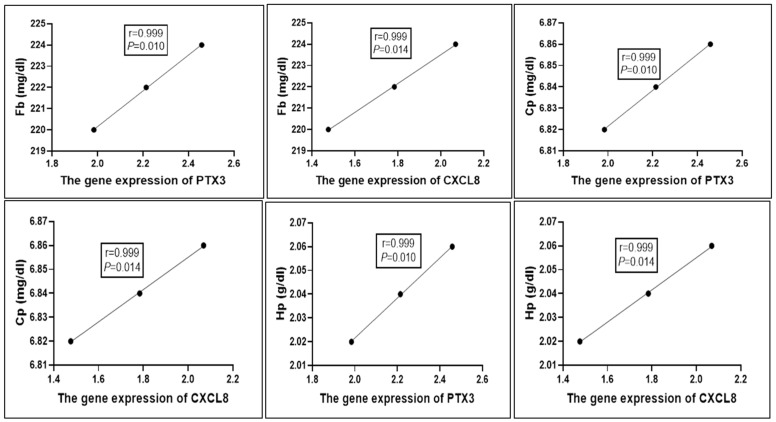 Figure 3
Peer Reviews
No public reviews on file for this paper yet. If you reviewed it on a platform where reviews are public (OpenReview, ICLR, NeurIPS, ICML), you can paste yours below so the community can read it here.
Videos
No videos yet. Explain this paper in a talk, walkthrough, or lecture? Add one.
Taxonomy
TopicsProbiotics and Fermented Foods · Clostridium difficile and Clostridium perfringens research · Viral gastroenteritis research and epidemiology