Predicting the Epidemiological Effects in the United Kingdom of Moving from PCV13 to PCV15 in the Routine Pediatric 1 + 1 Vaccination Schedule
Rachel J. Oidtman, Natalie Banniettis, Jessica Weaver, Ian R. Matthews, Dionysios Ntais, Giulio Meleleo, Tufail M. Malik, John C. Lang, Oluwaseun Sharomi

TL;DR
This study compares the public health impact of using PCV15 versus PCV13 vaccines in the UK's pediatric vaccination schedule and finds PCV15 leads to lower disease rates.
Contribution
The study evaluates the epidemiological effects of switching from PCV13 to PCV15 under a 1 + 1 dosing schedule in the UK.
Findings
PCV15 under a 1 + 1 schedule led to a 6.0% lower IPD incidence than PCV13 in the overall population after 20 years.
PCV13 under a 1 + 1 schedule caused an 11.1% increase in IPD incidence in children under 2 years old.
PCV15 showed a 3.5% increase in IPD incidence in children under 2 years old compared to pre-vaccination levels.
Abstract
Background/Objectives: Pneumococcal conjugate vaccines (PCVs) were first introduced in the pediatric UK National Immunization Programme (NIP) in 2006 and subsequently led to a significant decline in invasive pneumococcal disease (IPD). In 2020, the UK NIP reduced the pediatric PCV dosing schedule from two infant doses and one toddler dose (2 + 1) to one infant dose and one toddler dose (1 + 1). This analysis evaluated the public health impact of pediatric vaccination with PCV15 versus PCV13 under a 1 + 1 schedule. Methods: A population-level compartmental model was previously adapted to the UK setting. The impact on the IPD incidence of vaccination with PCV15 versus PCV13 under a 1 + 1 schedule was evaluated over a 20-year time horizon. The uncertainty regarding the vaccine efficacy (VE) of PCV13 and PCV15 under a 1 + 1 schedule was investigated through a probabilistic sensitivity…
Genes, proteins, chemicals, diseases, species, mutations and cell lines named across the full text — each resolved to its canonical identifier and authoritative record.
Click any figure to enlarge with its caption.
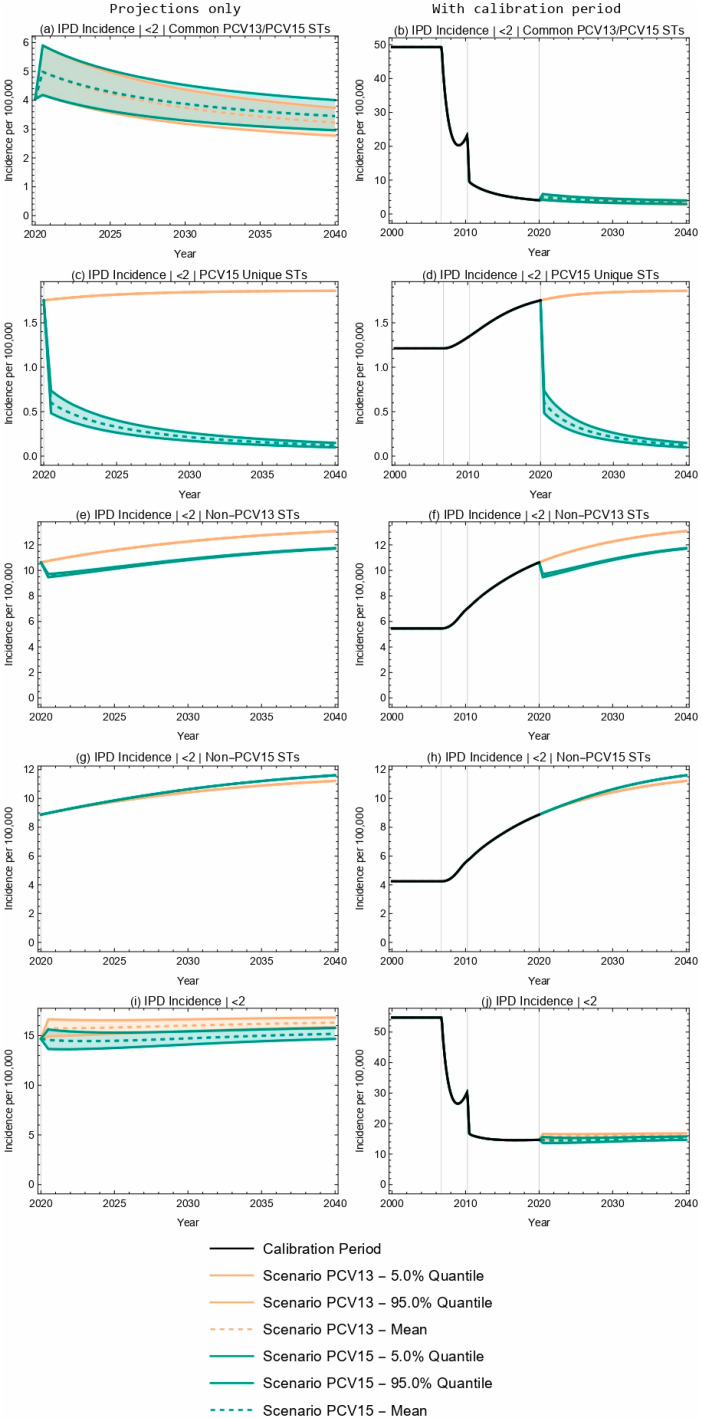 Figure 1
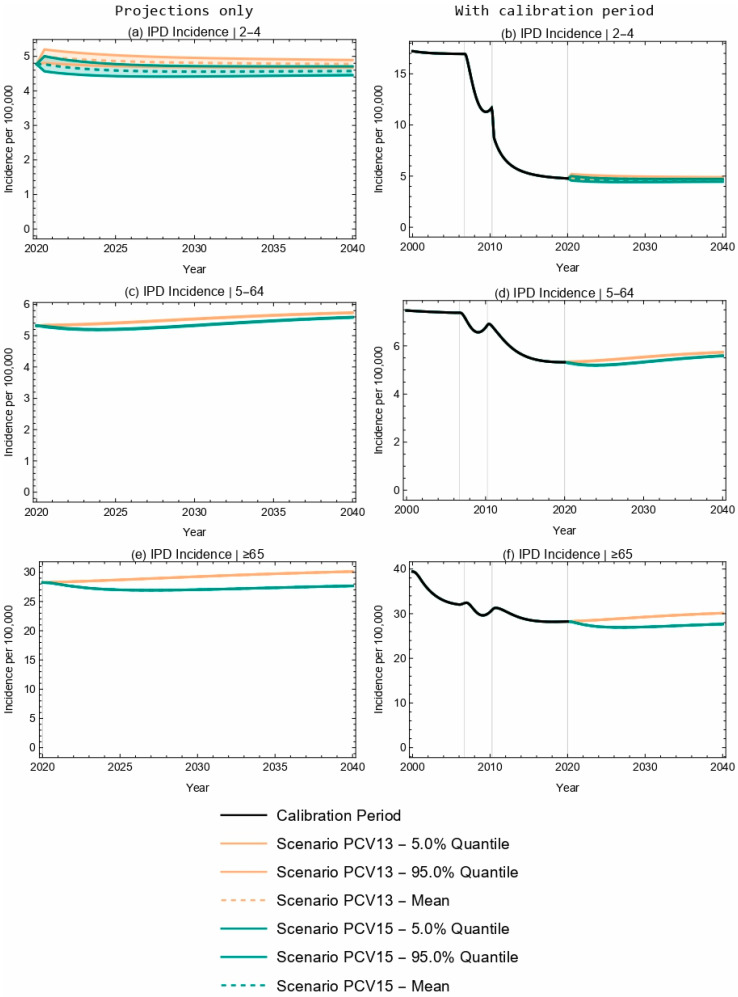 Figure 2
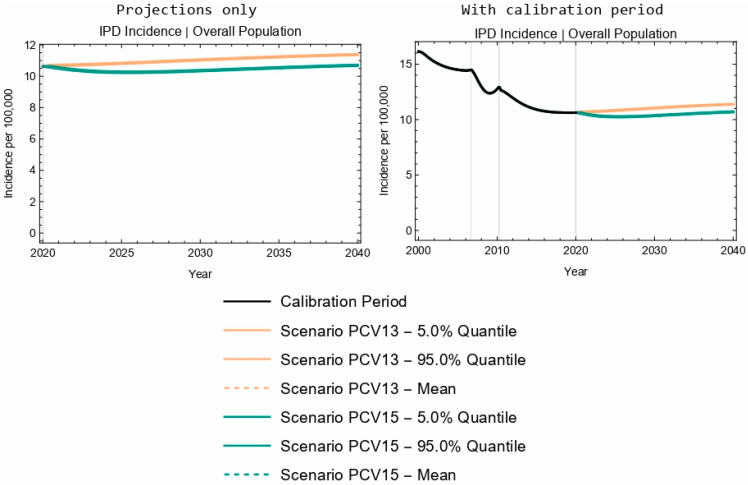 Figure 3
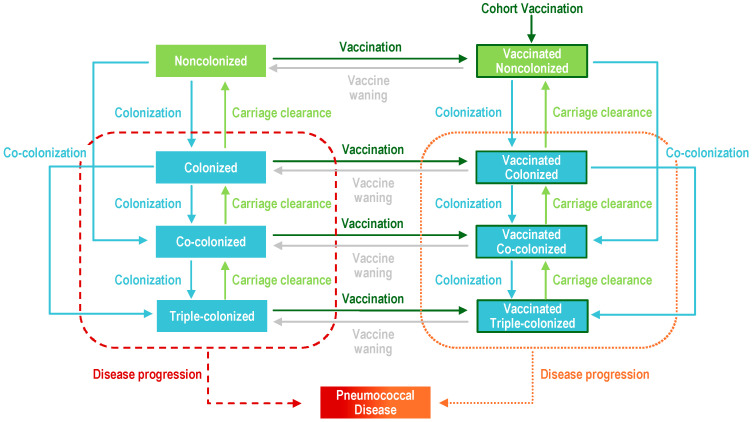 Figure 4
 Figure 5
 Figure 6
Peer Reviews
No public reviews on file for this paper yet. If you reviewed it on a platform where reviews are public (OpenReview, ICLR, NeurIPS, ICML), you can paste yours below so the community can read it here.
Videos
No videos yet. Explain this paper in a talk, walkthrough, or lecture? Add one.
Taxonomy
TopicsRespiratory viral infections research · Influenza Virus Research Studies · Pneumonia and Respiratory Infections