Ten Previously Unassigned Human Cosavirus Genotypes Detected in Feces of Children with Non-Polio Acute Flaccid Paralysis in Nigeria in 2020
Toluwani Goodnews Ajileye, Toluwanimi Emmanuel Akinleye, Temitope O. C. Faleye, Lander De Coninck, Uwem Etop George, Anyebe Bernard Onoja, Sheriff Tunde Agbaje, Ijeoma Maryjoy Ifeorah, Oluseyi Adebowale Olayinka, Elijah Igbekele Oni, Arthur Obinna Oragwa

TL;DR
This study found ten new types of human cosavirus in fecal samples from Nigerian children with non-polio acute flaccid paralysis, expanding the known genetic diversity of the virus.
Contribution
The study reports ten newly proposed genotypes of human cosavirus from Nigeria, increasing the number of tentative genotypes from 34 to over 40.
Findings
Fifteen pools yielded 23 genomes of human cosavirus (HCoSV) from Nigerian children with non-polio acute flaccid paralysis.
Ten genomes belonged to seven previously assigned genotypes, while thirteen genomes belonged to ten newly proposed genotypes.
The study reports the first near-complete genomes of Cosavirus bepakis and Cosavirus depakis from Nigeria.
Abstract
Since its discovery via metagenomics in 2008, human cosavirus (HCoSV) has been detected in the cerebrospinal fluid (CSF) and feces of humans with meningitis, acute flaccid paralysis (AFP), and acute gastroenteritis. To date, 34 HCoSV genotypes have been documented by the Picornaviridae study group. However, the documented genetic diversity of HCoSV in Nigeria is limited. Here we describe the genetic diversity of HCoSV in Nigeria using a metagenomics approach. Archived and anonymized fecal specimens from children (under 15 years old) diagnosed with non-polio AFP from five states in Nigeria were analyzed. Virus-like particles were purified from 55 pools (made from 254 samples) using the NetoVIR protocol. Pools were subjected to nucleic acid extraction and metagenomic sequencing. Reads were trimmed and assembled, and contigs classified as HCoSV were subjected to phylogenetic, pairwise…
Genes, proteins, chemicals, diseases, species, mutations and cell lines named across the full text — each resolved to its canonical identifier and authoritative record.
Click any figure to enlarge with its caption.
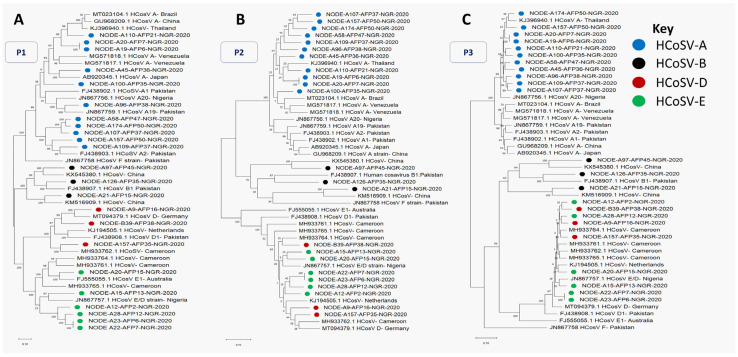 Figure 1
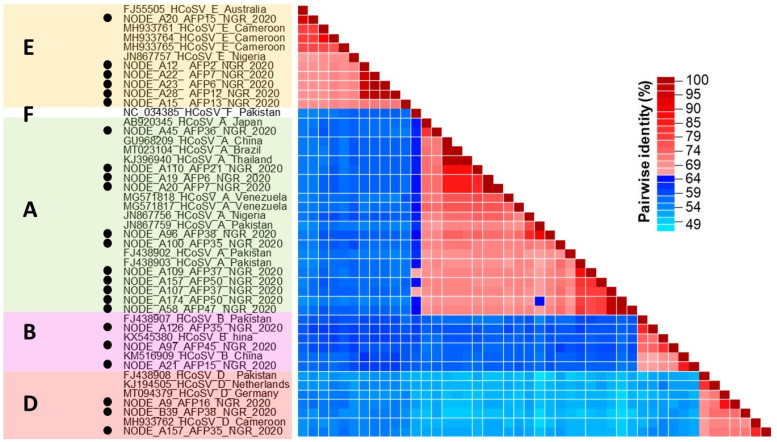 Figure 2
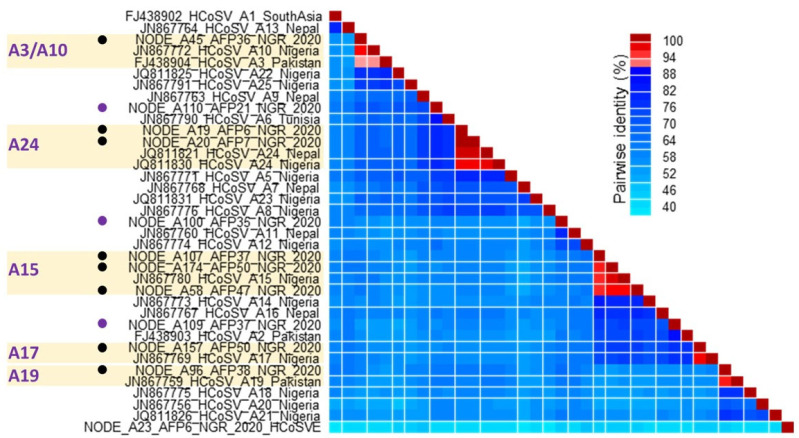 Figure 3
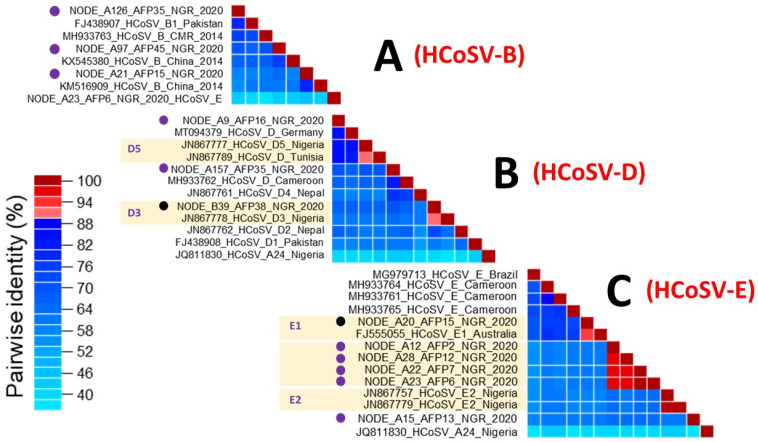 Figure 4
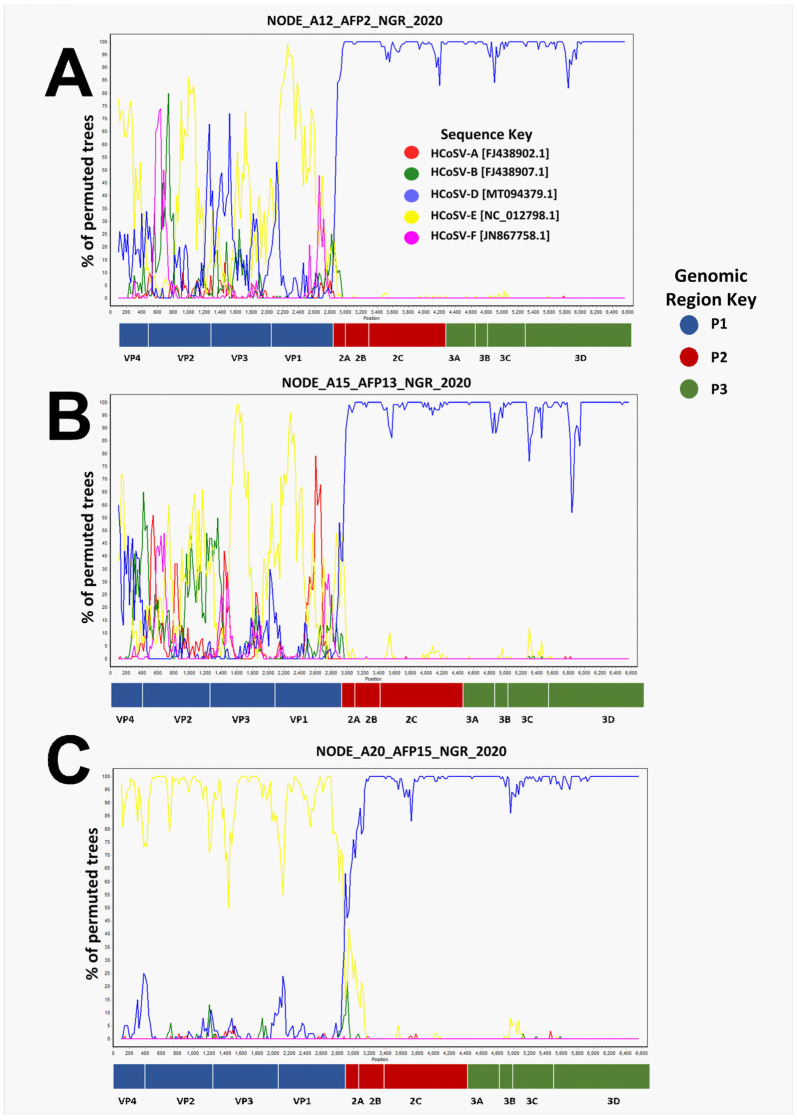 Figure 5
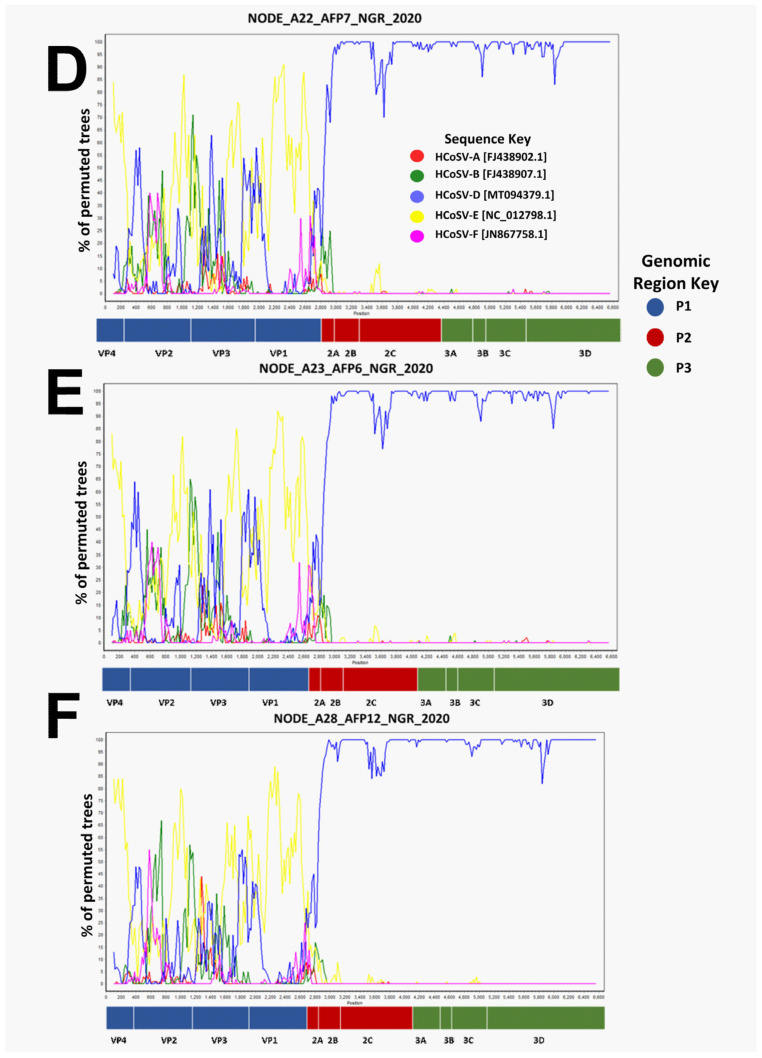 Figure 6
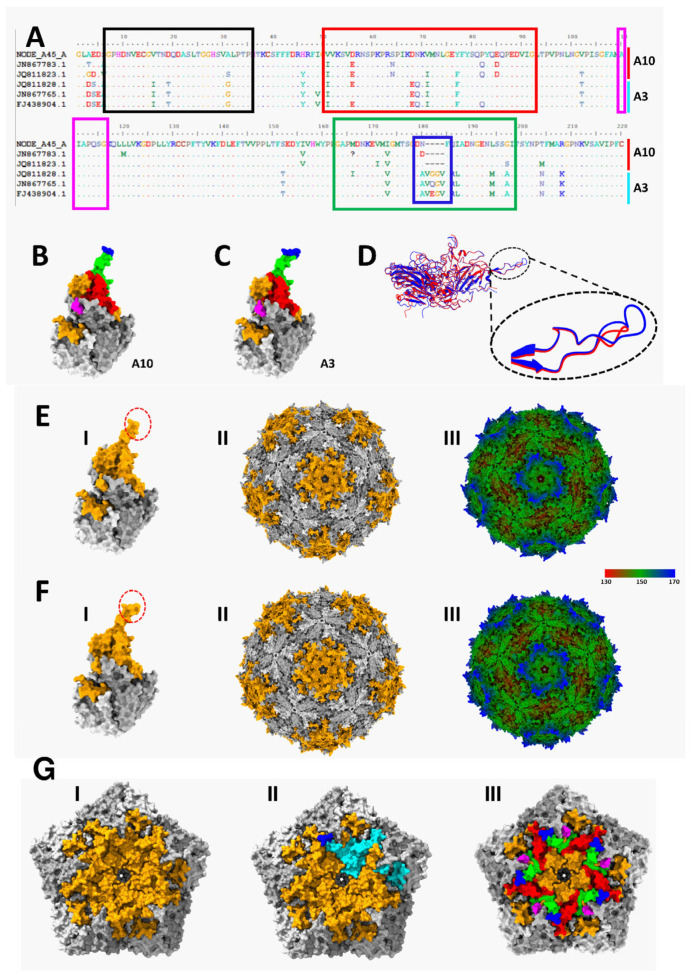 Figure 7
Peer Reviews
No public reviews on file for this paper yet. If you reviewed it on a platform where reviews are public (OpenReview, ICLR, NeurIPS, ICML), you can paste yours below so the community can read it here.
Videos
No videos yet. Explain this paper in a talk, walkthrough, or lecture? Add one.
Taxonomy
TopicsViral gastroenteritis research and epidemiology · Respiratory viral infections research · Bacteriophages and microbial interactions