A Comparison of Tests for Detecting Prior Exposure to Coxiella burnetii for Use with Q-VAX in Australian Human Q Fever Vaccination
Stephen Graves, Jennifer Robson, Anja Scholzen, Richard Dzeng, Francisca Powell-Romero, Jennifer Evans, John Stenos, Meg Jeppesen, Milou L. C. E. Kouwijzer, Jordi Lankhof, Susan Raju Paul, Tatiana Proboste Ibertti, Lauren Ball, Helen Powell, Stephanie Wilkinson, Evi van Schuppen

TL;DR
This study compares tests for detecting prior Coxiella burnetii exposure to determine eligibility for the Q-VAX vaccine in Australia.
Contribution
The study evaluates a standardized interferon-γ release assay (IGRA) as a potential alternative to the current skin test for vaccine eligibility.
Findings
The IGRA identified all individuals with a known history of Q fever.
There was limited agreement between the skin test and IGRA results.
IGRA-positive individuals without serology or skin test results did not experience significant vaccine side effects.
Abstract
Background/Objectives: Q-VAX vaccine, approved in Australia, prevents Q fever. However, individuals with prior Coxiella burnetii (Cb) infection have an increased risk of adverse reactions, requiring pre-vaccination screening by an intradermal hypersensitivity skin test for cell-mediated immune memory and a serological assay for anti-Cb antibodies. The week-long interval for skin test assessment limits efficient vaccination. This study evaluated a standardized interferon-γ release assay (IGRA) as a potential skin test alternative. Methods: Immune assays were compared in Australian populations with different incidences of prior Cb exposure. Cell-mediated immunity was assessed by the Q-VAX skin test and IGRA. Serological status was evaluated with established diagnostic assays. Hypothetical vaccine eligibility decisions using combined IGRA and serology results were compared with actual…
Genes, proteins, chemicals, diseases, species, mutations and cell lines named across the full text — each resolved to its canonical identifier and authoritative record.
Click any figure to enlarge with its caption.
 Figure 1
 Figure 2
 Figure 3
 Figure 4
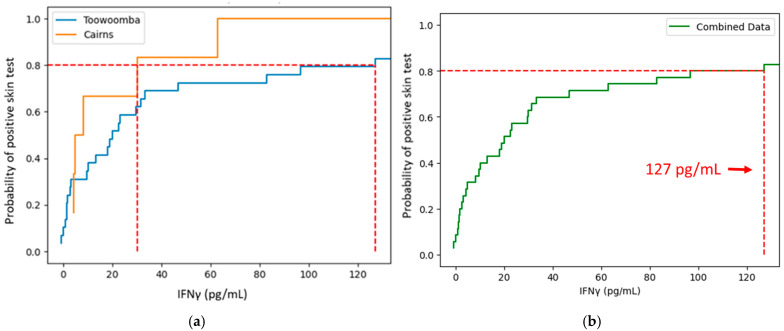 Figure 5
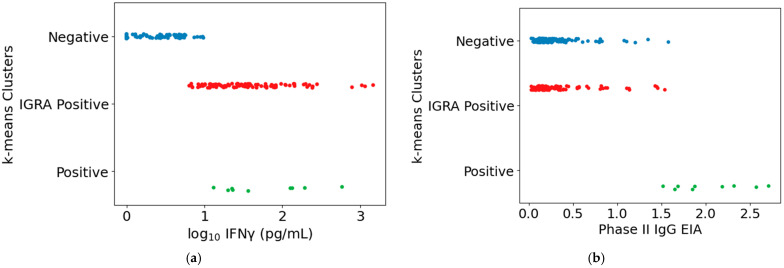 Figure 6
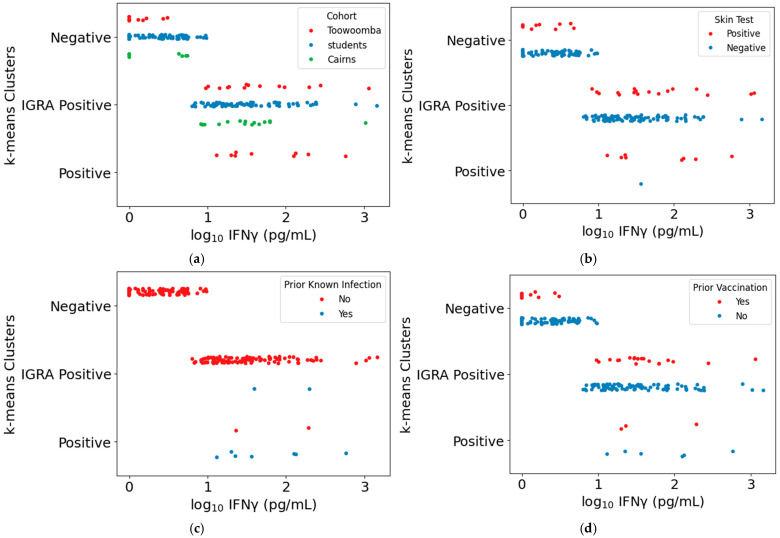 Figure 7
Peer Reviews
No public reviews on file for this paper yet. If you reviewed it on a platform where reviews are public (OpenReview, ICLR, NeurIPS, ICML), you can paste yours below so the community can read it here.
Videos
No videos yet. Explain this paper in a talk, walkthrough, or lecture? Add one.
Taxonomy
TopicsVector-borne infectious diseases · Viral Infections and Vectors · Dermatological diseases and infestations