Single Tri-Epitopic Antibodies (TeAbs) to Botulinum Neurotoxin Serotypes B, E, and F Recapitulate the Full Potency of a Combination of Three Monoclonal Antibodies in Toxin Neutralization
Jianlong Lou, Wei Hua Wen, Fraser Conrad, Christina C. Tam, Consuelo Garcia-Rodriguez, Shauna Farr-Jones, James D. Marks

TL;DR
Scientists created single antibodies that mimic the power of three separate antibodies in neutralizing botulinum toxins B, E, and F.
Contribution
A tri-epitopic antibody design was shown to match the potency of three monoclonal antibodies for multiple botulinum serotypes.
Findings
Tri-epitopic antibodies (TeAbs) for BoNT/B, E, and F showed binding affinities similar to parental IgGs.
TeAbs had higher avidity to each BoNT serotype than individual parental monoclonal antibodies.
TeAbs matched the in vivo potency of three-mAb combinations in mouse neutralization assays.
Abstract
Recombinant monoclonal antibody (mAb) botulinum neurotoxin (BoNT) antitoxins, consisting of three mAbs that bind non-overlapping epitopes, are highly potent. However, the three-mAb mixtures pose unique development and manufacturing challenges. Combining even more mAbs to create multivalent antitoxin drugs multiplies those challenges. We previously reported that a single tri-epitopic IgG1-based mAb (TeAb) containing the variable domains of the three parental BoNT/A mAbs and an Fc was as potent as the combination of three IgGs in the mouse neutralization assay (MNA). Here, we extended the tri-epitopic strategy to three other BoNT serotypes. Each TeAb (TeAb-B for BoNT/B, TeAb-E for BoNT/E, and TeAb-F for BoNT/F) binding was measured using fluorescence-activated cell sorting and flow fluorimetry, and the potency was tested in the MNA. The three TeAbs displayed binding affinities that were…
Genes, proteins, chemicals, diseases, species, mutations and cell lines named across the full text — each resolved to its canonical identifier and authoritative record.
Click any figure to enlarge with its caption.
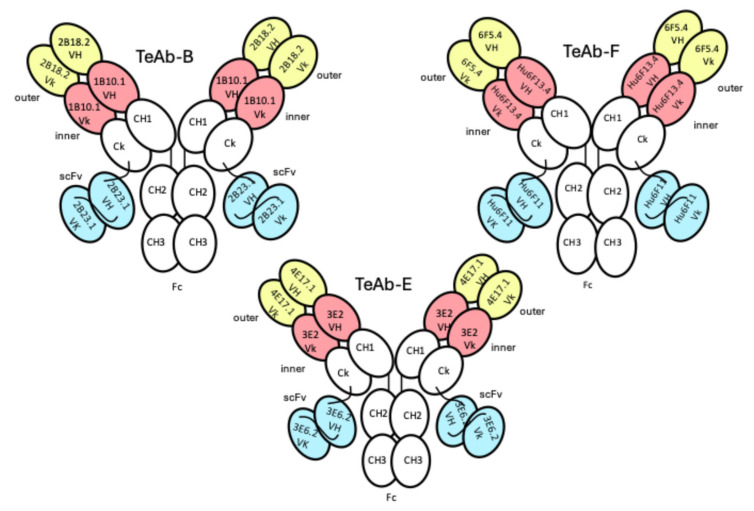 Figure 1
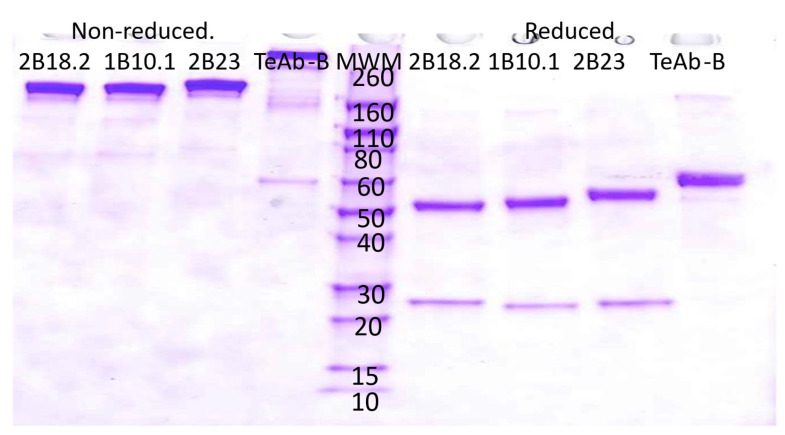 Figure 2
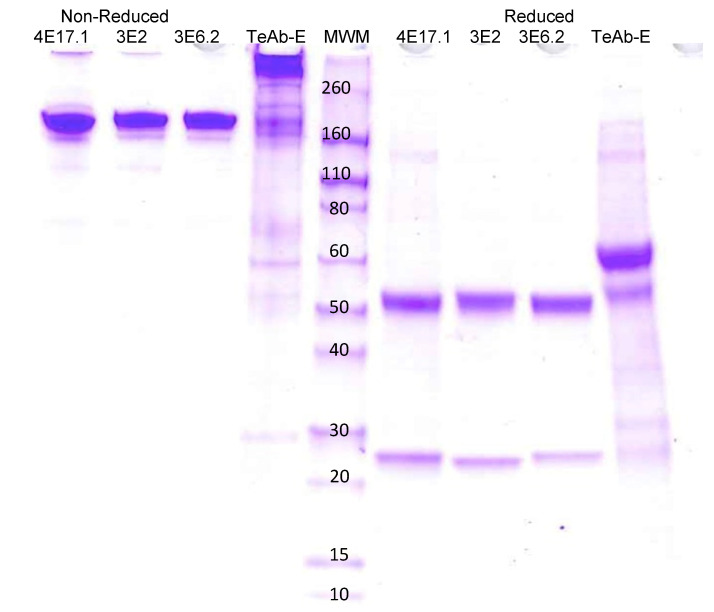 Figure 3
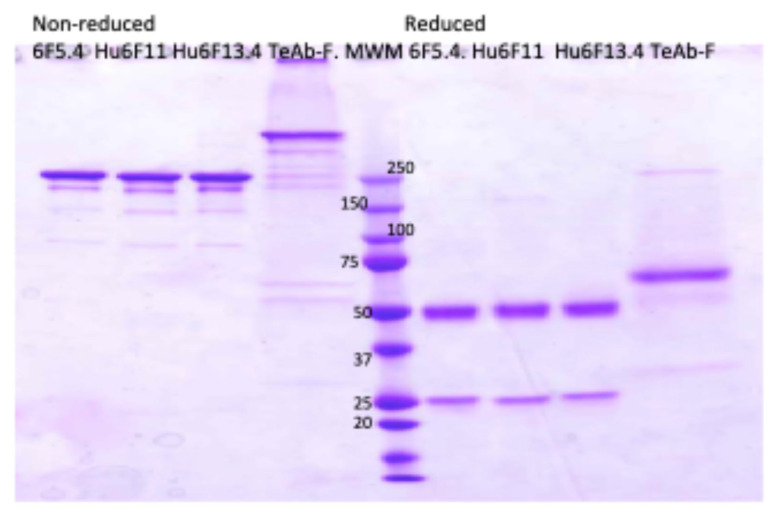 Figure 4
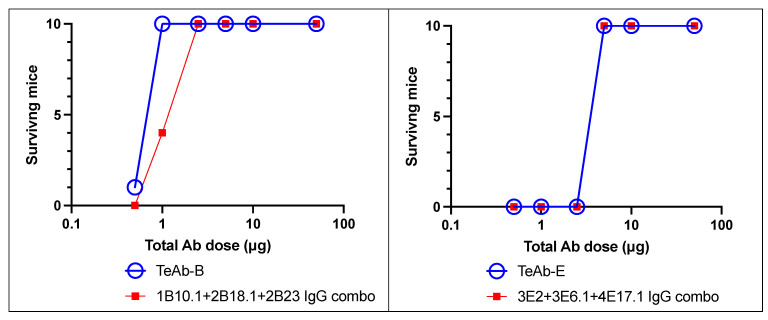 Figure 5
Peer Reviews
No public reviews on file for this paper yet. If you reviewed it on a platform where reviews are public (OpenReview, ICLR, NeurIPS, ICML), you can paste yours below so the community can read it here.
Videos
No videos yet. Explain this paper in a talk, walkthrough, or lecture? Add one.
Taxonomy
TopicsBotulinum Toxin and Related Neurological Disorders · Biochemical and Structural Characterization · Neurological disorders and treatments