Validated Methods for Inactivation of Tick-Borne Encephalitis Virus Compatible with Immune-Based and Enzymatic Downstream Analyses
Simone Leoni, Stephen L. Leib, Katharina Summermatter, Denis Grandgirard

TL;DR
This study identifies safe methods to inactivate Tick-Borne Encephalitis Virus for research outside high-containment labs.
Contribution
Validated UV and detergent-based inactivation methods for TBEV that preserve sample integrity for downstream assays.
Findings
45 seconds of UV irradiation effectively inactivates TBEV.
Triton-X100 at 0.05%-0.1% concentration inactivates TBEV while preserving sample integrity.
Inactivated samples remain compatible with immuno- and enzymatic assays.
Abstract
Tick-Borne Encephalitis Virus (TBEV) is impacting public health in the Eurasian region, with increasing case numbers. There is, therefore, a need to expand research efforts and the corresponding infrastructure capacity. Since TBEV is classified as a risk group 3 organism in Switzerland, handling infectious material containing the virus is restricted to biosafety level 3 laboratories. In some instances, downstream analyses may need to be performed outside of the containment facility. It is, therefore, essential to validate effective inactivation protocols compatible with the safe and accurate processing of samples. This study evaluated UV irradiation, chemical treatment with detergents, and mechanical filtration as candidate methods to inactivate TBEV infectious samples, including culture supernatants and tissue homogenates, while preserving their compatibility for different assays.…
Genes, proteins, chemicals, diseases, species, mutations and cell lines named across the full text — each resolved to its canonical identifier and authoritative record.
Click any figure to enlarge with its caption.
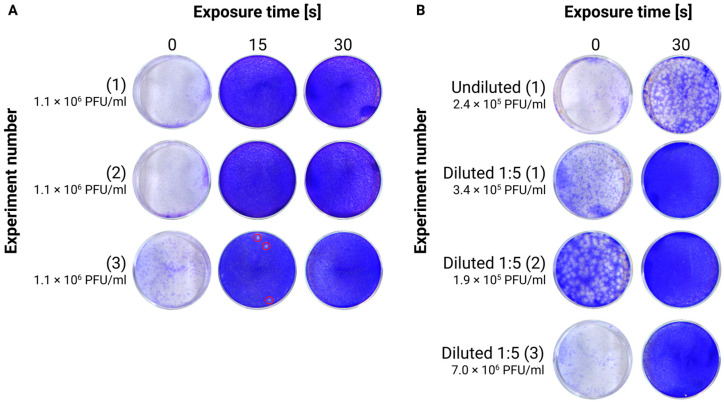 Figure 1
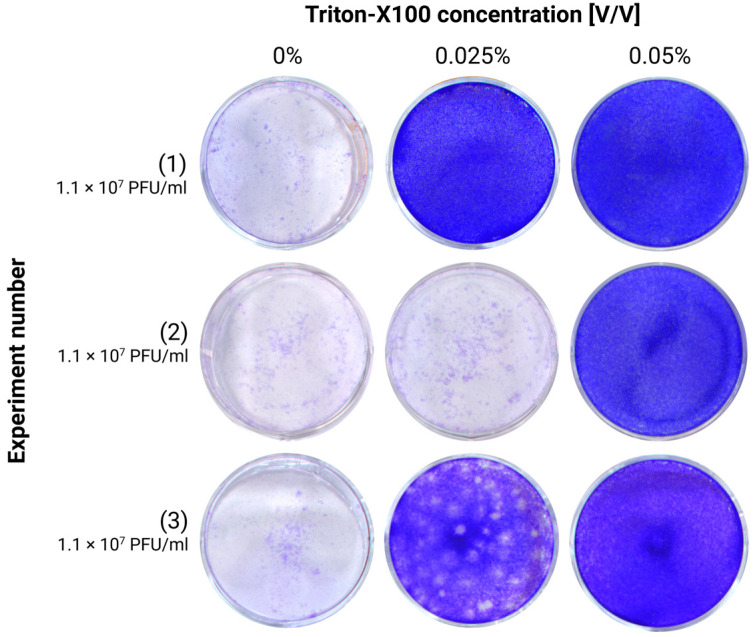 Figure 2
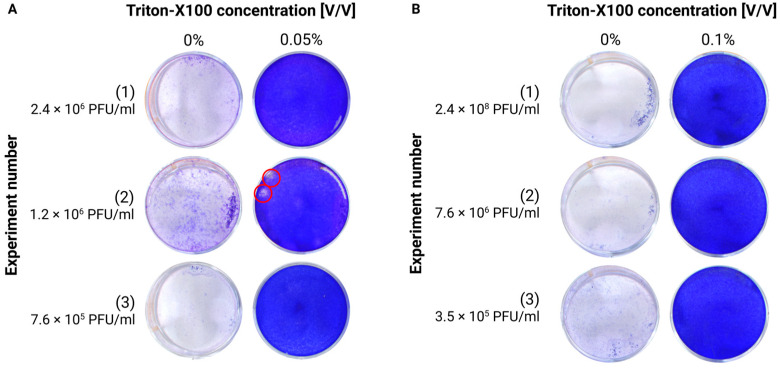 Figure 3
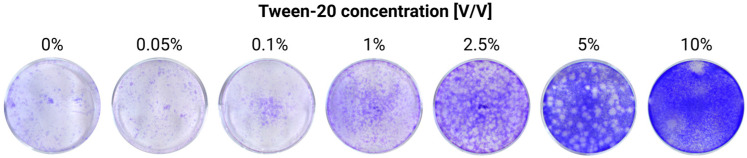 Figure 4
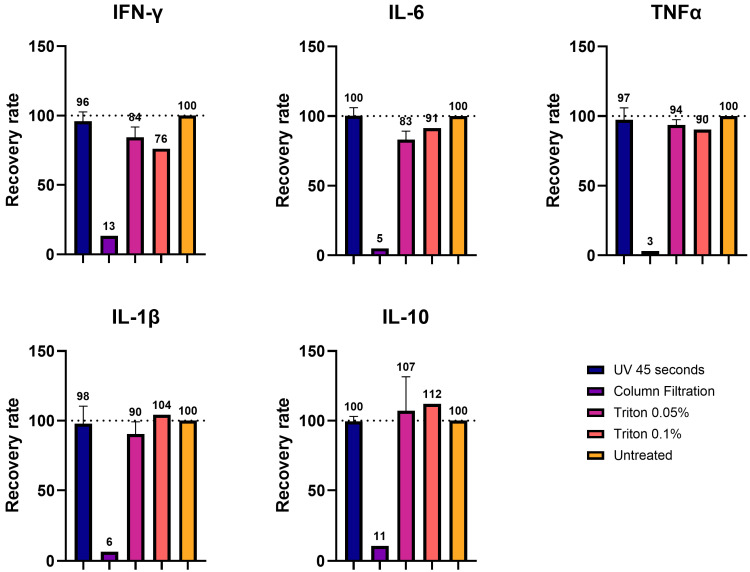 Figure 5
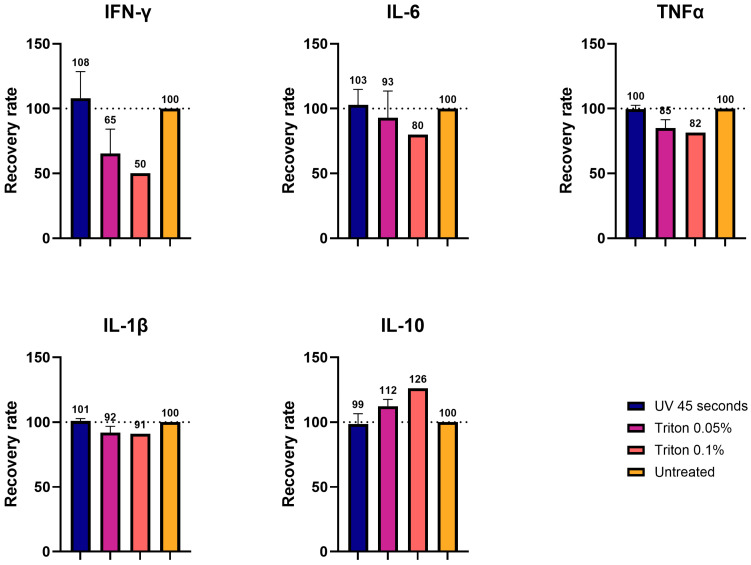 Figure 6
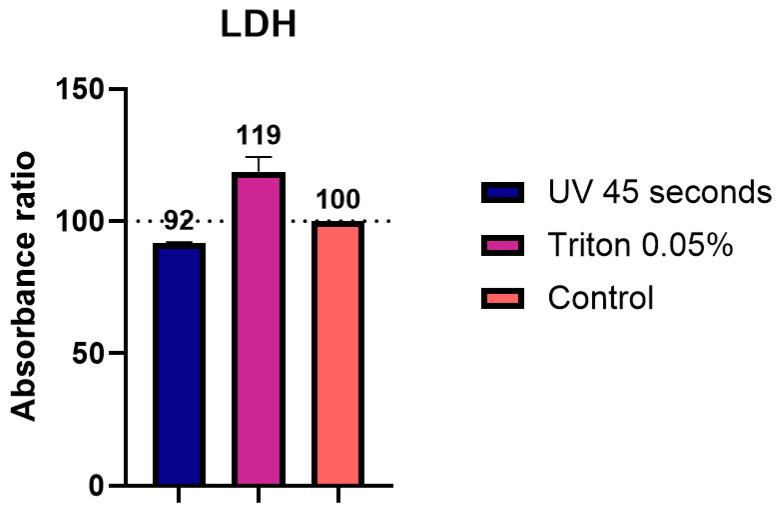 Figure 7
Peer Reviews
No public reviews on file for this paper yet. If you reviewed it on a platform where reviews are public (OpenReview, ICLR, NeurIPS, ICML), you can paste yours below so the community can read it here.
Videos
No videos yet. Explain this paper in a talk, walkthrough, or lecture? Add one.
Taxonomy
TopicsMosquito-borne diseases and control · Viral Infections and Vectors · Viral Infections and Outbreaks Research