The Role of a Conserved Arg-Asp Pair in the Structure and Function of Tetanus Neurotoxin
Elizabeth A. Wilson, Ashtyn N. Bevans, Michael R. Baldwin

TL;DR
This study explores how a specific pair of amino acids in tetanus neurotoxin affects its structure and function, particularly during membrane insertion and toxin activity.
Contribution
The study identifies a conserved Arg-Asp pair critical for the structural and functional dynamics of tetanus neurotoxin during membrane insertion.
Findings
Disruption of the Asp-Arg pair in HCT affects thermal stability but not secondary structure.
Mutations at R711 or D821 alter membrane interaction pH thresholds.
The D821N mutation increases LC activity in neurons when present in LHNT but not the holotoxin.
Abstract
Tetanus, a severe and life-threatening illness caused by Clostridium tetani, produces symptoms such as muscle spasms, muscle stiffness and seizures caused by the production of tetanus neurotoxin (TeNT). TeNT causes spastic paralysis through the inhibition of neurotransmission in spinal inhibitory interneurons. This is achieved, in part, through pH-triggered membrane insertion of the translocation (HCT) domain, which delivers the catalytic light-chain (LC) domain to the cytosol. While the function of HCT is well defined, the mechanism by which it accomplishes this task is largely unknown. Based on the crystal structure of tetanus neurotoxin, we identified potential polar interactions between arginine 711, tryptophan 715 and aspartate 821 that appear to be evolutionarily conserved across the clostridial neurotoxin family. We show that the disruption of the Asp-Arg pair in a beltless HCT…
Genes, proteins, chemicals, diseases, species, mutations and cell lines named across the full text — each resolved to its canonical identifier and authoritative record.
Click any figure to enlarge with its caption.
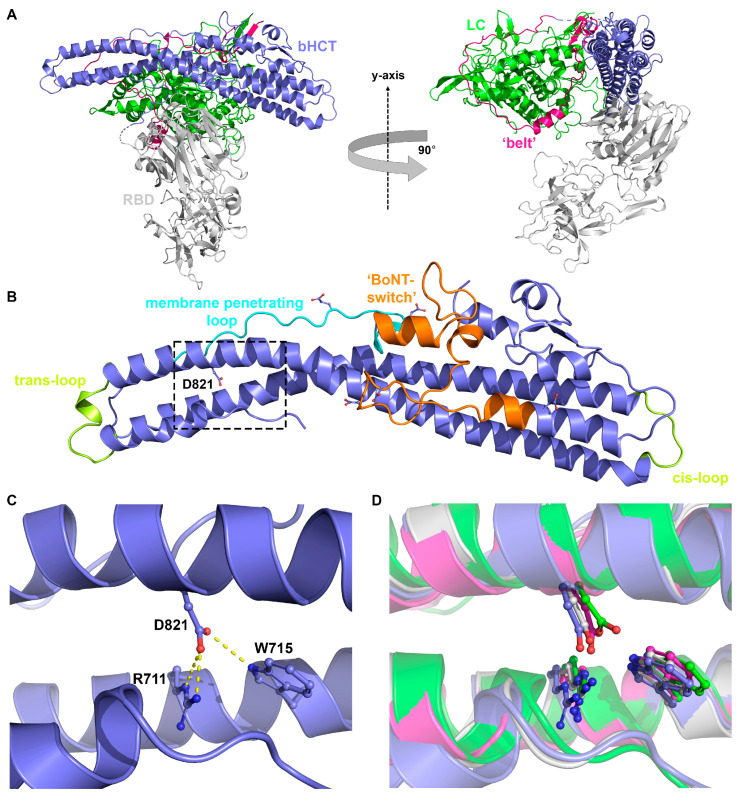 Figure 1
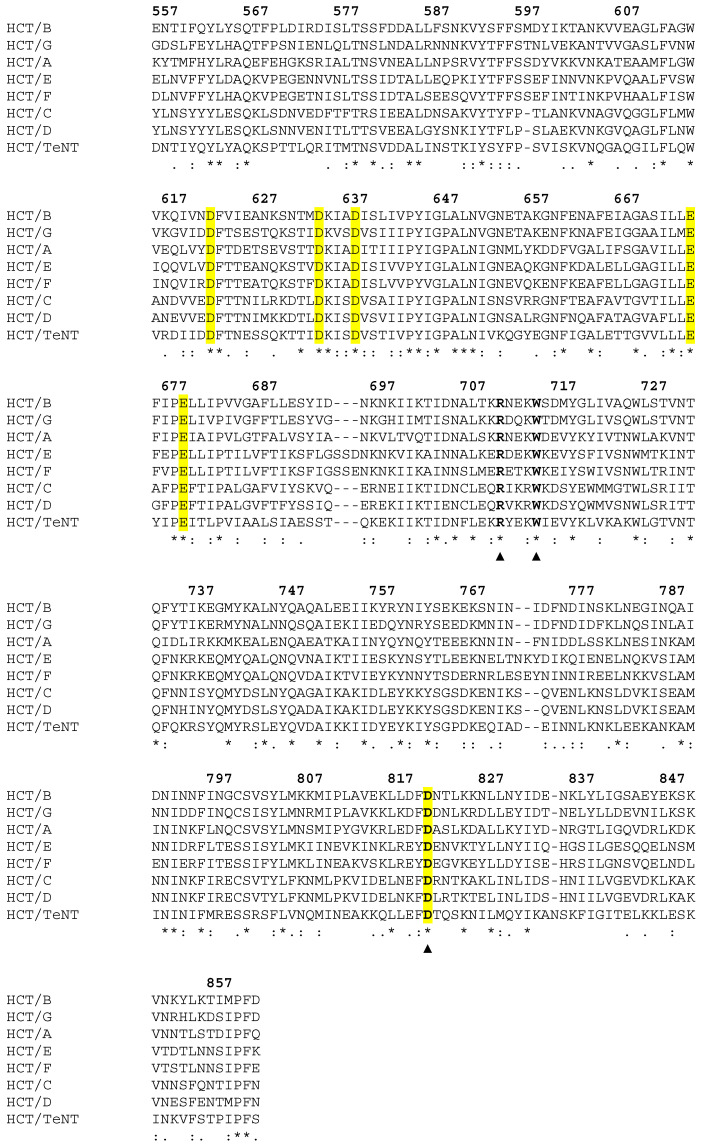 Figure 2
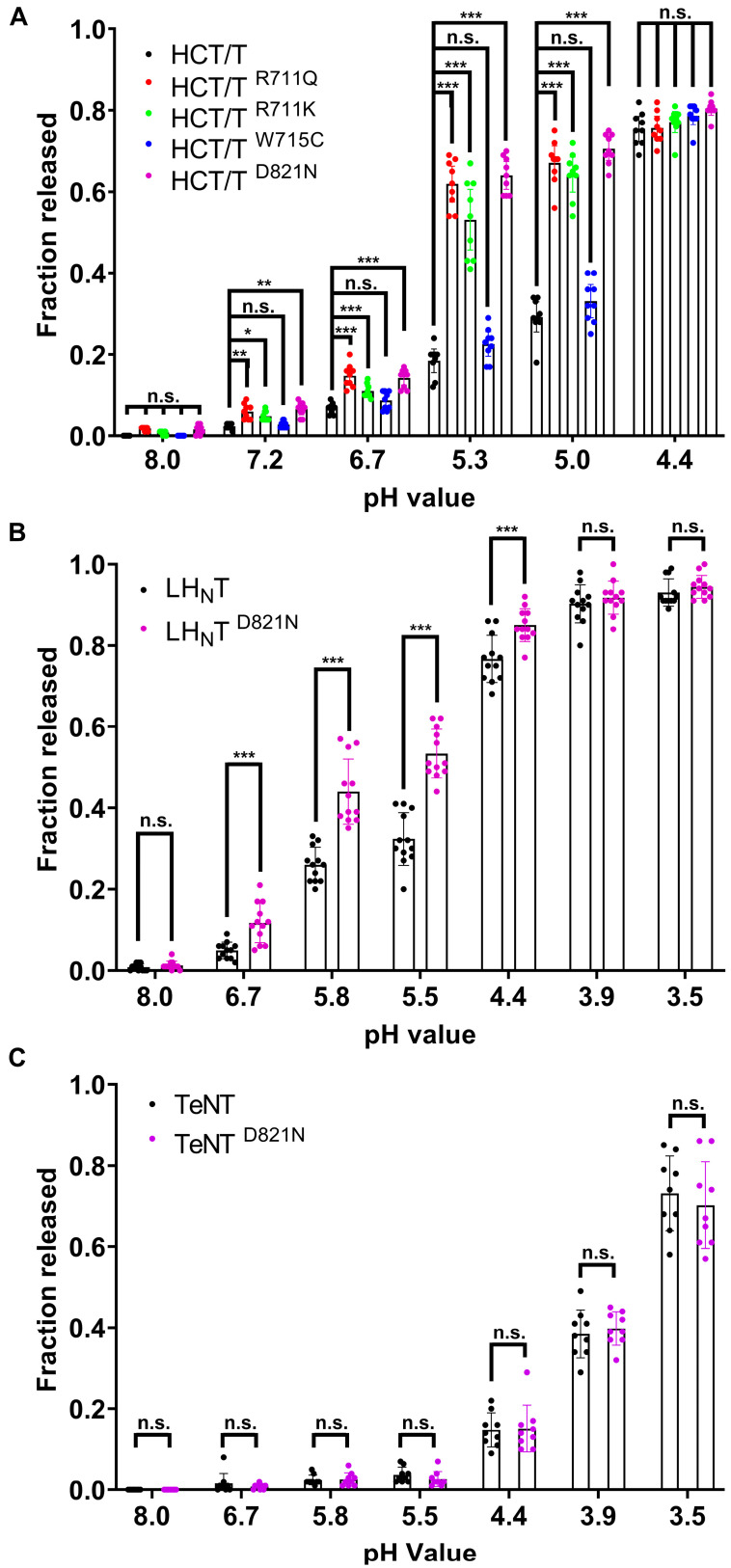 Figure 3
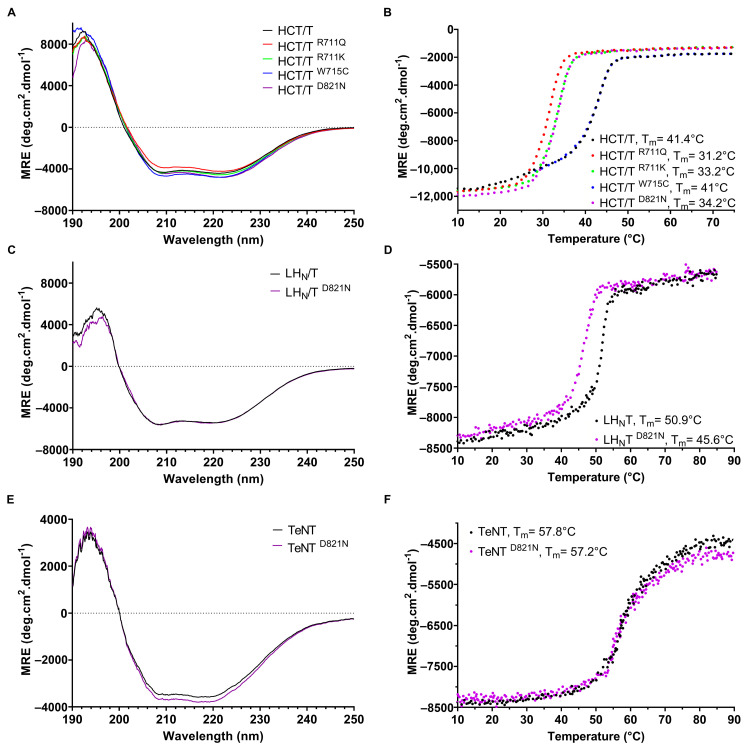 Figure 4
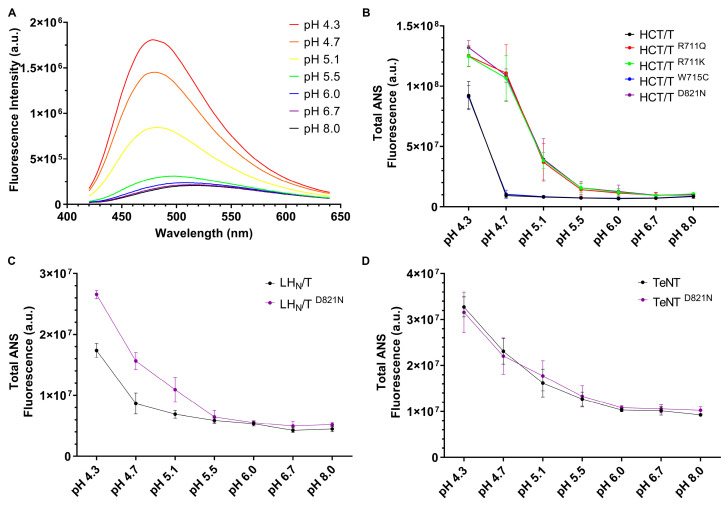 Figure 5
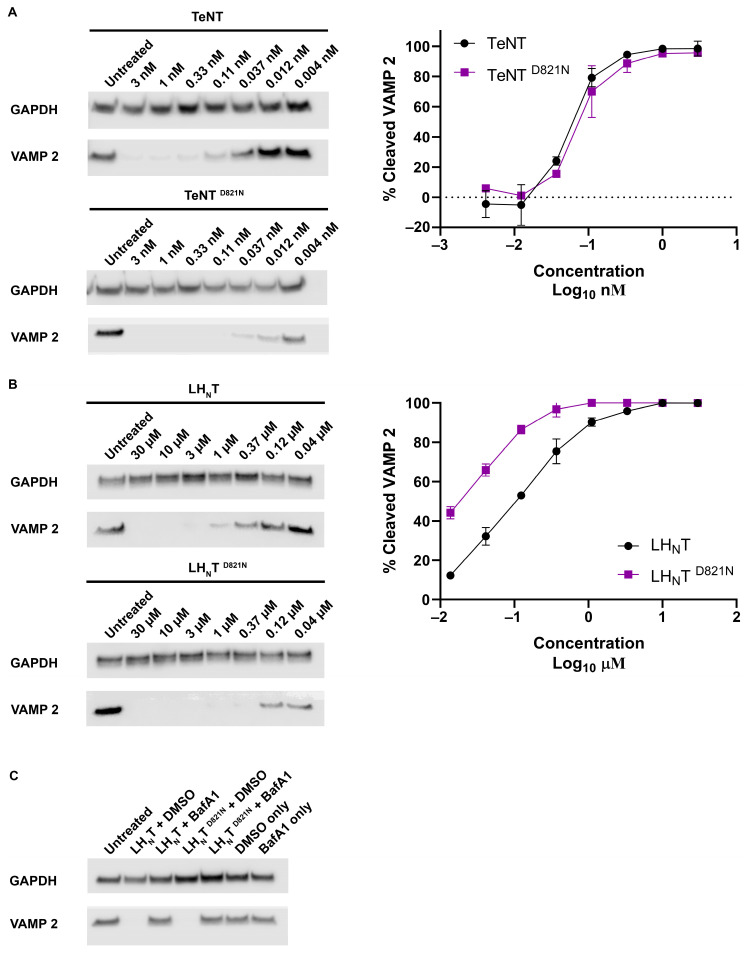 Figure 6
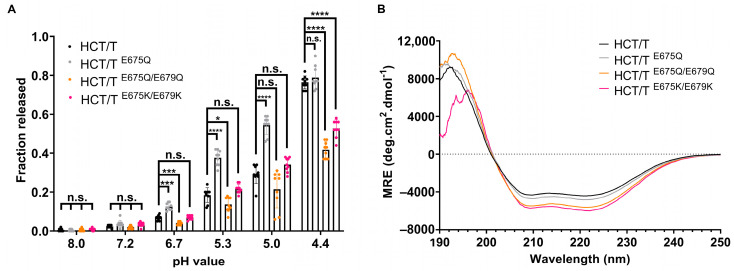 Figure 7
Peer Reviews
No public reviews on file for this paper yet. If you reviewed it on a platform where reviews are public (OpenReview, ICLR, NeurIPS, ICML), you can paste yours below so the community can read it here.
Videos
No videos yet. Explain this paper in a talk, walkthrough, or lecture? Add one.
Taxonomy
TopicsBotulinum Toxin and Related Neurological Disorders · Hereditary Neurological Disorders · Diphtheria, Corynebacterium, and Tetanus