Trimethylamine-N-Oxide Impedes Late Endothelial Progenitor Cell–Mediated Revascularization by Triggering Mitochondrial Apoptosis via Suppression of MnSOD
Yijia Shao, Jiapan Sun, Xiang Liu, Xing Liu, Fang Wu, Zhichao Wang, Shiyue Xu, Long Chen

TL;DR
This study shows that TMAO harms late endothelial progenitor cells by damaging mitochondria, leading to poor blood vessel repair, which can be reversed by boosting MnSOD.
Contribution
The study reveals a novel mechanism by which TMAO impairs vascular repair through MnSOD suppression and mitochondrial apoptosis in late endothelial progenitor cells.
Findings
TMAO reduces migration and tubulogenic capacity of late EPCs by suppressing MnSOD and causing mitochondrial damage.
TMAO-induced mitochondrial damage leads to proinflammatory responses and autophagic cell death in LEPCs.
MnSOD overexpression restores TMAO-induced dysfunction and improves revascularization in a mouse model of hind limb ischemia.
Abstract
Background and Aims: Trimethylamine-N-oxide (TMAO) is recognized as a novel marker and mediator of atherosclerotic cardiovascular disease (ASCVD). Endothelial progenitor cells (EPCs) are crucial for maintaining vascular homeostasis. Impaired EPC numbers and function correlate with increased adverse cardiovascular events. The aim of this study was to decipher the effect of TMAO on late EPCs (LEPCs) and its underlying molecular mechanism. Methods and Results: In vitro migration and tubulogenic capacities of LEPCs were attenuated by TMAO in a dose-dependent manner, accompanied by inhibition of manganese superoxide dismutase (MnSOD) and mitochondrial damage. TMAO-induced mitochondrial damage provoked proinflammatory responses (increased levels of IL-6, IL-1b, ICAM-1, E-sel, and TNF-α) and autophagic cell death (confirmed by western blot immunofluorescent staining and transmission electron…
Genes, proteins, chemicals, diseases, species, mutations and cell lines named across the full text — each resolved to its canonical identifier and authoritative record.
Click any figure to enlarge with its caption.
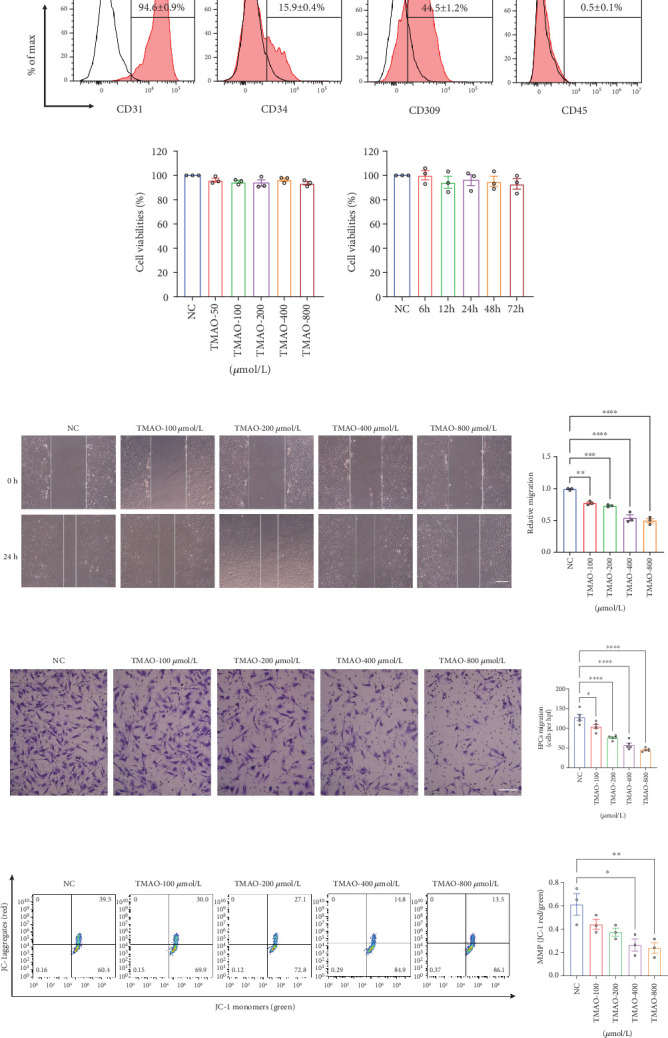 Figure 1
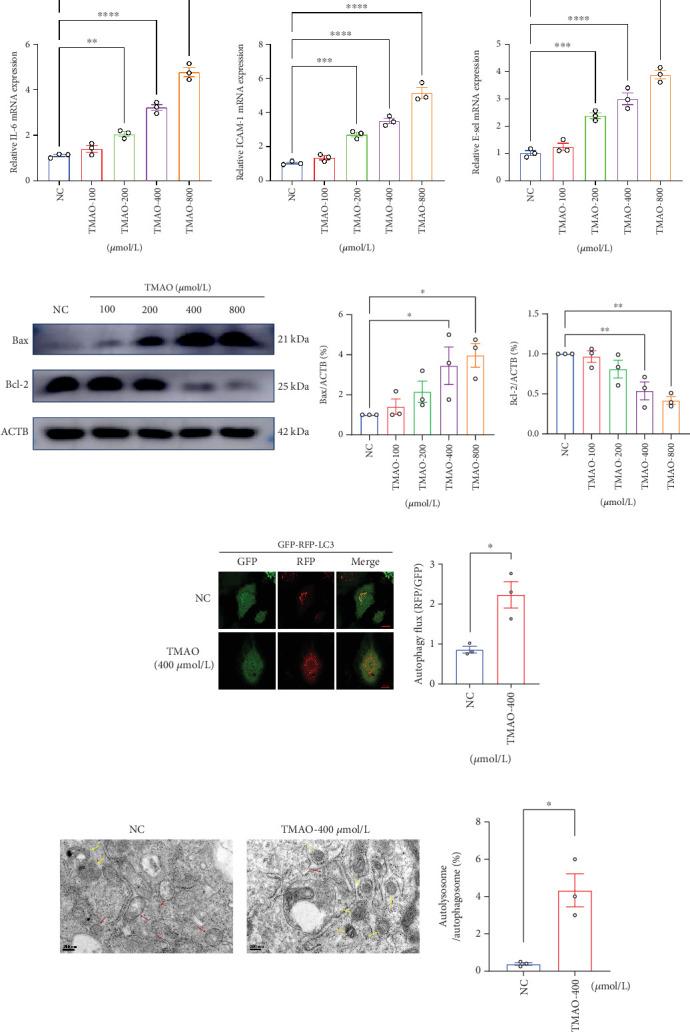 Figure 2
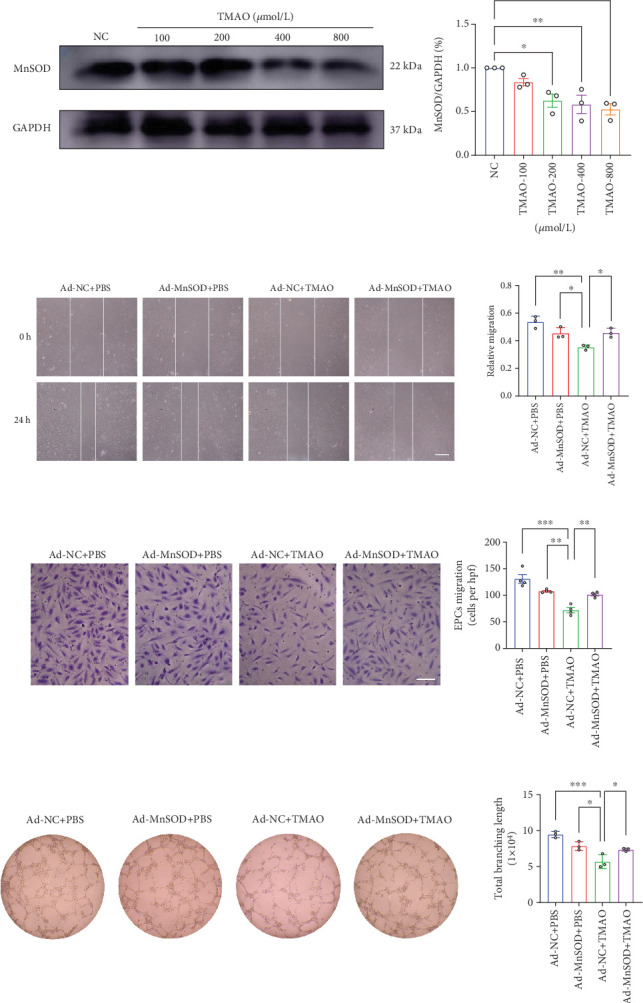 Figure 3
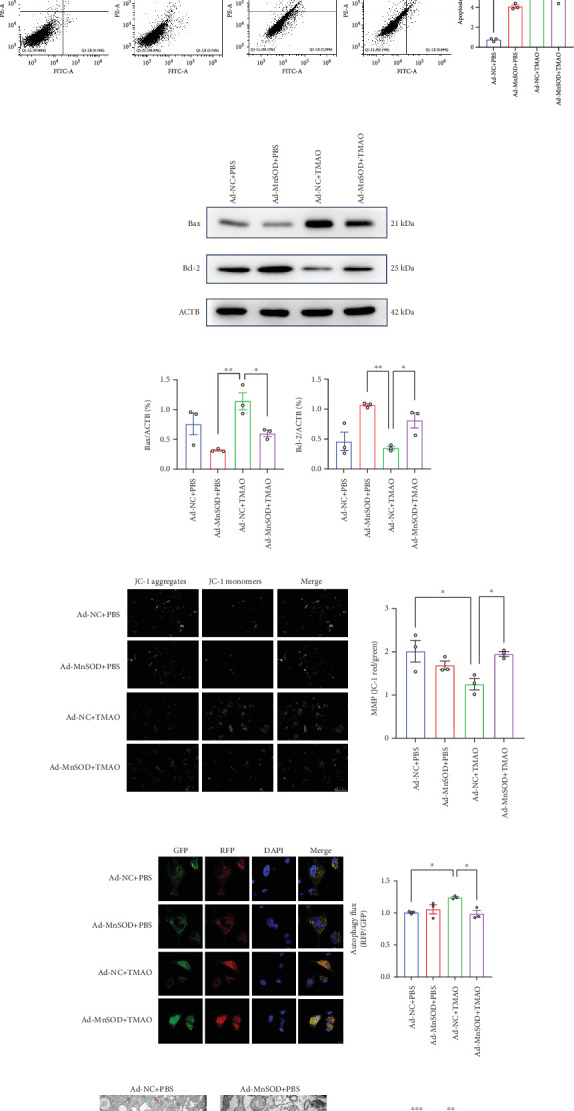 Figure 4
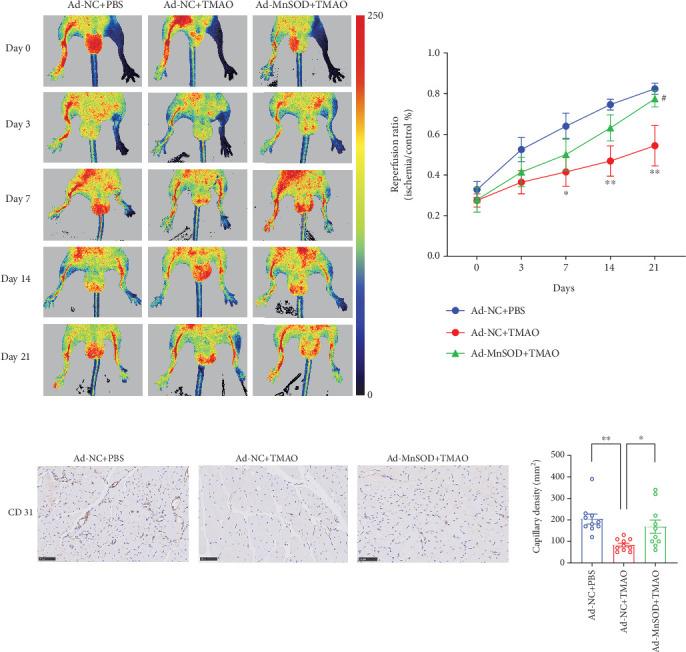 Figure 5
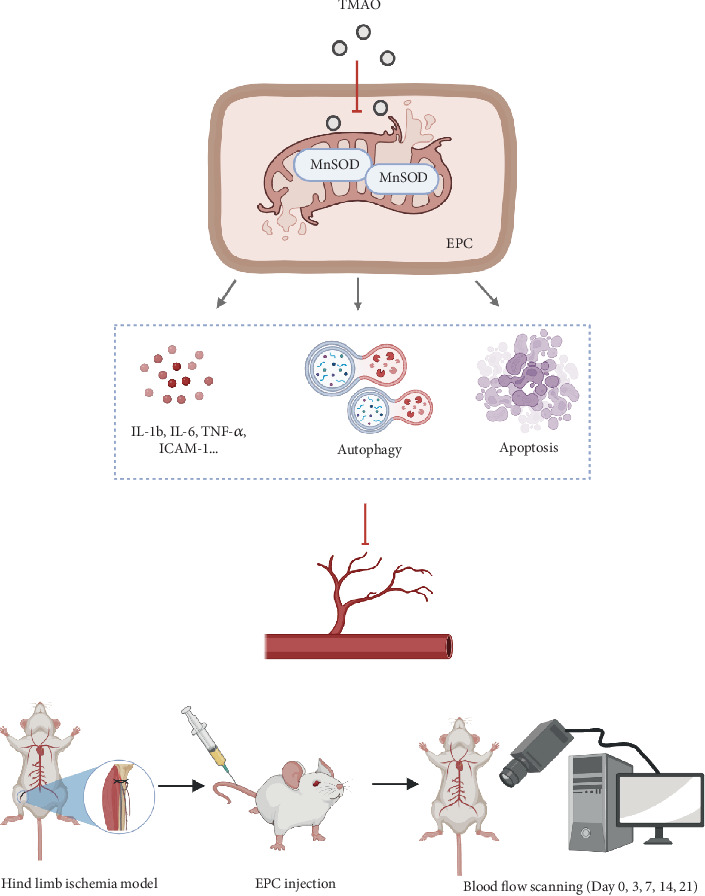 Figure 6
Peer Reviews
No public reviews on file for this paper yet. If you reviewed it on a platform where reviews are public (OpenReview, ICLR, NeurIPS, ICML), you can paste yours below so the community can read it here.
Videos
No videos yet. Explain this paper in a talk, walkthrough, or lecture? Add one.
Taxonomy
TopicsEicosanoids and Hypertension Pharmacology · Cancer, Hypoxia, and Metabolism