High Efficacy of Rose Bengal in Reducing the Pathogenicity of Escherichia coli Isolated From Diarrheal Infections
Christ Dieuveil Bayakissa Malanda, Christian Aimé Kayath, Nicole Prisca Makaya Dangui Nieko, Frédéric Yannick Okouakoua, Ndelani Nkalla Lambi, Dieuvit Haïdide Kibamba Niangui, Sergy Patrick Junior Bissoko, Duchel Jeandevi Kinouani Kinavouidi

TL;DR
This study shows that Rose Bengal can reduce the harmful effects of antibiotic-resistant E. coli strains linked to diarrheal infections.
Contribution
Rose Bengal is shown to enhance antibiotic sensitivity and reduce pathogenic traits in multidrug-resistant E. coli strains.
Findings
Rose Bengal reduced acid and bile resistance, biofilm formation, swarming motility, and hemolytic activity in E. coli strains.
Rose Bengal increased antibiotic sensitivity twofold to sixfold in multidrug-resistant E. coli strains.
In vivo testing with Rhynchophorus phoenicis larvae confirmed the antimicrobial effects of Rose Bengal.
Abstract
Diarrheal infections, a leading cause of global morbidity and mortality, are frequently attributed to pathogenic Escherichia coli strains. The rise of antibiotic resistance among these pathogens necessitates the exploration of alternative therapeutic agents. This study is aimed at evaluating the Rose Bengal effect to fight antibiotic resistance in pathogenic E. coli. Using a combination of in vitro assays—including microbiological isolation, 16S RNA molecular identification, acid resistance testing, biofilm and swarming assays, hemolytic activity evaluation, and antibiograms—and in vivo analysis with Rhynchophorus phoenicis larvae, 22 E. coli isolates were obtained. Molecular analyses identified four pathogenic strains: KNH8 (PQ864811), KNH11 (PQ864812), KNH14 (PQ864813), and KNH16 (PQ864814), classified as enterotoxigenic E. coli (ETEC) and enteropathogenic E. coli (EPEC).…
Genes, proteins, chemicals, diseases, species, mutations and cell lines named across the full text — each resolved to its canonical identifier and authoritative record.
Click any figure to enlarge with its caption.
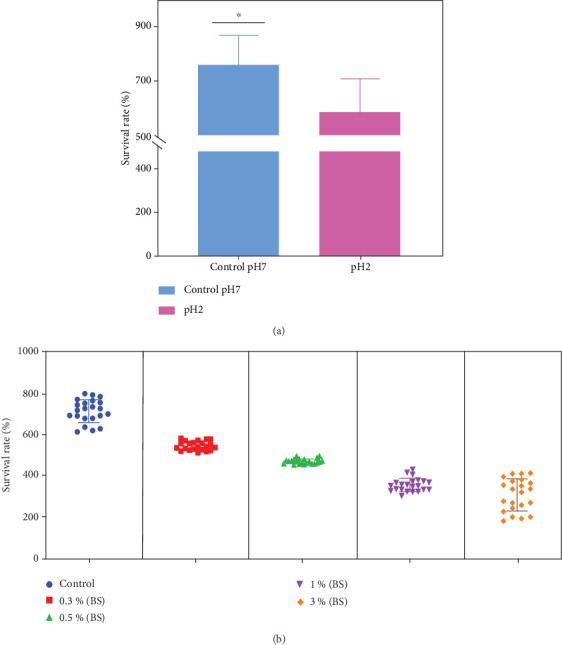 Figure 1
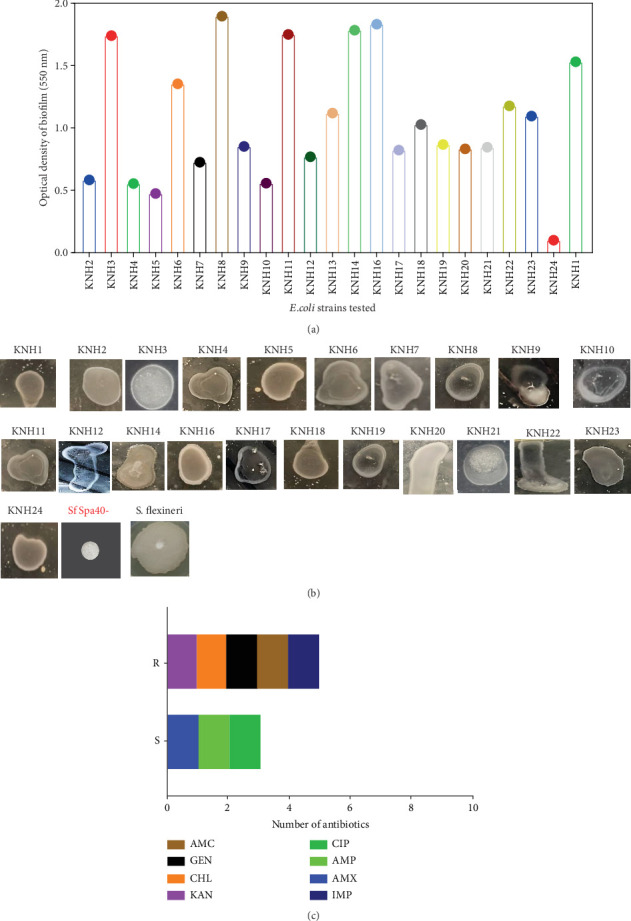 Figure 2
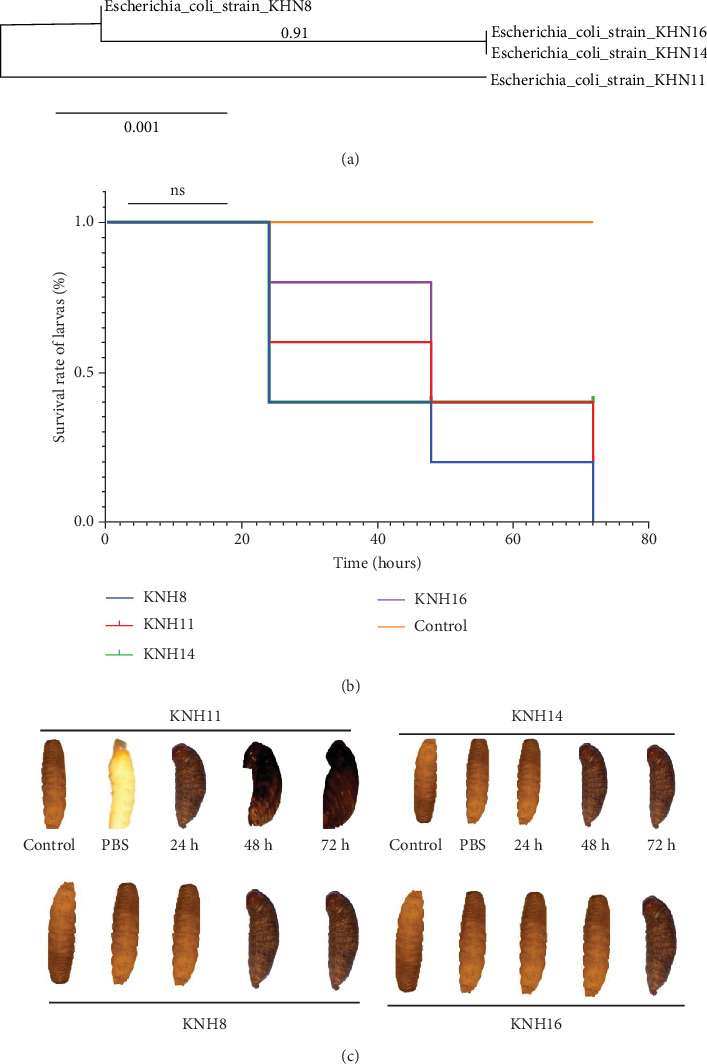 Figure 3
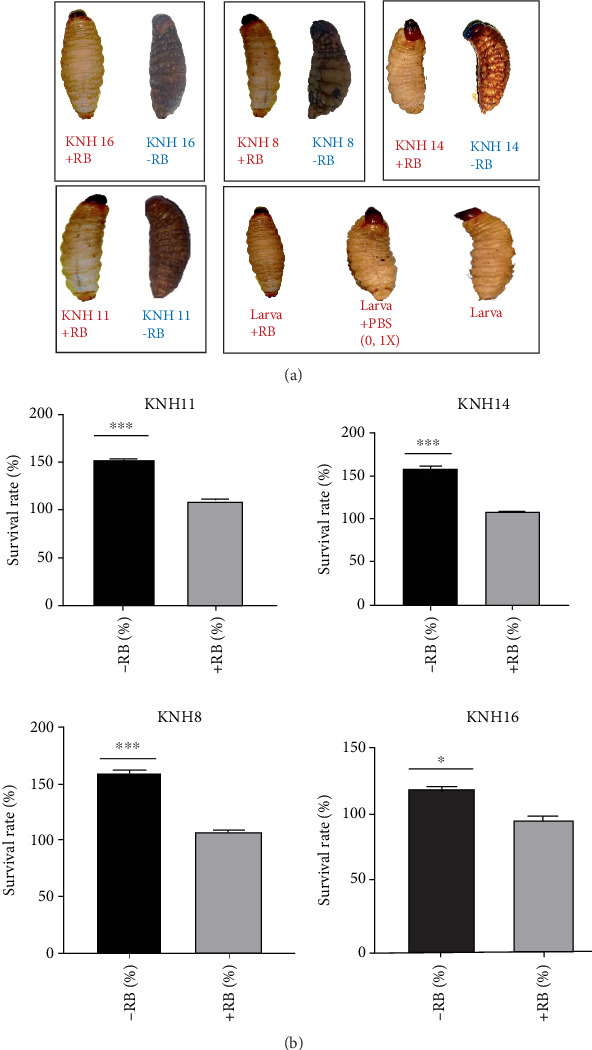 Figure 4
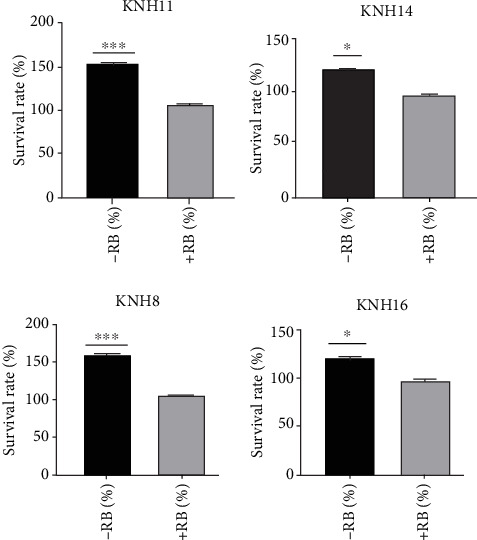 Figure 5
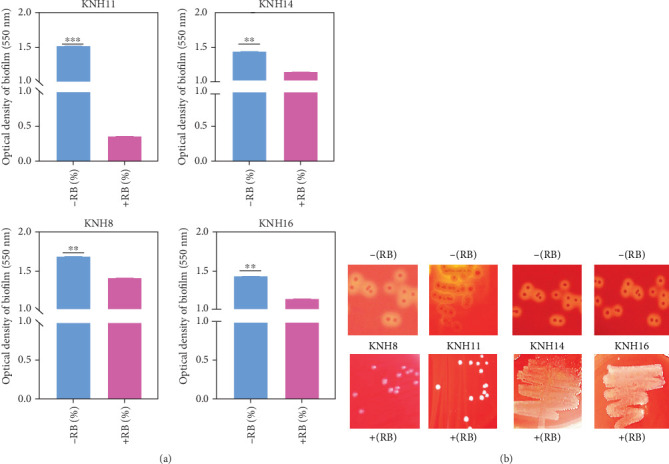 Figure 6
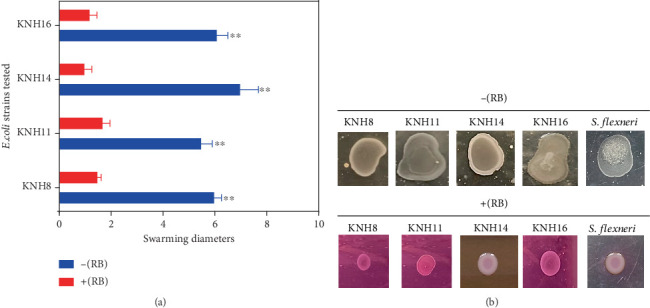 Figure 7
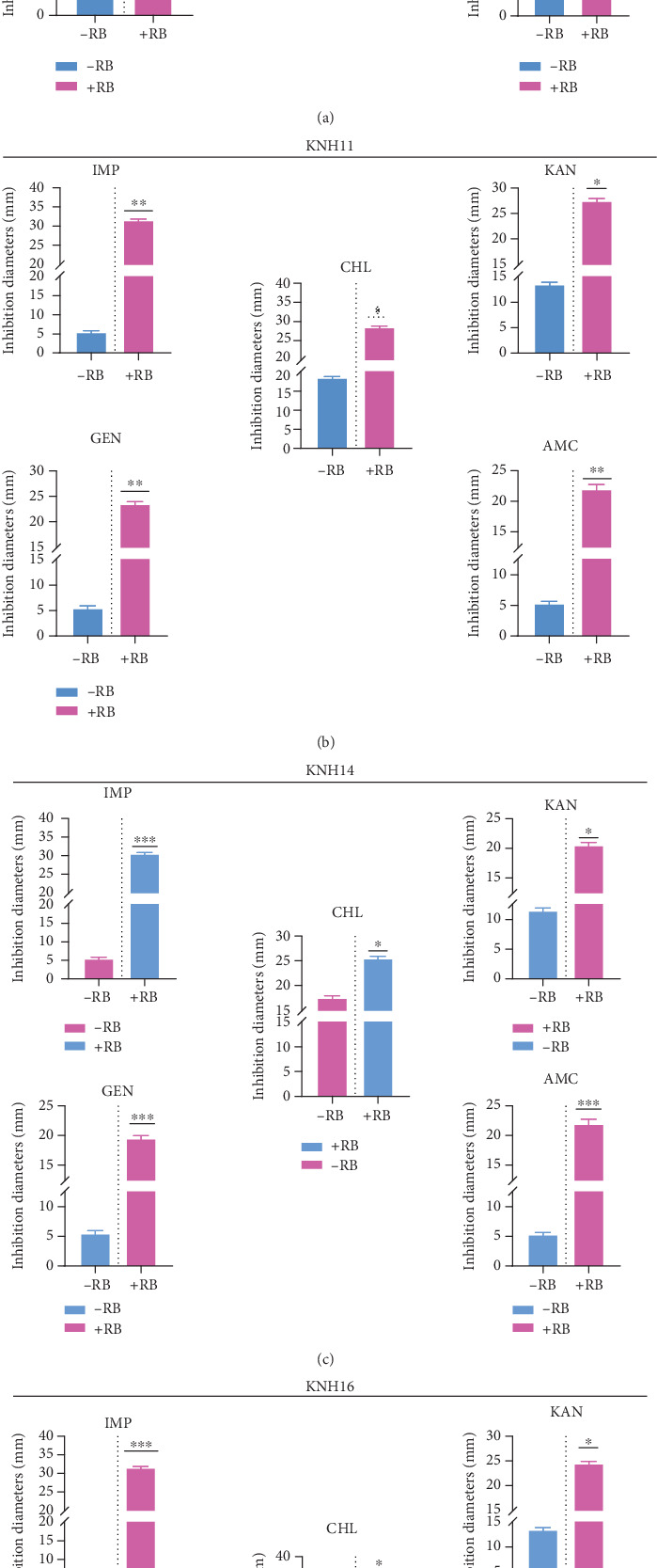 Figure 8
Peer Reviews
No public reviews on file for this paper yet. If you reviewed it on a platform where reviews are public (OpenReview, ICLR, NeurIPS, ICML), you can paste yours below so the community can read it here.
Videos
No videos yet. Explain this paper in a talk, walkthrough, or lecture? Add one.
Taxonomy
TopicsListeria monocytogenes in Food Safety · Escherichia coli research studies · Viral gastroenteritis research and epidemiology