Safety Assessment of Cassava Pulp-Derived Dietary Fiber: Acute and Sub-Acute Toxicity Evaluation
Naiyana Nontamart, Kakanang Posridee, Parin Suwannaprapha, Rungrudee Srisawat, Ratchadaporn Oonsivilai

TL;DR
This study shows that dietary fiber from cassava pulp is safe at high doses in rats, though lung changes need further investigation.
Contribution
The study provides new evidence on the safety profile of cassava pulp-derived dietary fiber through acute and sub-acute toxicity tests.
Findings
No treatment-related mortality or overt toxicity was observed in rats receiving cassava pulp fiber.
The NOAEL was determined as 2000 mg/kg for acute and 1000 mg/kg for sub-acute toxicity.
Histopathological lung changes were observed in all groups, including controls, requiring further research.
Abstract
This study rigorously evaluated the safety profile of dietary fiber extracted from cassava pulp, a promising functional food ingredient, through acute and 28-day sub-acute oral toxicity assessments in Wistar rats. This research hypothesized that cassava pulp fiber would exhibit minimal toxicity across a range of doses. In the acute study, rats received single oral doses of 175, 550, or 2000 mg/kg, while the sub-acute toxicity study involved daily doses of 250, 500, or 1000 mg/kg, with satellite groups included for reversibility assessment. Comprehensive monitoring encompassed clinical signs, mortality, body weight, food intake, hematological and biochemical parameters, relative organ weights, and detailed histopathological examination. Remarkably, no treatment-related mortality or overt clinical signs of toxicity were observed in either study. The LD50 was higher than 2000 mg/kg for the…
Genes, proteins, chemicals, diseases, species, mutations and cell lines named across the full text — each resolved to its canonical identifier and authoritative record.
Click any figure to enlarge with its caption.
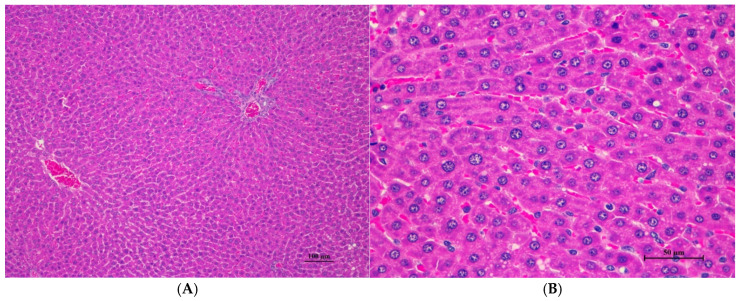 Figure 1
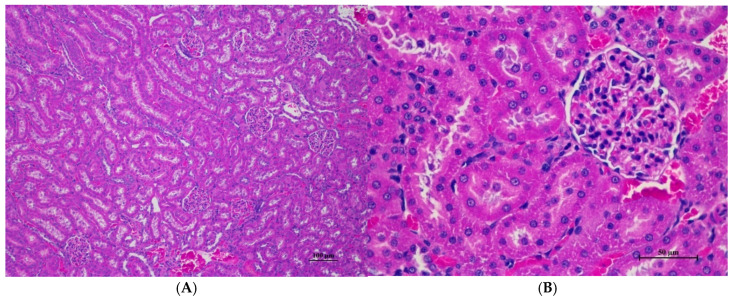 Figure 2
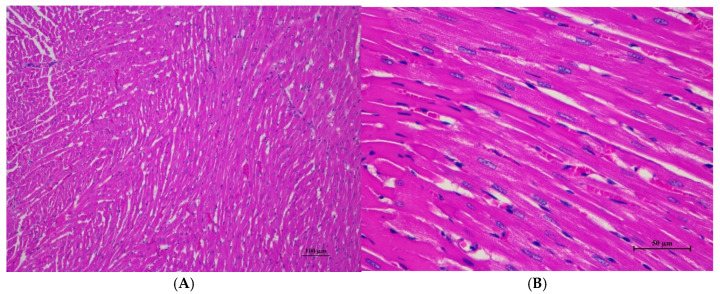 Figure 3
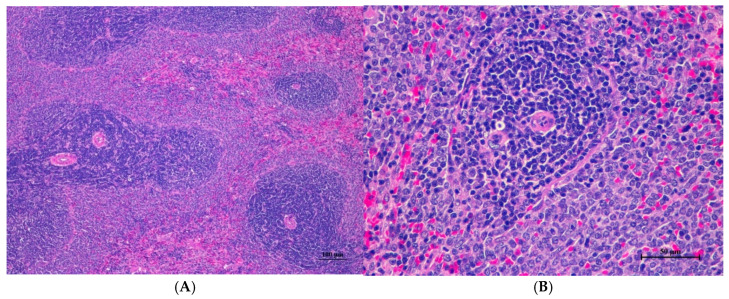 Figure 4
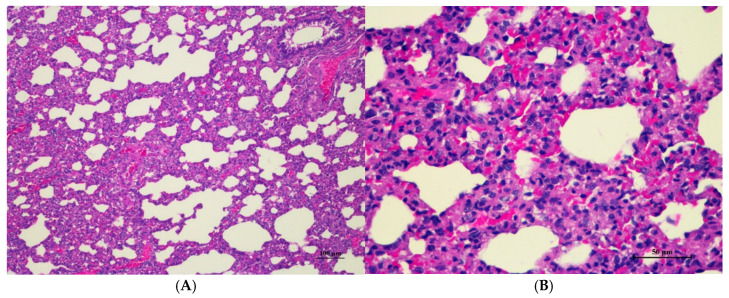 Figure 5
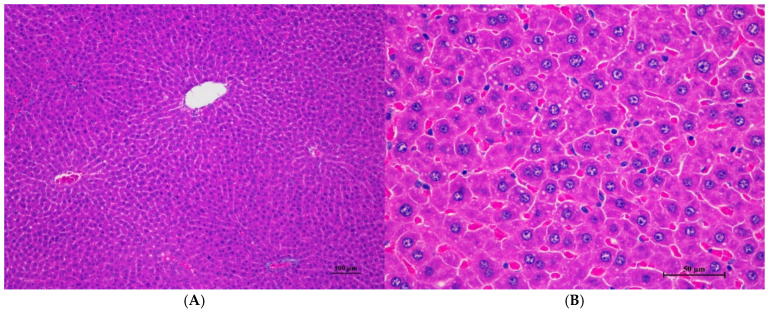 Figure 6
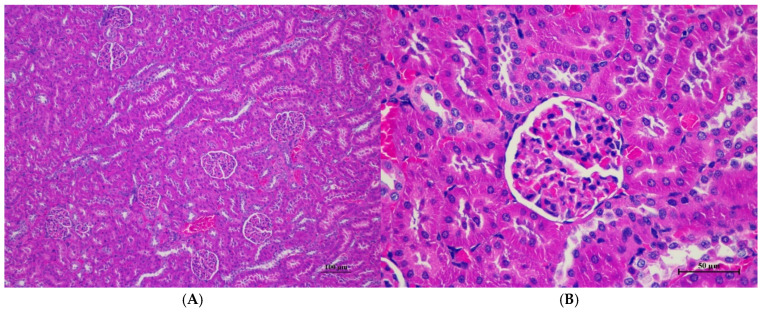 Figure 7
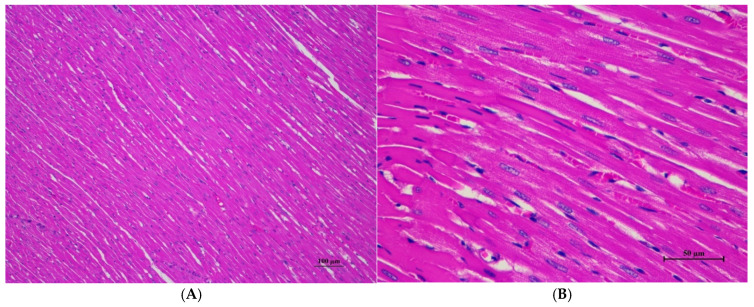 Figure 8
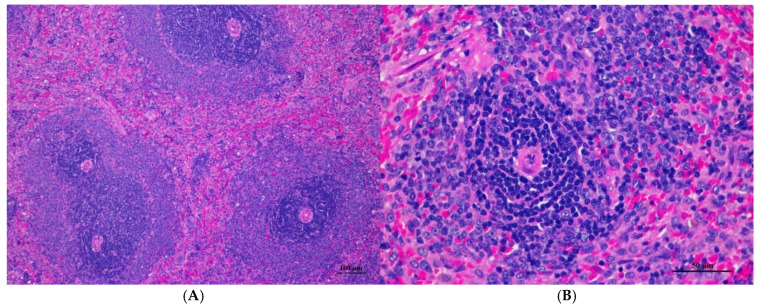 Figure 9
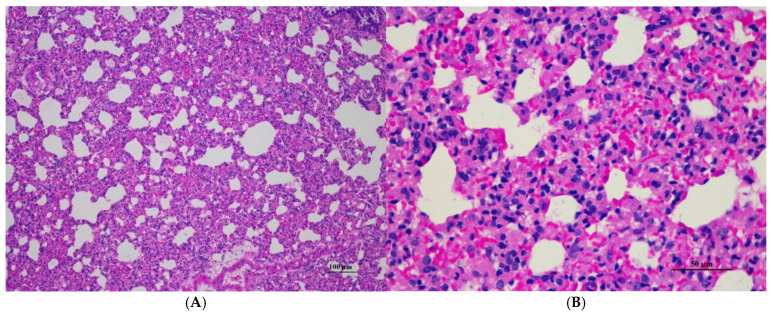 Figure 10
Peer Reviews
No public reviews on file for this paper yet. If you reviewed it on a platform where reviews are public (OpenReview, ICLR, NeurIPS, ICML), you can paste yours below so the community can read it here.
Videos
No videos yet. Explain this paper in a talk, walkthrough, or lecture? Add one.
Taxonomy
TopicsCassava research and cyanide · Hibiscus Plant Research Studies · Food Science and Nutritional Studies