Pseudomonas-Enterobacter Co-Infection Drives Cellulitis and Lymphangitis in Equines: A Case Report
Xiangning Huang, Renjie Deng, Haoen Huang, Huisheng Xie, Aolei Chen

TL;DR
This case report describes a rare co-infection in a horse that caused severe cellulitis and lymphangitis, highlighting the importance of comprehensive diagnostics and combined treatments.
Contribution
The report introduces a rare Pseudomonas-Enterobacter co-infection and a multifaceted diagnostic and treatment approach for equine cellulitis and lymphangitis.
Findings
Co-infection with Pseudomonas asiatica and Enterobacter hormaechei was confirmed using bacterial culture and genomics.
Combining antimicrobials, anti-inflammatory therapy, and traditional Chinese medicine resolved the infection and restored the horse's health.
Elevated AEAb levels correlated with lymphatic degradation, and imaging identified abnormal lymphatic vessels.
Abstract
Cellulitis/lymphangitis is a common disease in horses. Clinicians diagnose these diseases based on empirical judgement, namely the clinical presentation such as fever, limb swelling and acute lameness. This may lead to misdiagnoses or missed diagnoses or even practice against antibiotic stewardship. However, there are limited published reports focusing on diagnostic tests and integrative treatment regarding cellulitis/lymphangitis. This case report first documented a comprehensive approach using bacterial culture, bacterial genomics analysis and lymphangiograms to confirm the diagnosis. This case report detailed a rare co-infection of Pseudomonas asiatica and Enterobacter hormaechei in a 9-year-old warmblood mare, leading to severe cellulitis and secondary lymphangitis following traditional hoof blood-letting therapy. The mare exhibited acute limb swelling, fever, cutaneous ulceration,…
Genes, proteins, chemicals, diseases, species, mutations and cell lines named across the full text — each resolved to its canonical identifier and authoritative record.
Click any figure to enlarge with its caption.
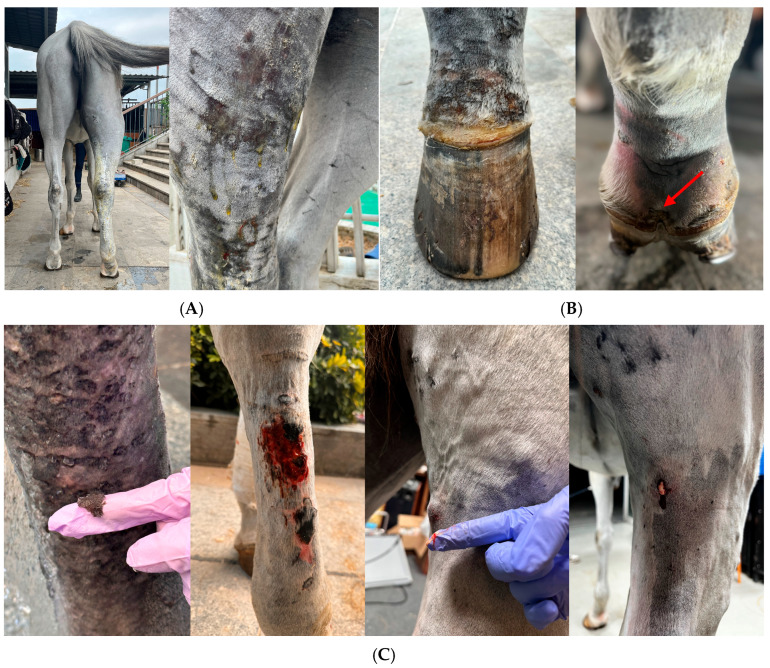 Figure 1
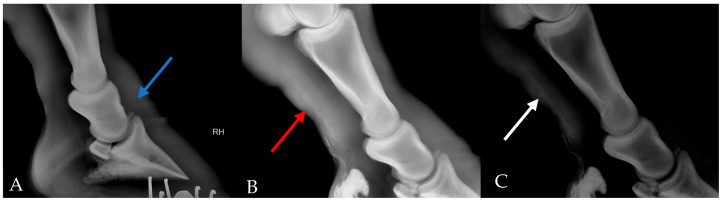 Figure 2
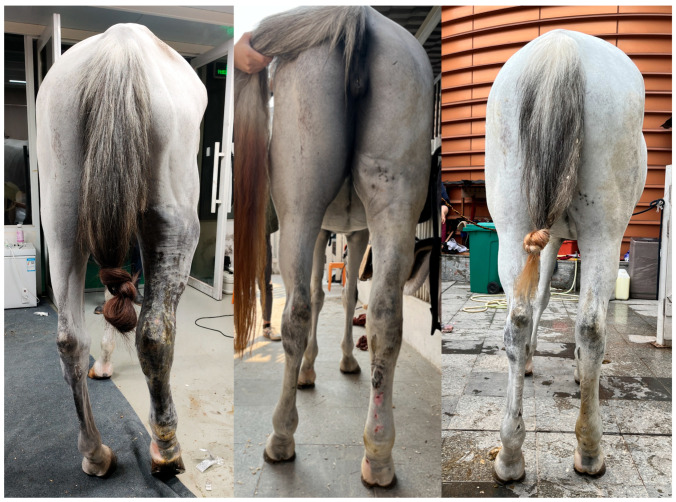 Figure 3
Peer Reviews
No public reviews on file for this paper yet. If you reviewed it on a platform where reviews are public (OpenReview, ICLR, NeurIPS, ICML), you can paste yours below so the community can read it here.
Videos
No videos yet. Explain this paper in a talk, walkthrough, or lecture? Add one.
Taxonomy
TopicsStreptococcal Infections and Treatments · Diphtheria, Corynebacterium, and Tetanus · Infections and bacterial resistance