Preliminary Proteomic and Metabolomic Analyses Reveal Potential Serum Biomarkers for Identifying Alveolar Echinococcosis in Mice
Qing Zhang, Xiongying Zhang, Na Liu, Jia Liu, Wei Wang, Yongshun Wang, Wen Lei, Cunzhe Zhao, Wanli Ma, Shuai Guo, Huixia Cai, Jingxiao Zhang, Yufang Liu, Kemei Shi, Wen Zhang, Xiao Ma

TL;DR
This study identifies potential blood-based biomarkers for early detection of alveolar echinococcosis in mice using proteomic and metabolomic analyses.
Contribution
The study presents novel serum biomarkers for early diagnosis of alveolar echinococcosis through integrated proteomic and metabolomic profiling in mice.
Findings
22 proteins and 182 metabolites showed significant differences between AE-infected and healthy mice.
Disruptions in energy metabolism and multi-organ function were observed in infected mice.
Amino acid metabolism was strongly associated with AE development, potentially supporting parasite colonization.
Abstract
Alveolar echinococcosis (AE), a life-threatening zoonotic disease caused by the larval stage of the tapeworm Echinococcus multilocularis, is frequently undetected during early infection and is typically diagnosed at advanced stages through imaging-based methods. Current therapeutic strategies are limited to pharmacological treatment or surgical intervention. To develop improved early diagnostic approaches, in this study, we used eight mice in the infected group and eight mice in the control group to perform metabolomic analysis. In addition, four mice from each group were randomly selected for proteomic analysis based on sample quality and volume. Proteomic and metabolomic analyses identified significant differences in 22 proteins and 182 metabolites between the AE-infected and healthy mice. These alterations suggest potential disruptions in host energy metabolism and multi-organ…
Genes, proteins, chemicals, diseases, species, mutations and cell lines named across the full text — each resolved to its canonical identifier and authoritative record.
Click any figure to enlarge with its caption.
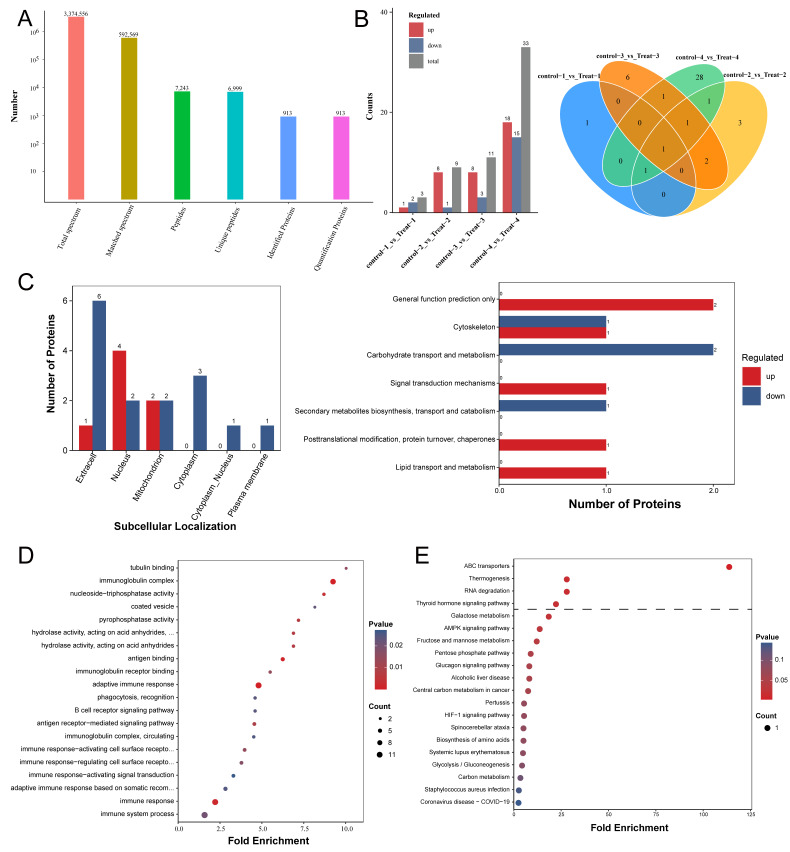 Figure 1
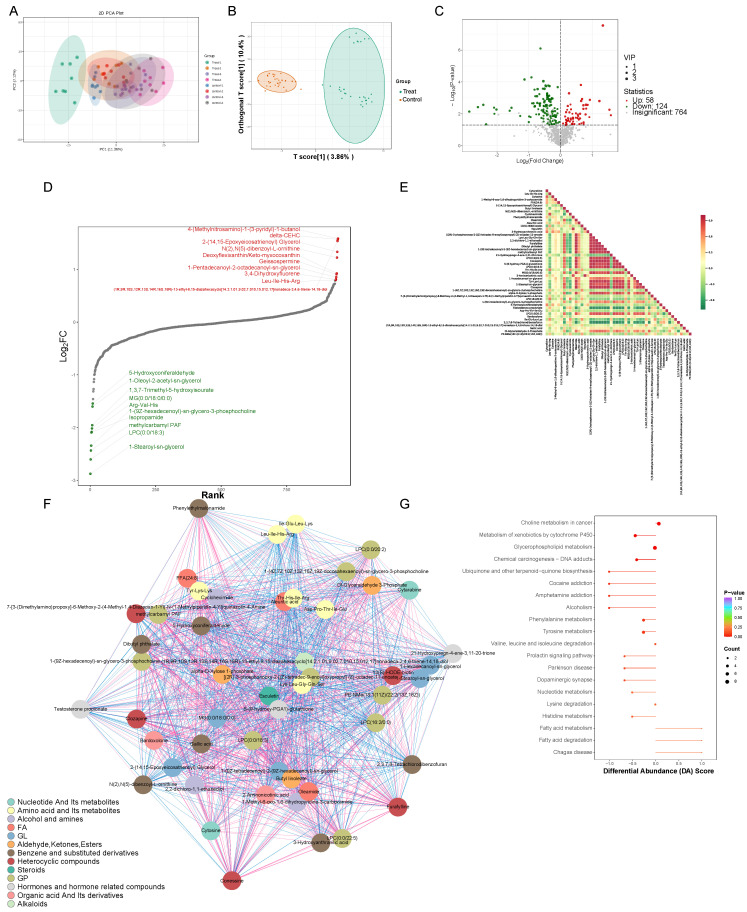 Figure 2
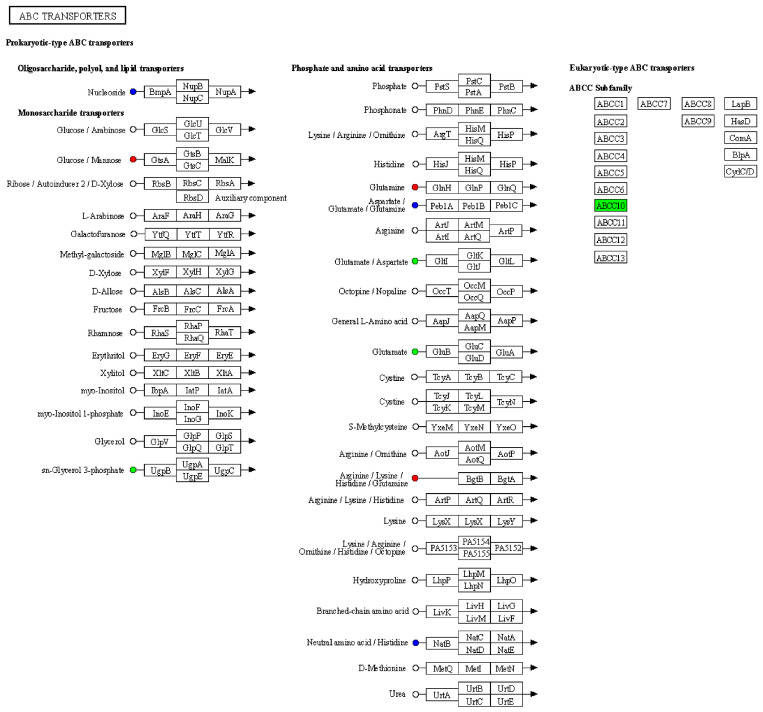 Figure 3
Peer Reviews
No public reviews on file for this paper yet. If you reviewed it on a platform where reviews are public (OpenReview, ICLR, NeurIPS, ICML), you can paste yours below so the community can read it here.
Videos
No videos yet. Explain this paper in a talk, walkthrough, or lecture? Add one.
Taxonomy
TopicsParasitic infections in humans and animals · Parasitic Infections and Diagnostics · Breastfeeding Practices and Influences