Post-Slaughter Age Classification and Sex Determination in Deboned Beef Using Lipofuscin Autofluorescence and Amelogenin Gene Analysis
Büşra Cumhur, Mustafa Yenal Akkurt, Tuğçe Anteplioğlu, Oğuz Kul, Ufuk Kaya, Bengi Çınar

TL;DR
This study introduces reliable methods to determine the age and sex of deboned beef using natural pigments and genetic testing, improving meat labeling and consumer trust.
Contribution
The study combines lipofuscin autofluorescence for age classification and amelogenin gene analysis for sex determination in processed beef.
Findings
Lipofuscin autofluorescence reliably distinguished meat from young (1.5–2.2 years) and older (3–13 years) animals.
Amelogenin gene analysis accurately identified the sex of beef samples, with 55.2% of older animals being female.
The methods worked effectively on both fresh and market-obtained deboned beef samples.
Abstract
Consumers often expect clear information about the quality of the meat they buy, including the age and sex of the animal it comes from. However, once meat is processed and sold without bones, it becomes difficult to tell whether it came from a young or old animal, or from a male or female. These factors affect meat tenderness, taste, and value. In this study, we tested two scientific methods that can help solve this problem. First, we looked at a natural pigment called lipofuscin, which builds up in animal muscles over time and glows under special light. By examining its pattern in muscle samples, we were able to group meat as coming from either young or older animals. Second, we used a simple genetic test to determine whether the meat came from a male or female. Both methods worked reliably, even on meat purchased from the market. This combined approach could help improve transparency…
Genes, proteins, chemicals, diseases, species, mutations and cell lines named across the full text — each resolved to its canonical identifier and authoritative record.
Click any figure to enlarge with its caption.
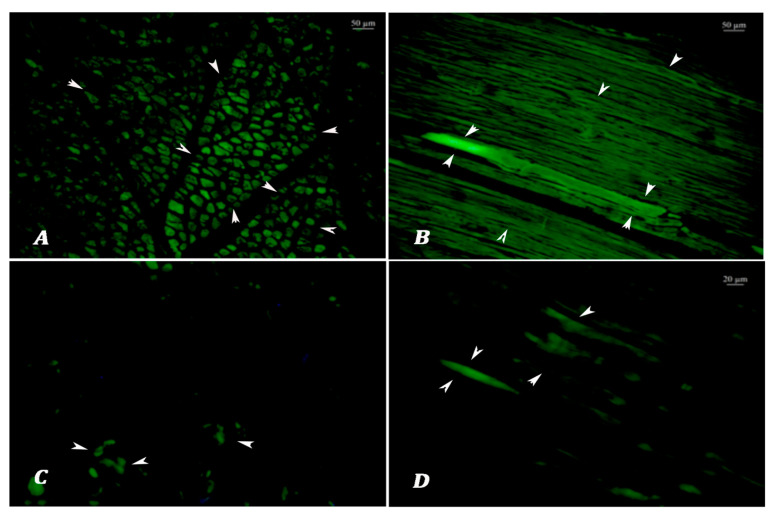 Figure 1
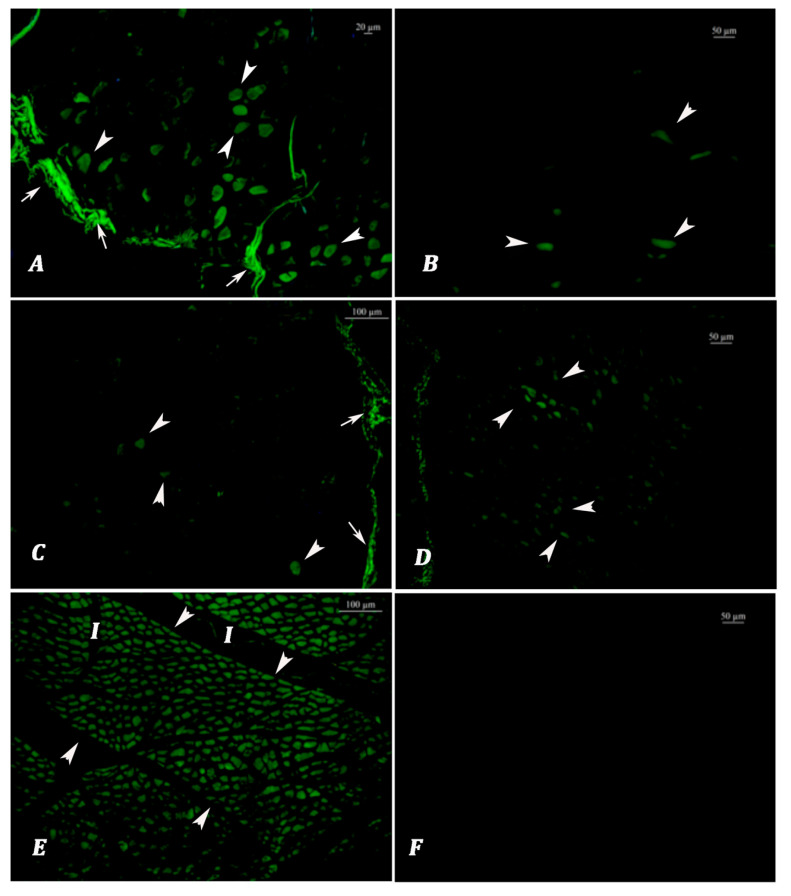 Figure 2
 Figure 3
Peer Reviews
No public reviews on file for this paper yet. If you reviewed it on a platform where reviews are public (OpenReview, ICLR, NeurIPS, ICML), you can paste yours below so the community can read it here.
Videos
No videos yet. Explain this paper in a talk, walkthrough, or lecture? Add one.
Taxonomy
TopicsIdentification and Quantification in Food · Meat and Animal Product Quality · Molecular Biology Techniques and Applications