Block-Wise Domain Adaptation for Workload Prediction from fNIRS Data
Jiyang Wang, Ayse Altay, Leanne Hirshfield, Senem Velipasalar

TL;DR
This paper introduces a new method for predicting cognitive workload from fNIRS data that works well across different subjects and sessions.
Contribution
The novel block-wise domain adaptation method improves generalization by treating intra-session blocks as different domains.
Findings
The proposed BWise-DA method outperforms three baseline models on three public workload datasets.
The method improves performance when used with baseline models through contrastive learning.
Visualizations confirm the model focuses on brain regions relevant to the tasks.
Abstract
Functional near-infrared spectroscopy (fNIRS) is a non-intrusive way to measure cortical hemodynamic activity. Predicting cognitive workload from fNIRS data has taken on a diffuse set of methods. To be applicable in real-world settings, models are needed, which can perform well across different sessions as well as different subjects. However, most existing works assume that training and testing data come from the same subjects and/or cannot generalize well across never-before-seen subjects. Additional challenges imposed by fNIRS data include not only the high variations in inter-subject fNIRS data but also the variations in intra-subject data collected across different blocks of sessions. To address these challenges, we propose an effective method, referred to as the block-wise domain adaptation (BWise-DA), which explicitly minimizes intra-session variance as well by viewing different…
Genes, proteins, chemicals, diseases, species, mutations and cell lines named across the full text — each resolved to its canonical identifier and authoritative record.
Click any figure to enlarge with its caption.
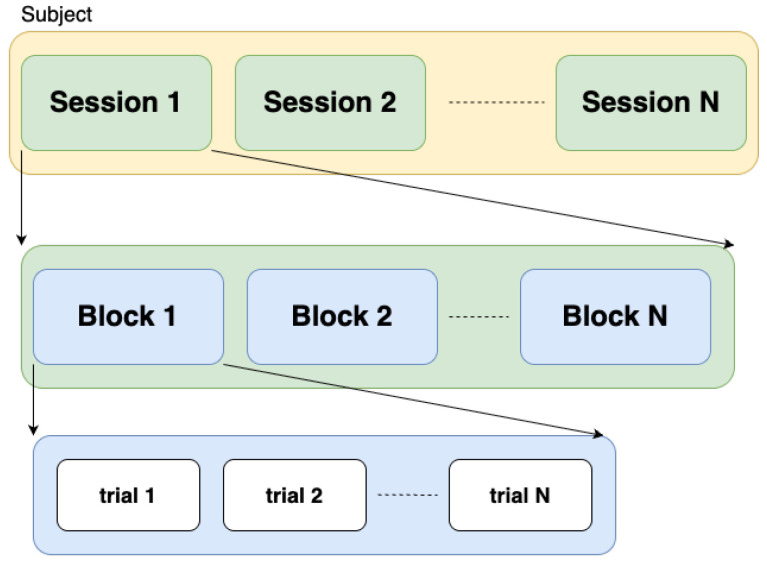 Figure 1
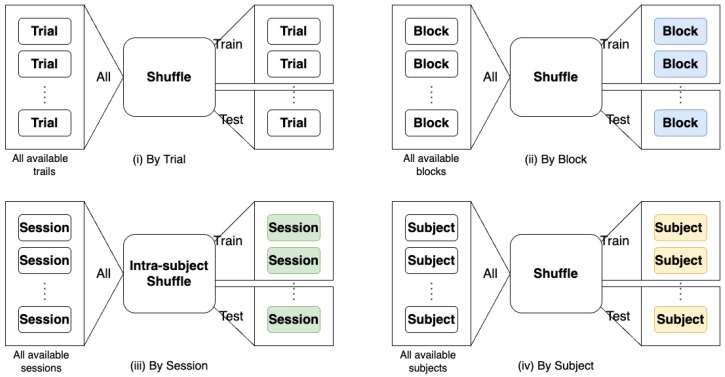 Figure 2
 Figure 3
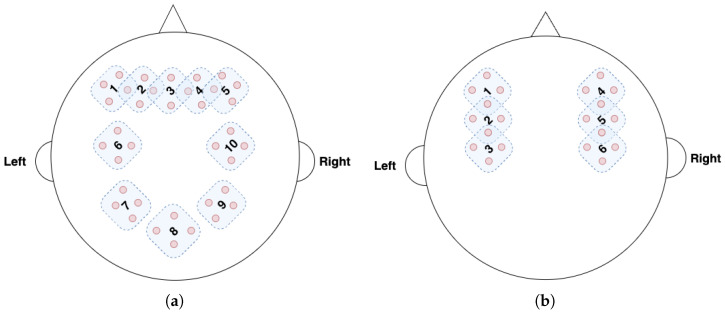 Figure 4
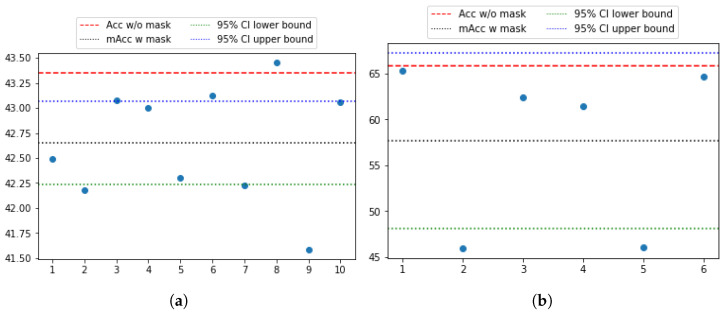 Figure 5
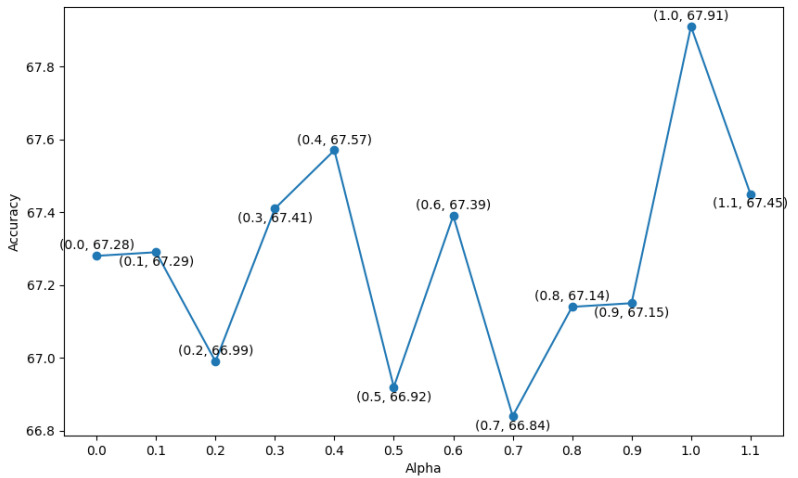 Figure 6
Peer Reviews
No public reviews on file for this paper yet. If you reviewed it on a platform where reviews are public (OpenReview, ICLR, NeurIPS, ICML), you can paste yours below so the community can read it here.
Videos
No videos yet. Explain this paper in a talk, walkthrough, or lecture? Add one.
Taxonomy
TopicsEEG and Brain-Computer Interfaces · Optical Imaging and Spectroscopy Techniques · Non-Invasive Vital Sign Monitoring