Exploring Nanofiltration for Transport of Small Molecular Species for Application in Artificial Kidney Devices to Treat End-Stage Kidney Disease
Haley Duncan, Christopher Newton, Jamie Hestekin, Christa Hestekin, Ira Kurtz

TL;DR
This study explores nanofiltration for separating small molecules like glucose and urea, aiming to improve artificial kidney devices for treating kidney failure.
Contribution
The study identifies key operational and feed conditions affecting nanofiltration performance for glucose and urea separation under physiological conditions.
Findings
Glucose rejection increased significantly above 20 psi, while urea rejection remained stable.
Divalent ions were more strongly rejected than monovalent ions and were more affected by feed conditions.
Temperature slightly increased flux but decreased divalent ion rejection.
Abstract
End-stage renal disease occurs when there is permanent loss of the kidney’s ability to filter toxins from the blood. Due to the limited number of transplants, dialysis is currently the most common treatment, but it significantly limits a patient’s lifestyle and has significant side effects. One solution is an artificial kidney, but significant challenges remain in its development. One challenge is the separation of glucose from urea. Nanofiltration is ideal for this separation; however, there is little understanding of the important parameters for this separation under physiological conditions. In this study, operating parameters (pressure and temperature) as well as feed conditions (increased glucose/salt) were explored for their effects on the separation of glucose from urea in six commercial membranes. The rejection of monovalent and divalent ions was also characterized. While…
Genes, proteins, chemicals, diseases, species, mutations and cell lines named across the full text — each resolved to its canonical identifier and authoritative record.
Click any figure to enlarge with its caption.
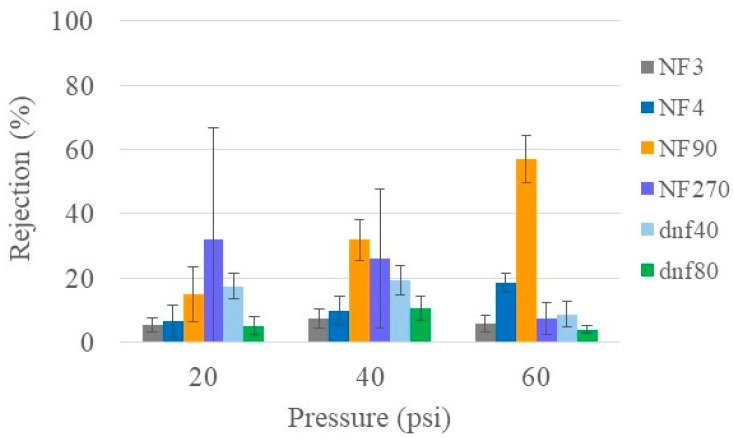 Figure 1
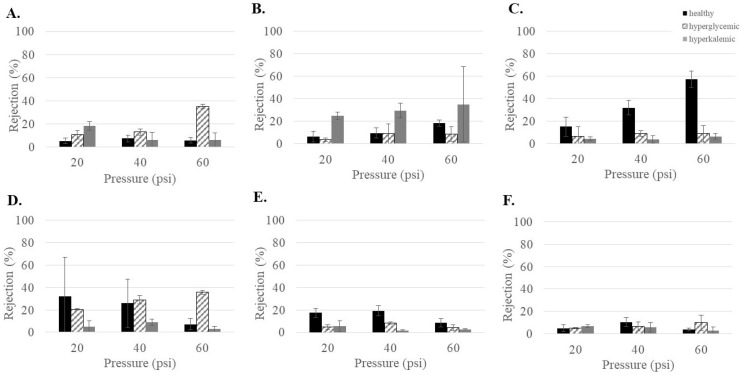 Figure 2
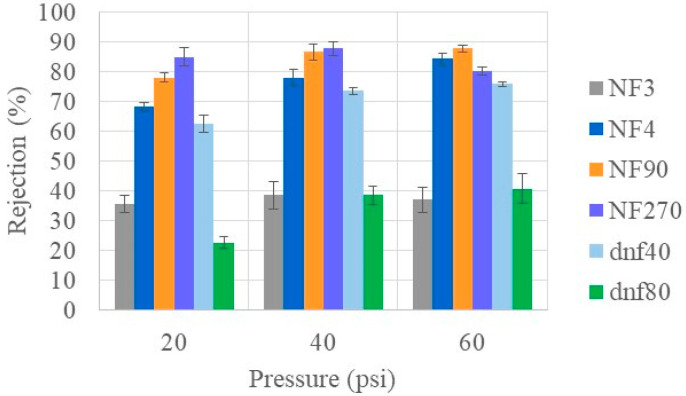 Figure 3
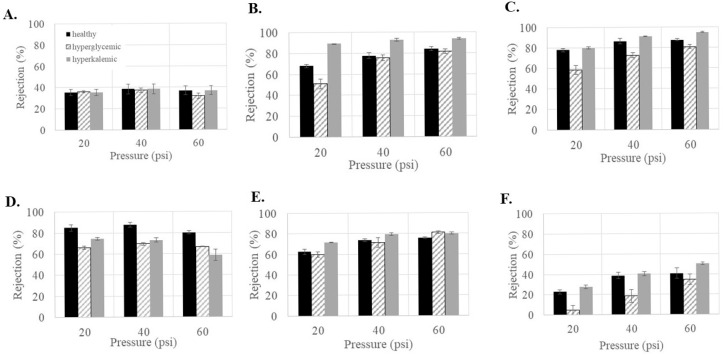 Figure 4
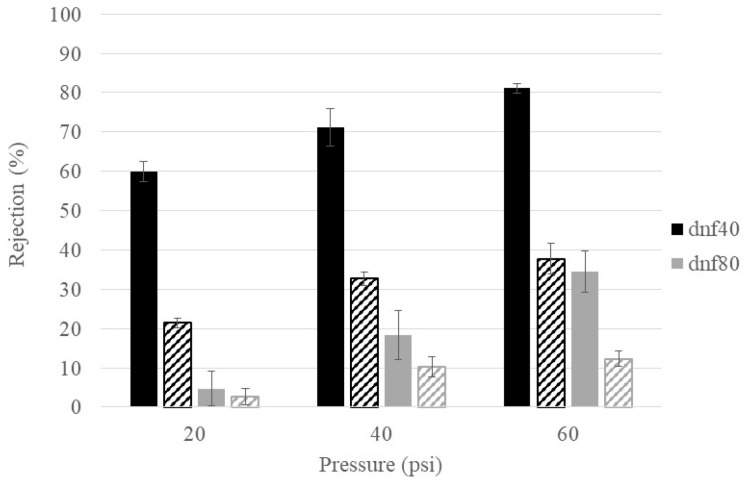 Figure 5
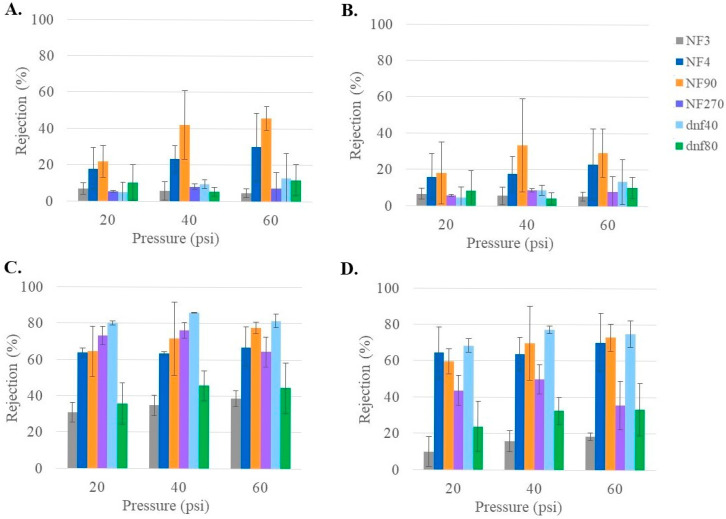 Figure 6
Peer Reviews
No public reviews on file for this paper yet. If you reviewed it on a platform where reviews are public (OpenReview, ICLR, NeurIPS, ICML), you can paste yours below so the community can read it here.
Videos
No videos yet. Explain this paper in a talk, walkthrough, or lecture? Add one.
Taxonomy
TopicsMembrane Separation Technologies · Membrane-based Ion Separation Techniques · Extraction and Separation Processes