Isthmin1 Upregulation in the Intestinal Microenvironment During Salmonella Typhimurium Infection: Identification and Characterization of Isthmin1-Producing Cells
Gustavo Alberto Jaimes-Ortega, Tania Angeles-Floriano, Guadalupe Rivera-Torruco, Julio Cesar Almanza-Pérez, Juan Xicohtencatl-Cortes, Eduardo Hernández-Cuellar, Oscar Medina-Contreras, Ariadnna Cruz-Córdova, Ricardo Valle-Rios

TL;DR
This study explores how Isthmin1 (ISM1) is produced in the intestines during Salmonella infection and identifies cells that secrete ISM1, suggesting it could be a biomarker for inflammation.
Contribution
The study identifies ISM1-producing cell subsets in the intestine and shows increased ISM1 secretion during Salmonella infection, suggesting a novel biomarker for inflammation.
Findings
ISM1 is produced by CD45+, EpCAM+, and hematopoietic stem cell-like cells in the small intestine.
Salmonella Typhimurium infection alters the frequency of ISM1-expressing hematopoietic stem cell subsets.
Intestinal luminal ISM1 concentration increases during infection, indicating a potential role as a biomarker.
Abstract
Isthmin1 (ISM1) is a constitutively secreted cytokine produced by barrier tissues and different immune cell types. Importantly, ISM1 is also expressed by cells with a hematopoietic stem cell phenotype in the lung and plays a role during hematopoiesis. Under inflammatory conditions, ISM1 levels are also altered. Given that the intestine is one of the tissues with the highest ISM1 gene expression, in this work, we characterized the immunophenotype of ISM1-producing cells in the small intestine of uninfected or Salmonella Typhimurium-infected mice. We found a variety of ISM1+-expressing cells, including CD45+ cells, EpCAM+ cells, and, importantly, we also found different subsets of cells carrying hematopoietic stem cell markers (LSKs) expressing ISM1, and their frequency was perturbed during infection. Finally, we also found that isthmin1 is secreted into the intestinal lumen, and its…
Genes, proteins, chemicals, diseases, species, mutations and cell lines named across the full text — each resolved to its canonical identifier and authoritative record.
Click any figure to enlarge with its caption.
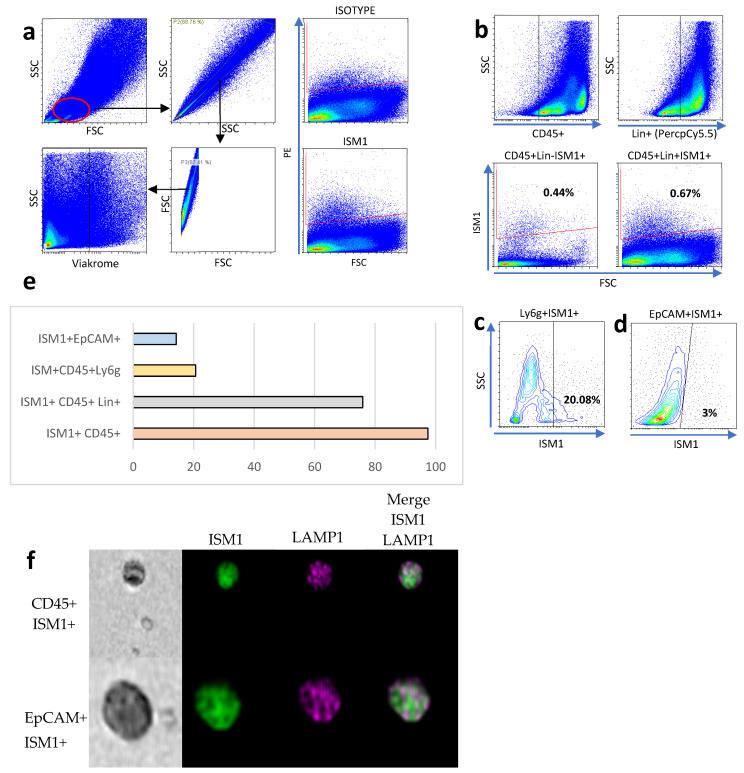 Figure 1
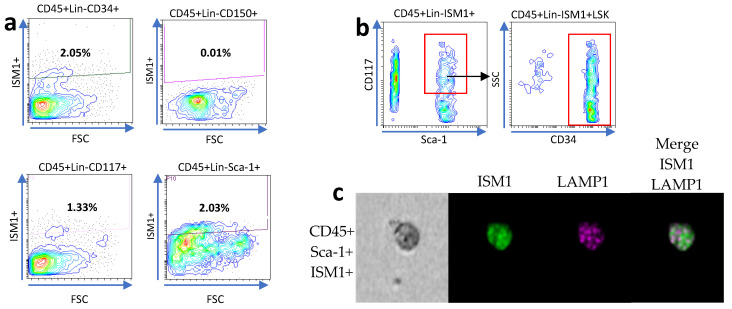 Figure 2
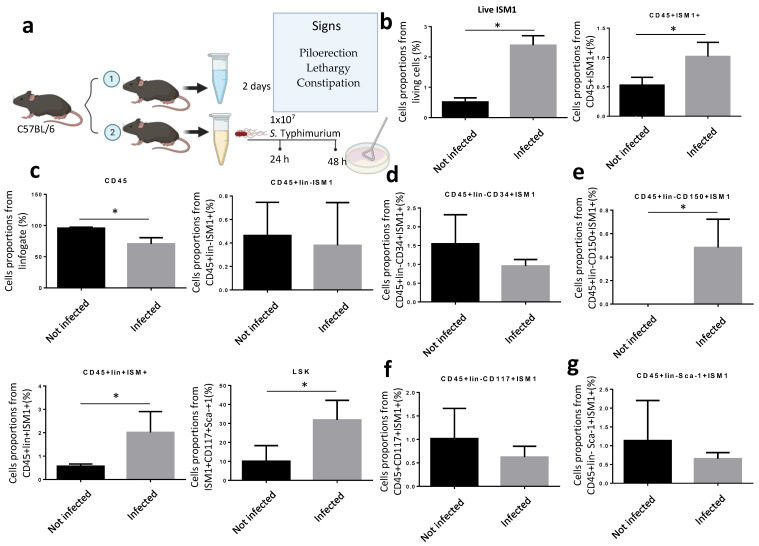 Figure 3
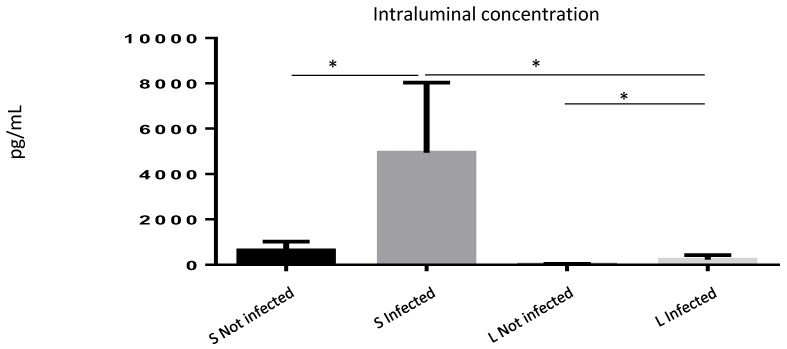 Figure 4
Peer Reviews
No public reviews on file for this paper yet. If you reviewed it on a platform where reviews are public (OpenReview, ICLR, NeurIPS, ICML), you can paste yours below so the community can read it here.
Videos
No videos yet. Explain this paper in a talk, walkthrough, or lecture? Add one.
Taxonomy
TopicsImmune responses and vaccinations · Epigenetics and DNA Methylation · IL-33, ST2, and ILC Pathways