Pulsatile Physiological Control of Blood Pump-Cardiovascular System Based on Feedforward Compensation
Yanjun Bao, Teng Jing, Weimin Ru, Ling Zhou

TL;DR
This paper introduces a new control method for blood pumps to maintain pulsatile blood flow and improve cardiovascular system performance.
Contribution
A novel pulsatile physiological control with feedforward compensation is proposed to enhance blood pump performance and pulsatility.
Findings
The feed-forward compensation reduces tracking error by 80% in pulsatile flow control.
The control method achieves stable tracking during sudden physiological changes and prevents reflux.
Experiments show a 30 mmHg increase in aortic beat-to-beat differential pressure.
Abstract
Rotary Blood Pump (RBP) is a commonly used ventricular assist device. However, the constant speed operation of the blood pump leads to a reduction of blood flow pulsatility, which triggers a series of adverse reactions. In this paper, a pulsatile physiological control with feed-forward compensation (FFC) is designed to regulate the rotational speed in real time to accurately output pulsatile blood flow to address this problem. The coupled model of the Rotary Blood Pump and cardiovascular system (CVS) is established in the SIMULINK software as the research object. The designed pulsatile physiological control algorithm contains the feed-forward compensation-based pulsatile control and anti-reflux algorithm, switching the applicable algorithm based on the pump flow. When the flow rate is higher than the threshold, feed-forward compensation is introduced and combined with PI feedback…
Genes, proteins, chemicals, diseases, species, mutations and cell lines named across the full text — each resolved to its canonical identifier and authoritative record.
Click any figure to enlarge with its caption.
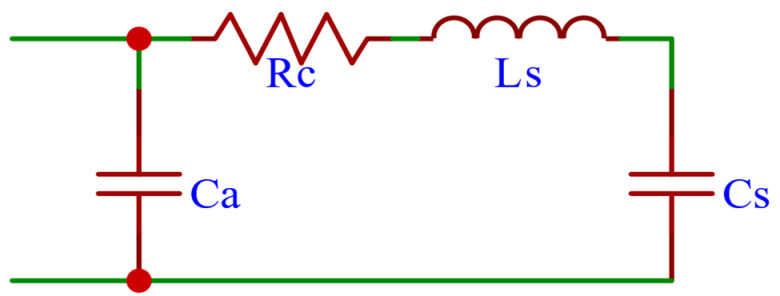 Figure 1
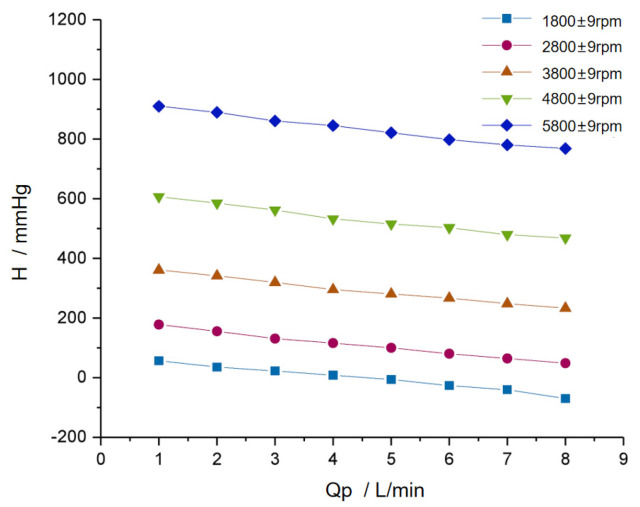 Figure 2
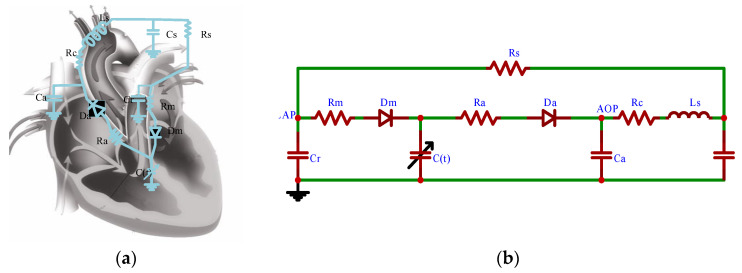 Figure 3
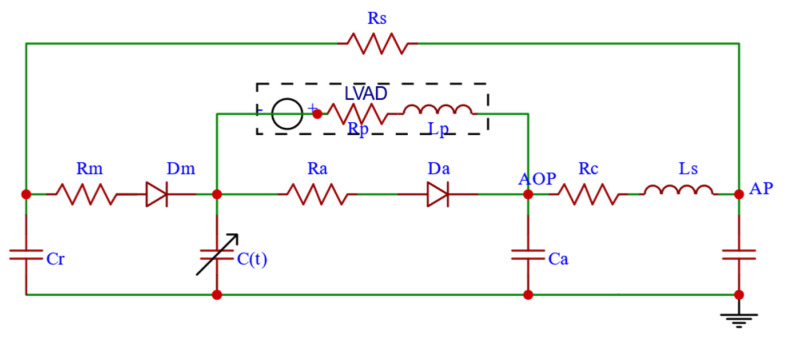 Figure 4
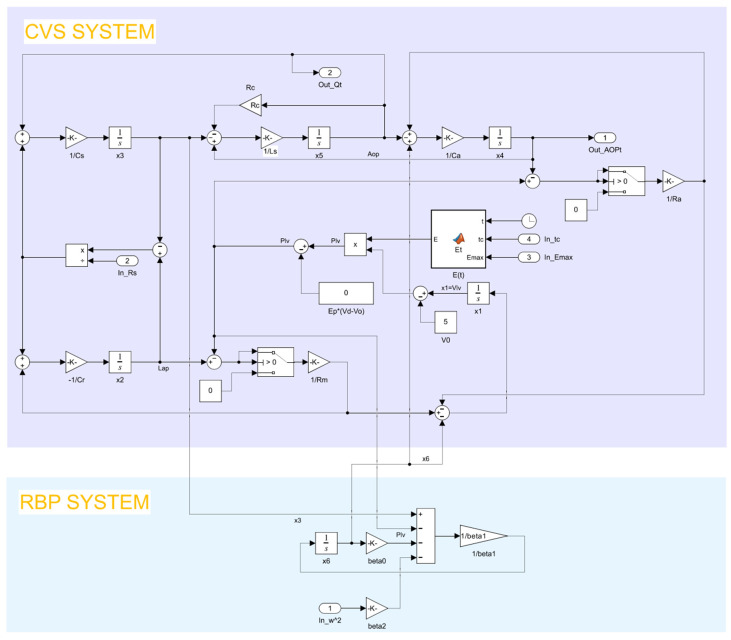 Figure 5
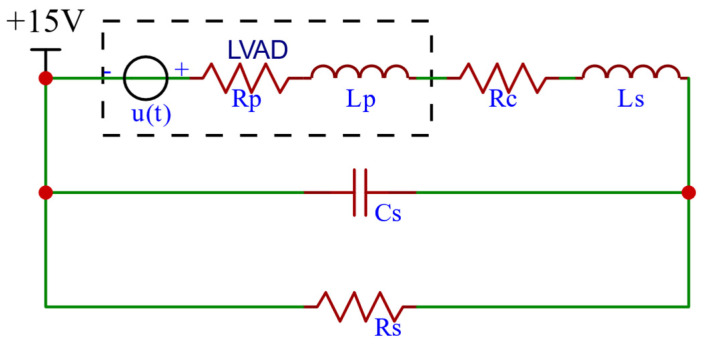 Figure 6
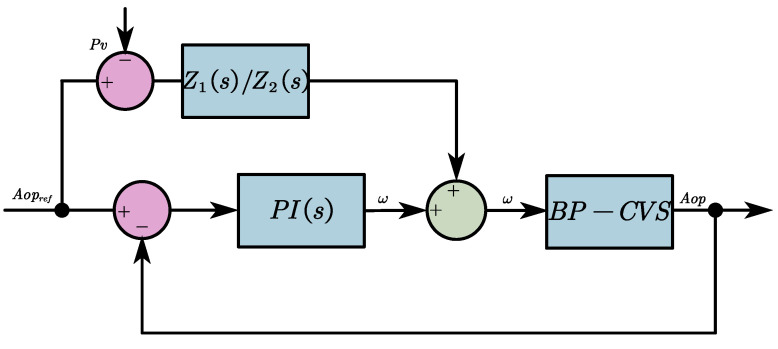 Figure 7
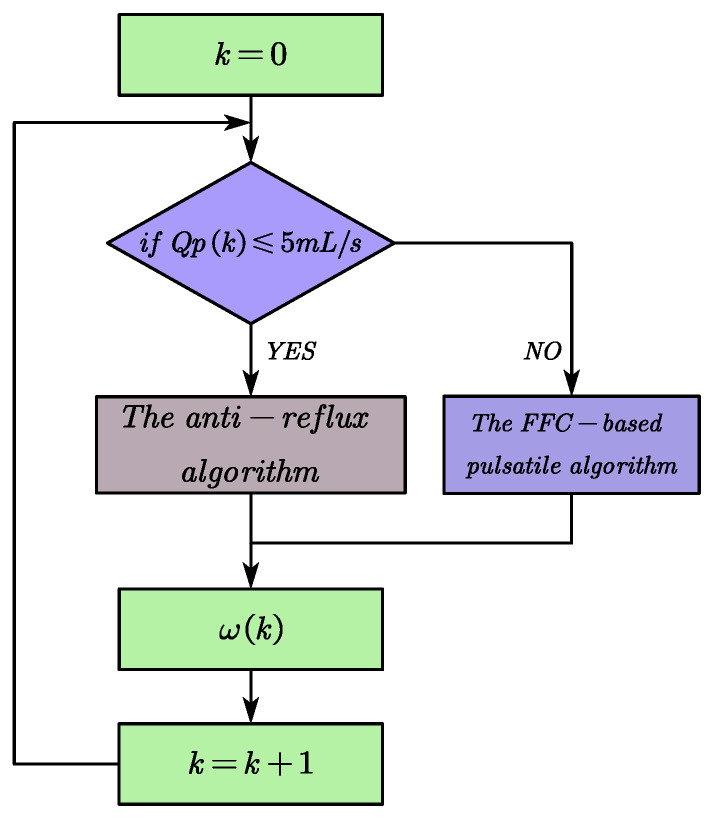 Figure 8
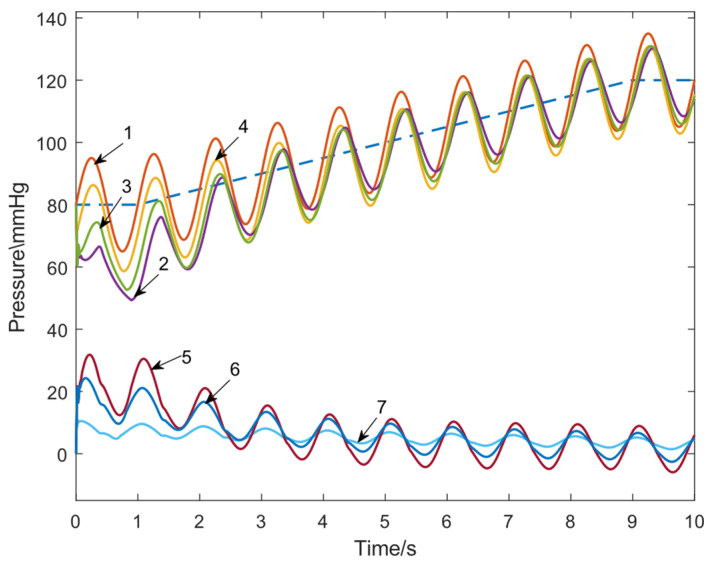 Figure 9
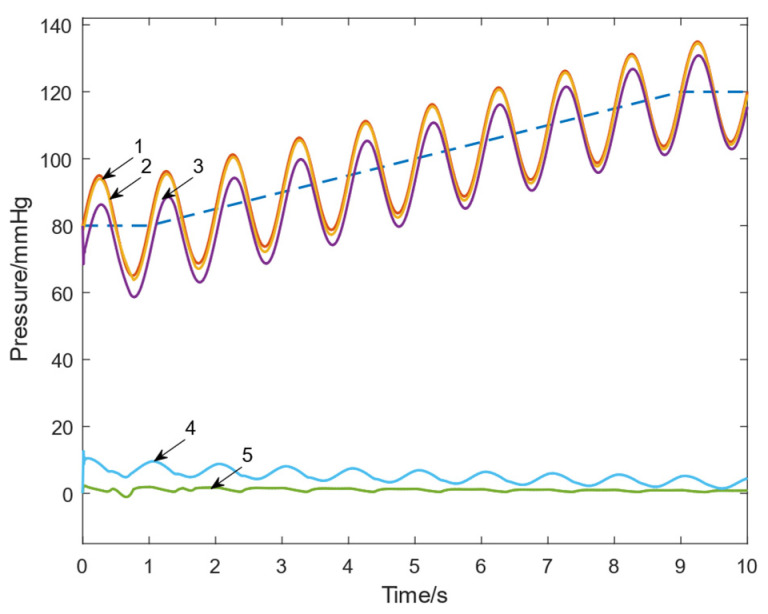 Figure 10
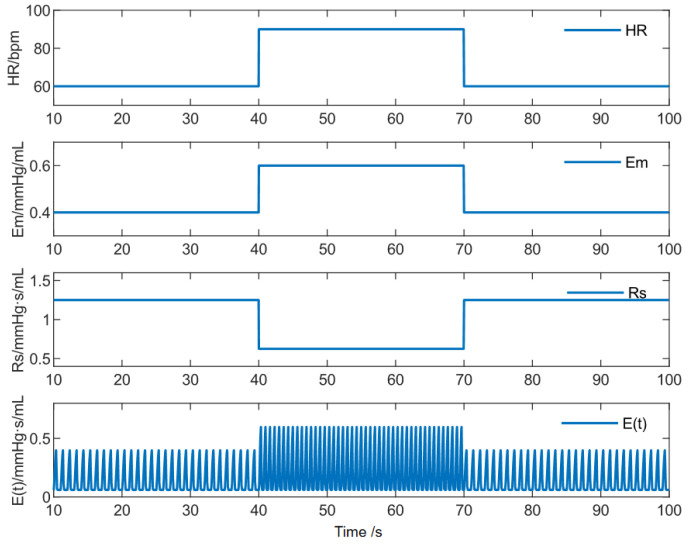 Figure 11
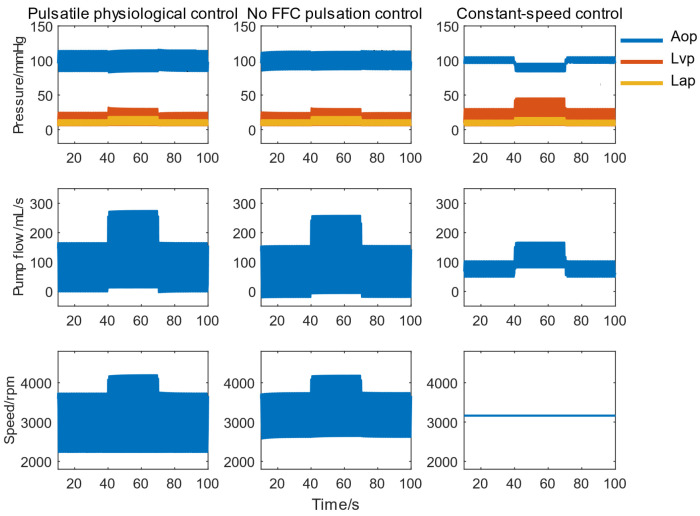 Figure 12
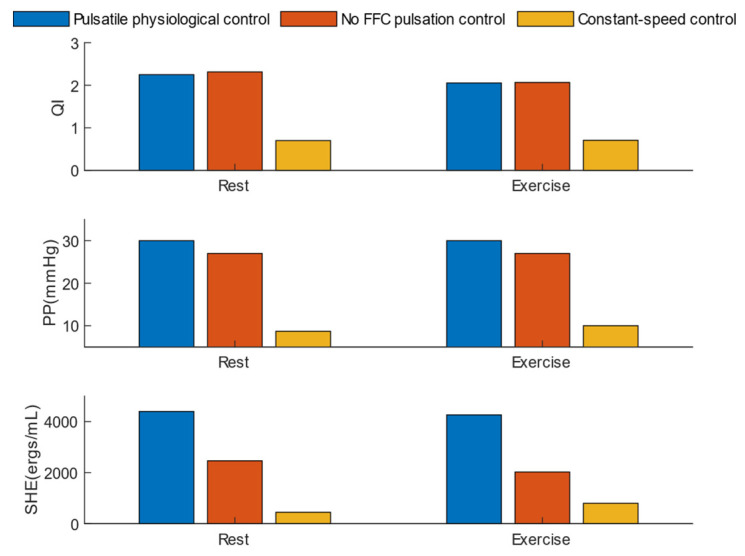 Figure 13
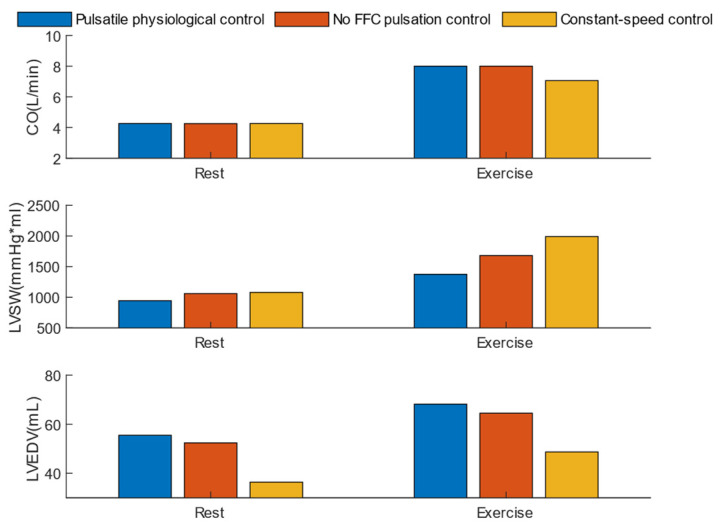 Figure 14
 Figure 15
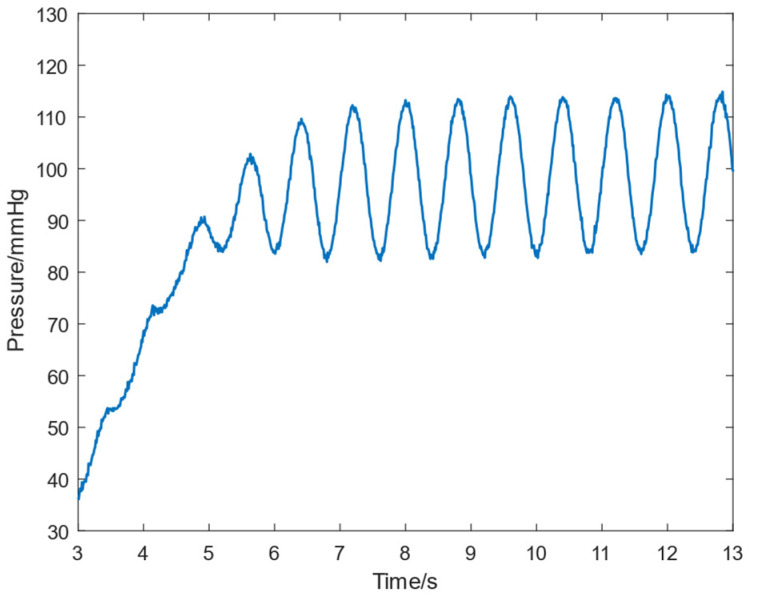 Figure 16
Peer Reviews
No public reviews on file for this paper yet. If you reviewed it on a platform where reviews are public (OpenReview, ICLR, NeurIPS, ICML), you can paste yours below so the community can read it here.
Videos
No videos yet. Explain this paper in a talk, walkthrough, or lecture? Add one.
Taxonomy
TopicsMechanical Circulatory Support Devices · Cardiac Ischemia and Reperfusion · Cardiac Arrest and Resuscitation