Gradient Joule Heating Curing Performance of Steel-Fiber-Reinforced High-Performance Concrete in Severe Cold Environments: A Preliminary Attempt for Deep-Cold Concrete Construction
Xinyu Liu, Jinghui Wang, Zheng Zhou, Lei Zhang, Qiang Fu

TL;DR
This study explores using gradient Joule heating to cure concrete in extremely cold environments, showing it can achieve similar strength to traditional methods.
Contribution
The novel use of gradient Joule heating for curing concrete in subzero temperatures is introduced and validated.
Findings
Concrete specimens cured at −20 °C to −50 °C achieved compressive strengths comparable to room-temperature curing.
Compressive strength at −60 °C remained above 60 MPa despite reduced performance.
Hydration product integrity in gradient Joule heating was similar to room-temperature curing.
Abstract
Winter concrete construction in cold regions faces significant challenges due to extreme subzero temperatures, and the harsh environment presents new requirement for cement-based materials to resist this hostile external condition. To address this gap, this study proposes gradient Joule heating (GJH) curing for steel-fiber-reinforced high-performance concrete (SFR-HPC) in subzero environments (−20 °C to −60 °C). Compared to room-temperature (RT) curing, GJH enabled specimens at −20 °C to −50 °C to achieve equivalent mechanical properties within a short curing duration; the compressive strength of the specimens cured at such low environmental temperature still reached up to that of the specimen cured by RT curing. Moreover, the compressive strength of the specimens cured at −60 °C retained >60 MPa despite reduced performance. Specifically, the specimens cured at −20 °C, −30 °C, −40 °C,…
Genes, proteins, chemicals, diseases, species, mutations and cell lines named across the full text — each resolved to its canonical identifier and authoritative record.
Click any figure to enlarge with its caption.
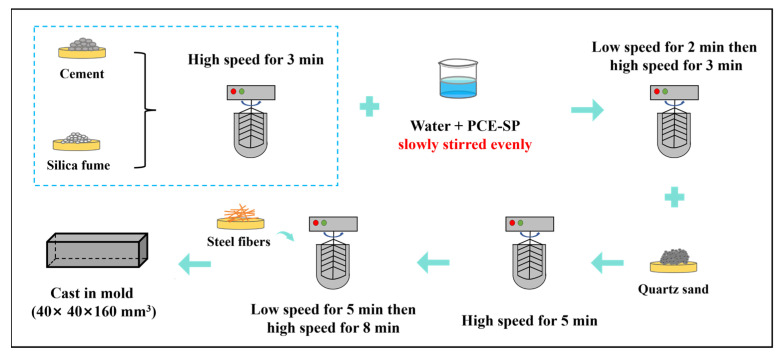 Figure 1
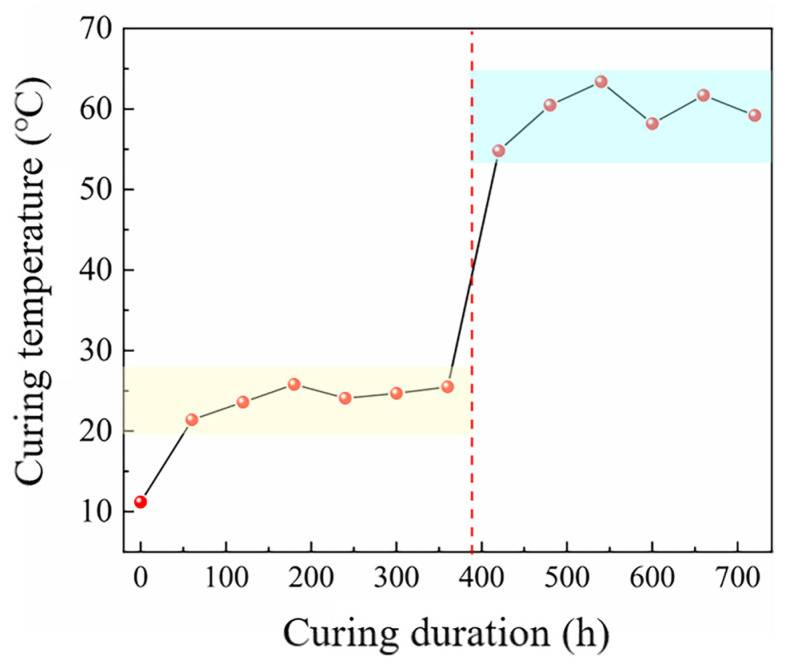 Figure 2
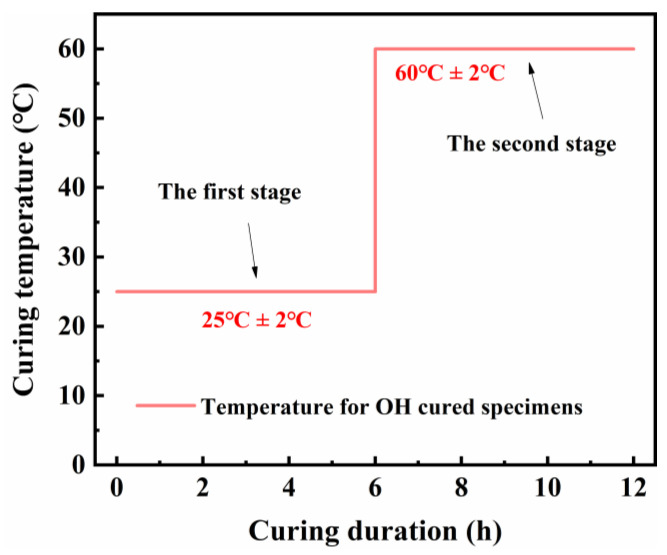 Figure 3
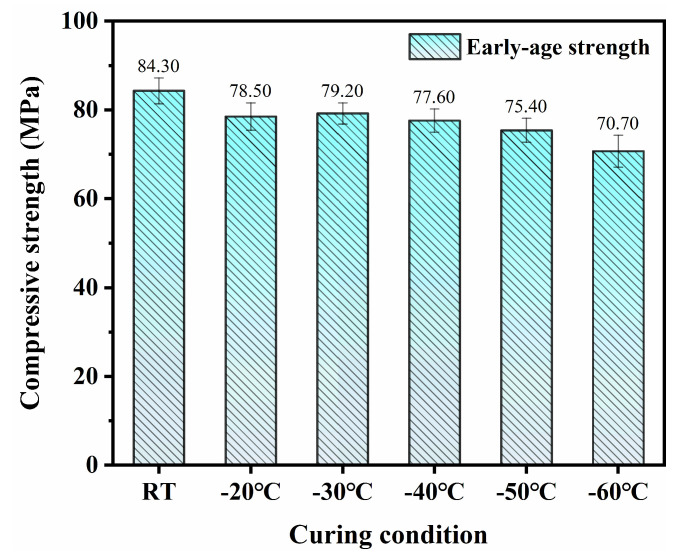 Figure 4
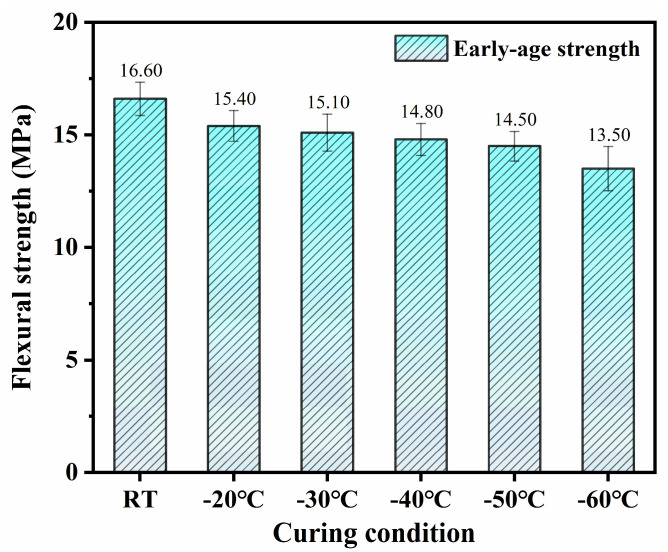 Figure 5
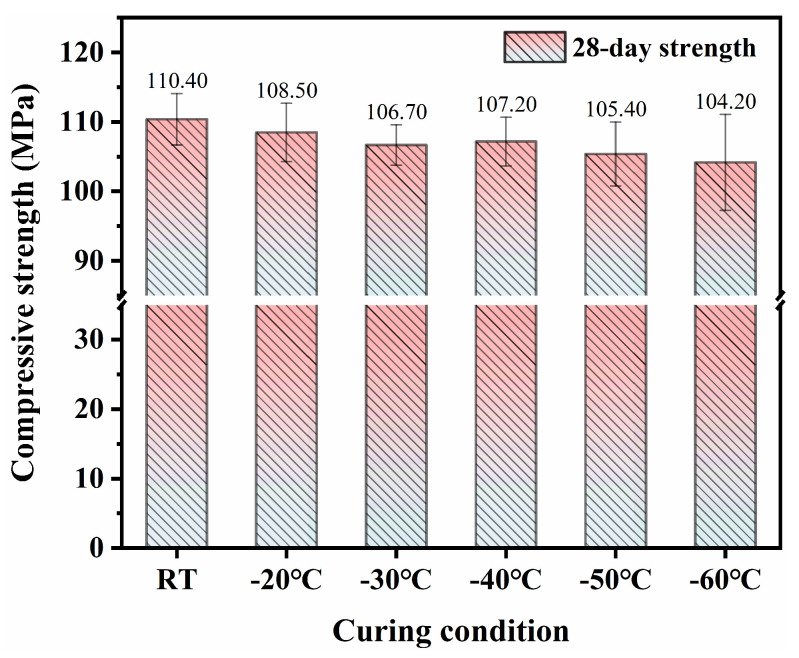 Figure 6
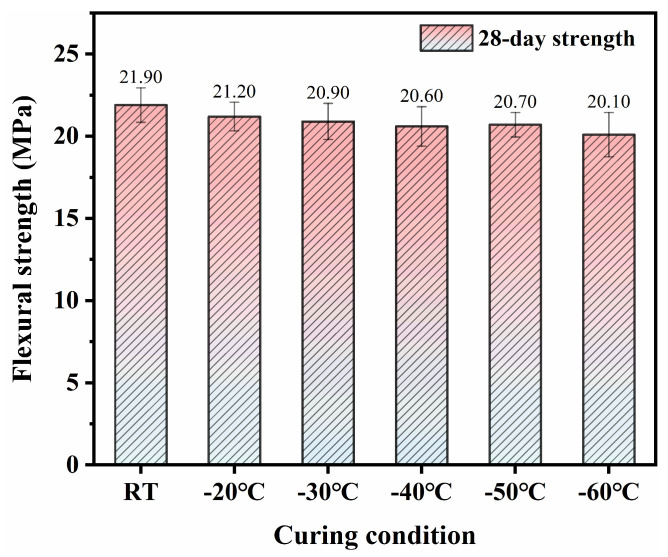 Figure 7
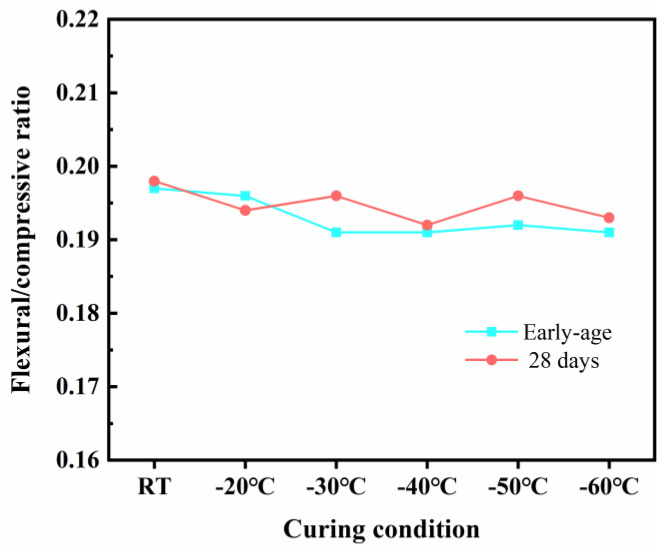 Figure 8
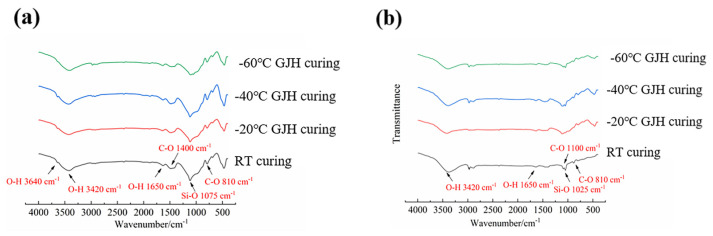 Figure 9
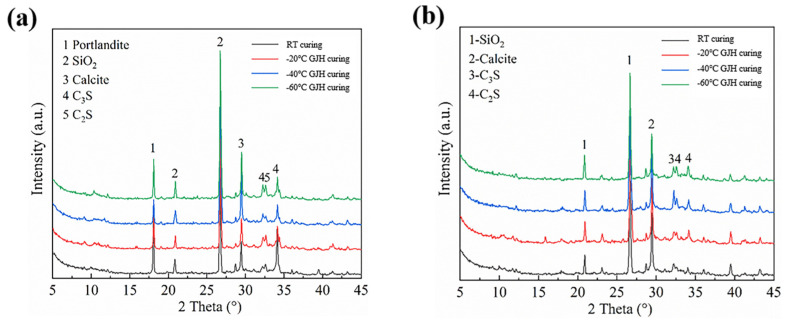 Figure 10
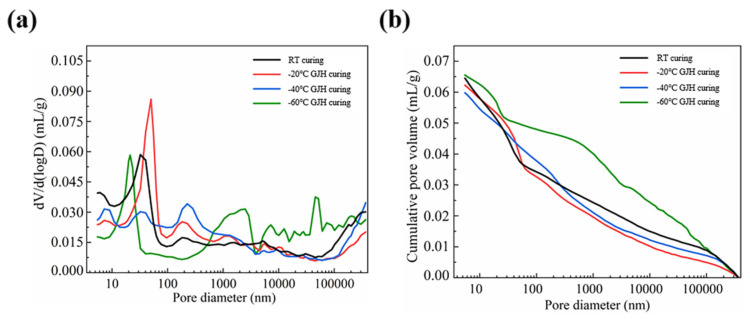 Figure 11
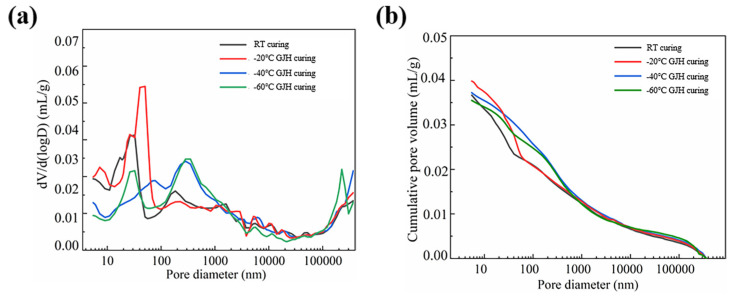 Figure 12
Peer Reviews
No public reviews on file for this paper yet. If you reviewed it on a platform where reviews are public (OpenReview, ICLR, NeurIPS, ICML), you can paste yours below so the community can read it here.
Videos
No videos yet. Explain this paper in a talk, walkthrough, or lecture? Add one.
Taxonomy
TopicsConcrete and Cement Materials Research · Smart Materials for Construction · Concrete Properties and Behavior