The Prediction of High-Temperature Bulging Deformations in Non-Uniform Welded Tubes and Its Application to Complex-Shaped Tubular Parts
Zhenyu Zhang, Yanli Lin, Xianggang Ruan, Jiangkai Liang, Tianyu Wang, Junzhuo Wang, Zhubin He

TL;DR
This paper improves predictions of high-temperature deformation in welded boron steel tubes used for automotive parts.
Contribution
A modified Johnson–Cook model is proposed to predict deformation behavior in non-uniform welded tubes.
Findings
The weld has 12.8% higher yield strength and 3.9% higher tensile strength than the base metal.
The modified model achieved correlation coefficients of 0.99 for base metal and 0.982 for the weld.
Predictions of wall thickness distribution in complex-shaped parts had a maximum deviation of less than 8%.
Abstract
Boron steel welded tubes show strong potential as blanks in the integrated hot gas forming–quenching process for fabricating complex thin-walled automotive parts. Nonetheless, the non-uniform characteristics of the base metal and the weld in the high-heat welded tube can result in uneven deformation during the bulging process. This inconsistency hampers precise predictions of the deformation behavior of the welded tubes at high temperatures. Accordingly, this research explored the flow characteristics and mechanical properties of PHS1500 boron steel welded tubes. This research was conducted at 850 °C and 900 °C, with strain rates of 0.01 s−1–1 s−1. The Johnson–Cook model was modified for both the base metal and the weld using experimental stress–strain data. Meanwhile, to assess the model precisions, the correlation coefficient r and the average absolute relative error (AARE) were…
Genes, proteins, chemicals, diseases, species, mutations and cell lines named across the full text — each resolved to its canonical identifier and authoritative record.
Click any figure to enlarge with its caption.
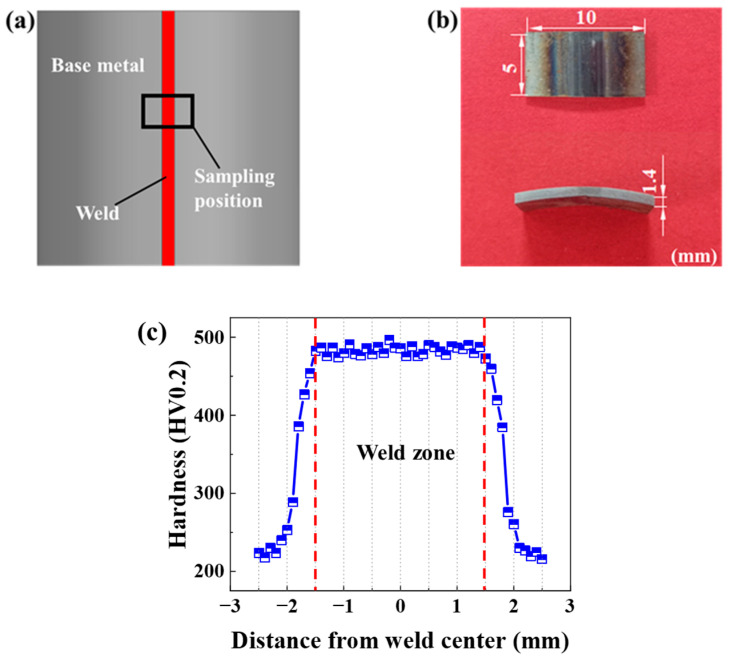 Figure 1
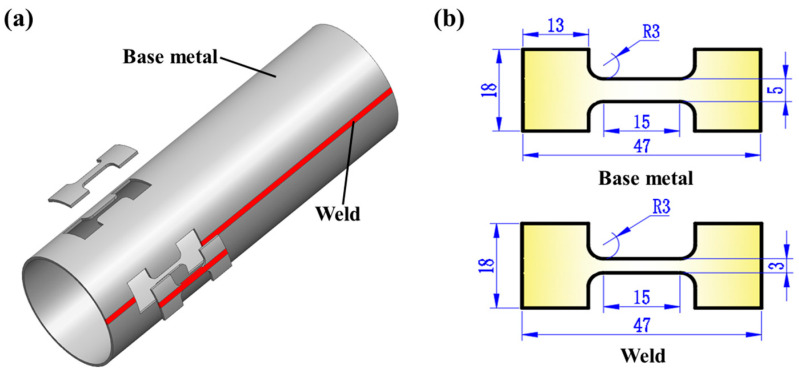 Figure 2
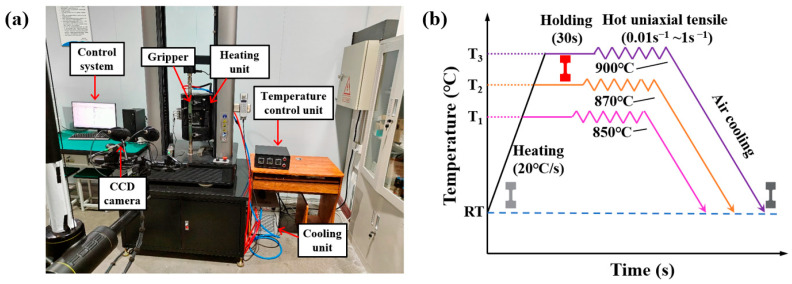 Figure 3
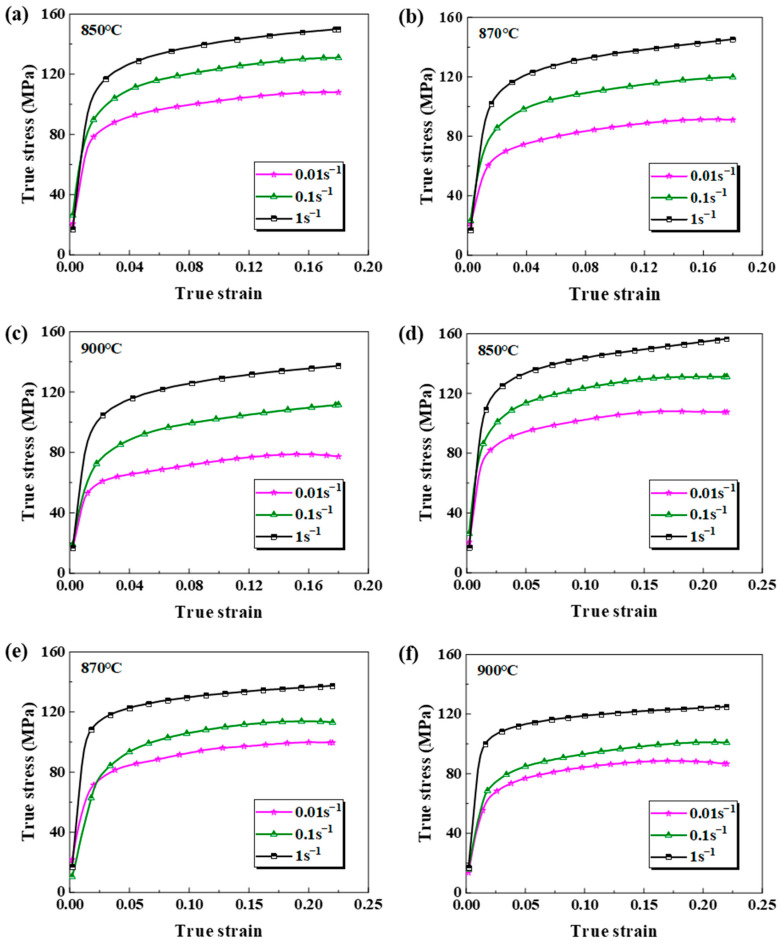 Figure 4
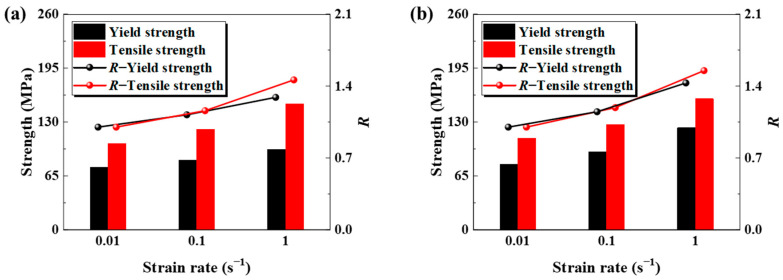 Figure 5
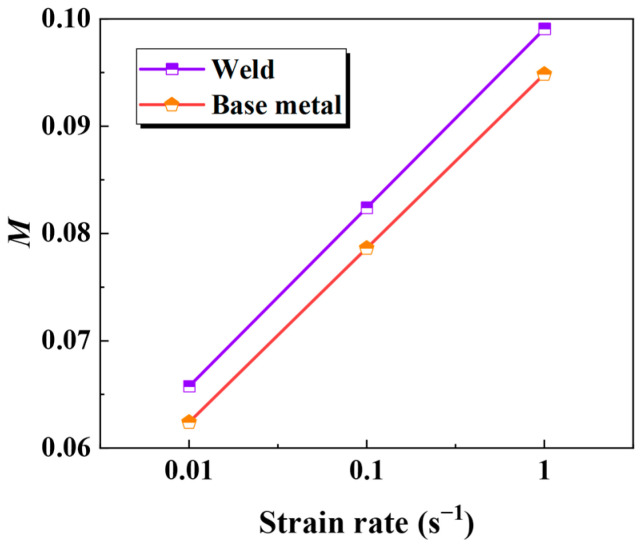 Figure 6
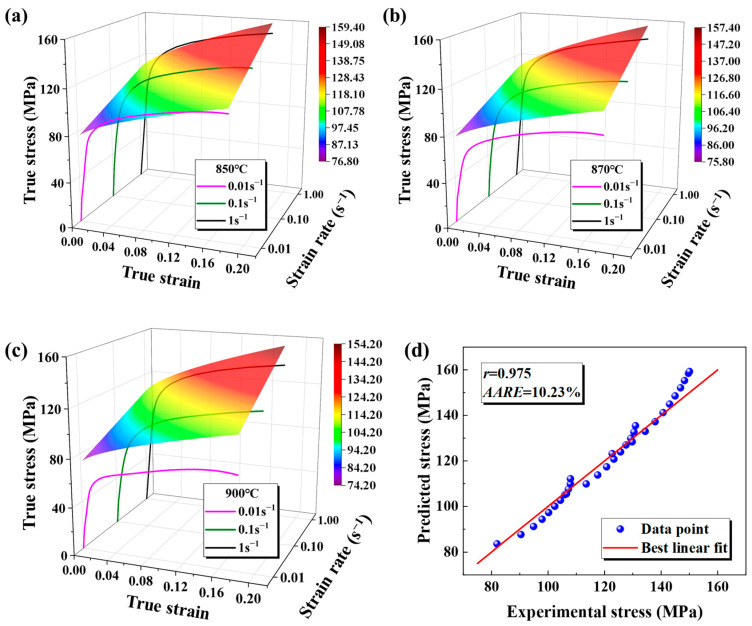 Figure 7
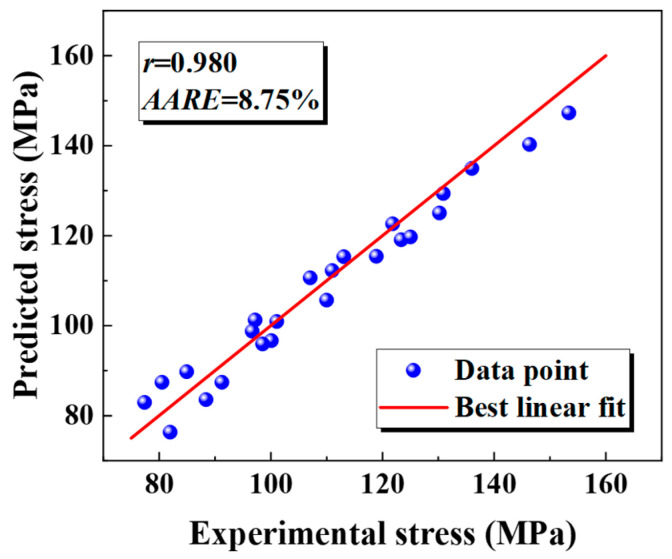 Figure 8
 Figure 9
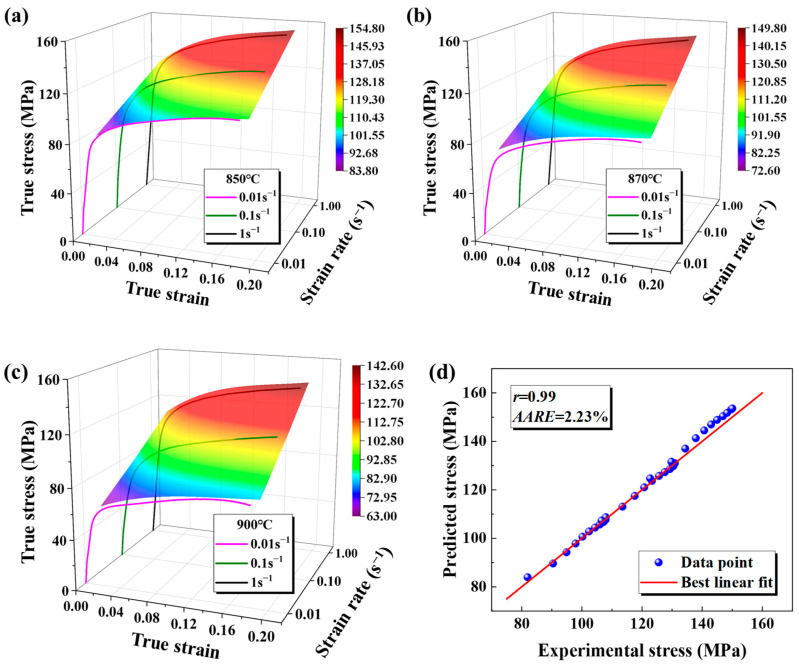 Figure 10
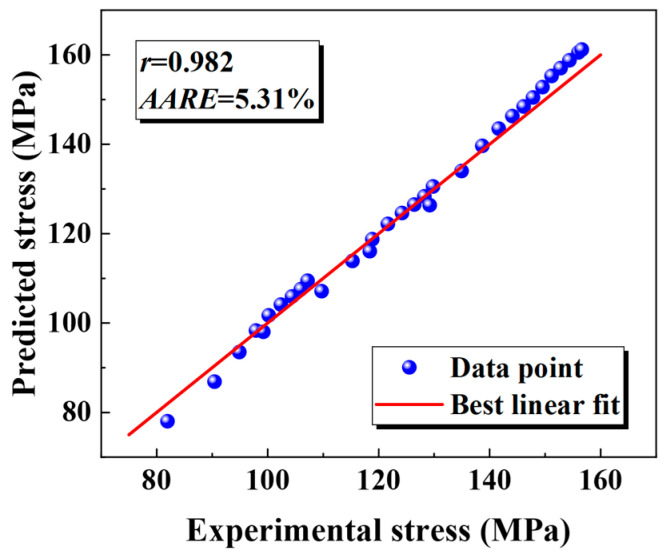 Figure 11
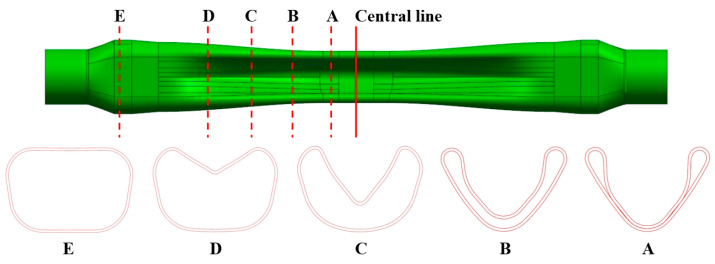 Figure 12
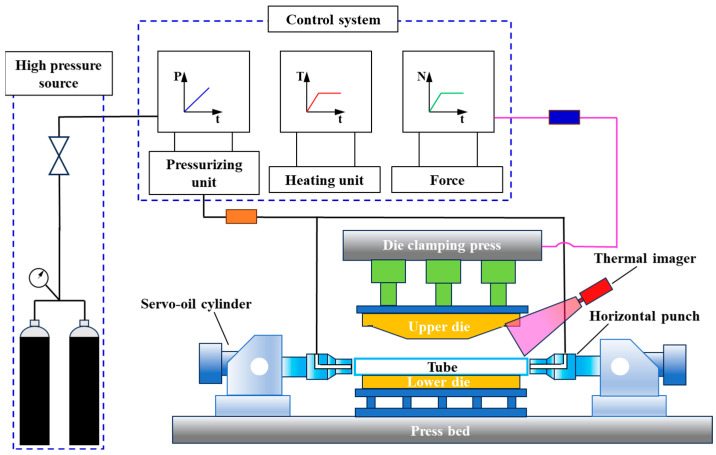 Figure 13
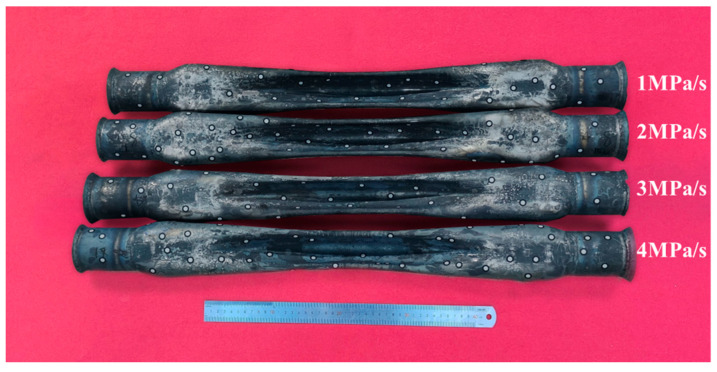 Figure 14
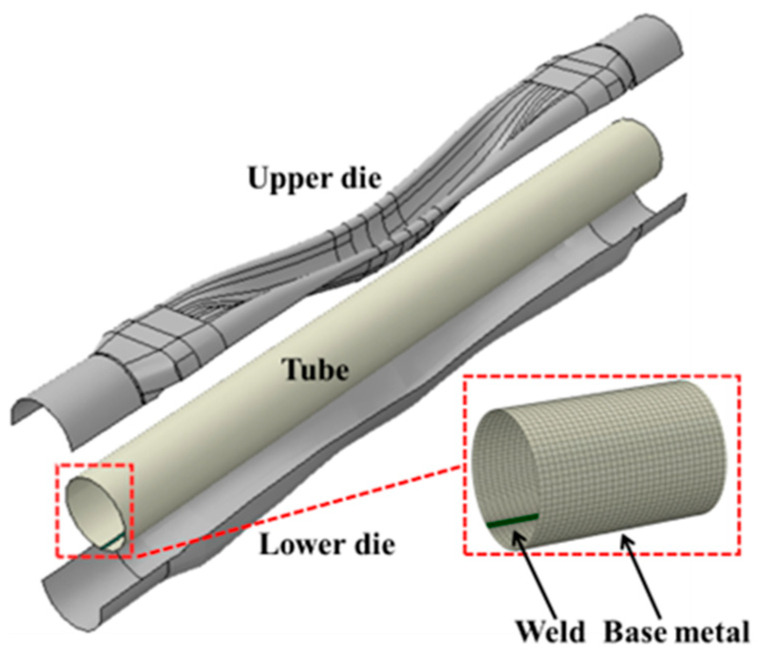 Figure 15
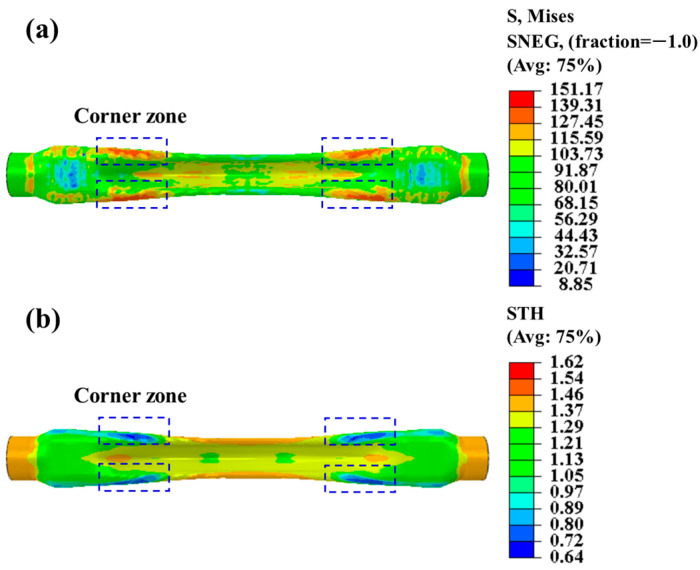 Figure 16
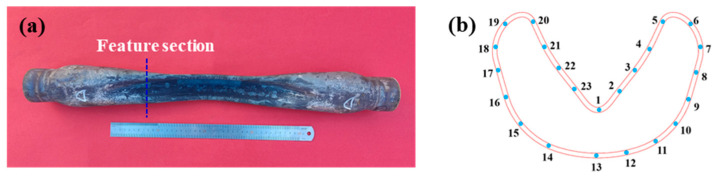 Figure 17
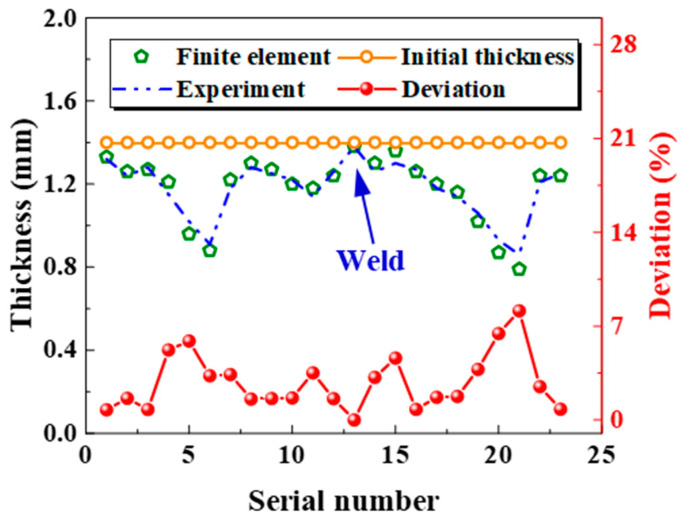 Figure 18
Peer Reviews
No public reviews on file for this paper yet. If you reviewed it on a platform where reviews are public (OpenReview, ICLR, NeurIPS, ICML), you can paste yours below so the community can read it here.
Videos
No videos yet. Explain this paper in a talk, walkthrough, or lecture? Add one.
Taxonomy
TopicsMetallurgy and Material Forming · Material Properties and Failure Mechanisms · Metal Alloys Wear and Properties