Epidemiological Overview and Traits into Disorders of the Orbital Walls in North-Eastern Romania
Ștefan Gherasimescu, Daniela Șulea, Petrica Florin Sava, Alexandra Carp, Lidia Cureniuc, Mihai Liviu Ciofu, Otilia Boișteanu, Marius Gabriel Dabija, Victor Vlad Costan

TL;DR
This study analyzed the frequency and characteristics of orbital wall disorders in northeastern Romania, finding that men are more likely to suffer from traumatic fractures.
Contribution
The study provides a detailed epidemiological analysis of orbital wall disorders in a specific Romanian region, highlighting sex and age-related patterns.
Findings
Fractures accounted for 96.7% of orbital wall disorders, with males being more affected than females.
Tumors were more common in older patients, while congenital conditions mainly affected those under 20 years old.
Fractures were more likely to be bilateral or on the right side, whereas tumors and congenital conditions were predominantly unilateral and left-sided.
Abstract
Background and Objectives: This study aimed to assess the frequency and distribution of facial bone injuries in terms of age, sex, residence, location, and etiology in the north-eastern region of Romania. Materials and Methods: This retrospective study was conducted within the Oral and Maxillofacial Clinics of “Sf. Spiridon” Hospital, Iași. The study group included 701 subjects (mean age 41.02 ± 18.45; sex: 603 males and 98 females) who were diagnosed with an orbital wall disorder. The epidemiological data on orbital wall fractures—including sociodemographic features, etiology, and location—were statistically analyzed. Results: The prevalence of orbital pathology was 1.47% congenital cases, 1.75% tumors, and 96.7% orbital fractures. The distribution of sex, age group, residence, and orbital localization varied significantly among the three diagnostic categories: tumors, congenital…
Genes, proteins, chemicals, diseases, species, mutations and cell lines named across the full text — each resolved to its canonical identifier and authoritative record.
Click any figure to enlarge with its caption.
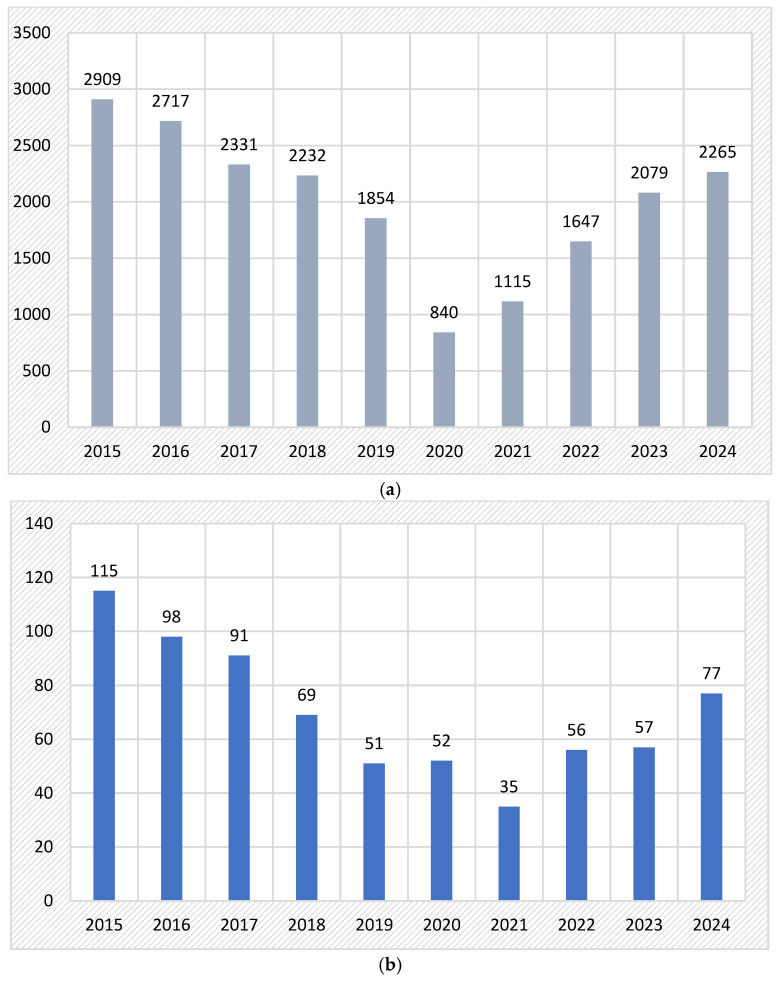 Figure 1
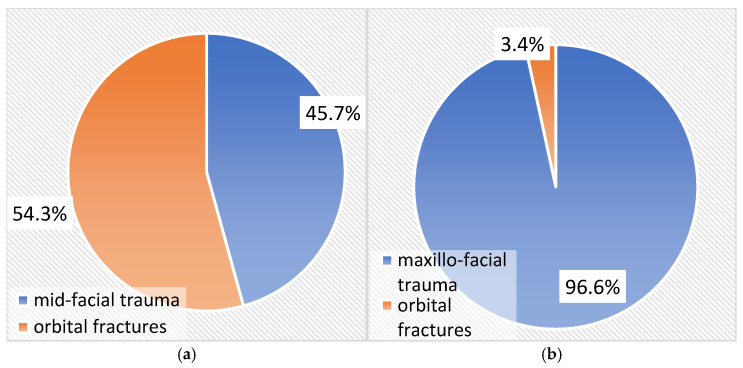 Figure 2
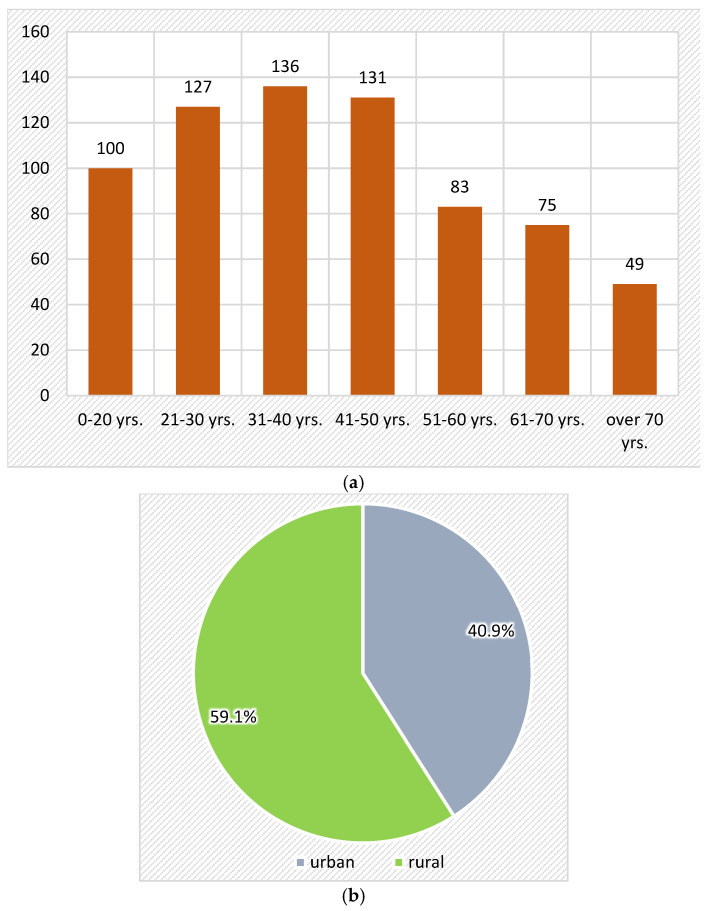 Figure 3
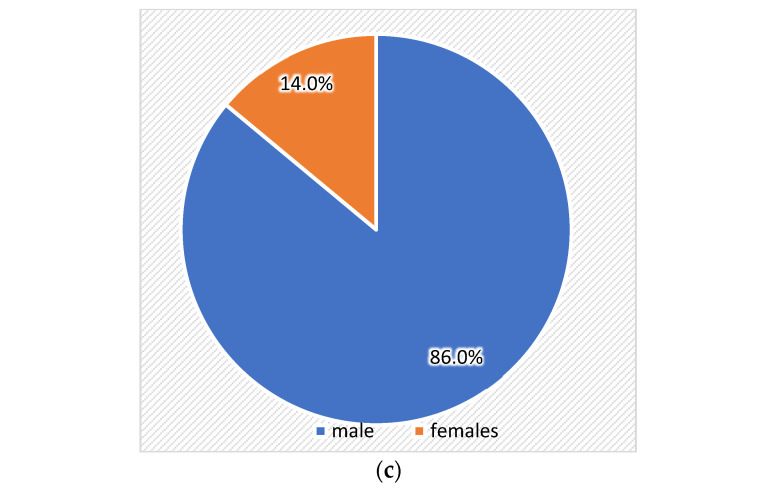 Figure 4
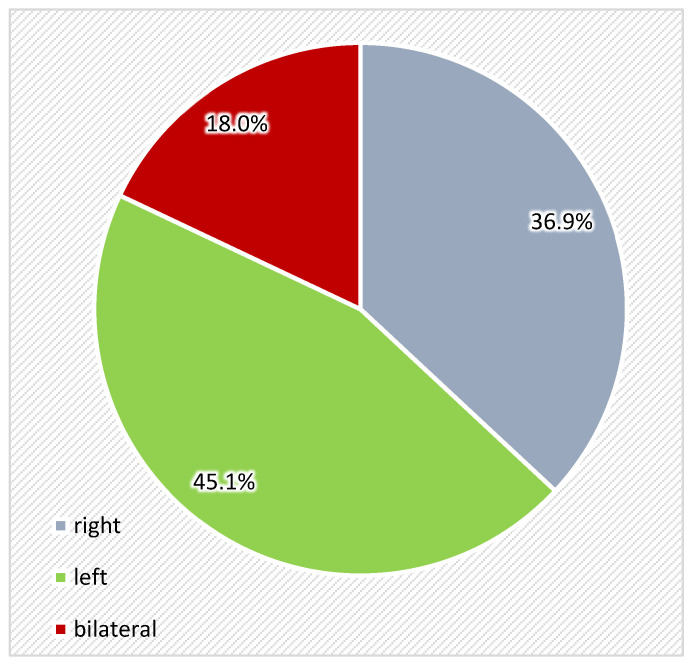 Figure 5
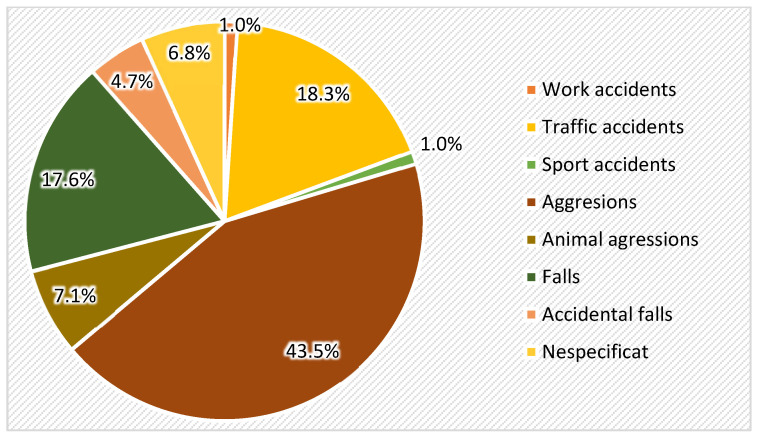 Figure 6
Peer Reviews
No public reviews on file for this paper yet. If you reviewed it on a platform where reviews are public (OpenReview, ICLR, NeurIPS, ICML), you can paste yours below so the community can read it here.
Videos
No videos yet. Explain this paper in a talk, walkthrough, or lecture? Add one.
Taxonomy
TopicsFacial Trauma and Fracture Management · Sinusitis and nasal conditions · Traumatic Ocular and Foreign Body Injuries