Biomechanical Comparison of the New-Generation Implant Designed for the Fixation of Patella Fractures with the Tension Band Method
Ahmet Ülker, Ahmet Burak Satılmış, Zafer Uzunay, Tolgahan Cengiz, Abdurrahim Temiz, Mustafa Yaşar, Tansel Mutlu, Uygar Daşar

TL;DR
This study compares a new implant for patella fracture fixation with the traditional tension band method and finds the new implant offers better stability and strength.
Contribution
The new-generation implant shows improved biomechanical performance and potential to reduce complications in patella fracture fixation.
Findings
The new implant withstood significantly higher forces before mechanical insufficiency (1130 ± 222 N vs. 680.5 ± 185.4 N).
Finite element analysis showed better fracture line stability with the new implant.
The new implant demonstrated superior resistance to distraction forces compared to the traditional method.
Abstract
Background and Objectives: This study compares the biomechanical performance of a new-generation implant designed for patella fracture fixation with the traditional tension band method. Its goal is to assess fracture fixation’s stability and the new implant’s potential advantages in reducing complications such as skin irritation, pain, and implant failure. Materials and Methods: In this experimental study, 20 calf patellae were divided into two groups. The first group was treated with the traditional tension band method, while the second group received the new-generation implant, designed using finite element analysis (FEA) for optimization. Both groups underwent biomechanical testing with axial forces at a 45° flexion angle to simulate real-life load conditions. The maximum forces at which mechanical insufficiency occurred were recorded. Data were analyzed using SPSS for statistical…
Genes, proteins, chemicals, diseases, species, mutations and cell lines named across the full text — each resolved to its canonical identifier and authoritative record.
Click any figure to enlarge with its caption.
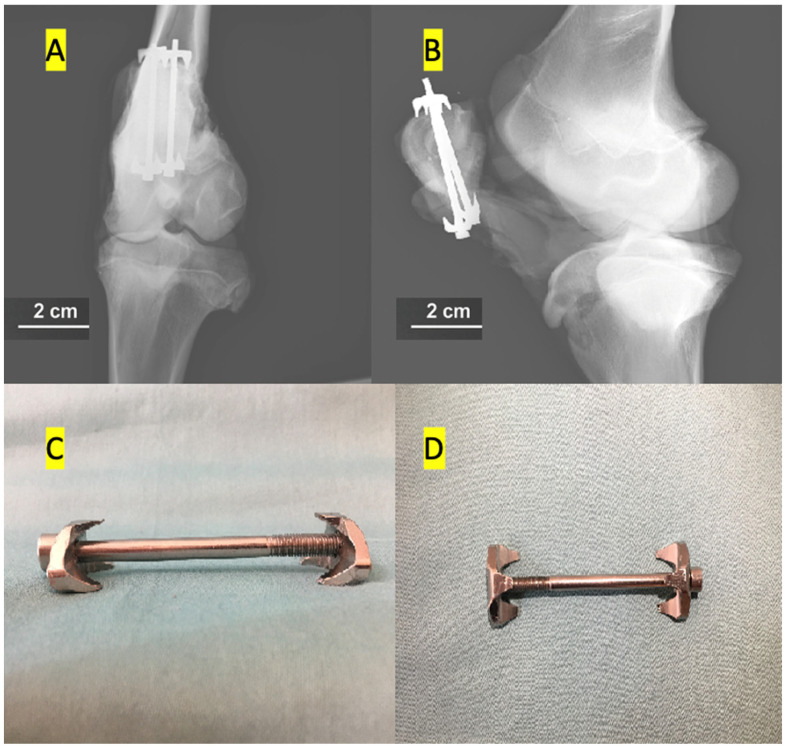 Figure 1
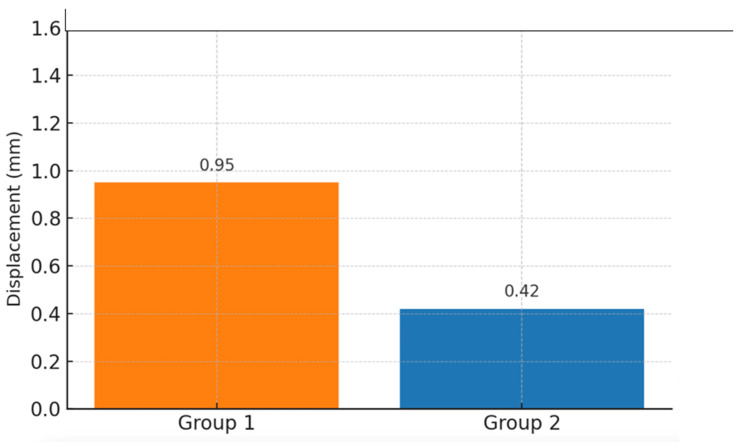 Figure 2
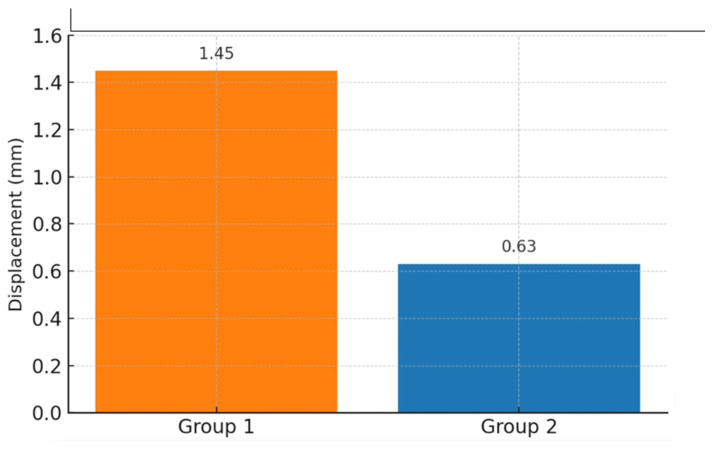 Figure 3
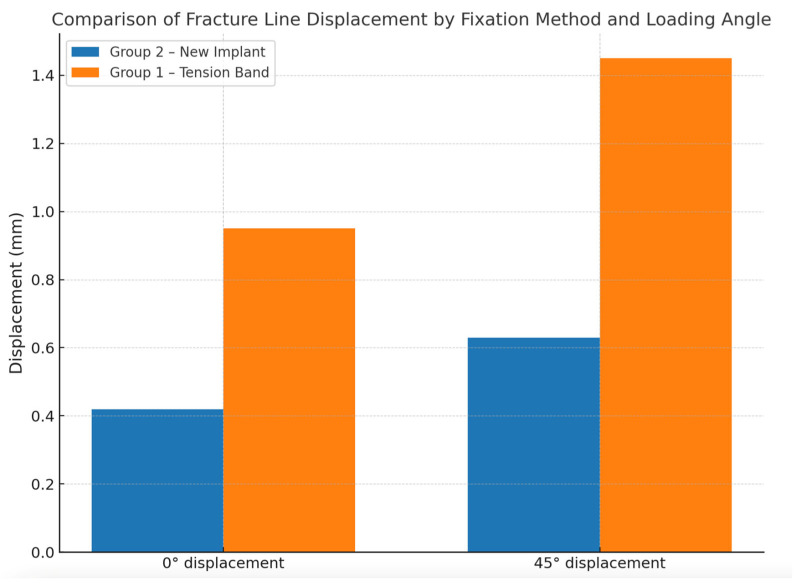 Figure 4
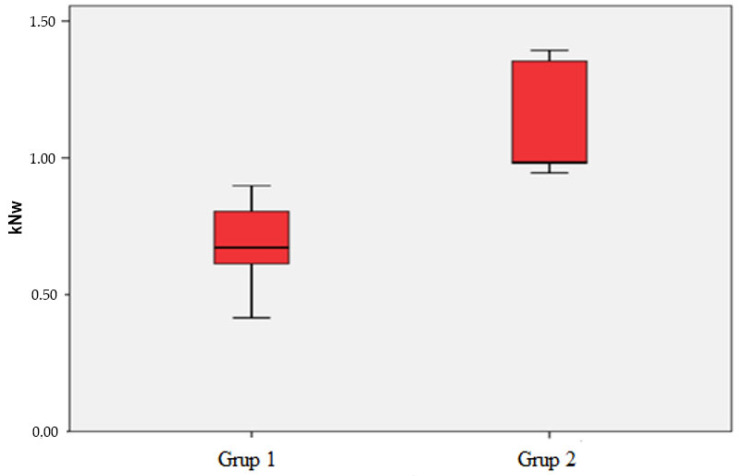 Figure 5
Peer Reviews
No public reviews on file for this paper yet. If you reviewed it on a platform where reviews are public (OpenReview, ICLR, NeurIPS, ICML), you can paste yours below so the community can read it here.
Videos
No videos yet. Explain this paper in a talk, walkthrough, or lecture? Add one.
Taxonomy
TopicsLower Extremity Biomechanics and Pathologies · Bone fractures and treatments · Sports injuries and prevention