In Vitro Screening of NaCl-Tolerant Dark Septate Endophytes and Their Growth-Promoting Effects on Anemone tomentosa
Xueyu Jin, Lingjie Xu, Mengyu Dong, Zhanwei Song, Xiaohan Zhang, Wenxiao Liu, Jinge Xu, Yanhui Li

TL;DR
This study identifies a salt-tolerant fungus that promotes plant growth in saline soils, offering potential for ecological restoration.
Contribution
The Pp strain of DSE is newly identified as highly NaCl-tolerant and effective in promoting plant growth in saline conditions.
Findings
Six DSE strains showed varying levels of NaCl tolerance in vitro, with Pp performing best at 1.0 M NaCl.
The Pp strain significantly enhanced seedling growth of Anemone tomentosa in pot experiments.
All tested DSE strains formed symbiotic relationships with A. tomentosa under saline conditions.
Abstract
NaCl is the main cause of natural soil salinization. Exploring dark septate endophytes (DSEs) with NaCl tolerance provides information for ecological remediation in saline soil areas. In this study, six DSE strains (Didymella macrostoma (Dm), Paraboeremia selaginellae (Ps), Paraphoma pye (Pp), Paraphoma aquatica (Pa), Acrocalymma ampeli (Aa), and Exophiala xenobiotica (Ex)) isolated from the root sections of Anemone tomentosa were subjected to in vitro NaCl stress experiments and inoculation tests. The results showed that six DSE strains can grow on solid media with different NaCl concentrations (0, 0.2, 0.4, 0.6, 0.8, and 1.0 M) and increase the antioxidant enzyme activities and soluble protein contents to adapt to a salt stress environment. Among these strains, the Pp strain exhibited the greatest biomass accumulation under high NaCl concentrations (1.0 M), indicating greater NaCl…
Genes, proteins, chemicals, diseases, species, mutations and cell lines named across the full text — each resolved to its canonical identifier and authoritative record.
Click any figure to enlarge with its caption.
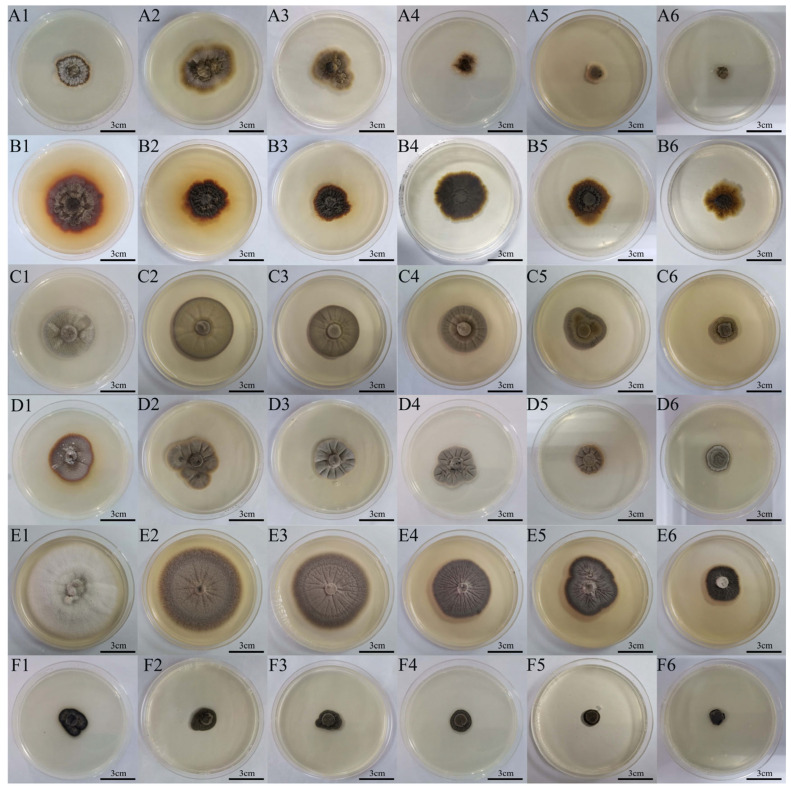 Figure 1
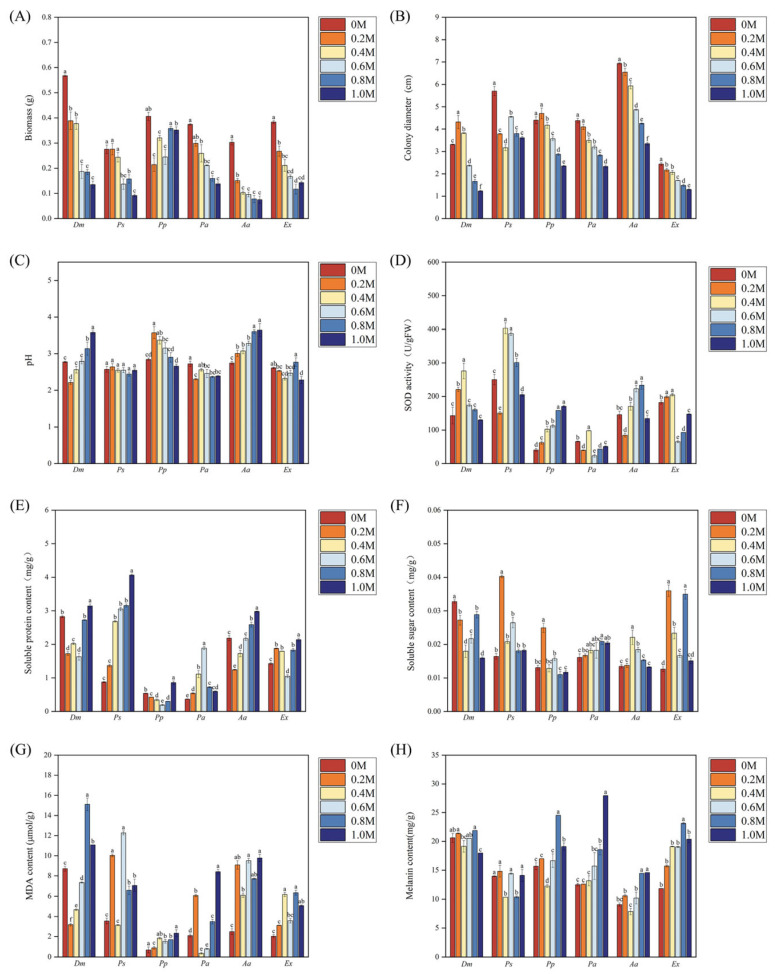 Figure 2
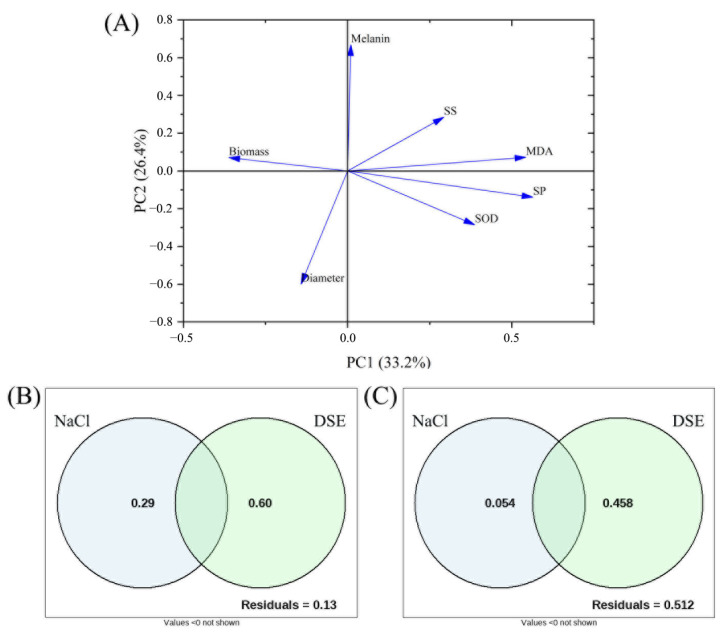 Figure 3
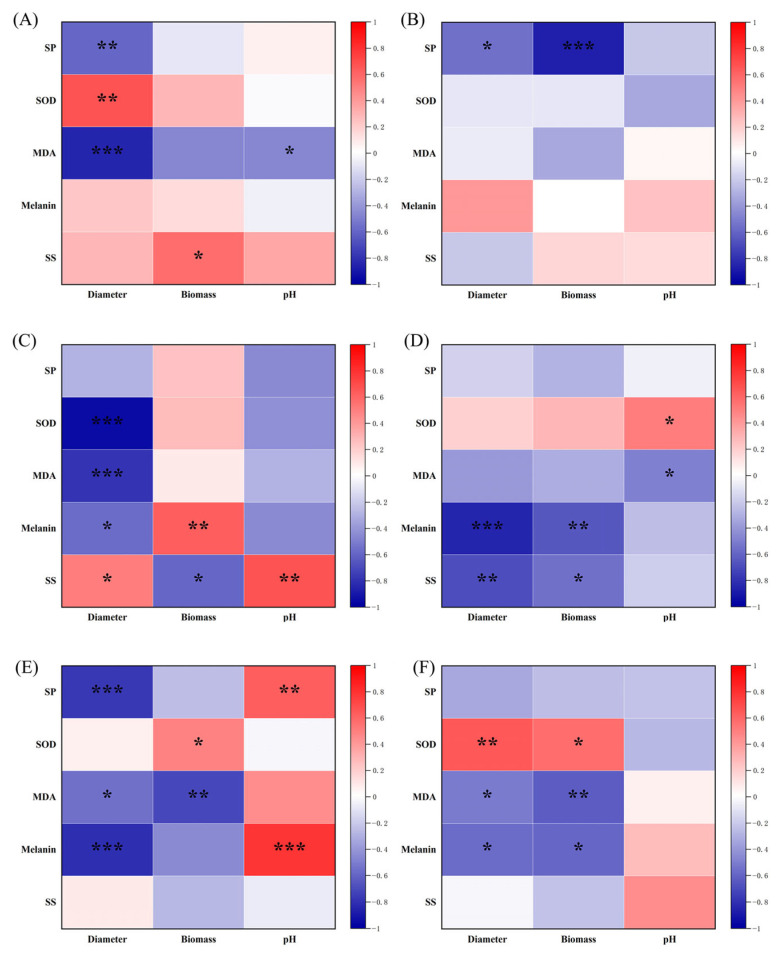 Figure 4
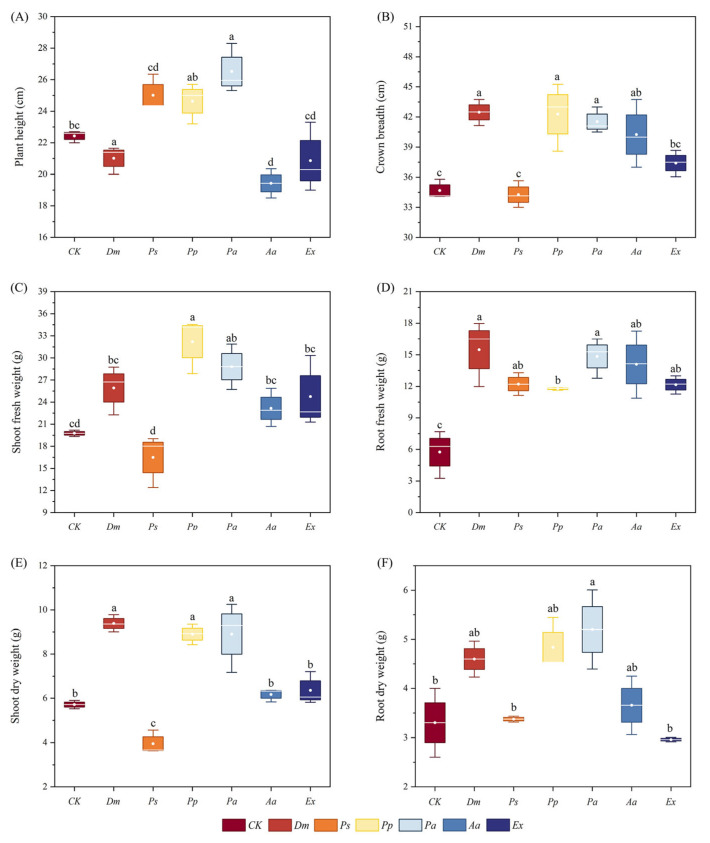 Figure 5
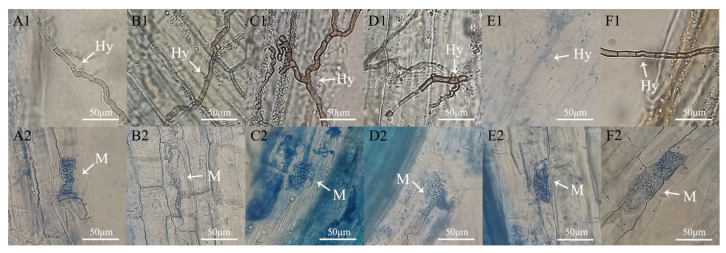 Figure 6
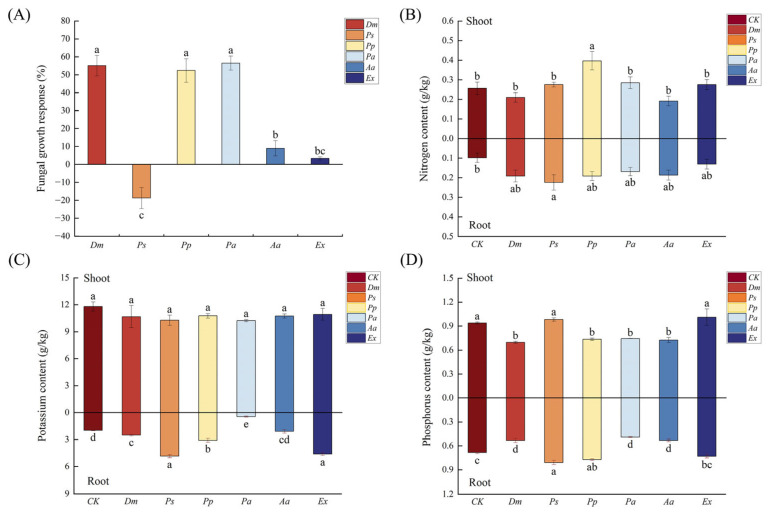 Figure 7
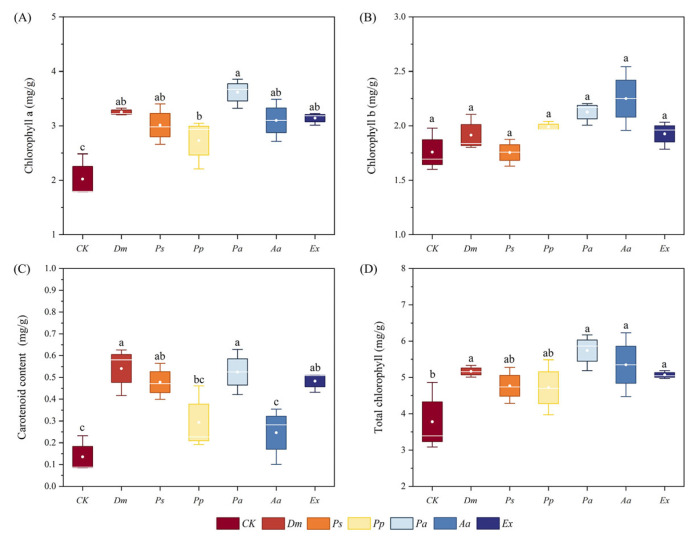 Figure 8
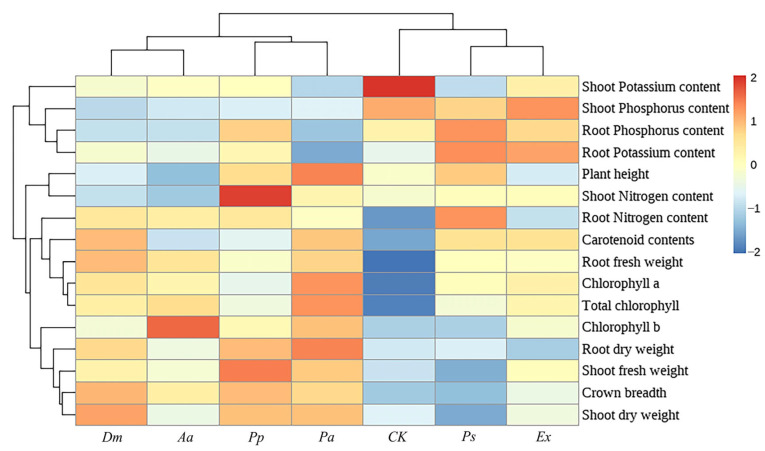 Figure 9
Peer Reviews
No public reviews on file for this paper yet. If you reviewed it on a platform where reviews are public (OpenReview, ICLR, NeurIPS, ICML), you can paste yours below so the community can read it here.
Videos
No videos yet. Explain this paper in a talk, walkthrough, or lecture? Add one.
Taxonomy
TopicsMicrobial Community Ecology and Physiology · Biocrusts and Microbial Ecology · Plant-Microbe Interactions and Immunity