Modeling and Analysis of Torsional Stiffness in Rehabilitation Robot Joints Using Fractal Theory
Shuaidong Zou, Wenjie Yan, Guanghui Xie, Renqiang Yang, Huachao Xu, Fanwei Sun

TL;DR
This paper uses fractal theory to model and analyze torsional stiffness in rehabilitation robot joints, improving design and performance.
Contribution
The novel contribution is applying fractal theory to model surface roughness effects on torsional stiffness in traction drive joints.
Findings
Contact stiffness increases with normal load, contact length, and radius, but decreases with tangential load and roughness parameter.
Stiffness has a non-monotonic relationship with fractal dimension, peaking at intermediate values.
Overall system stiffness shows similar parameter dependencies with slight decreases under increasing output load with sufficient preload.
Abstract
The torsional stiffness of rehabilitation robot joints is a critical performance determinant, significantly affecting motion accuracy, stability, and user comfort. This paper introduces an innovative traction drive mechanism that transmits torque through friction forces, overcoming mechanical impact issues of traditional gear transmissions, though accurately modeling surface roughness effects remains challenging. Based on fractal theory, this study presents a comprehensive torsional stiffness analysis for advanced traction drive joints. Surface topography is characterized using the Weierstrass–Mandelbrot function, and a contact mechanics model accounting for elastic–plastic deformation of micro-asperities is developed to derive the tangential stiffness of individual contact pairs. Static force analysis determines load distribution, and overall joint torsional stiffness is calculated…
Genes, proteins, chemicals, diseases, species, mutations and cell lines named across the full text — each resolved to its canonical identifier and authoritative record.
Click any figure to enlarge with its caption.
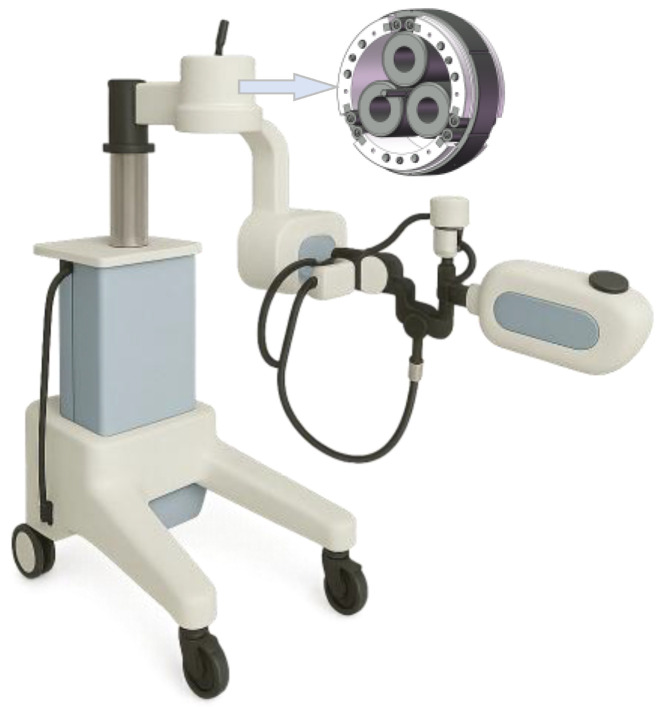 Figure 1
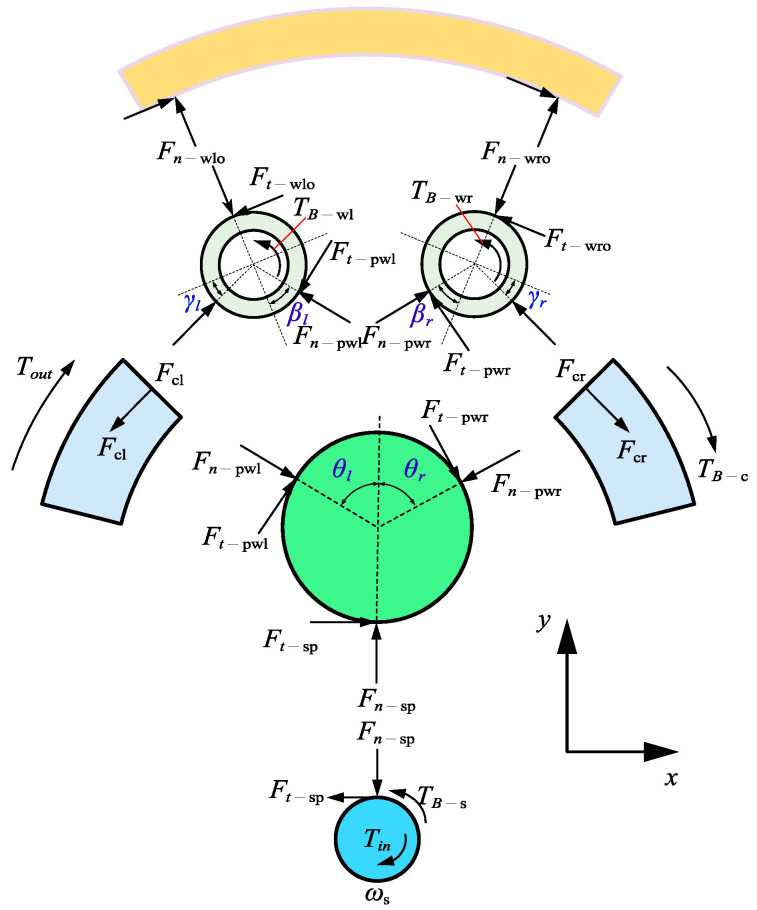 Figure 2
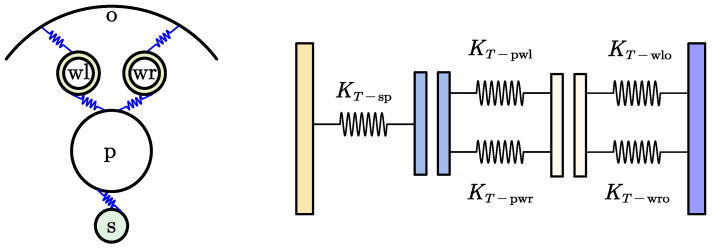 Figure 3
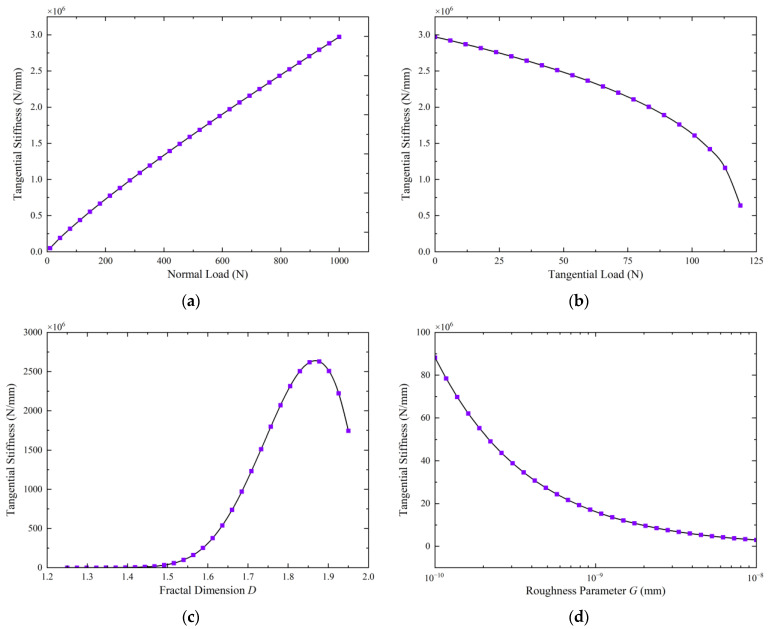 Figure 4
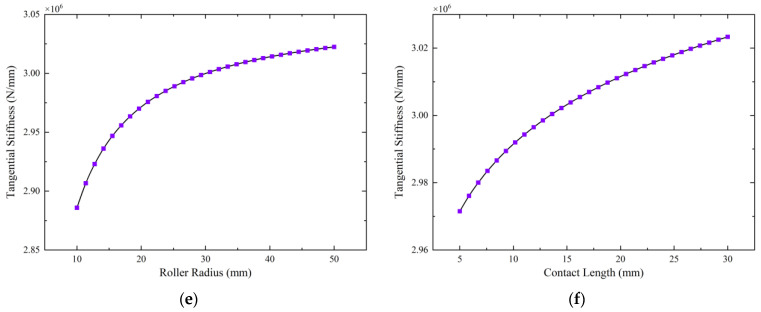 Figure 5
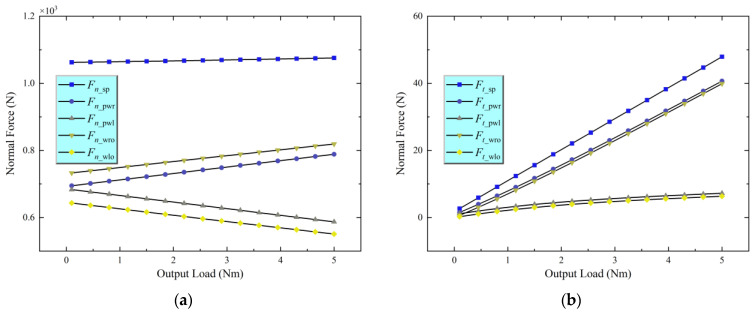 Figure 6
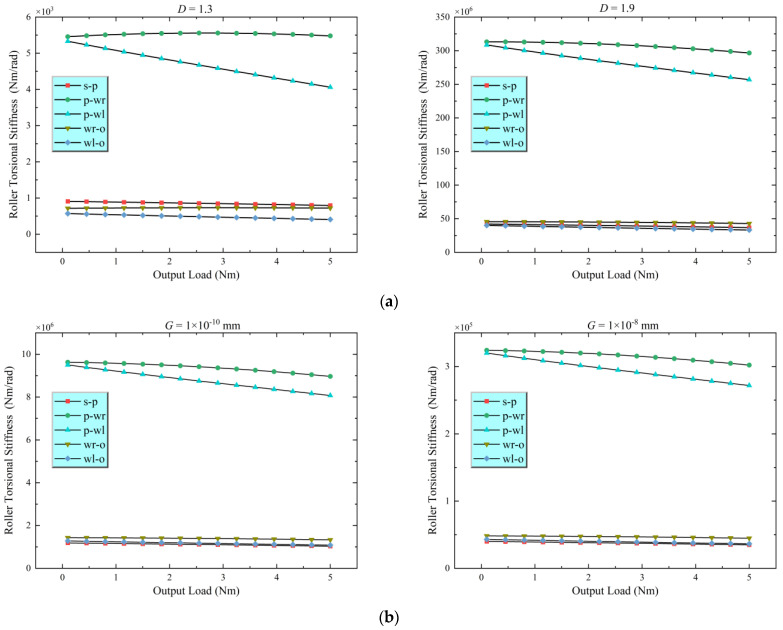 Figure 7
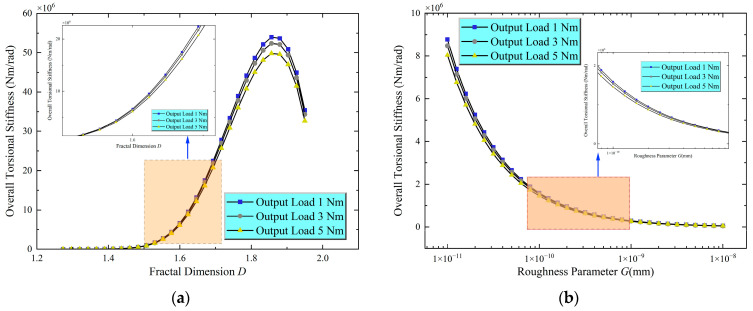 Figure 8
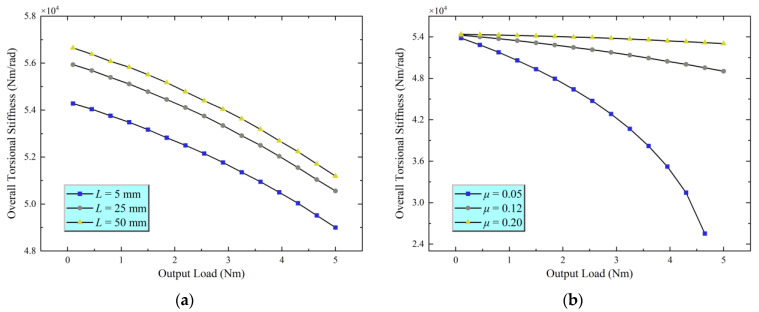 Figure 9
Peer Reviews
No public reviews on file for this paper yet. If you reviewed it on a platform where reviews are public (OpenReview, ICLR, NeurIPS, ICML), you can paste yours below so the community can read it here.
Videos
No videos yet. Explain this paper in a talk, walkthrough, or lecture? Add one.
Taxonomy
TopicsAdhesion, Friction, and Surface Interactions · Gear and Bearing Dynamics Analysis · Force Microscopy Techniques and Applications