Improvement on Ferrous Ion Accumulation and Mitochondrial Dysfunction in the COVID-19 Pseudovirus-Infected Cell Model Simulating the Long COVID Status by Nutritional Strategy
Bo-Kai Chen, Chi-Ho Chan, Chin-Kun Wang

TL;DR
This study explores how nutritional supplements can reduce mitochondrial dysfunction caused by SARS-CoV-2 pseudovirus in a cell model resembling long COVID.
Contribution
The novel contribution is identifying lactoferrin, Q10, and Echinacea purpurea extract as effective in mitigating ferrous ion accumulation and mitochondrial damage in a long COVID cell model.
Findings
Lactoferrin, Q10, and Echinacea purpurea extract reduced ferrous ion accumulation and ROS in mitochondria.
Echinacea purpurea extract showed high levels of caffeic acid and improved mitochondrial dysfunction.
Pseudovirus infection caused ferrous ion and ROS accumulation, leading to mitochondrial dysfunction.
Abstract
The pandemic caused by the severe acute respiratory syndrome coronavirus 2 (SARS-CoV-2) has plunged the world into a major crisis of overwhelming morbidity and mortality and emerged various mutant strains. Patients recovering from SARS-CoV-2 develop post-acute COVID syndrome, commonly known as long COVID (LC), lasting up to 12 weeks or even longer. The mechanism has yet to be clarified. COVID-19 pseudovirus is a suitable model to understand the infection of the COVID-19 virus to cells, which is suitable to see the acute change in cells owing to its one-time infection and inactivation. The ACE2-293T cell infected by COVID-19 pseudovirus was used in this study. After the infection and removal of the pseudovirus, high amounts of ferrous ions were accumulated in mitochondria and then released into the cytosol. Reactive oxygen species (ROS) accumulation was formed and caused mitochondrial…
Genes, proteins, chemicals, diseases, species, mutations and cell lines named across the full text — each resolved to its canonical identifier and authoritative record.
Click any figure to enlarge with its caption.
 Figure 1
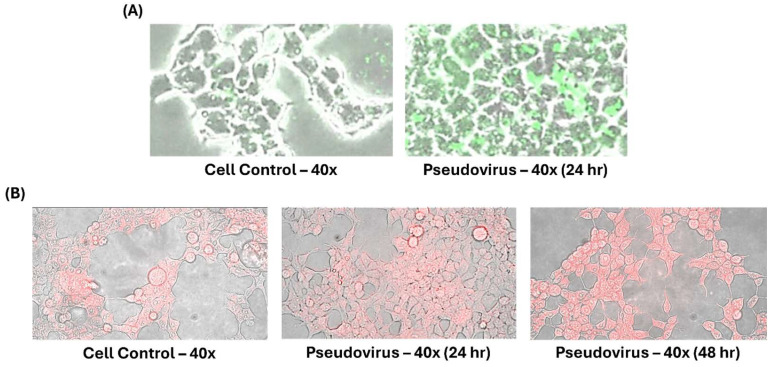 Figure 2
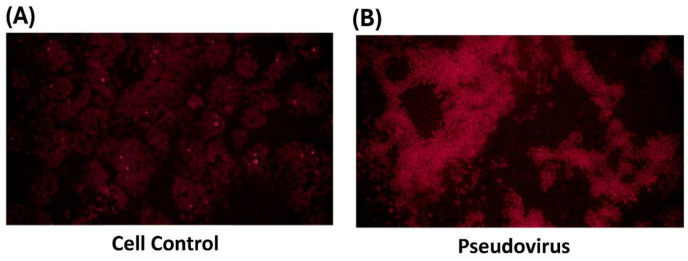 Figure 3
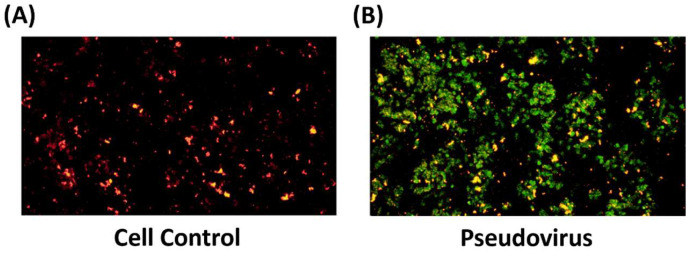 Figure 4
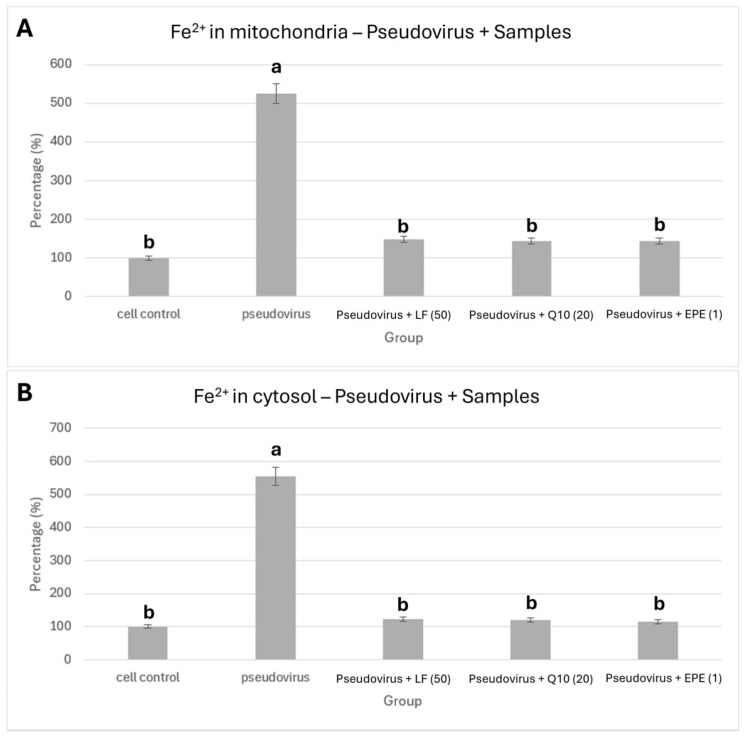 Figure 5
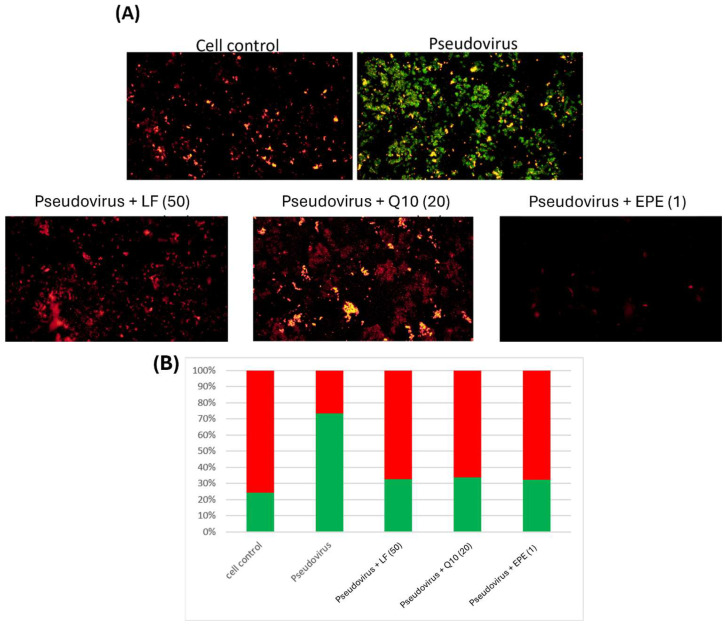 Figure 6
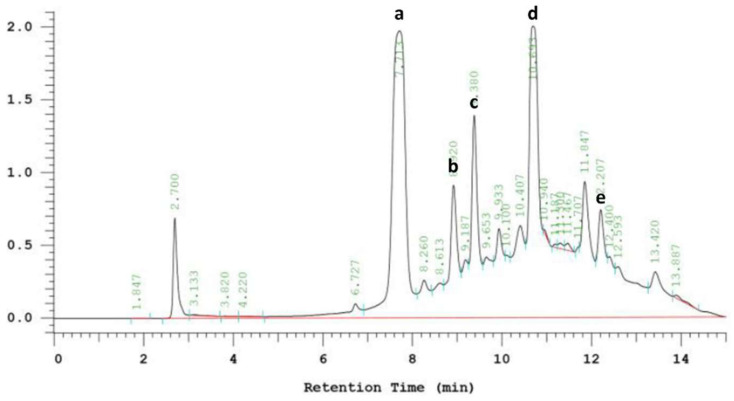 Figure 7
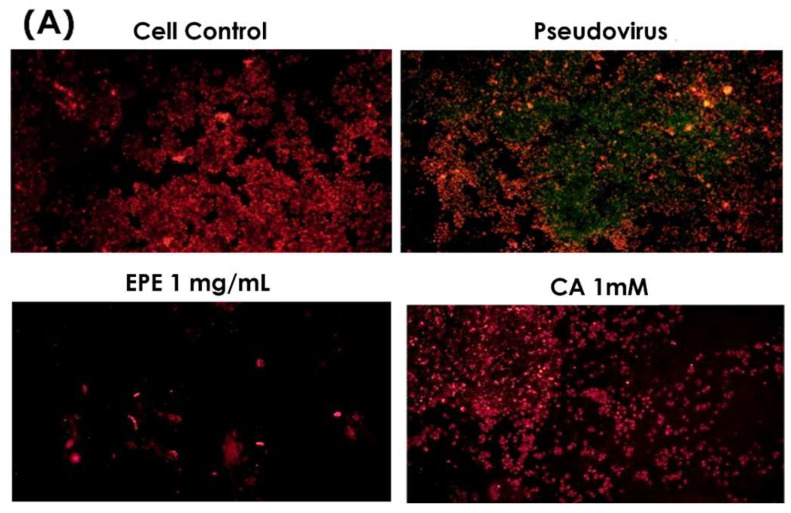 Figure 8
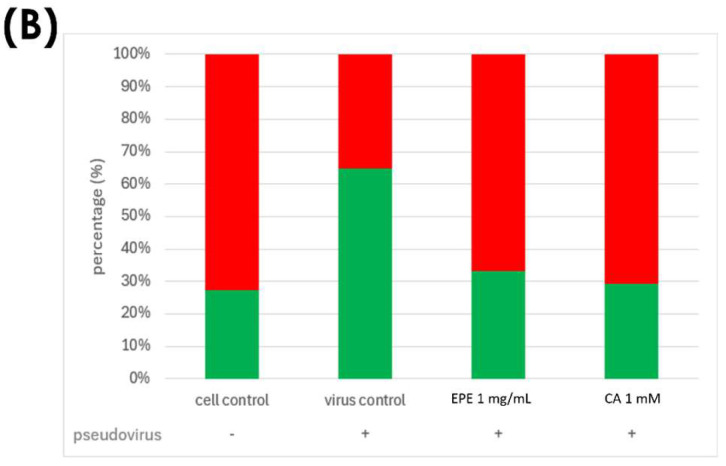 Figure 9
Peer Reviews
No public reviews on file for this paper yet. If you reviewed it on a platform where reviews are public (OpenReview, ICLR, NeurIPS, ICML), you can paste yours below so the community can read it here.
Videos
No videos yet. Explain this paper in a talk, walkthrough, or lecture? Add one.
Taxonomy
TopicsLong-Term Effects of COVID-19 · Respiratory viral infections research · Cytomegalovirus and herpesvirus research