A Possible Involvement of Sialidase in the Cell Response of the Antarctic Fungus Penicillium griseofulvum P29 to Oxidative Stress
Radoslav Abrashev, Ekaterina Krumova, Penka Petrova, Rumyana Eneva, Yana Gocheva, Stefan Engibarov, Jeny Miteva-Staleva, Vladislava Dishliyska, Galina Stoyancheva, Boryana Spasova, Vera Kolyovska, Maria Angelova

TL;DR
This study explores how sialidase activity in an Antarctic fungus responds to oxidative stress caused by cold temperatures.
Contribution
It is the first study to show increased sialidase activity in cold-adapted fungi under oxidative stress.
Findings
Long-term cold exposure affects biomass, glucose consumption, and enzyme activity in the fungus.
Short-term cold stress increases sialidase and antioxidant enzyme activity.
Oxidative stress markers indicate the fungus's response to temperature changes.
Abstract
Sialidases/neuraminidases remove terminal sialic acid residues from glycoproteins, glycolipids, and oligosaccharides. Our previous research has revealed the distribution of sialidase in non-clinical fungal isolates from different ecological niches, including Antarctica. Fungi adapted to extremely low temperatures possess defense mechanisms necessary for their survival such as the response against oxidative stress. The relationship between oxidative stress and sialidase synthesis has been studied extremely sparsely. The aim of the present study was to investigate the involvement of sialidase in the cell response of the Antarctic strain P. griseofulvum P29 against oxidative stress induced by long- and short-term exposure to low temperatures. The changes in growth temperatures for 120 h (long-term stress) affected biomass accumulation, glucose consumption, sialidase synthesis, and the…
Genes, proteins, chemicals, diseases, species, mutations and cell lines named across the full text — each resolved to its canonical identifier and authoritative record.
Click any figure to enlarge with its caption.
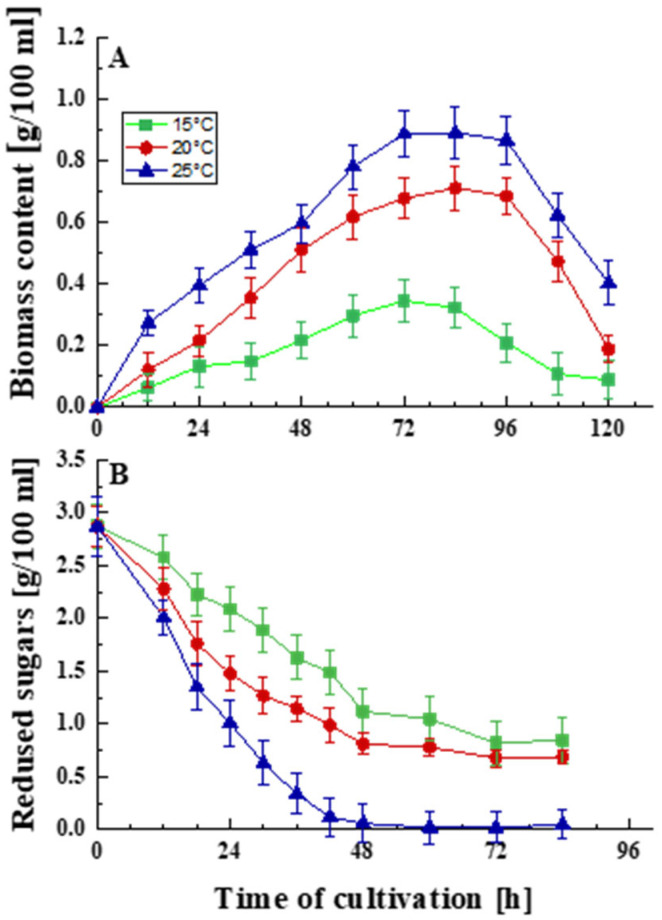 Figure 1
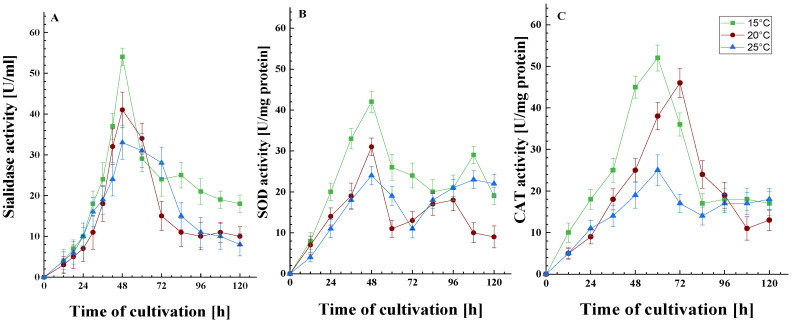 Figure 2
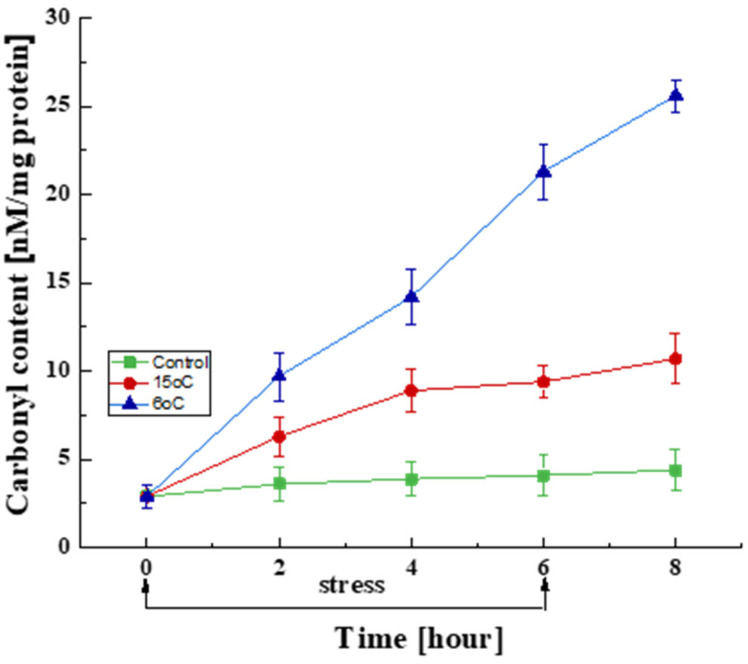 Figure 3
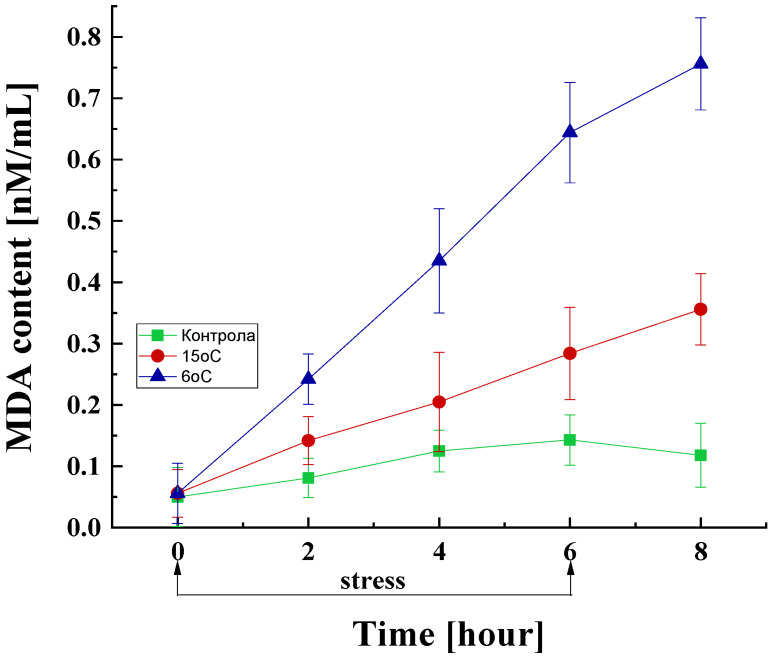 Figure 4
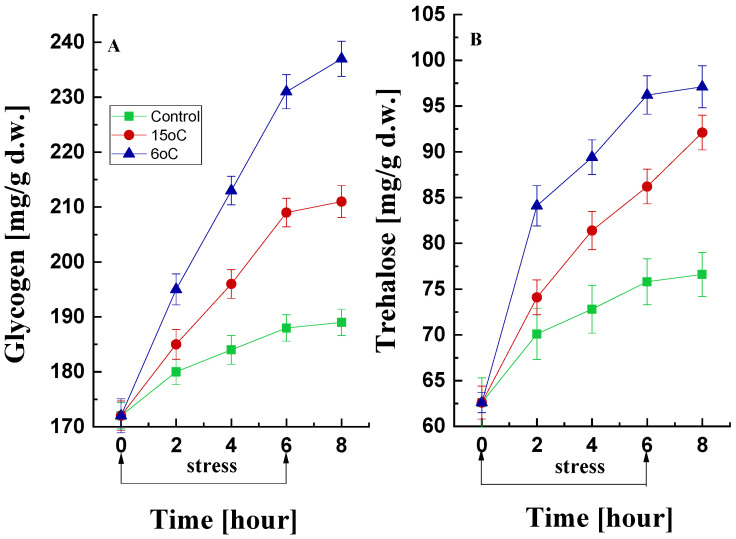 Figure 5
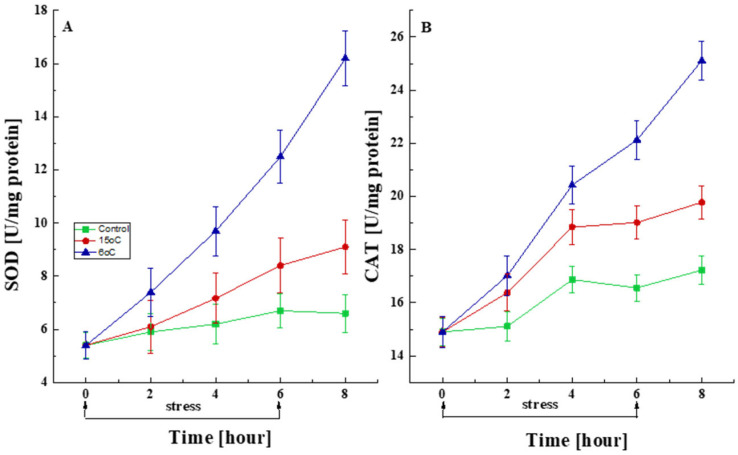 Figure 6
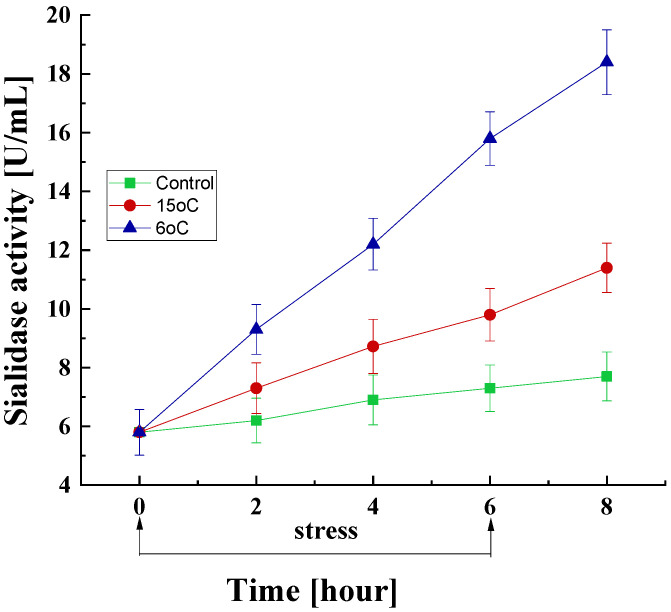 Figure 7
Peer Reviews
No public reviews on file for this paper yet. If you reviewed it on a platform where reviews are public (OpenReview, ICLR, NeurIPS, ICML), you can paste yours below so the community can read it here.
Videos
No videos yet. Explain this paper in a talk, walkthrough, or lecture? Add one.
Taxonomy
TopicsPolar Research and Ecology · Microbial Community Ecology and Physiology · Protist diversity and phylogeny