Palliative Luminal Treatment of Colorectal Cancer Using Endoscopic Calcium-Electroporation: First Case Series from United Kingdom
Ademola Adeyeye, Olaolu Olabintan, Homira Ayubi, Hao Gao, Aman Saini, Andrew Emmanuel, Bu’Hussain Hayee, Amyn Haji

TL;DR
This paper reports on a new, less invasive treatment for colorectal cancer in frail patients using endoscopic calcium-electroporation, showing it is safe and effective for symptom relief.
Contribution
The first UK case series demonstrating the safety and efficacy of endoscopic calcium-electroporation for palliative treatment of inoperable colorectal cancer.
Findings
Endoscopic calcium-electroporation provided symptomatic relief and improved quality of life in 86.7% of frail CRC patients.
No device-related adverse events were recorded, and transfusion/iron infusion needs were reduced by 91.7%.
Median cancer-specific survival was 10 months with a 94% survival rate during the study period.
Abstract
Background/Objectives: Colorectal cancer (CRC) is the most common gastrointestinal (GI) malignancy, the second leading cause of cancer-related mortality, and the third most prevalent tumor. Around 20% of cases are metastatic or inoperable at diagnosis, often requiring palliative treatment, which may not be feasible in frail patients. Calcium-electroporation, a less invasive alternative, induces cell death via apoptosis, necrosis, and pyroptosis. This study is the first in the United Kingdom to evaluate the efficacy and safety of endoscopic calcium-electroporation in palliating distal CRC. Methods: Frail patients with inoperable left-sided CRC were included. The diagnosis and staging followed standard guidelines, while frailty was assessed using the performance status (PFS), Charlson comorbidity index (CCI), and American Society of Anesthesiologists (ASA) score. Calcium electroporation…
Genes, proteins, chemicals, diseases, species, mutations and cell lines named across the full text — each resolved to its canonical identifier and authoritative record.
Click any figure to enlarge with its caption.
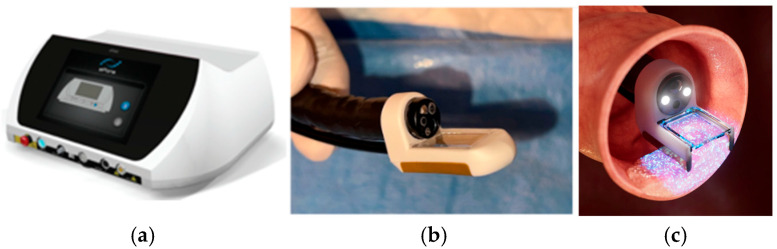 Figure 1
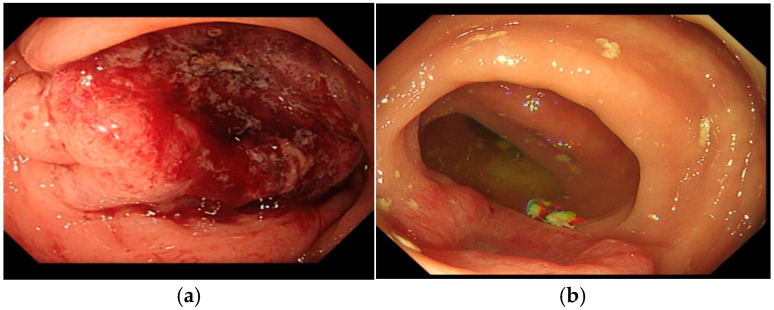 Figure 2
Peer Reviews
No public reviews on file for this paper yet. If you reviewed it on a platform where reviews are public (OpenReview, ICLR, NeurIPS, ICML), you can paste yours below so the community can read it here.
Videos
No videos yet. Explain this paper in a talk, walkthrough, or lecture? Add one.
Taxonomy
TopicsMicrobial Inactivation Methods · Plasma Applications and Diagnostics