Research on Flight Training Optimization with Instrument Failure Based on Eye Movement Data
Jiwen Tai, Yu Qian, Zhili Song, Xiuyi Li, Ziang Qu, Chengzhi Yang

TL;DR
Eye movement training improves flight trainee performance during instrument failures by reducing focus on failed instruments.
Contribution
A novel eye movement training method is introduced to optimize flight training during instrument failures.
Findings
Trainees with eye movement training showed better performance in descent rate and heading control.
Fixation frequency on failed instruments decreased significantly during turns in the experimental group.
Average glance duration on failed instruments was reduced during climbs and turns.
Abstract
To improve the quality of flight training in instrument failure scenarios, eye movement data were collected from flight instructors during climbing, descending, and turning flights when the primary attitude direction indicator failed. The performance data of the excellent instructors was selected to produce eye movement tutorials. These tutorials were used to conduct eye movement training for the experimental group of flight trainees. In contrast, the control group received traditional training. The performance and eye movement data of the two groups of flight trainees were then compared and analyzed. The results showed that flight trainees who received eye movement training performed better when facing instrument failure. Specifically, the deviations in the rate of descent, heading during the descent, airspeed during the turn, and slope during the turn were significantly different from…
Genes, proteins, chemicals, diseases, species, mutations and cell lines named across the full text — each resolved to its canonical identifier and authoritative record.
Click any figure to enlarge with its caption.
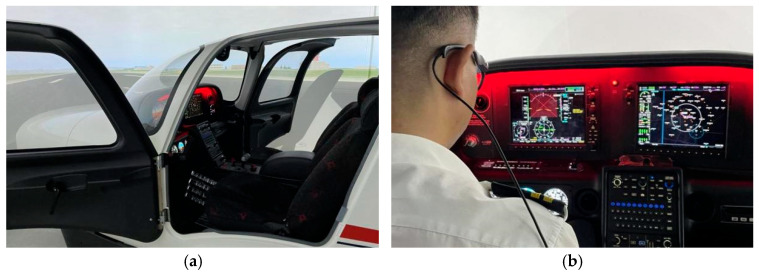 Figure 1
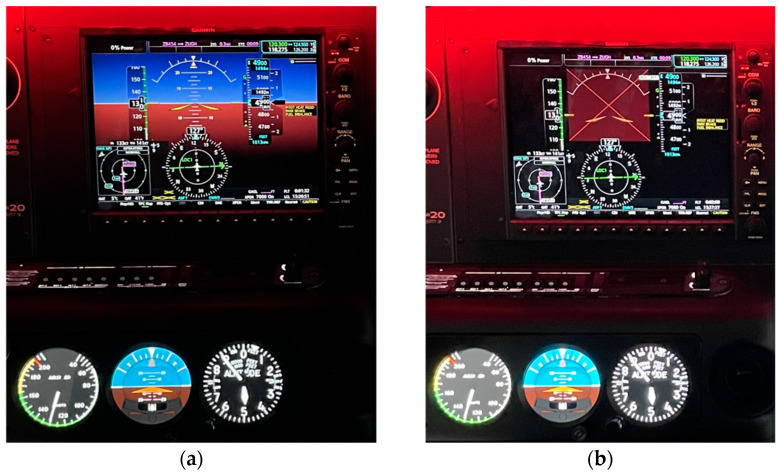 Figure 2
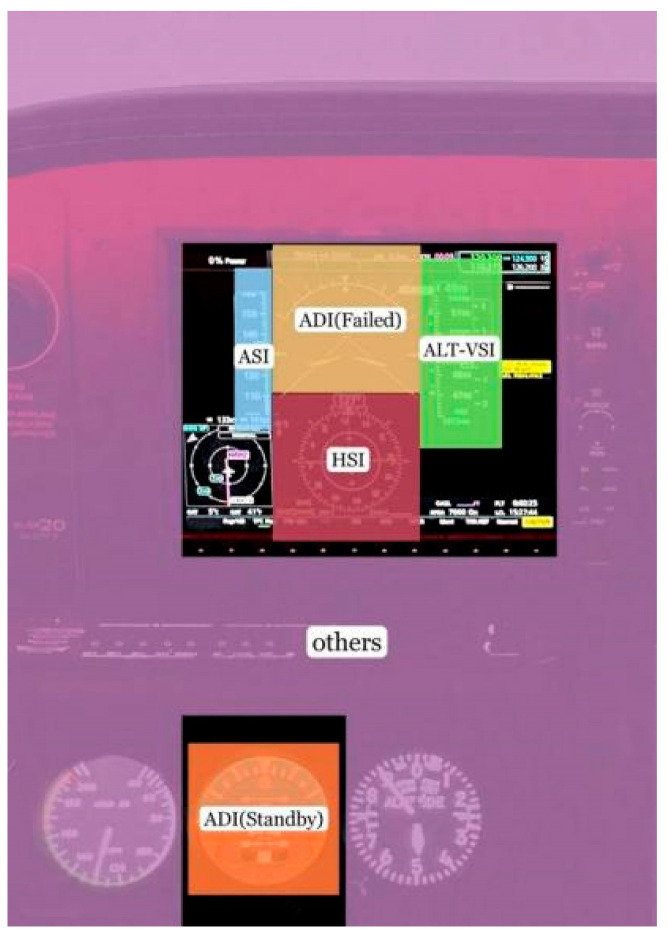 Figure 3
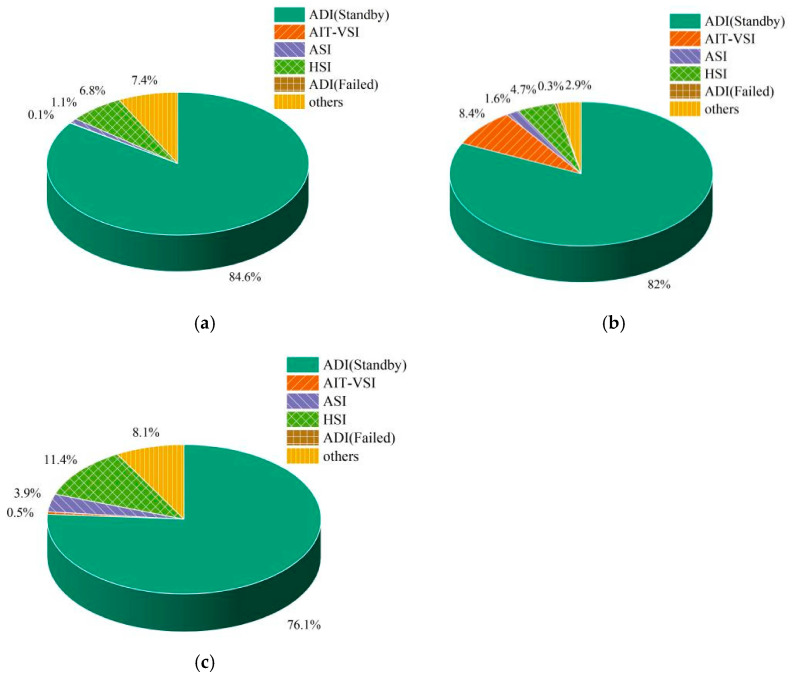 Figure 4
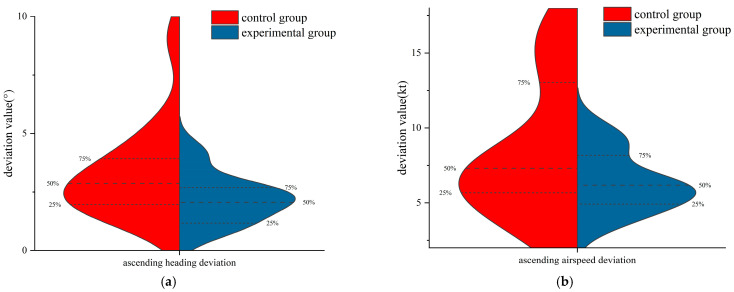 Figure 5
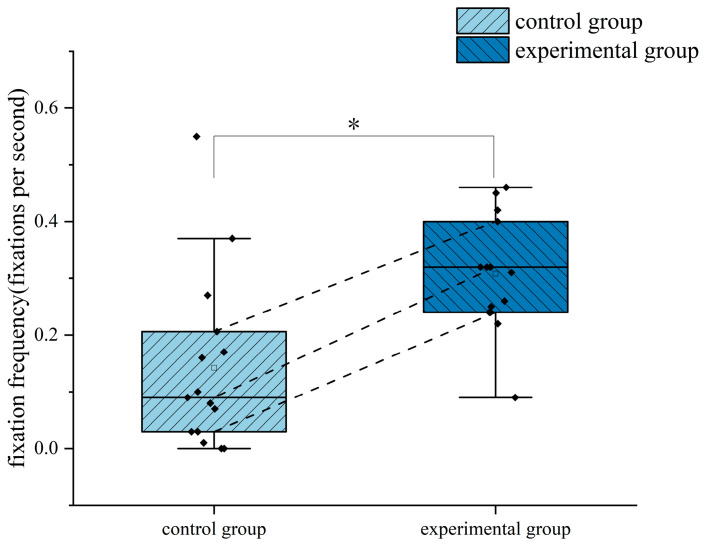 Figure 6
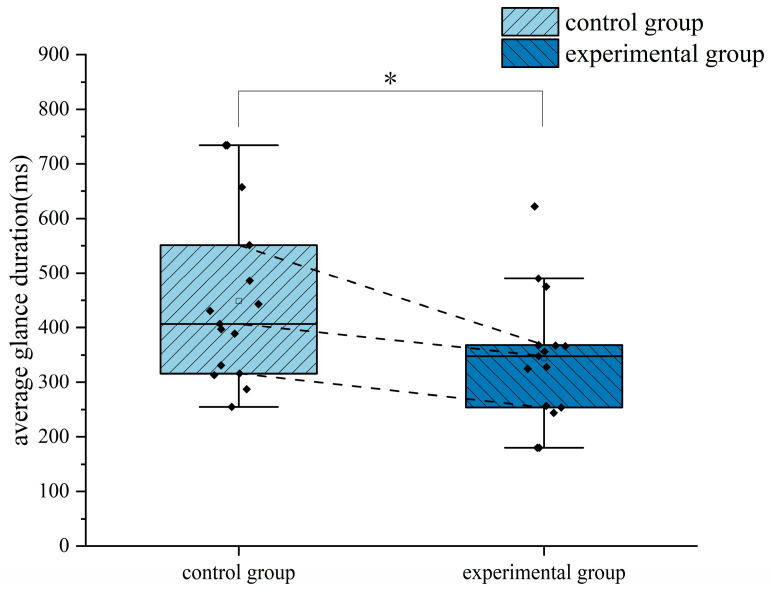 Figure 7
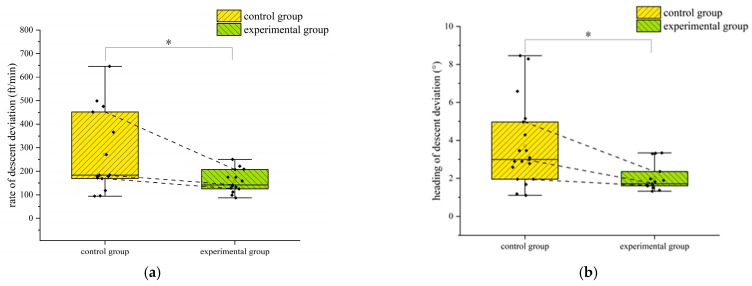 Figure 8
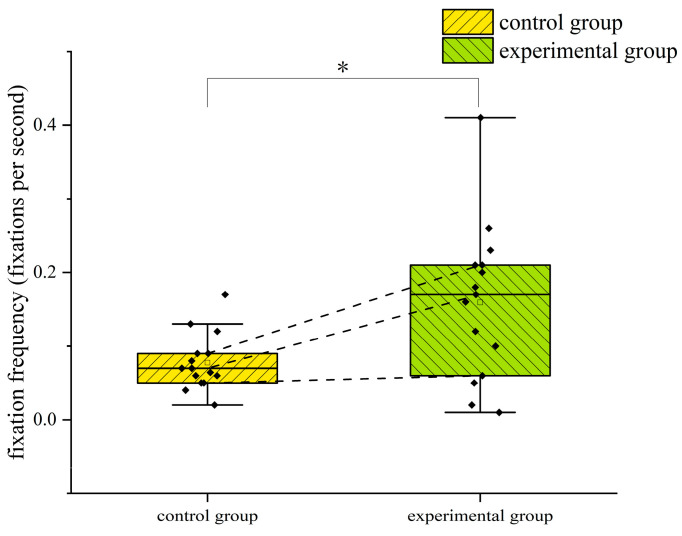 Figure 9
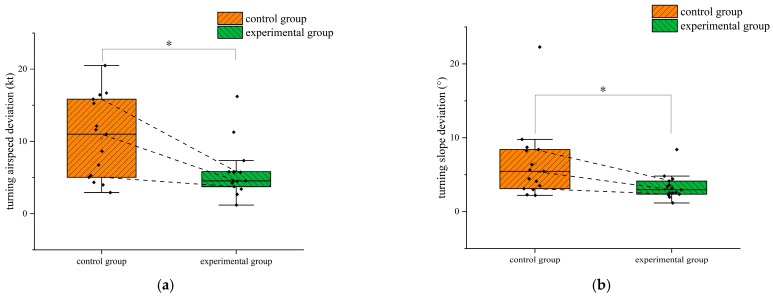 Figure 10
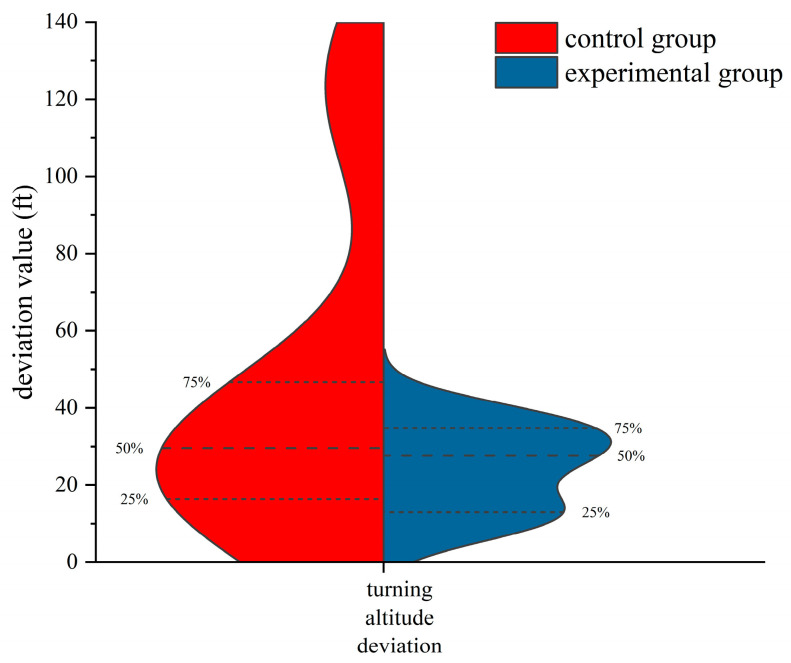 Figure 11
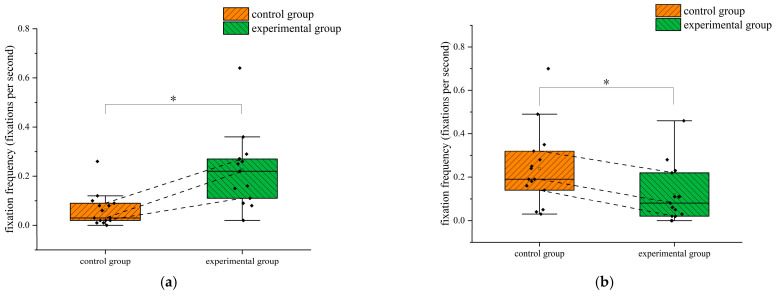 Figure 12
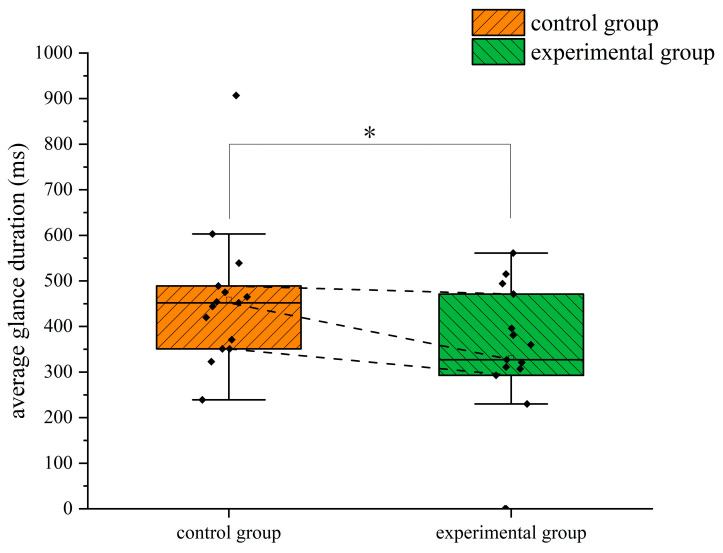 Figure 13
Peer Reviews
No public reviews on file for this paper yet. If you reviewed it on a platform where reviews are public (OpenReview, ICLR, NeurIPS, ICML), you can paste yours below so the community can read it here.
Videos
No videos yet. Explain this paper in a talk, walkthrough, or lecture? Add one.
Taxonomy
TopicsInertial Sensor and Navigation · Gaze Tracking and Assistive Technology · Spatial Cognition and Navigation