Microstructure Evolution and Fracture Mode of Laser Welding–Brazing DP780 Steel-5754 Aluminum Alloy Joints with Various Laser Spot Positions
Bolong Li, Jiayi Zhou, Rongxun Hu, Hua Pan, Tianhai Wu, Yulai Gao

TL;DR
This study examines how laser spot position affects the strength and fracture behavior of steel-aluminum joints, showing that positioning the laser more on steel improves joint strength and changes where the joint breaks.
Contribution
The study reveals how laser spot position influences microstructure and fracture mode in steel–aluminum laser welding–brazing joints.
Findings
Tensile-shear strength increased from 169 MPa to 241 MPa as laser spot proportion on steel rose from 50% to 90%.
Fracture location shifted from the interface to the aluminum alloy base metal with higher laser spot proportion on steel.
Intermetallic compounds inhibited crack propagation when laser spot proportion on steel was high.
Abstract
Joining steel and Al alloys can fully utilize their advantages for both base metals (BMs) and optimize automobile structures. In this study, the laser welding–brazing technique was utilized to join DP780 steel and aluminum alloy 5754 (AA5754). The mechanical properties, microstructure, and fracture locations of steel–Al joints prepared using different laser spot positions were comparatively investigated. As the proportion of the laser spot on the steel BM increased from 50% to 90%, the tensile–shear strength of the steel–Al welded joint rose from 169 MPa to 241 MPa. Meanwhile, the fracture location of the joint shifted from the interface to the BM of the aluminum alloy. The change in the laser spot position could dramatically affect the interfacial microstructure and fracture mode of the steel–Al joint. When the proportion of the laser spot on the steel BM was relatively small (50%),…
Genes, proteins, chemicals, diseases, species, mutations and cell lines named across the full text — each resolved to its canonical identifier and authoritative record.
Click any figure to enlarge with its caption.
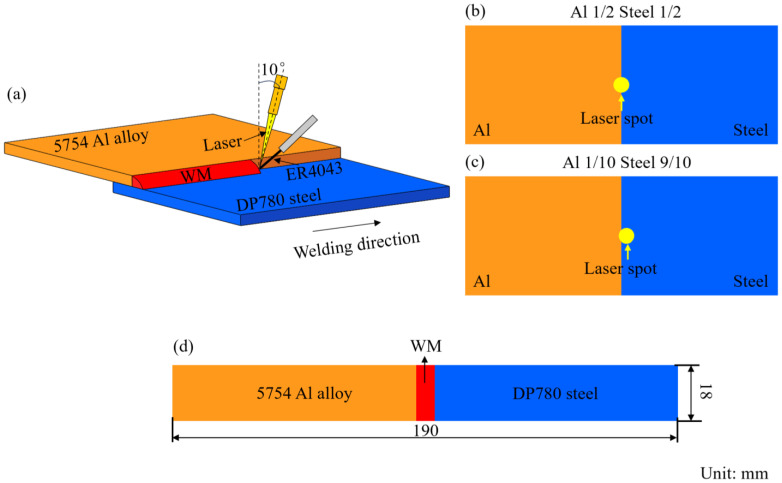 Figure 1
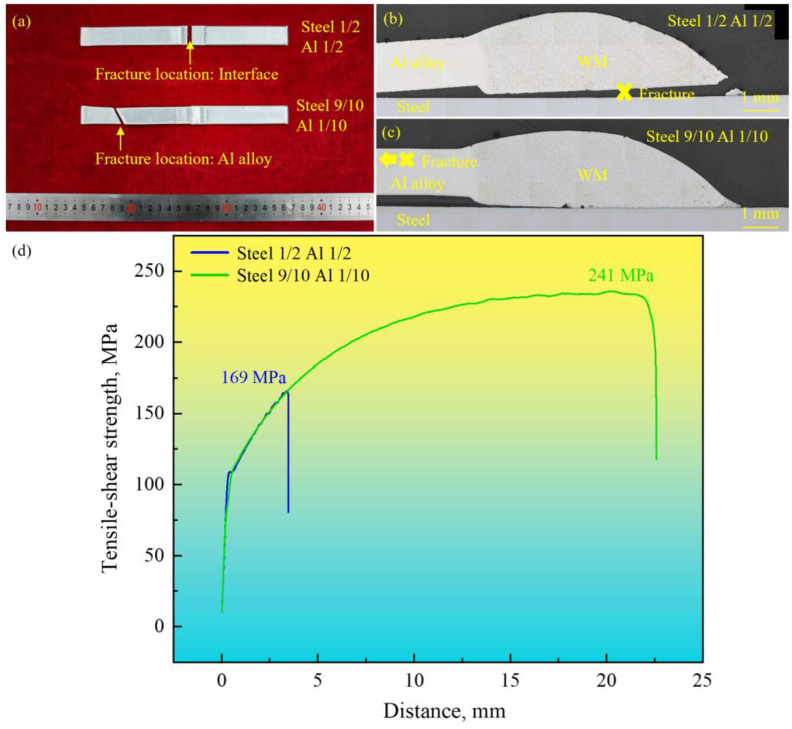 Figure 2
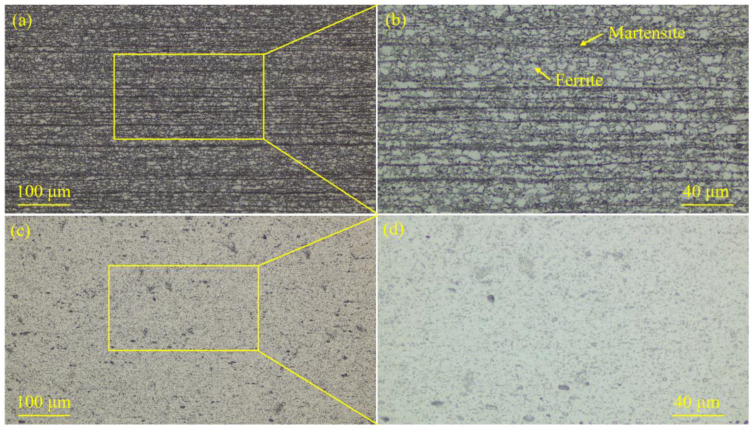 Figure 3
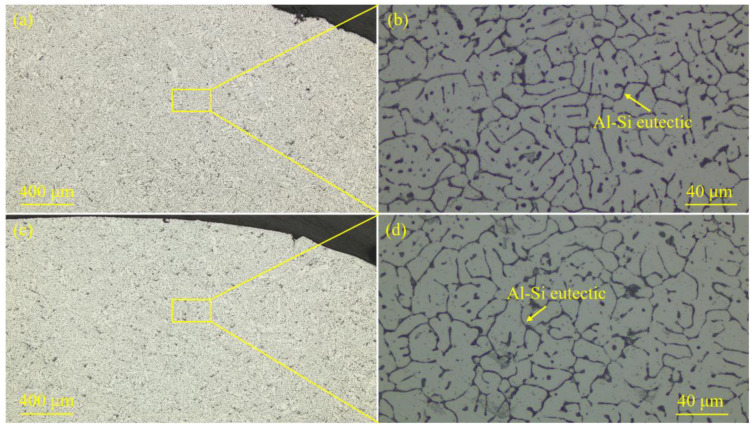 Figure 4
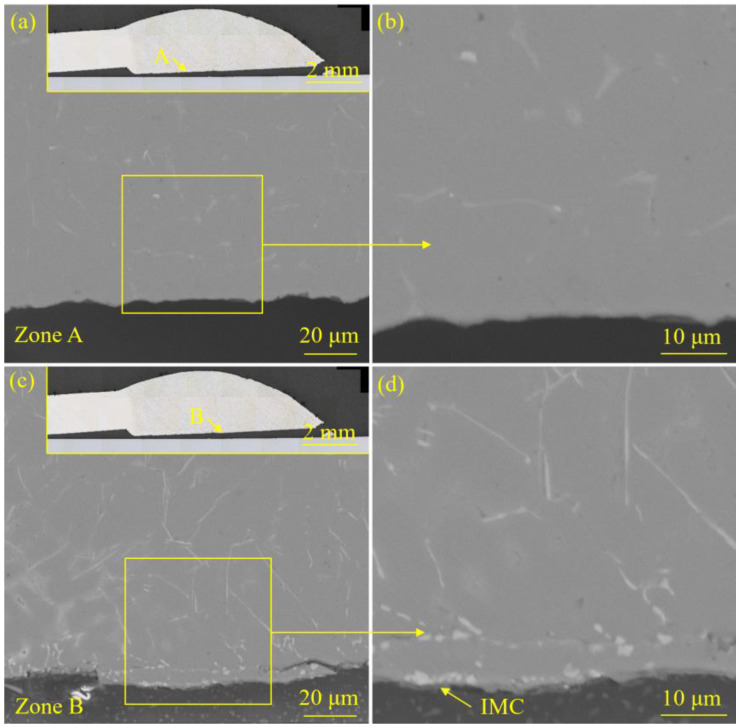 Figure 5
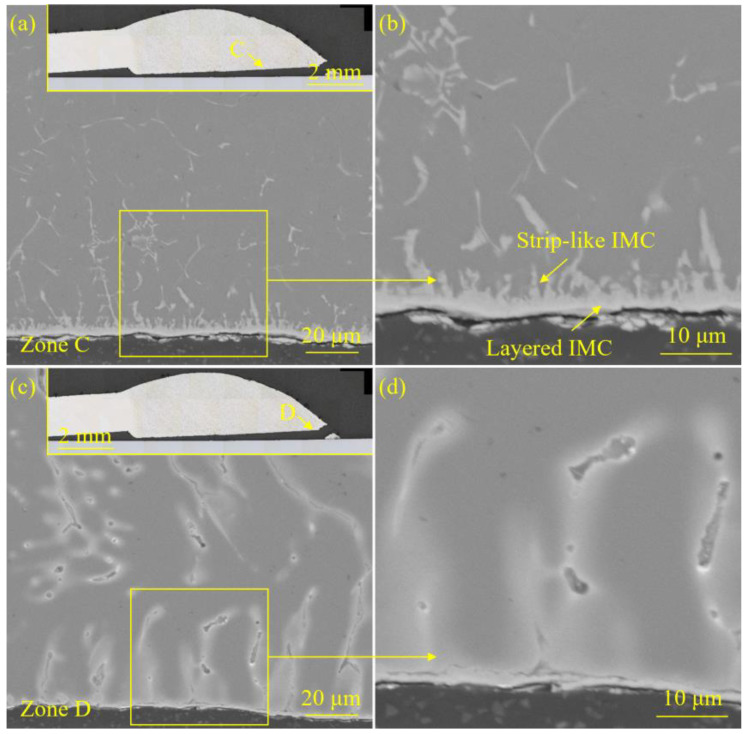 Figure 6
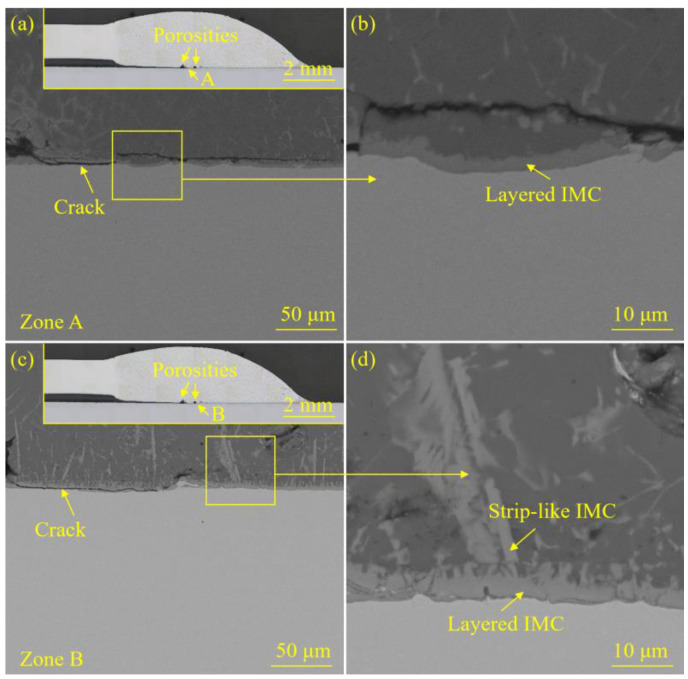 Figure 7
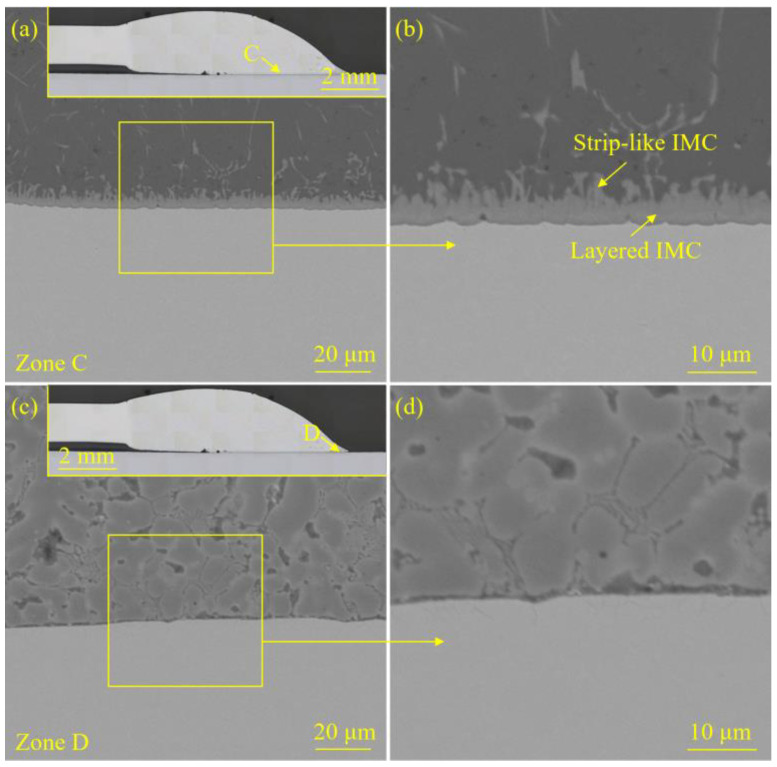 Figure 8
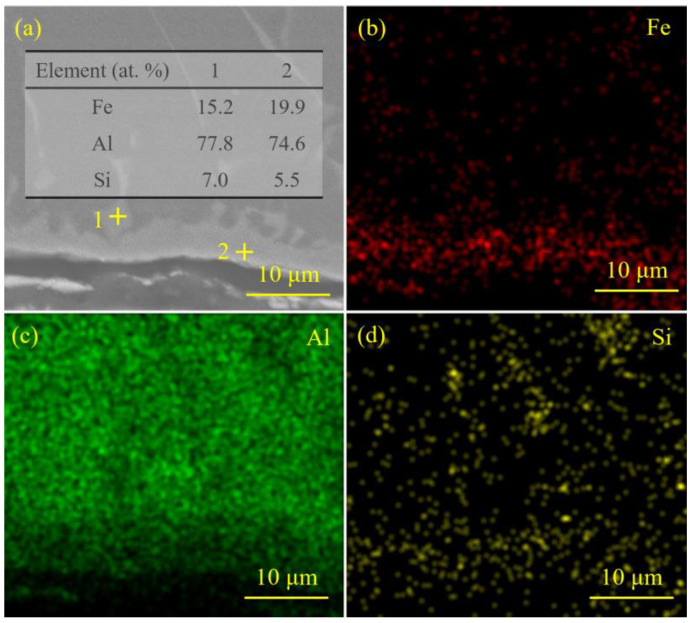 Figure 9
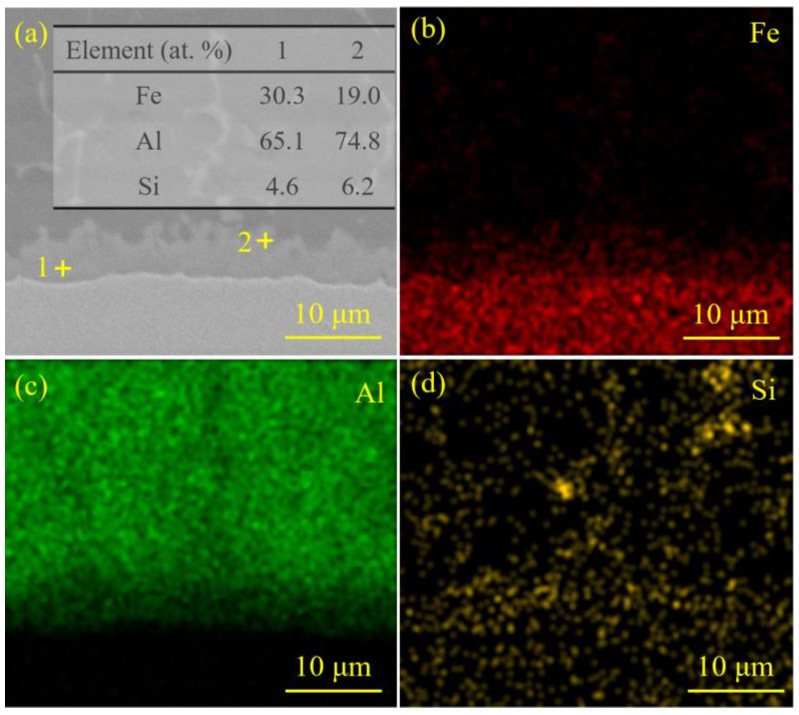 Figure 10
Peer Reviews
No public reviews on file for this paper yet. If you reviewed it on a platform where reviews are public (OpenReview, ICLR, NeurIPS, ICML), you can paste yours below so the community can read it here.
Videos
No videos yet. Explain this paper in a talk, walkthrough, or lecture? Add one.
Taxonomy
TopicsAdvanced Welding Techniques Analysis · Welding Techniques and Residual Stresses · Aluminum Alloy Microstructure Properties